


The best protein sources for building muscle give you plenty of protein per portion, along with other useful nutrients. Lean meat, fish, eggs, beans and pulses all count. This guide compares six foods using UK food data, so you can see how much protein each one really gives you.
Protein supplies the amino acids your muscles use to repair and grow after training. The International Society of Sports Nutrition (ISSN) says active people can get the protein they need from whole foods. Supplements are a practical option, not a must.
How Much Protein Do You Need to Build Muscle?
The ISSN says 1.4 to 2.0 g of protein per kg of body weight a day is enough for most people who exercise. A 2018 meta-analysis found that, on average, extra protein stopped adding lean mass gains above about 1.6 g per kg a day.
For example, if you weigh 80 kg, aim for about 112 to 160 g a day. You may have heard the rule “multiply your weight by 2”. That number sits at the top of the range, not the minimum you need.
The ISSN also suggests spreading protein across the day, at about 20 to 40 g per meal. For more detail, read how much protein you really need to build muscle.
Protein in 6 Foods Compared
The table shows protein per 100 g from the British Nutrition Foundation. Portion sizes come from the British Dietetic Association (BDA). Protein per portion is calculated from those two figures and rounded.
| Food | Protein per 100 g | Typical portion | Protein per portion (approx.) |
|---|---|---|---|
| Tuna, canned in brine | 24.9 g | 140 g | 35 g |
| Chicken breast, grilled, no skin | 32.0 g | 60 to 90 g cooked | 19 to 29 g |
| Chickpeas, canned | 7.2 g | 150 g (4 tablespoons) | 11 g |
| Eggs, boiled | 14.1 g | 2 eggs (120 g) | 17 g |
| Kidney beans, canned | 6.9 g | 150 g (4 tablespoons) | 10 g |
| Beef steak, lean, grilled | 31.0 g | 60 to 90 g cooked | 19 to 28 g |
Many people eat bigger portions than these, especially after training. If you want to know your real numbers, weigh your usual portions for a few days.
6 Protein Sources for Building Muscle
1. Tuna
Tuna is one of the leanest protein foods you can buy. Canned tuna in brine has about 25 g of protein per 100 g and is low in fat and carbs.
- A 140 g portion gives about 35 g of protein.
- It keeps for a long time and needs no cooking.
- The BDA suggests eating two portions of fish a week, one of them oily.
Try it mixed with a little olive oil, lemon and pepper. Add it to salads, wraps or whole-grain crackers.
2. Chicken
Chicken breast is a go-to protein for many people who lift. It is lean, widely available and works in almost any meal.
- Grilled chicken breast without skin has about 32 g of protein per 100 g.
- A cooked portion of 60 to 90 g gives about 19 to 29 g of protein.
- Chicken thighs work too. The NHS suggests choosing skinless poultry to keep the fat lower.
Grill, bake or stir-fry it, or add it to salads and wraps. Change the seasoning to keep your meals interesting.
3. Chickpeas
Chickpeas are a good plant-based option. They give you protein along with fiber and slow-digesting carbs.
- Canned chickpeas have about 7 g of protein per 100 g.
- A 150 g portion, about 4 tablespoons, gives about 11 g of protein.
- They have less protein per portion than meat or fish. Use a bigger serving or pair them with another protein source.
Add them to salads, curries and soups, or blend them into hummus.
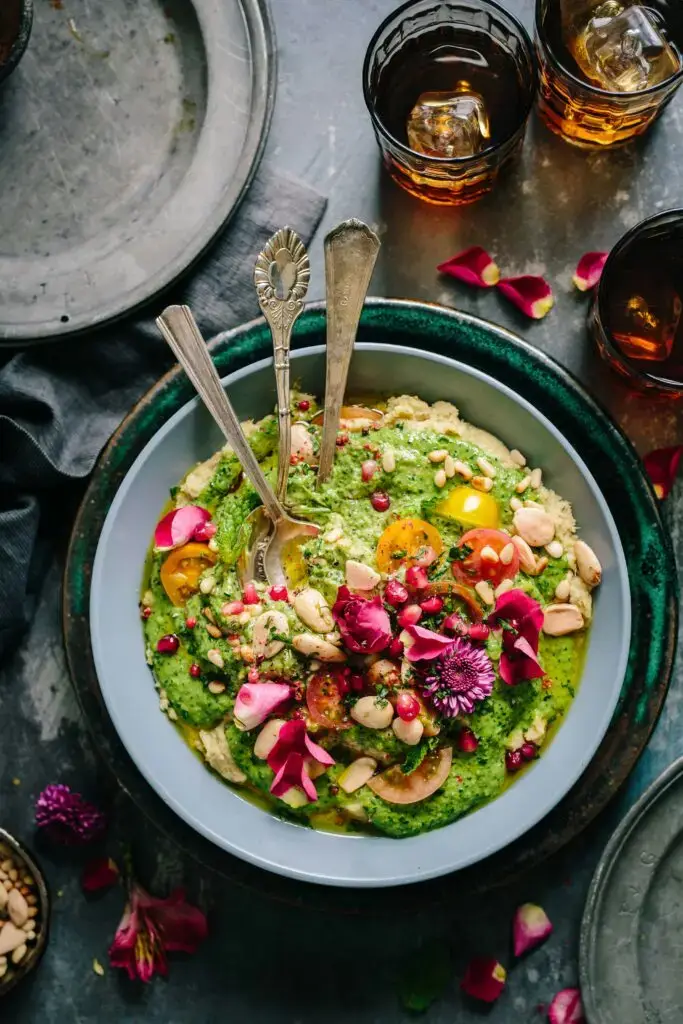
4. Eggs
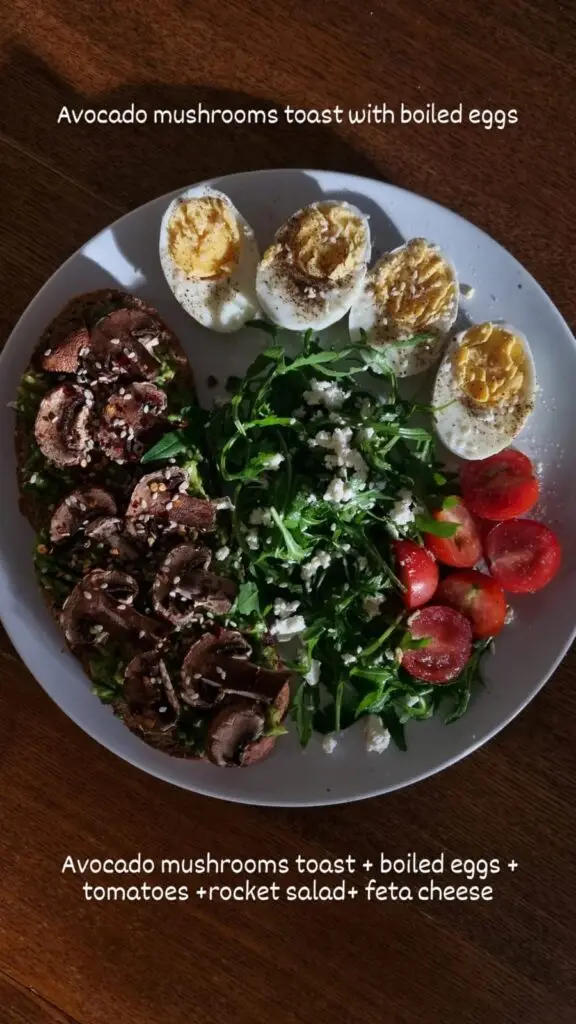
Eggs are a complete protein. That means they contain all nine essential amino acids, the ones your body cannot make itself.
- Boiled eggs have about 14 g of protein per 100 g.
- A portion of two eggs (about 120 g) gives about 17 g of protein.
- They are simple to cook and fit into breakfast, lunch or dinner.
Boil, scramble or poach them, or make an omelet with vegetables. For more ideas, see the best breakfast for building muscle.
5. Beans
Beans such as kidney beans, black beans and pinto beans are an underrated protein source. The BDA encourages people to eat more beans and pulses.
- Canned kidney beans have about 7 g of protein per 100 g.
- A 150 g portion gives about 10 g of protein.
- They also add fiber to your meals.
Use them in stews, burritos, chili and salads, or as a side dish.
If you eat mostly plants, mix different protein foods across the day. The British Nutrition Foundation lists steamed tofu at about 8 g and boiled red lentils at about 7.6 g of protein per 100 g. For more, read do you need meat to build muscle?
6. Lean Red Meat
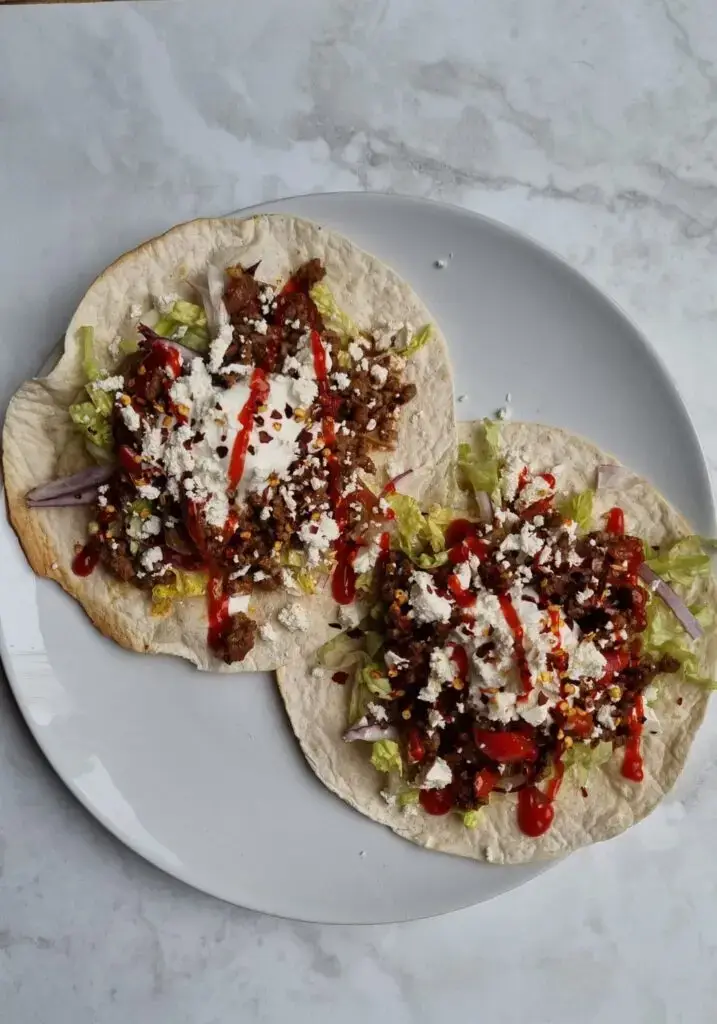
Lean red meat can be part of a muscle-building diet. Lean grilled beef steak has about 31 g of protein per 100 g.
- A cooked portion of 60 to 90 g gives about 19 to 28 g of protein.
- The NHS notes that red meat provides iron, zinc and B vitamins.
- Choose the leanest cuts and trim visible fat.
Keep an eye on how much you eat. The NHS advises that if you eat more than 90 g of red or processed meat a day, you should cut down to 70 g.
Putting It Together
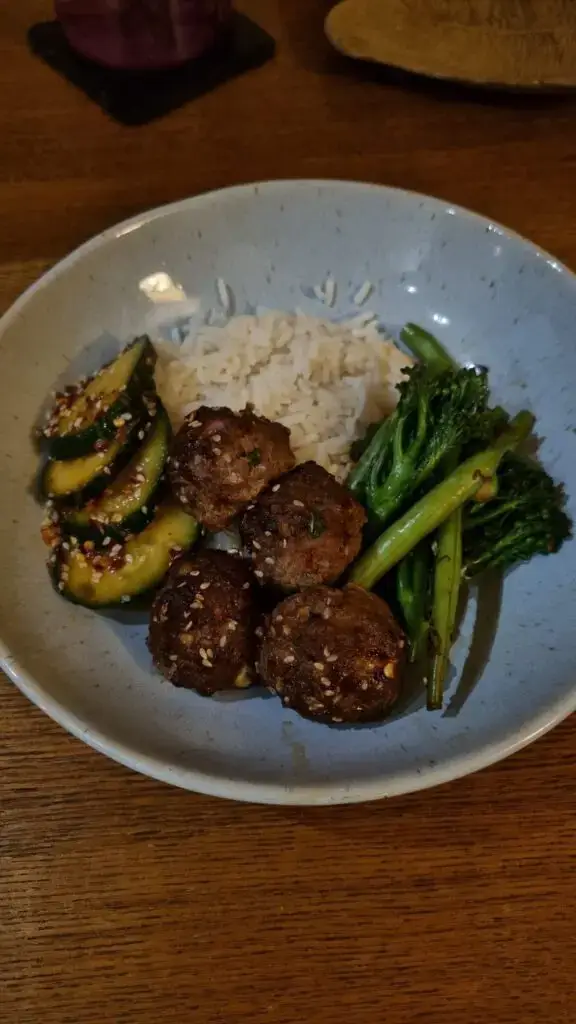
Building muscle takes consistent training and enough protein. Aim for a good protein source at each meal, and mix animal and plant foods if that suits you. Use the table above to check whether your usual portions get you close to your daily target.
Protein works best alongside the right calorie intake and enough carbs to fuel your training. Read how protein and carbs help you lose fat and gain muscle for the bigger picture. If you are thinking about supplements, see how to take whey protein and creatine.
If you have a kidney condition or another health condition, or take medication, check with your doctor or a registered dietitian before you make big changes to your protein intake.
Food is the fuel, but training gives your muscles the reason to grow. 12REPS gives you a plan built around your goal, your equipment and your time, with a trainer demonstration for every exercise.
Sources
- Protein in the diet. British Nutrition Foundation, 2021. https://www.nutrition.org.uk/media/yh2botxi/protein-in-the-diet_resource.pdf
- Food Fact Sheet: Portion sizes. British Dietetic Association (copy hosted by Wirral Community Health and Care NHS Foundation Trust), n.d.. https://www.wchc.nhs.uk/wp-content/uploads/2026/05/bda-portion-sizes.pdf
- Jäger R, et al. International Society of Sports Nutrition position stand: protein and exercise. Journal of the International Society of Sports Nutrition, 2017. https://scholarcommons.sc.edu/sph_physical_activity_public_health_facpub/366/
- Morton RW, et al. A systematic review, meta-analysis and meta-regression of the effect of protein supplementation on resistance training-induced gains in muscle mass and strength in healthy adults. British Journal of Sports Medicine, 2018. https://openrepository.aut.ac.nz/items/8dea98a4-4e37-4c60-be43-4b6ece0bd9a5
- Meat in your diet. NHS, 2024. https://www.nhs.uk/live-well/eat-well/food-types/meat-nutrition/