

By Will Duru, BSc (Hons) Sport and Exercise Science, Award winning Personal Trainer with over 10 years of experience in strength training
The debate has raged in gyms for decades. Free weight purists dismiss machines as inferior, suitable only for beginners or the uninformed. Machine advocates counter that free weights are unnecessarily dangerous and ego-driven.
Both camps miss the point entirely.
Free weights and machines are tools. Like all tools, each has specific applications where it excels and situations where alternatives work better. The question is not which is superior overall, but which is superior for a given purpose.
This guide examines both training methods honestly, without tribal loyalty to either side. Understanding the genuine advantages and limitations of each allows you to make intelligent choices that serve your goals.
Understanding the Fundamental Differences
Before comparing benefits, we need to understand what distinguishes these training methods.
Free Weights
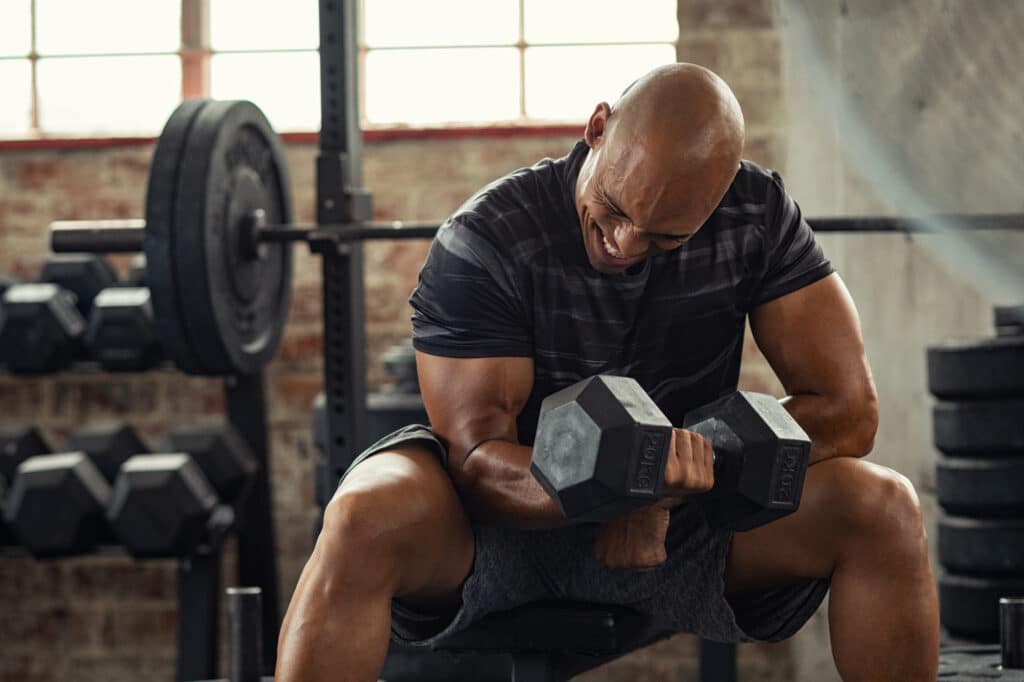
Free weights include barbells, dumbbells, kettlebells and any other resistance that moves freely through space. The weight travels wherever you direct it. Your body must control the load through the entire range of motion in all directions.
This freedom creates demand beyond simply lifting the weight. You must stabilise the load, balance it, coordinate multiple muscle groups and control the path of movement. The exercise challenges your neuromuscular system comprehensively.
Machines
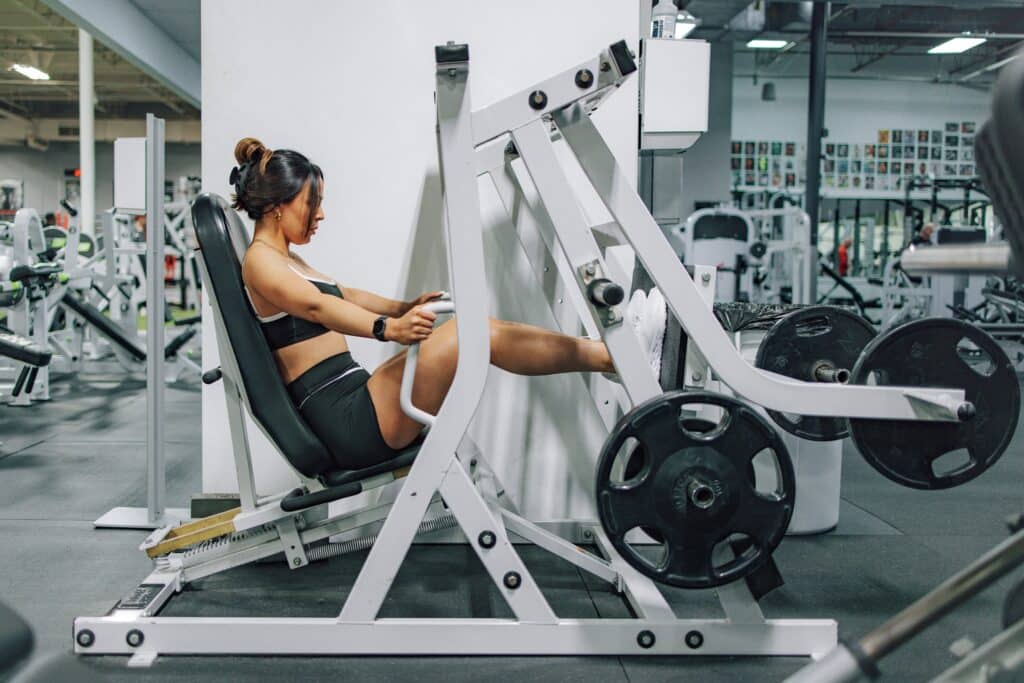
Machines constrain movement to a fixed path. The weight travels along a predetermined track regardless of what your body does. You push or pull against the resistance without needing to stabilise or balance it.
This constraint reduces complexity. You focus purely on pushing or pulling against resistance without worrying about balance or stabilisation. The machine handles those elements.
The Spectrum Between Them
Not all equipment falls neatly into these categories. Cable machines offer free movement paths but constant tension. Smith machines use a barbell but constrain its path. Suspension trainers create instability with bodyweight.
Think of equipment on a spectrum from fully constrained (leg press machine) to fully free (barbell held overhead). Different positions on this spectrum suit different purposes.
Advantages of Free Weights
Free weights offer several genuine benefits that machines cannot fully replicate.
Greater Stabiliser Muscle Activation
When you press a barbell overhead, dozens of small stabiliser muscles work to keep the weight balanced and moving in the intended path. These muscles receive little stimulus during machine pressing where the path is fixed.
Over time, this additional stabiliser work develops functional strength that transfers to real-world activities. Carrying groceries, lifting furniture and playing sports all require stabilisation that free weights train.
Better Movement Pattern Development
Free weight exercises teach your body to coordinate multiple joints and muscle groups through natural movement patterns. This neuromuscular learning transfers to activities outside the gym.
A barbell squat teaches your entire body to work together. A leg press, while effective for quadriceps development, teaches a more limited coordination pattern.
More Efficient Training
A single barbell and set of plates allows hundreds of exercises. You can train your entire body with minimal equipment. This efficiency matters for home gyms, travel and facilities with limited machine variety.
Free weights also allow seamless loading increments. Adding 1.25 kilograms to a barbell is straightforward. Many machines jump in larger increments, making progressive overload less precise.
Greater Range of Motion Options
Free weights allow you to adjust range of motion naturally. You can squat to different depths, press from different angles and find positions that suit your individual anatomy.
Machines often lock you into ranges that may or may not match your body. What feels comfortable for an average-sized person may stress someone taller or shorter inappropriately.
Functional Strength Transfer
Strength built with free weights tends to transfer better to real-world tasks. The stabilisation requirements, movement freedom and natural coordination patterns more closely resemble how you actually use your body outside the gym.
Advantages of Machines
Machines offer distinct benefits that free weights cannot match.
Isolation of Target Muscles
Machines excel at focusing stress on specific muscles. A pec deck isolates your chest without requiring triceps or shoulder involvement. A leg curl targets hamstrings precisely without lower back concern.
This isolation is valuable for addressing weak points, maximising hypertrophy of specific muscles and training around injuries that limit compound movements.
Safer Training to Failure
Pushing to muscular failure on a barbell bench press without a spotter risks serious injury. The same intensity on a chest press machine presents minimal danger. If you fail, you simply release the handles.
This safety allows aggressive intensity techniques like drop sets, forced reps and training beyond failure without requiring a training partner or risking catastrophic failure.
Constant Tension Throughout Range
Many machines provide consistent resistance throughout the movement. Free weights offer variable resistance due to leverage changes and gravity’s constant direction.
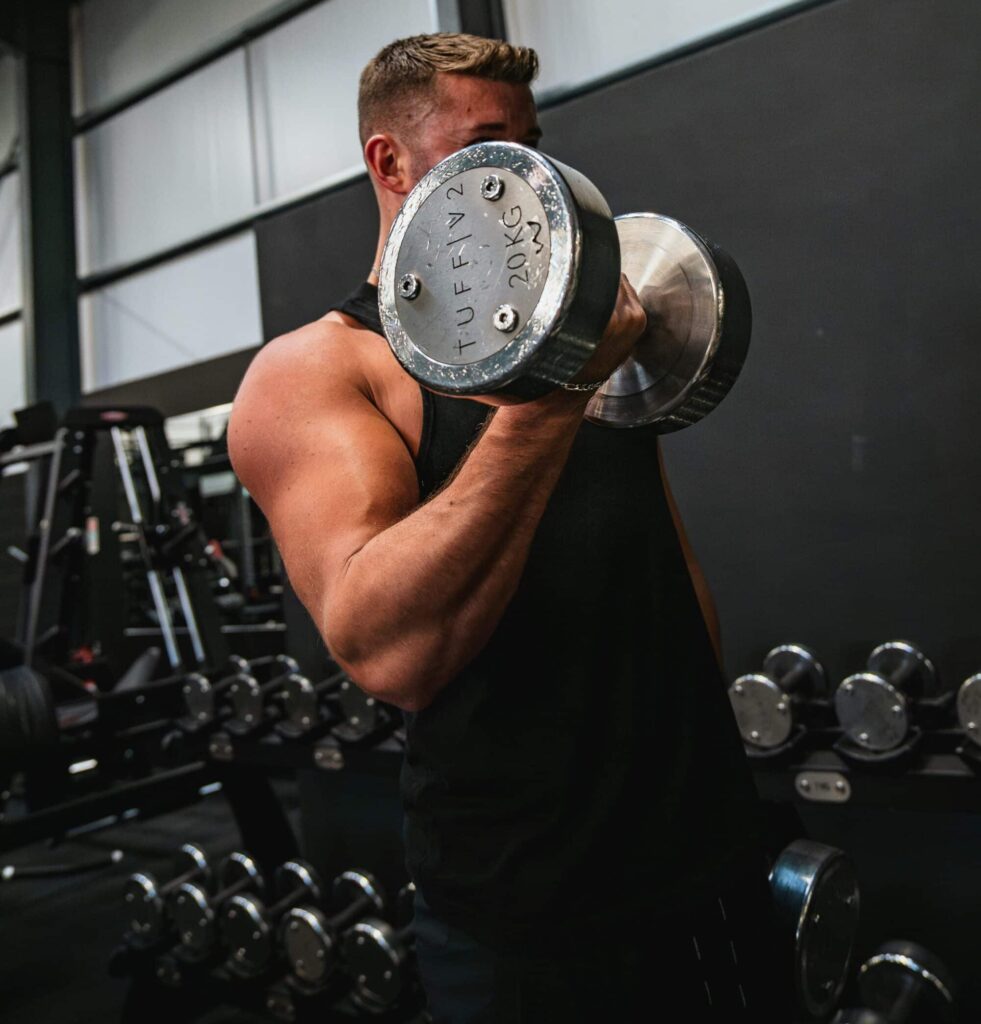
During a dumbbell curl, the bottom portion is easiest because leverage favours you. A cable curl maintains tension throughout, potentially providing superior hypertrophy stimulus at all joint angles.
Lower Skill Requirement
Free weight exercises require technique mastery before heavy loading. Learning proper squat form takes weeks or months. Loading heavily with poor form risks injury.
Most machines require minimal technical learning. You sit down, adjust the seat and push. This accessibility allows productive training from day one and suits those who cannot invest time in technique development.
Reduced Fatigue and Systemic Stress
A heavy barbell squat taxes your entire system: legs, core, back, cardiovascular system and nervous system. A leg press isolates the legs with less systemic demand.
This reduced overall stress allows higher volume for target muscles without the same recovery cost. You can accumulate more leg work when your back and nervous system are not equally taxed.
Training Around Injuries
When injuries limit certain movements, machines often provide alternatives. A shoulder injury might prevent barbell pressing but allow machine pressing at a different angle. A back issue might preclude deadlifts but permit machine rows.
Machines let you train what you can while protecting what you cannot.
What the Research Actually Shows
Studies comparing free weights and machines for muscle growth show surprisingly similar results when training volume and intensity are matched.
Muscles grow in response to mechanical tension and metabolic stress. Both free weights and machines can provide these stimuli. The muscle itself does not know what is creating the tension.
Where differences emerge:
Stabiliser development favours free weights. The additional muscles involved receive more stimulus.
Targeted hypertrophy may slightly favour machines. The isolation allows concentrated stress on specific muscles.
Strength on the specific movement trained favours whatever equipment you train with. Squat more to squat more. Use the leg press more to leg press more.
Functional transfer favours free weights for most real-world applications, though this depends on the specific function being measured.
The practical conclusion: both methods build muscle effectively. The differences lie in secondary benefits and specific applications rather than fundamental superiority.
When to Use Free Weights
Free weights deserve priority in several situations:
Building Your Foundation
Beginners benefit from learning fundamental movement patterns with free weights. Squatting, hinging, pressing and pulling with barbells and dumbbells develops movement competence that serves all future training.
This does not mean beginners should avoid machines entirely, but foundational strength should emphasise free weight movements.
Training for Athletic Performance
Athletes need strength that transfers to their sport. The stabilisation, coordination and functional patterns of free weight training better prepare the body for athletic demands.
A footballer benefits more from barbell squats than leg presses for on-field performance, even if both build quadriceps similarly.
When Equipment Is Limited
Home gyms and basic facilities may lack machine variety. A barbell, dumbbells and a rack allow comprehensive training regardless of machine availability.
Maximising Training Efficiency
When time is limited, free weight compounds train more muscles per exercise. A single set of deadlifts works hamstrings, glutes, back, grip and core. Replicating this on machines would require multiple exercises.
Developing Practical Strength
If you want strength for daily life activities, free weights provide better preparation. Lifting, carrying and stabilising objects mirrors free weight training more than machine training.
When to Use Machines
Machines deserve priority in several situations:
Targeting Specific Muscles
When a particular muscle needs extra development, machines provide focused stress. Lagging rear deltoids respond well to reverse pec deck. Stubborn calves benefit from seated calf raise machines.
This targeted work complements free weight compounds without the systemic fatigue of adding more compound movements.
Training to Failure Safely
High intensity techniques are safer on machines. Drop sets, rest-pause sets and training beyond failure can be performed alone without injury risk.
If you train without a partner and want to push intensity, machines provide that option.
Working Around Injuries
Joint issues, back problems and other limitations often restrict free weight exercise selection. Machines frequently offer alternatives that avoid problematic positions while still allowing productive training.
Higher Volume Training
Bodybuilders seeking maximum hypertrophy often need more volume than free weights alone practically allow. Adding machine work increases volume for target muscles without proportional systemic fatigue.
Three sets of squats plus three sets of leg press provides more quadriceps volume than six sets of squats with less total body stress.
Beginners Learning to Train Hard
New lifters may not yet have the technique to train free weights intensely. Machines allow them to experience genuine muscular effort while developing the coordination free weights require.
Starting with machine exercises, then transitioning to free weights as skill develops, works well for many beginners.
Older Adults and Special Populations
Those with balance concerns, joint limitations or other physical considerations may find machines more appropriate. The stability and controlled paths reduce injury risk for populations where free weight training presents higher danger.
The Smart Approach: Use Both
Rather than choosing sides in an artificial debate, intelligent training incorporates both methods strategically.
A Practical Framework
Foundation exercises: Use free weights for your main compound movements. Squats, deadlifts, presses and rows with barbells and dumbbells should anchor most programmes.
Targeted development: Add machines to address specific muscles, accumulate additional volume or train safely to failure.
Work around limitations: When injuries, equipment or circumstances require, machines provide alternatives that keep you training productively.
Adjust over time: Your optimal balance between free weights and machines may shift as goals, circumstances and physical condition change.
Example Programme Structure
Here is how this might look in practice:
Chest Day:
- Barbell Bench Press: 4 sets of 6 to 8 (free weight foundation)
- Incline Dumbbell Press: 3 sets of 8 to 10 (free weight variety)
- Machine Chest Press: 3 sets of 10 to 12 (additional volume)
- Pec Deck: 2 sets of 12 to 15 (isolation to failure)
Leg Day:
- Barbell Back Squat: 4 sets of 6 to 8 (free weight foundation)
- Romanian Deadlift: 3 sets of 8 to 10 (free weight hinge)
- Leg Press: 3 sets of 10 to 12 (additional quad volume)
- Leg Curl: 3 sets of 10 to 12 (hamstring isolation)
- Leg Extension: 2 sets of 12 to 15 (quad isolation to failure)
This structure captures free weight benefits for primary movements while using machines to add volume, isolation and safe high-intensity work.
Common Mistakes in the Free Weights vs Machines Debate
Mistake 1: Dismissing Machines Entirely
Some lifters view machines as inferior and refuse to use them. This tribal thinking limits their options unnecessarily. Machines offer genuine benefits that serve certain purposes better than free weights.
Mistake 2: Avoiding Free Weights Out of Fear
Others avoid free weights because they seem intimidating or dangerous. While technique matters, free weight exercises performed correctly are safe and provide benefits machines cannot replicate.
Mistake 3: Thinking One Must Choose
You do not have to pick a side. Using both methods according to their strengths produces better results than exclusive commitment to either.
Mistake 4: Ignoring Individual Circumstances
The optimal balance varies by individual. A rehabilitating injury patient, a competitive powerlifter and a casual fitness enthusiast each need different approaches. Cookie-cutter recommendations serve no one well.
Mistake 5: Forgetting That Effort Matters Most
The most sophisticated equipment analysis means nothing without consistent effort and progressive overload. Hard work on machines beats half-hearted free weight training, and vice versa.
A Client Who Used Both Wisely
Daniel came to me as a classic “free weights only” advocate. He dismissed machines as useless, training exclusively with barbells and dumbbells. His overall strength was good, but his chest development lagged significantly.
His bench press had stalled. His chest looked flat despite years of pressing. He was frustrated and considering his genetics were simply unfavourable.
We added machine work: pec deck for isolation, incline machine press for additional volume, cable crossovers for constant tension. His barbell bench remained the foundation, but machines supplemented it.
Within four months, his chest transformed. The targeted machine work addressed weaknesses that compound movements alone had not solved. His bench press also improved as his pectorals grew stronger.
“I was so dogmatic about free weights that I limited my own progress,” he told me. “Using the right tool for the right job made all the difference.”
Making Your Choice
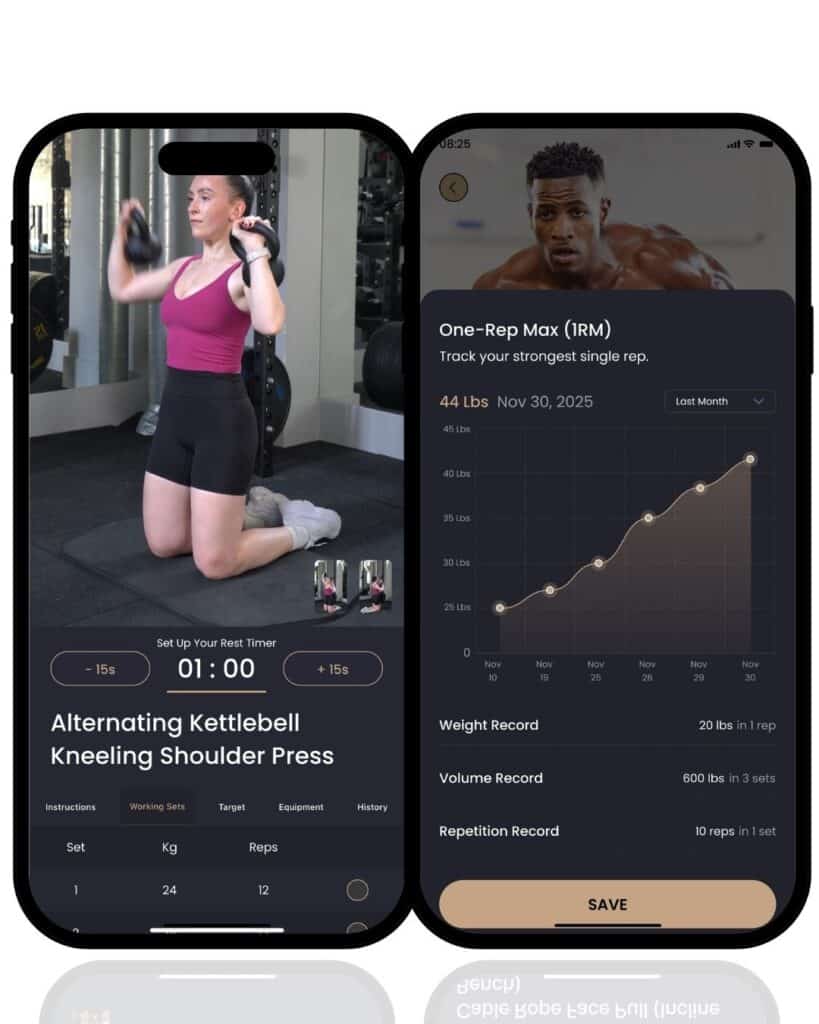
The 12REPS app includes both free weight and machine exercises in its programming, selecting appropriate tools based on your goals, available equipment and individual circumstances. Rather than forcing ideology, it uses whatever equipment best serves your progress.
Whether you train at a fully equipped gym or a basic home setup, understanding when each tool excels allows you to maximise results from whatever equipment you have access to.
Conclusion
Free weights and machines are both effective for building muscle. Neither is universally superior. The intelligent approach uses each for its strengths while acknowledging its limitations.
Free weights excel at building functional strength, developing stabilisers, teaching movement patterns and training efficiently with minimal equipment.
Machines excel at isolating specific muscles, enabling safe high-intensity training, working around limitations and accumulating volume without excessive systemic stress.
Most people benefit from using both. Build your foundation with free weight compounds, supplement with machines for targeted development and adjust the balance as your needs evolve.
The best equipment is whatever helps you train consistently, progressively and safely toward your goals. That answer changes depending on what you are trying to achieve.
Related Articles on just12reps.com
| Article | Description | Link |
|---|---|---|
| Complete Beginner’s Guide to Strength Training | Programme incorporating both free weights and machines. | Read Article |
| Progressive Overload Guide | How to progress with any equipment type. | Read Article |
| Understanding Rep Ranges | Choosing reps regardless of equipment. | Read Article |
| How to Train Around an Injury | When machines become especially valuable. | Read Article |
| Bodyweight Exercises for Home | Training options when neither is available. | Read Article |
References
[1] Schick, E.E. et al. (2010). A comparison of muscle activation between a Smith machine and free weight bench press. Journal of Strength and Conditioning Research. https://journals.lww.com/nsca-jscr/pages/default.aspx
[2] Schwanbeck, S. et al. (2009). A comparison of free weight squat to Smith machine squat using electromyography. Journal of Strength and Conditioning Research. https://journals.lww.com/nsca-jscr/pages/default.aspx
[3] Kerksick, C.M. et al. (2018). ISSN exercise and sports nutrition review update. Journal of the International Society of Sports Nutrition. https://jissn.biomedcentral.com/
[4] Signorile, J.F. et al. (2002). A comparative electromyographical investigation of muscle utilization patterns using various hand positions during the lat pull-down. Journal of Strength and Conditioning Research. https://journals.lww.com/nsca-jscr/pages/default.aspx
[5] Saeterbakken, A.H. & Fimland, M.S. (2013). Effects of body position and loading modality on muscle activity and strength in shoulder presses. Journal of Strength and Conditioning Research. https://journals.lww.com/nsca-jscr/pages/default.aspx
About the Author: Will Duru holds a BSc (Hons) in Sport and Exercise Science and is an award-winning personal trainer with over 10 years of experience helping clients build muscle effectively using all available tools. He is the creator of the 12REPS app, designed to provide intelligent programming regardless of equipment availability.