

By Will Duru, BSc (Hons) Sport and Exercise Science, Award winning Personal Trainer with over 10 years of experience in strength training
When Sarah first came to me, she had been doing squats for two years. Hundreds of squats. Goblet squats, barbell squats, jump squats, wall squats. She squatted three times per week without fail.
But her glutes looked exactly the same as when she started.
“I don’t understand,” she said, visibly frustrated. “Everyone says squats build your bum. I’ve been doing them religiously and nothing has changed. What am I doing wrong?”
Sarah’s story is one I hear constantly. Women who train hard, show up consistently and do all the exercises they see on social media, yet see minimal results in their glutes. The problem is not effort. The problem is approach.
After a decade of training women in London, I have learned that building glutes requires more than just doing random exercises. It requires understanding how the glute muscles actually work, which exercises target them most effectively and how to structure your training for real growth.
In this guide, I will share everything I have learned about glute training. No fluff, no fads, just practical advice based on anatomy, research and real world results.
Understanding Your Glute Muscles
Before we talk about exercises, you need to understand what you are actually trying to build. Your glutes are not one single muscle. They are a group of three muscles, each with different functions.
Gluteus Maximus is the largest muscle in your entire body. It forms the main shape of your backside and is responsible for hip extension, which means pushing your hips forward. This muscle is what gives your glutes their roundness and size. When people talk about building bigger glutes, they are primarily talking about the gluteus maximus.
Gluteus Medius sits on the outer part of your hip, above the gluteus maximus. It is responsible for hip abduction, which means moving your leg away from your body. Strong gluteus medius muscles create that rounded, lifted look on the sides of your glutes and are essential for hip stability.
Gluteus Minimus is the smallest of the three and sits underneath the gluteus medius. It assists with hip abduction and internal rotation. While it does not contribute as much to the visible shape, it is important for overall hip function and injury prevention.
Research from Contreras et al. has shown that different exercises activate these muscles to varying degrees. This is why a well rounded glute programme needs to include multiple movement patterns, not just squats.
Why Squats Alone Do Not Build Great Glutes
Here is something that might surprise you. Squats are not actually the best exercise for glute growth.
Do not misunderstand me. Squats are a fantastic exercise. They build leg strength, improve mobility and work multiple muscle groups at once. But when researchers measure muscle activation during different exercises, squats do not top the list for glute activation.
A study published in the Journal of Strength and Conditioning Research compared muscle activation across various exercises. Hip thrusts produced significantly higher gluteus maximus activation than squats. Step ups, lunges and deadlift variations also showed strong glute activation.
The reason is biomechanics. During a squat, your glutes work hardest at the bottom of the movement when your hips are flexed. But as you stand up, the load shifts more to your quadriceps. Your glutes never reach peak contraction because your hips are not fully extended against resistance.
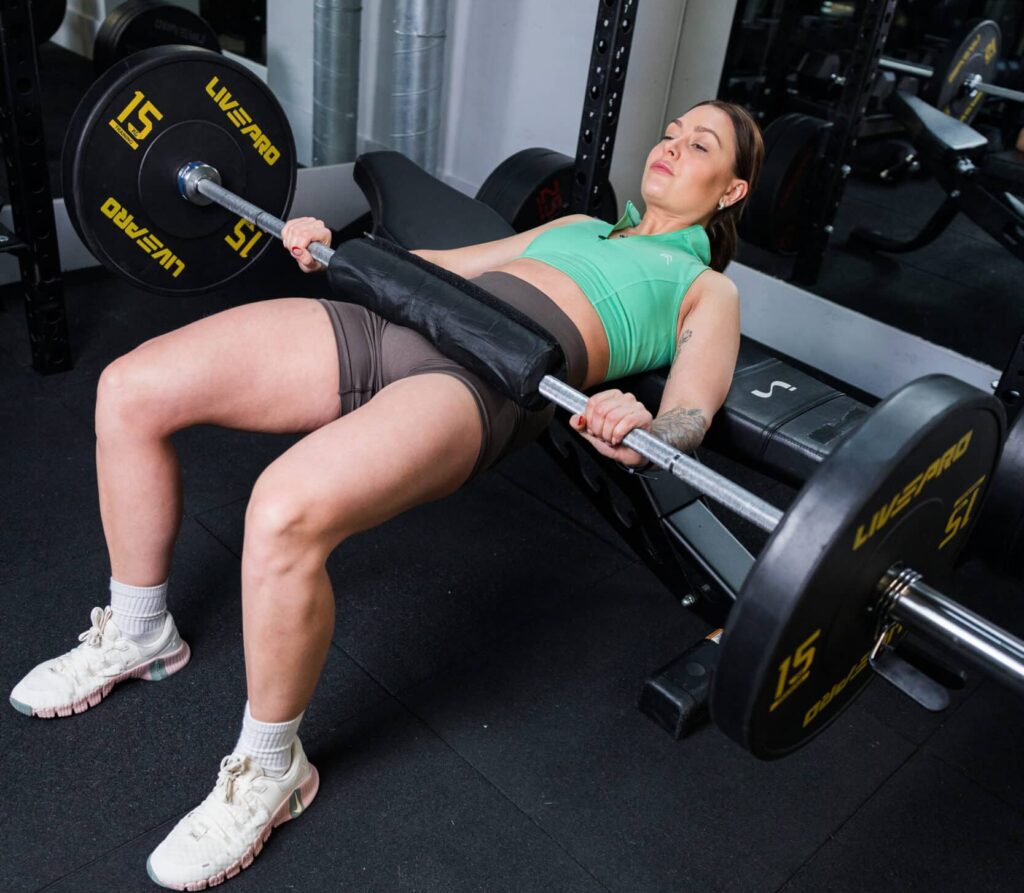
Hip thrusts, on the other hand, load your glutes throughout the entire range of motion and allow you to achieve full hip extension against heavy resistance. This is why Bret Contreras, often called the Glute Guy, has championed hip thrusts as the cornerstone of glute training.
This does not mean you should stop squatting. It means you need to include exercises that specifically target the glutes through their full range of motion.
The Three Movement Patterns for Complete Glute Development
To build well rounded glutes, you need to train all three glute muscles through different movement patterns. I categorise these into three groups.
Hip Extension Movements
These exercises involve pushing your hips forward against resistance. They primarily target the gluteus maximus and are responsible for building the main size and shape of your glutes.
Best exercises include:
- Hip thrusts (barbell, dumbbell or machine)
- Glute bridges (single leg and double leg)
- Romanian deadlifts
- Cable pull throughs
- Kettlebell swings
Hip thrusts should be the foundation of your glute training. Research consistently shows they produce the highest gluteus maximus activation of any exercise. Start with bodyweight or a light dumbbell and progress to a barbell as you get stronger.
Hip Abduction Movements
These exercises involve moving your leg away from your body. They primarily target the gluteus medius and help create width and roundness on the sides of your glutes.
Best exercises include:
- Cable hip abductions
- Banded side walks
- Side lying hip raises
- Machine hip abduction
- Clamshells
Many women neglect hip abduction exercises entirely. This is a mistake. Strong gluteus medius muscles not only improve the shape of your glutes but also protect your knees and lower back during other exercises
Squat and Lunge Patterns
These compound movements work the glutes along with the quadriceps and hamstrings. While they are not the most glute focused, they provide variety and help build overall lower body strength.
Best exercises include:
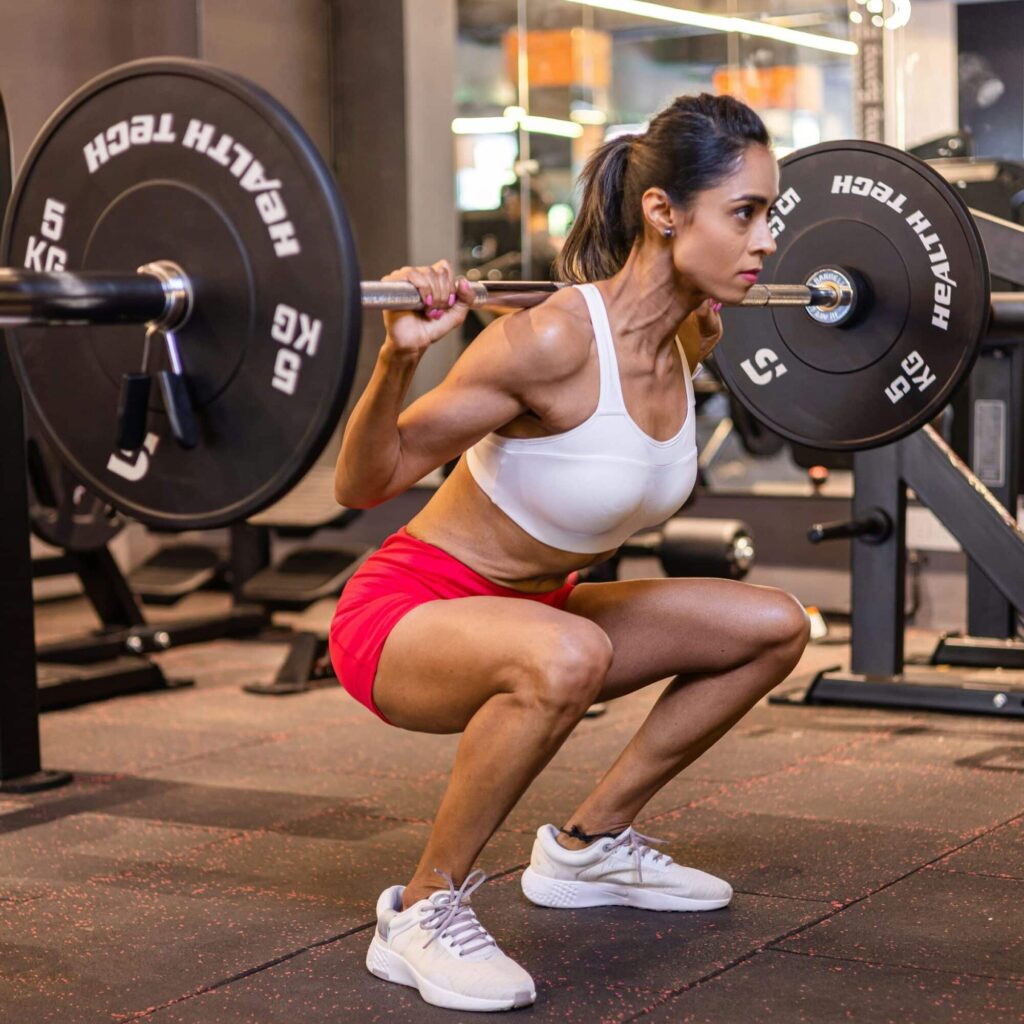
- Barbell back squats
- Bulgarian split squats
- Walking lunges
- Goblet squats
- Leg press with high foot placement
To maximise glute activation during squats and lunges, focus on sitting back into the movement, keeping your weight in your heels and consciously squeezing your glutes as you stand up.

How Often Should You Train Glutes?
This is one of the most common questions I get from clients. The answer depends on your training experience and recovery capacity, but most women do best training glutes two to three times per week.
The glutes are large, powerful muscles that can handle significant training volume. Unlike smaller muscles like biceps or shoulders, your glutes recover relatively quickly and respond well to frequent stimulation.
Research from Schoenfeld et al. found that training a muscle group twice per week produces significantly better growth than training it once per week. There is some evidence that three times per week may be even better, though the additional benefit is smaller.
Here is how I typically structure glute training for my clients:
Beginner (0 to 6 months training): Two glute sessions per week, focusing on learning proper form and building base strength.
Intermediate (6 months to 2 years): Two to three glute sessions per week, with progressive overload and exercise variety.
Advanced (2 plus years): Two to four glute sessions per week, depending on goals and recovery capacity.
The key is consistency over time. Training glutes three times per week for two months will produce far better results than training five times per week for two weeks then burning out.
A Sample Glute Training Programme
Here is a sample two week programme that hits all three movement patterns and provides enough volume for growth. This assumes you are training glutes twice per week on non consecutive days.
Workout A: Hip Thrust Focus
Barbell Hip Thrust 4 sets of 10 to 12 reps Rest 90 seconds between sets
Romanian Deadlift 3 sets of 10 to 12 reps Rest 90 seconds between sets
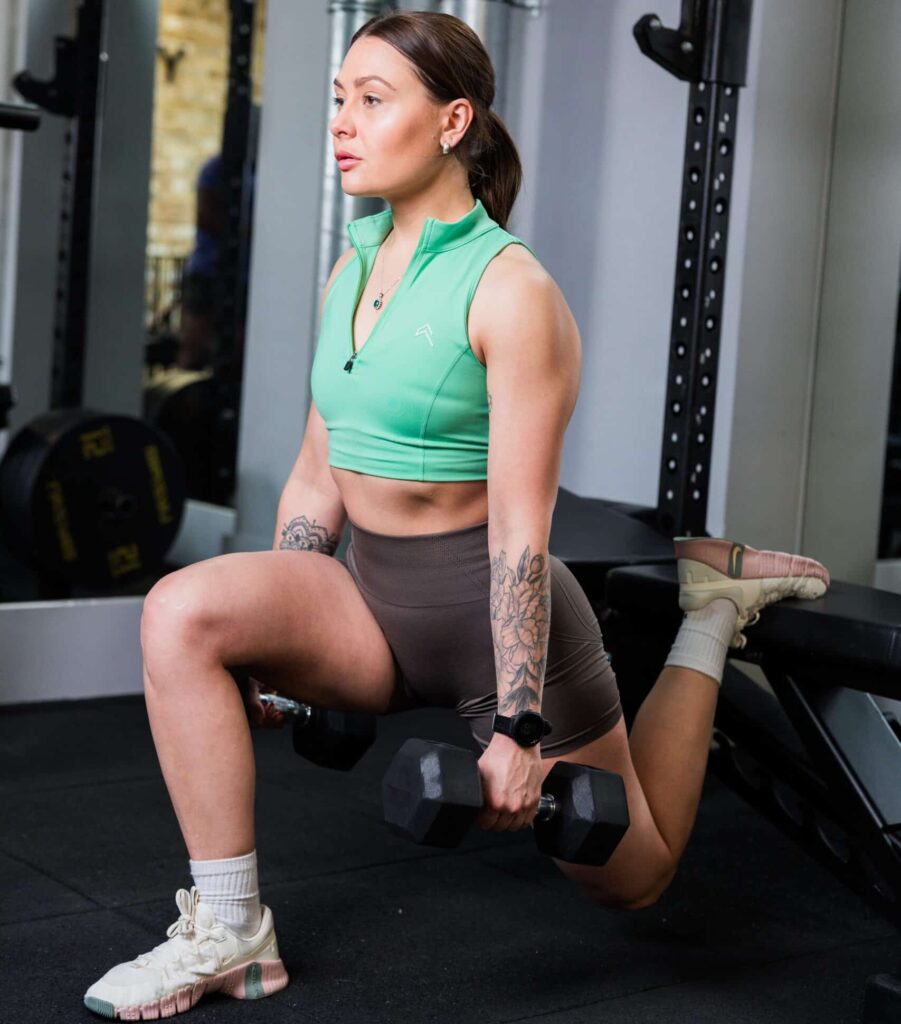
Bulgarian Split Squat 3 sets of 10 to 12 reps each leg Rest 60 seconds between sets
Cable Hip Abduction 3 sets of 15 to 20 reps each leg Rest 45 seconds between sets
Glute Bridge Hold 3 sets of 30 second holds Rest 45 seconds between sets
Workout B: Squat and Deadlift Focus
Barbell Back Squat (or Goblet Squat) 4 sets of 8 to 10 reps Rest 2 minutes between sets
Single Leg Romanian Deadlift 3 sets of 10 to 12 reps each leg Rest 60 seconds between sets
Walking Lunges 3 sets of 12 to 16 steps total Rest 90 seconds between sets
Machine Hip Abduction 3 sets of 15 to 20 reps Rest 45 seconds between sets
Banded Glute Bridge 3 sets of 15 to 20 reps Rest 45 seconds between sets
This programme provides 10 working sets per session, 20 sets per week total. This is within the optimal range for muscle growth according to research from Renaissance Periodization.
Common Mistakes That Kill Glute Growth
In my years of training women, I see the same mistakes repeatedly. Avoid these and you will progress much faster.
Mistake 1: Using Weight That Is Too Light
Many women are afraid of lifting heavy. They stick to light weights and high reps, thinking this will “tone” their glutes without making them “bulky.”
This is not how muscle growth works. To build muscle, you need to challenge it with progressively heavier loads. If you can easily complete 20 reps, the weight is too light to stimulate growth.
Your glutes are strong muscles. They are designed to move your entire body weight and more. Do not be afraid to load up the hip thrust machine or use a heavy barbell. The women with the best glutes I have trained are the ones who lift seriously heavy weights.
Mistake 2: Not Feeling the Glutes Working
If you finish a set and feel the burn primarily in your quadriceps or hamstrings rather than your glutes, you are not getting the full benefit of the exercise.
Mind muscle connection matters. Before each rep, consciously think about squeezing your glutes. At the top of a hip thrust, pause and contract your glutes as hard as possible. During squats, focus on pushing through your heels and driving your hips forward.
If you struggle to feel your glutes, try doing activation exercises before your main workout. Banded glute bridges, clamshells and fire hydrants can help “wake up” your glutes and improve the connection.
Mistake 3: Neglecting Progressive Overload
Doing the same workout with the same weight week after week will not build muscle. Your body adapts to stimulus, so you need to progressively increase the challenge.
This does not mean adding weight every single session. Progressive overload can mean adding one more rep, doing one more set, reducing rest time or improving your form. But over time, you need to be lifting more weight than you were three months ago.
Track your workouts. Write down what you lift each session. If you are not progressing, something needs to change.
Mistake 4: Training Glutes When Exhausted
Many women add glute exercises at the end of a long workout when they are already tired. They do a few half hearted sets of hip thrusts after an hour of other exercises, then wonder why their glutes are not growing.
If glute growth is your priority, train glutes first when you are fresh. Or dedicate specific sessions entirely to glute focused work. The quality of your sets matters more than the quantity.
Mistake 5: Ignoring Nutrition
You cannot build muscle without adequate nutrition. This means eating enough total calories to support growth and consuming enough protein to provide the building blocks for muscle tissue.
Aim for at least 1.6 grams of protein per kilogram of body weight daily. For a 65kg woman, that means roughly 100 grams of protein per day spread across your meals.
If you are eating in a severe calorie deficit, your body will not build new muscle, no matter how hard you train. Building glutes requires eating enough to support growth. This does not mean you need to gain weight, but it does mean you cannot be in a large calorie deficit.
This is the question everyone wants answered. And honestly, it depends.
If you are new to proper glute training, you may notice changes in how your glutes feel within two to four weeks. They will feel firmer and more activated during daily activities. Visible changes typically take longer.
Most of my clients start seeing noticeable visual changes after eight to twelve weeks of consistent training. Significant transformation usually takes six to twelve months. Building muscle is a slow process. Anyone who promises dramatic results in four weeks is not being honest with you.
The good news is that beginners experience the fastest rate of muscle growth. If you have not been training glutes effectively, you have a lot of untapped potential. The first year of proper training often produces the most dramatic results.
Back to Sarah
Remember Sarah from the beginning? After reviewing her training, we made several changes. We added hip thrusts as her primary glute exercise. We included hip abduction work she had been skipping entirely. We increased the weight she was lifting and reduced her rep ranges.
Within three months, her glutes had changed more than in the previous two years of squatting. After six months, she had completely transformed her lower body. The same dedication and consistency she always had, just applied to a smarter approach.
“I wish I had known this years ago,” she told me. “I was working so hard but in the wrong way. Once I understood how to actually target my glutes, everything changed.”
How to Get Started Today
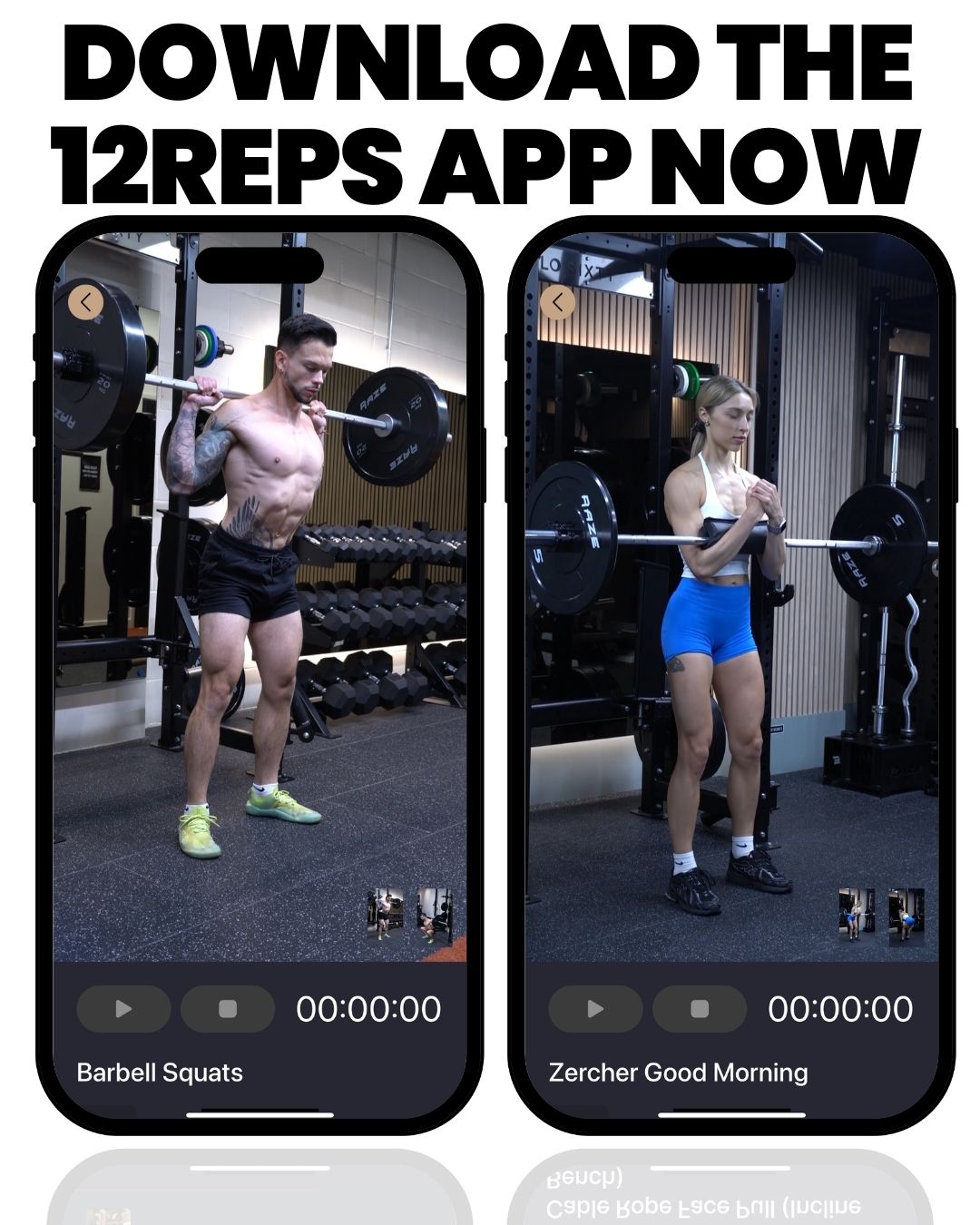
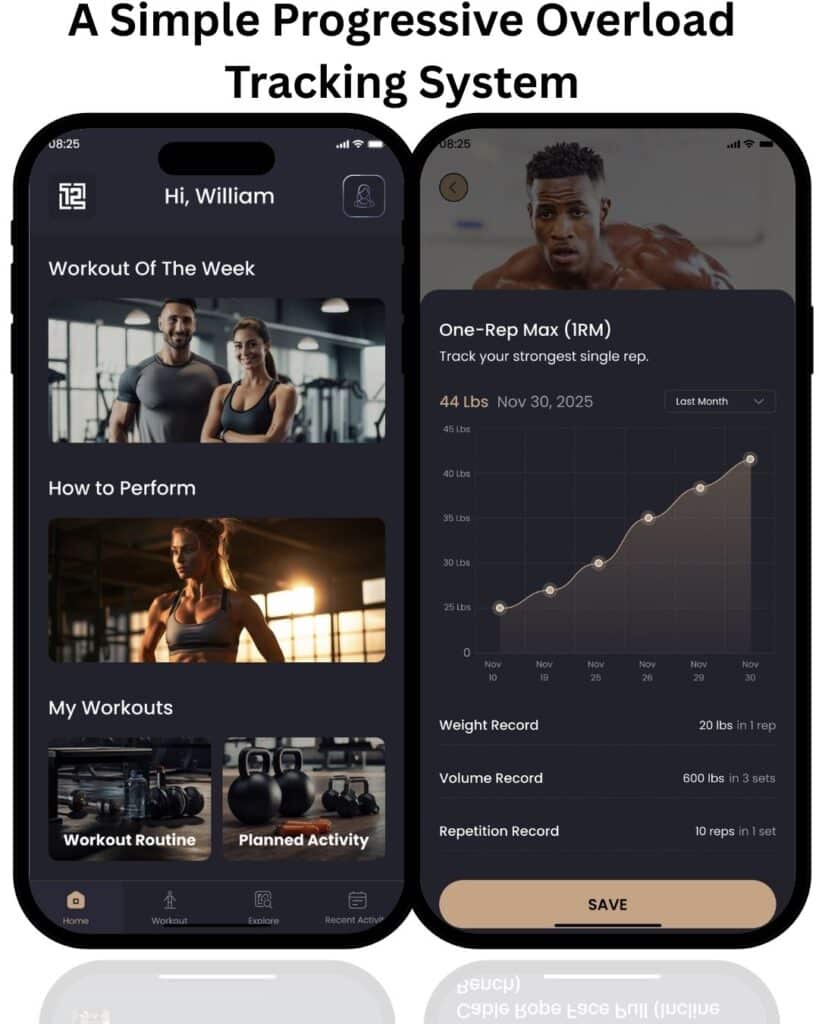
If you want to take the guesswork out of your glute training, the 12REPS app can help. It includes structured programmes designed for glute development with all the exercises demonstrated through video tutorials.
The app tracks your progress automatically and tells you when to increase weight, so you never have to wonder if you are making progress. Whether you train at home or in a gym, the programmes adapt to your available equipment.
You can learn more about the app and start your 7 day free trial DOWNLOAD NOW.
Final Thoughts
Building great glutes is not complicated, but it does require the right approach. Understand your anatomy. Include hip extension, hip abduction and squat patterns. Lift heavy enough to challenge your muscles. Be consistent over months and years, not just weeks.
The women with the best glutes are not doing anything magical. They are doing the basics exceptionally well, with patience and consistency. You can do the same.
Your glutes have enormous potential. The only question is whether you will train them properly.
References
[1] Contreras, B. et al. (2015). A comparison of gluteus maximus, biceps femoris, and vastus lateralis electromyographic activity in the back squat and barbell hip thrust exercises. Journal of Applied Biomechanics. https://pubmed.ncbi.nlm.nih.gov/25622932/
[2] Schoenfeld, B.J. et al. (2016). Effects of Resistance Training Frequency on Measures of Muscle Hypertrophy: A Systematic Review and Meta-Analysis. Sports Medicine. https://pubmed.ncbi.nlm.nih.gov/27102172/
[3] Contreras, B. et al. (2016). Effects of a Six-Week Hip Thrust vs. Front Squat Resistance Training Program on Performance in Adolescent Males. Journal of Strength and Conditioning Research. https://journals.lww.com/nsca-jscr/pages/default.aspx
[4] Neto, W.K. et al. (2020). Gluteus Maximus Activation during Common Strength and Hypertrophy Exercises: A Systematic Review. Journal of Sports Science and Medicine. https://www.jssm.org/
[5] Renaissance Periodization. Hypertrophy Training Guide. https://rpstrength.com/hypertrophy-training-guide-central-hub/
[6] Bret Contreras. The Glute Lab. https://bretcontreras.com/
About the Author: Will Duru holds a BSc (Hons) in Sport and Exercise Science and is an award winning personal trainer with over 10 years of experience specialising in strength training and body transformation. He has helped hundreds of women build stronger, more confident bodies through structured, science based training programmes. Will is the creator of the 12REPS app, designed to bring professional training guidance to everyone.