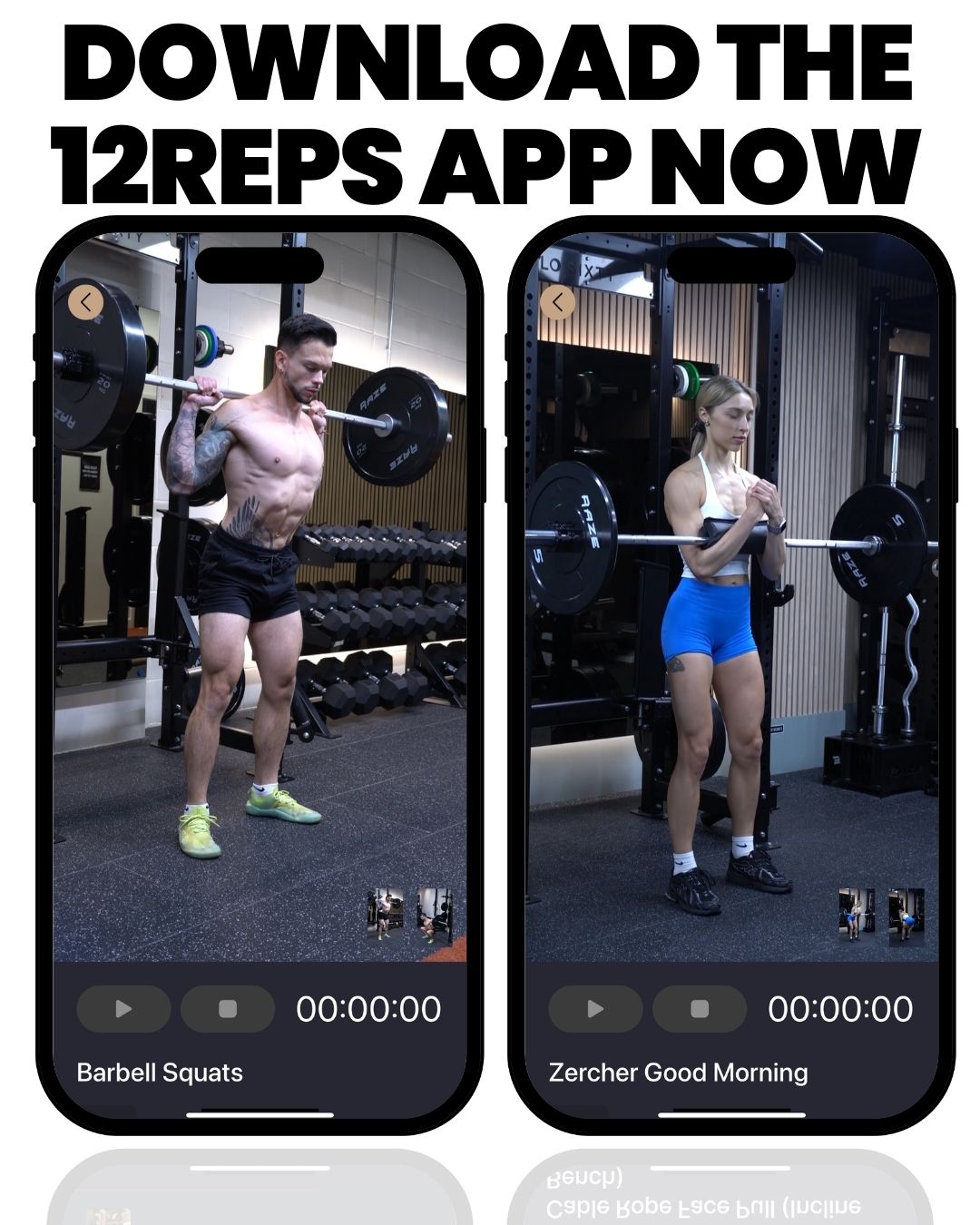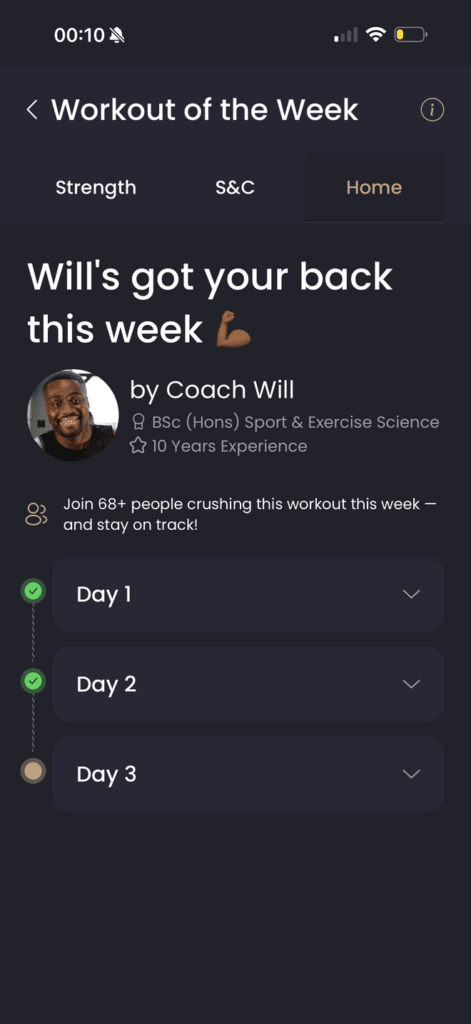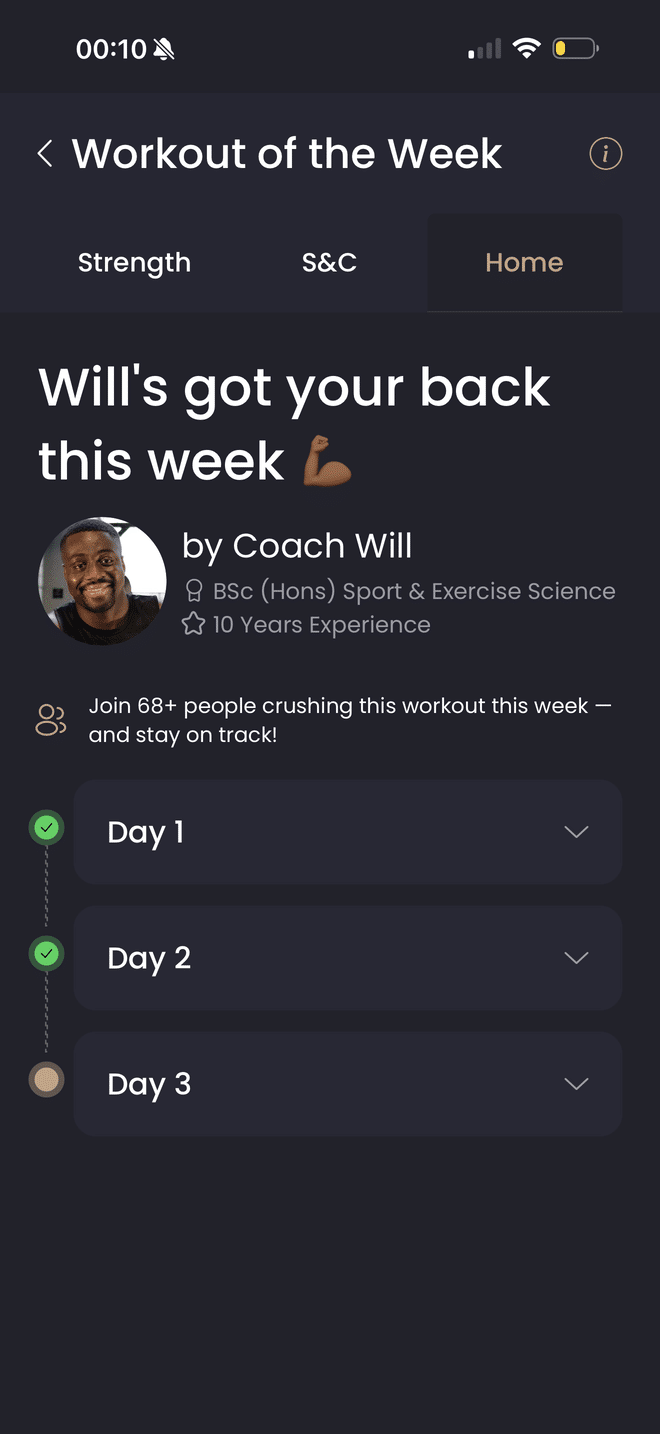


Most fitness apps throw random workouts at you. Today it’s HIIT. Tomorrow it’s yoga. Next week it’s a “7-day ab challenge.” There’s no structure, no progression, no clear path from where you are now to where you want to be.
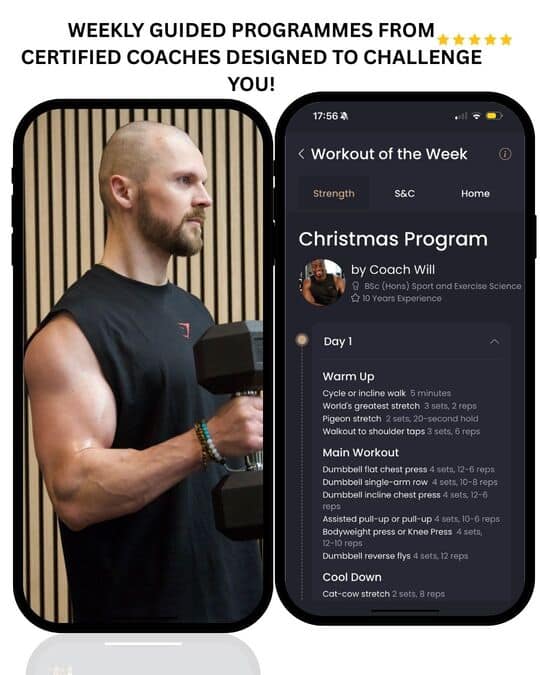
12REPS is different. Every programme follows a clear, science-based philosophy built on three core principles: progressive overload, compound movement prioritisation, and evidence-based programming.
This isn’t trendy. It isn’t flashy. It’s proven methodology that’s worked for decades—applied specifically to women’s strength training goals.
I’m Godswill, founder of 12REPS. When I set out to create a strength training app for women, I studied the research, consulted with expert trainers, and built a platform around principles that actually produce results—not principles that look good in social media marketing.
This article explains the three core principles of 12REPS training, why each principle matters for your results, how these principles are applied in actual programmes, and what makes 12REPS different from other f

Core Principle 1: Progressive Overload
What It Is
Progressive overload is the gradual increase of stress placed on your body during training.
In practice: Systematically increasing weight, reps, sets, or training frequency over time to continually challenge your muscles.
Simple example:
- Week 1: Squat 40kg × 3 sets × 8 reps
- Week 3: Squat 40kg × 3 sets × 10 reps (increased reps)
- Week 5: Squat 42.5kg × 3 sets × 8 reps (increased weight)
- Week 7: Squat 42.5kg × 3 sets × 10 reps (increased reps again)
- Week 9: Squat 45kg × 3 sets × 8 reps (increased weight again)
Over 9 weeks, you’ve gone from squatting 40kg × 8 reps to 45kg × 8 reps—12.5% strength increase—through systematic progression.
Why It’s Essential
According to research published in the Journal of Sports Sciences, progressive overload is the fundamental principle underlying all strength and muscle gains.
The biological reality: Your body adapts to the stresses placed upon it. If you squat 40kg every session for 6 months, your body has no reason to get stronger—it’s already adapted to that stimulus.
To continue progressing: The stimulus must increase. This forces your muscles to adapt by growing stronger and larger.
Without progressive overload: You’ll maintain your current strength level but won’t improve. Many women plateau after 3-6 months because they continue using the same weights week after week.
How 12REPS Implements Progressive Overload
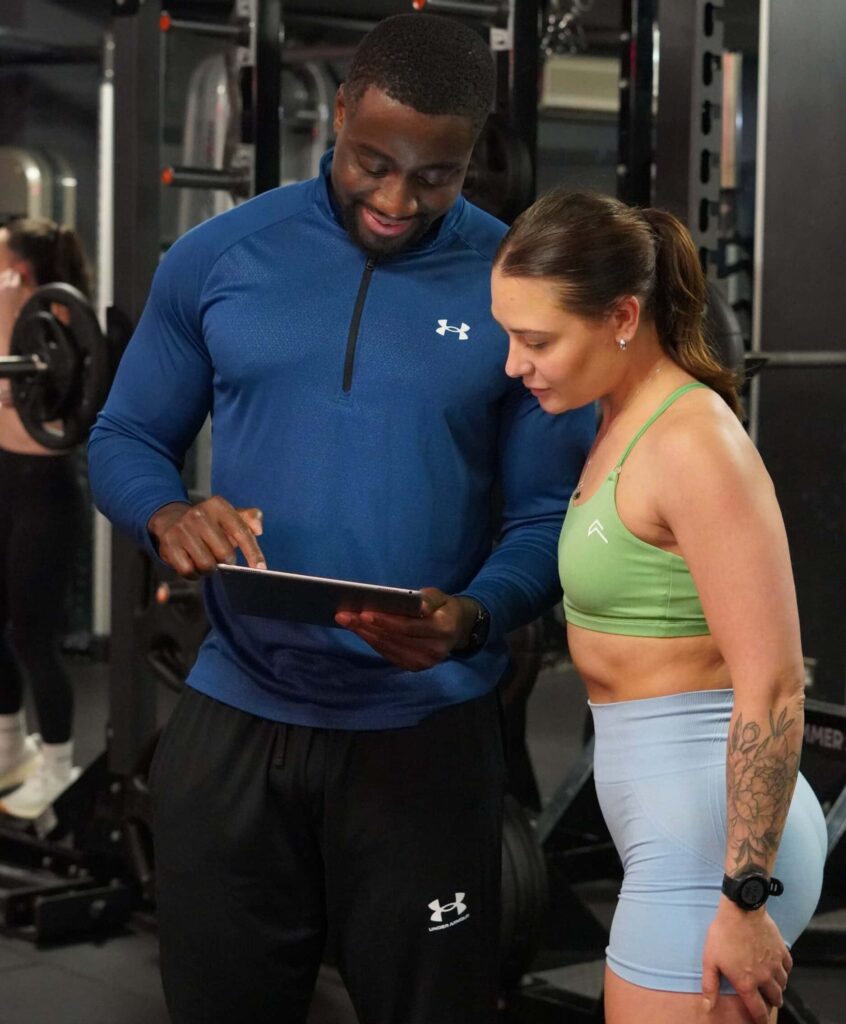
Automatic tracking: 12REPS records every weight, set, and rep you perform.
Progression suggestions: When you complete all target reps with good form, the app suggests increasing weight (typically 2.5kg for lower body, 1-2kg for upper body).
Multiple progression methods:
- Increase weight (most common)
- Increase reps within a range (e.g., 8-12 reps)
- Increase sets (e.g., from 3 to 4 sets)
- Reduce rest periods (advanced)
Built-in deloads: Every 5-8 weeks, volume reduces by 30-40% to allow recovery. After the deload, you return stronger and capable of handling heavier weights.
Example 12-week progression (squats):
Week | Weight | Sets × Reps | Notes |
1-2 | 40kg | 3 × 8 | Learning phase |
3-4 | 40kg | 3 × 10 | Increased reps |
5-6 | 45kg | 3 × 8 | Increased weight, reset reps |
7-8 | 45kg | 3 × 10 | Increased reps again |
9 | 35kg | 2 × 8 | Deload week |
10-11 | 50kg | 3 × 8 | Increased weight post-deload |
12 | 50kg | 3 × 10 | Increased reps |
Result: Structured progression from 40kg to 50kg over 12 weeks—25% strength increase.
Core Principle 2: Compound Movement Prioritisation
What It Is
Compound movements are multi-joint exercises that work multiple muscle groups simultaneously.
Examples:
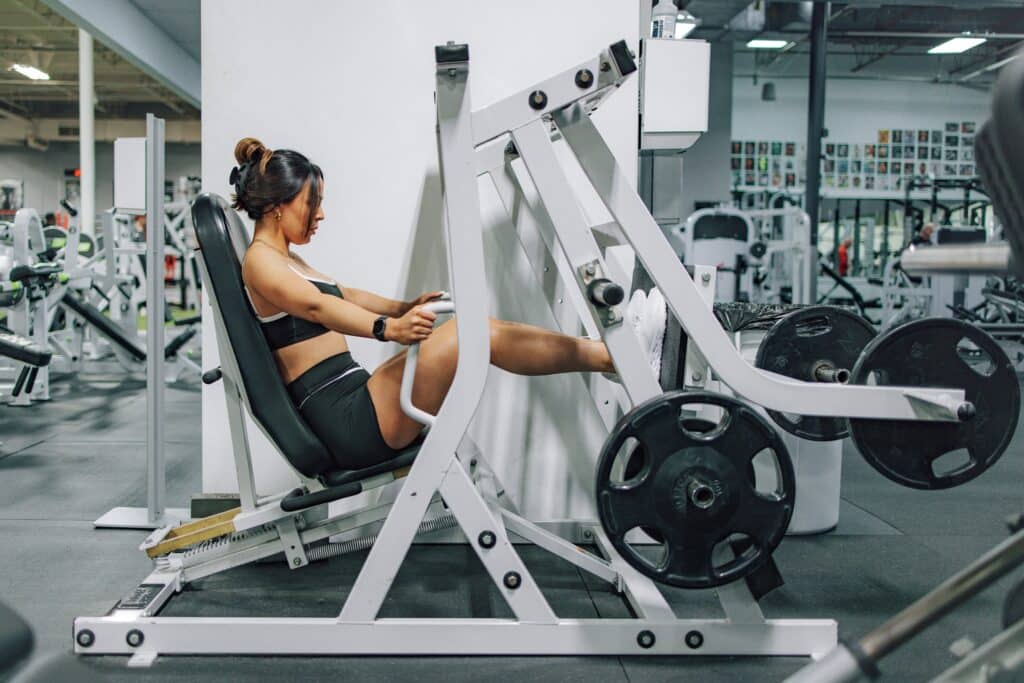
- Squat: Works quads, glutes, hamstrings, core
- Deadlift: Works glutes, hamstrings, back, core, forearms
- Hip thrust: Works glutes, hamstrings, core
- Bench press: Works chest, triceps, shoulders
- Rows: Work back, biceps, rear shoulders
- Overhead press: Works shoulders, triceps, core
Isolation movements (single-joint exercises) work one muscle group:
- Bicep curls (biceps only)
- Leg extensions (quads only)
- Tricep pushdowns (triceps only)
Why Compounds Are Prioritised
According to the American College of Sports Medicine, compound exercises provide superior results for:
1. Overall strength development Working multiple muscles simultaneously allows heavier loading, which builds more strength.
2. Bone density improvement Research shows compound exercises that load the spine and hips (squats, deadlifts) significantly improve bone mineral density—critical for women, especially post-menopause.
3. Calorie burn Compound movements recruit more total muscle mass, burning more calories per session.
4. Functional strength Daily activities (carrying shopping, lifting children, climbing stairs) require multiple muscle groups working together. Compound movements train this coordinated strength.
5. Time efficiency One compound exercise (e.g., squat) works 4-5 muscle groups. Achieving equivalent stimulus with isolation exercises requires 4-5 different exercises—taking 4-5× longer.

How 12REPS Structures Workouts Around Compounds
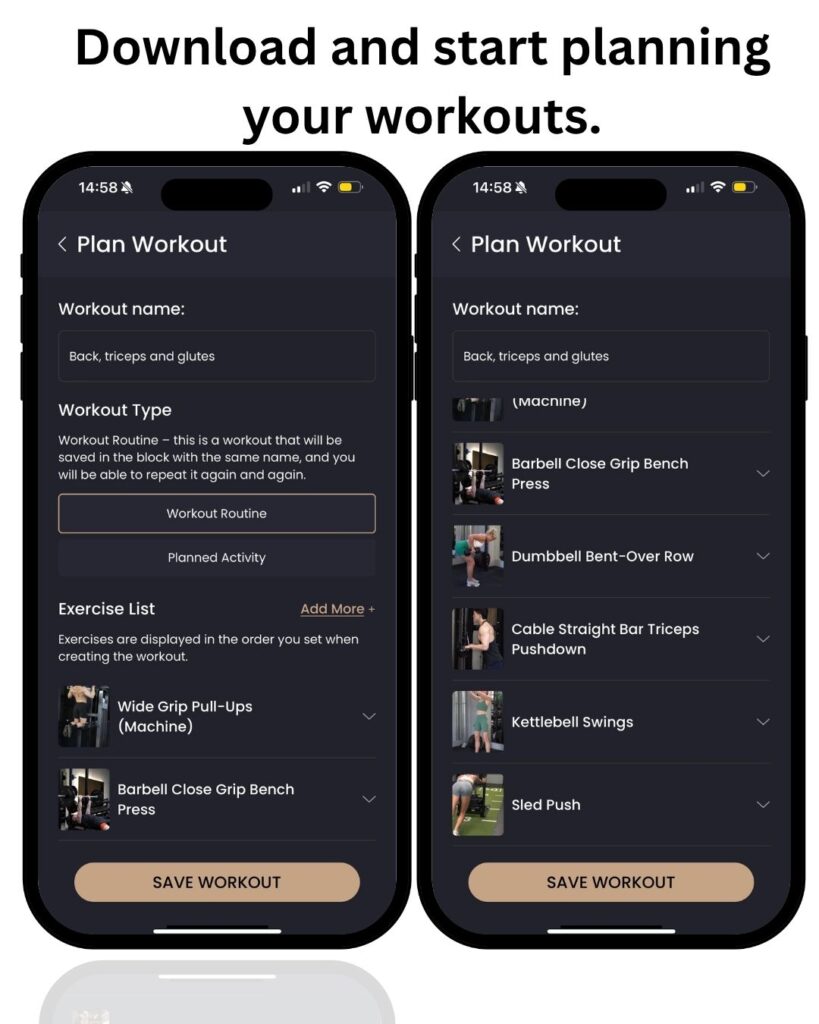
Every programme starts with 1-2 compound lifts:
Example lower body session:
- Barbell squats (compound: quads, glutes, core)
- Romanian deadlifts (compound: glutes, hamstrings, back)
- Bulgarian split squats (compound but lighter: glutes, quads)
- Leg curls (isolation: hamstrings)
- Calf raises (isolation: calves)
Why this order:
- Compounds first when you’re fresh (require most energy and focus)
- Isolation exercises later when fatigue is acceptable
Example upper body session:
- Bench press (compound: chest, triceps, shoulders)
- Bent-over rows (compound: back, biceps)
- Overhead press (compound: shoulders, triceps)
- Lat pulldowns (compound but lighter: back, biceps)
- Bicep curls (isolation: biceps)
- Tricep extensions (isolation: triceps)
Ratio: Approximately 60-70% of total volume comes from compound exercises, 30-40% from isolation work.
Why not 100% compounds? Isolation exercises help address lagging muscle groups, provide variety, and allow targeted work when compounds have created fatigue.
The “Big 4” Compounds in Every 12REPS Programme
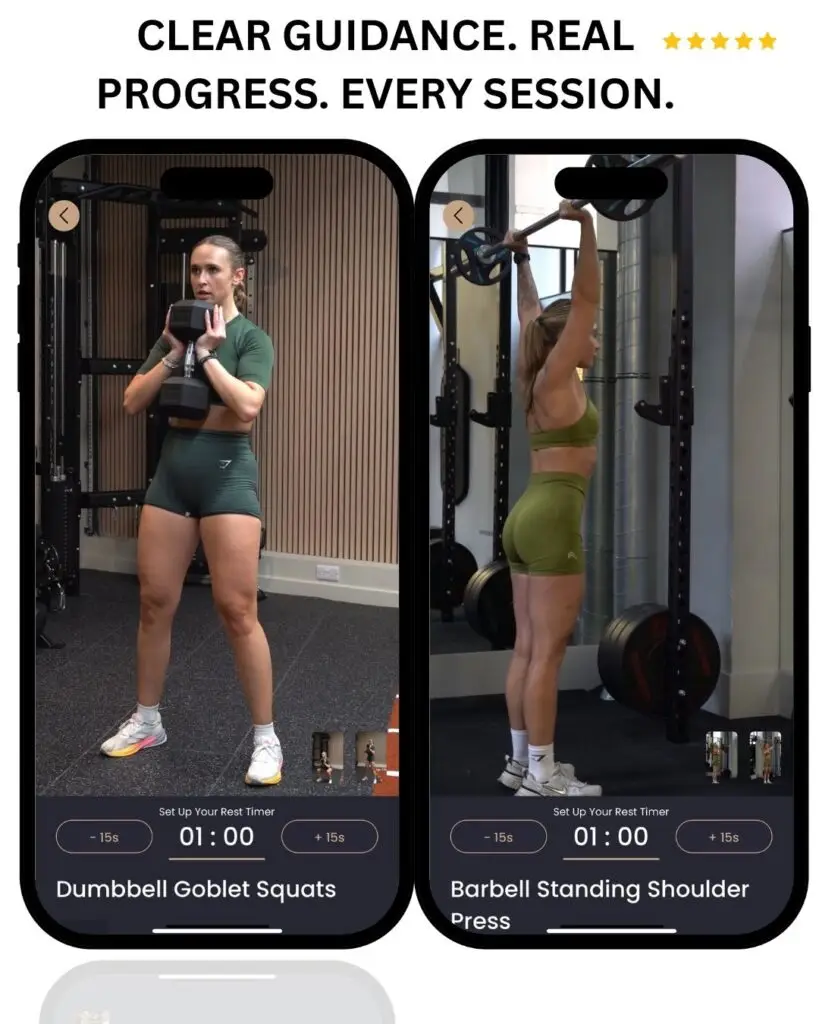
1. Squat variation (barbell back squat, goblet squat, front squat)
- Primary: Quads, glutes
- Secondary: Core, hamstrings
2. Hip hinge variation (deadlift, Romanian deadlift, hip thrust)
- Primary: Glutes, hamstrings
- Secondary: Back, core
3. Horizontal push (bench press, press-ups, dumbbell press)
- Primary: Chest, triceps
- Secondary: Shoulders
4. Horizontal pull (barbell rows, dumbbell rows, cable rows)
- Primary: Back, biceps
- Secondary: Rear shoulders, core
These four movement patterns form the foundation of strength development—everything else is supplementary.
Core Principle 3: Evidence-Based Programming
What It Means
Evidence-based programming uses research-backed principles to structure training, rather than anecdotal methods, trends, or unproven approaches.
Key research-backed principles 12REPS follows:
Principle 3a: Optimal Training Frequency
The research: A 2016 meta-analysis in Sports Medicine found training each muscle group 2-3× weekly produces superior muscle growth compared to once weekly.
Why: Multiple weekly sessions provide more frequent growth stimulus. Muscle protein synthesis elevates for 24-48 hours post-training—training the same muscle again 2-3 days later capitalises on this.
How 12REPS applies this:
3-day full body: Each muscle group trained 3× weekly
- Monday: Full body (chest, back, legs, shoulders)
- Wednesday: Full body (chest, back, legs, shoulders)
- Friday: Full body (chest, back, legs, shoulders)
4-day upper/lower: Each muscle group trained 2× weekly
- Monday: Lower body (glutes, quads, hamstrings, calves)
- Tuesday: Upper body (chest, back, shoulders, arms)
- Thursday: Lower body
- Friday: Upper body
2-day full body: Each muscle group trained 2× weekly
- Monday: Full body
- Thursday: Full body
Result: Every programme ensures minimum 2× weekly frequency per muscle group—optimising growth stimulus.
Principle 3b: Optimal Training Volume
The research: A 2017 systematic review in the Journal of Sports Sciences found:
- 10-20 sets per muscle group weekly is optimal for muscle growth in trained individuals
- Below 10 sets = suboptimal growth
- Above 20 sets = diminishing returns, increased recovery demands
How 12REPS applies this:
Example weekly volume (intermediate programme):
- Quads: 12-16 sets (squats, lunges, leg press, leg extensions across 2-3 sessions)
- Glutes: 14-18 sets (hip thrusts, squats, deadlifts, lunges across 2-3 sessions)
- Back: 12-16 sets (rows, lat pulldowns, deadlifts across 2-3 sessions)
- Chest: 10-14 sets (bench press, press-ups, incline press across 2-3 sessions)
Why this matters: Sufficient volume to stimulate growth without excessive volume that impairs recovery.
Progression over time:
- Beginner programmes: 8-12 sets per muscle weekly
- Intermediate: 12-16 sets per muscle weekly
- Advanced: 16-20 sets per muscle weekly
How 12REPS applies this:
Common mistakes:
- Setting bench too upright (reduces stretch—45-60 degrees optimal)
- Not lowering to full stretch position
Starting weight: 4-6kg (lighter than standing curls due to stretched position)
Example weekly volume (intermediate programme):
- Quads: 12-16 sets (squats, lunges, leg press, leg extensions across 2-3 sessions)
- Glutes: 14-18 sets (hip thrusts, squats, deadlifts, lunges across 2-3 sessions)
- Back: 12-16 sets (rows, lat pulldowns, deadlifts across 2-3 sessions)
- Chest: 10-14 sets (bench press, press-ups, incline press across 2-3 sessions)
Why this matters: Sufficient volume to stimulate growth without excessive volume that impairs recovery.
Progression over time:
- Beginner programmes: 8-12 sets per muscle weekly
- Intermediate: 12-16 sets per muscle weekly
- Advanced: 16-20 sets per muscle weekly
Principle 3c: Appropriate Intensity
The research: Studies show muscle growth occurs across a range of loads (from 30% to 90%+ of 1RM), but heavier loads (6-12 rep range, 70-85% 1RM) build both strength and size most efficiently.
How 12REPS applies this:
Primary rep ranges:
- Strength focus: 4-6 reps (heavier weight)
- Hypertrophy focus: 8-12 reps (moderate-heavy weight)
- Muscular endurance: 12-15 reps (moderate weight)
Most 12REPS programmes emphasise 8-12 reps because this range:
- Builds significant muscle (hypertrophy)
- Builds significant strength
- Manageable technique demands (easier to maintain form than 4-6 rep sets)
- Sustainable long-term (less joint stress than constant heavy 4-6 rep work)
Example set/rep scheme (squats):
- Set 1: 50kg × 10 reps
- Set 2: 50kg × 9 reps
- Set 3: 50kg × 8 reps
Progression: When all 3 sets achieve 10 reps, increase to 52.5kg and work back up from 8-10 reps.
Principle 3d: Periodisation and Recovery
The research: Studies demonstrate that planned deload weeks (reduced volume/intensity) improve long-term progress by allowing accumulated fatigue to dissipate whilst maintaining muscle mass and strength.
How 12REPS implements periodisation:
Deload frequency: Every 5-8 weeks depending on programme intensity
Deload structure:
- Reduce volume by 30-40% (fewer sets)
- Maintain intensity (same weights)
- Focus on technique refinement
Example deload week:
Normal week (squats):
- 4 sets × 8-10 reps @ 50kg
Deload week (squats):
- 2 sets × 8 reps @ 50kg
Why this matters: Prevents overtraining, reduces injury risk, allows nervous system recovery, positions you to make bigger strength jumps post-deload.
Long-term programming cycles:
Weeks 1-4: Accumulation phase (building volume) Weeks 5-8: Intensification phase (heavier weights, slightly lower reps) Week 9: Deload week Weeks 10-13: New cycle with increased baseline weights
What Makes 12REPS Different From Other Fitness Apps
Difference 1: Structured Progression vs Random Workouts
Most apps: Generate new “challenging” workouts daily. Today is legs. Tomorrow is HIIT. Next day is a “booty burner.”
Problem: No systematic progression. You might squat 40kg one week, not squat again for 10 days, then squat 35kg because you’ve forgotten what you lifted last time. No progressive overload = no progress.
12REPS: Every session builds on the previous one. This week’s squat weight is determined by last week’s performance. Structured 8-12 week programmes ensure progression.
Difference 2: Evidence-Based Volume vs Excessive Volume
Many apps: Pile on volume assuming more = better. You end up doing 30+ sets per muscle weekly.
Problem: Exceeds optimal volume, impairs recovery, increases injury risk, unsustainable long-term.
12REPS: Programmes deliver 10-16 sets per muscle weekly (intermediate level)—sufficient for growth, sustainable for recovery.
Difference 3: Compound Focus vs Isolation Overload
Some apps: Excessive focus on isolation exercises (endless bicep curls, tricep extensions, leg extensions).
Problem: Time-inefficient, suboptimal strength development, doesn’t build functional capacity.
12REPS: 60-70% of volume from compounds (squats, deadlifts, presses, rows), supplemented with strategic isolation work.
Difference 4: Realistic Time Commitment vs Marathon Sessions
Influencer programmes: 90-120 minute workouts, 5-6 days weekly.
Problem: Unsustainable for anyone with work, family, or life commitments. Leads to burnout and quitting.
12REPS: 30-45 minute sessions, 2-4 days weekly. Efficient programming delivers results without dominating your schedule.
Difference 5: Built-In Periodisation vs Constant High Intensity
Many apps: Every workout is maximum intensity, no planned recovery.
Problem: Accumulated fatigue leads to plateau, increased injury risk, burnout.
12REPS: Structured deload weeks every 5-8 weeks, varying intensity across training cycles, sustainable long-term.
The Bottom Line
12REPS isn’t built on trends, influencer marketing, or flashy workout challenges. It’s built on three evidence-based principles that have produced results for decades:
1. Progressive overload
✅ Systematic increase in weight, reps, or sets over time
✅ Automatic tracking and progression suggestions
✅ Multiple progression methods (weight, reps, sets)
✅ Built-in deloads every 5-8 weeks
2. Compound movement prioritisation
✅ 60-70% of volume from multi-joint exercises
✅ Every programme includes squat, hip hinge, horizontal push, horizontal pull
✅ Builds maximum strength, bone density, and functional capacity
✅ Time-efficient (one compound replaces 3-4 isolation exercises)
3. Evidence-based programming
✅ 2-3× weekly frequency per muscle group (optimal for growth)
✅ 10-20 sets per muscle weekly (optimal volume range)
✅ 8-12 rep range emphasis (builds strength + muscle efficiently)
✅ Structured periodisation with deload weeks
What this produces:
✅ Consistent strength progression (not plateaus after 12 weeks)
✅ Muscle development (following principles proven to build muscle)
✅ Injury prevention (appropriate volume, built-in recovery)
✅ Long-term sustainability (30-45 min sessions, 2-4 days weekly)
The result: Programmes that produce results because they follow principles that have worked for decades—not because they’re trendy or look good on Instagram.
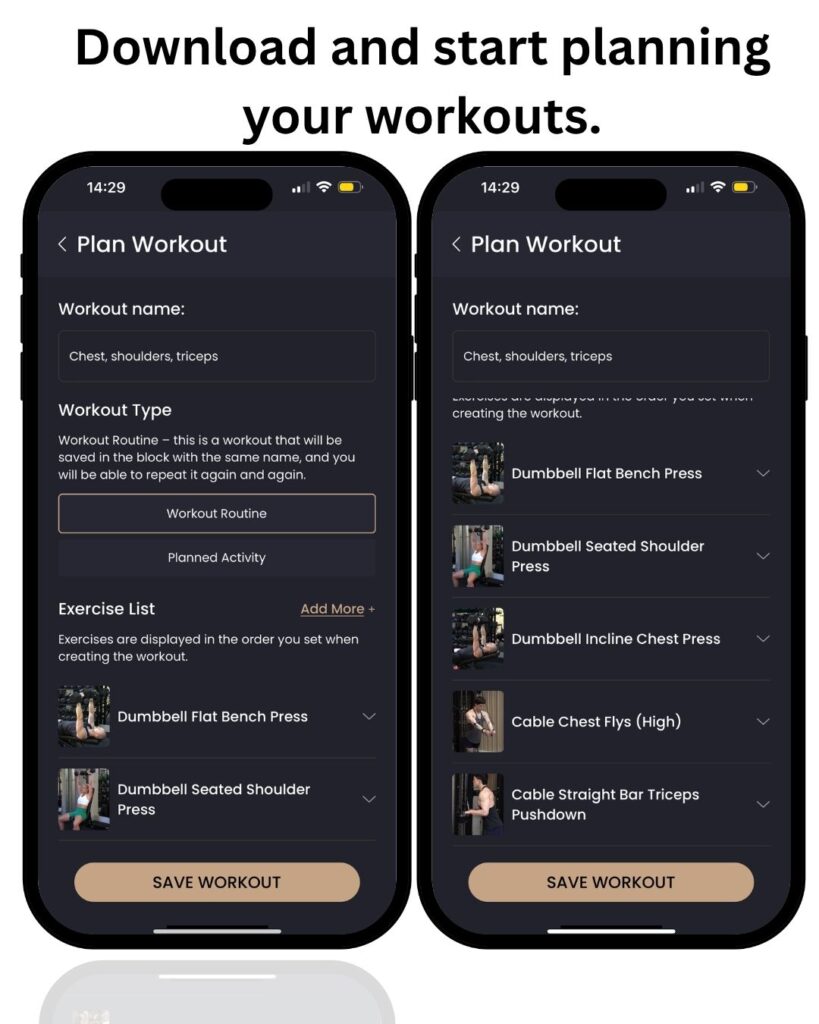
Try 12REPS free for 7 days. Experience the difference between structured, progressive, evidence-based training and random daily workouts.
Your strength journey deserves a clear path from point A to point B—not a chaotic collection of unrelated workouts.
Progressive overload. Compound movements. Evidence-based programming. Simple principles. Proven results.