


Resistance training for older adults helps you keep the strength you need for everyday life, from climbing stairs to carrying shopping. Trials show it improves strength and physical function. Exercise programs that include balance work also reduce falls.
Resistance training, also called strength training, means making your muscles work against a load. That load can be your body weight, a resistance band, a dumbbell or a machine.
What Is Sarcopenia?
Sarcopenia is the age-related loss of muscle mass, strength and function. Some decline happens as everyone ages, even without disease. The NSCA position statement on resistance training for older adults explains that these losses lower your physical resilience and make you more vulnerable to serious health events.
Inactivity can speed up the decline. When daily tasks start to feel harder, people often move less, and the cycle continues.
The NSCA says resistance training can counter muscle disuse and reduce these losses. It lists benefits for mobility, independence and quality of life.
Why Strength Matters for Daily Function
Independence depends on everyday movements. You need leg strength to stand up from a chair, grip strength to open a jar and whole-body strength to carry groceries.
A Cochrane review of 121 trials with 6,700 older adults looked at progressive resistance training. This means you slowly increase the load as you get stronger. The review found:
- Large gains in muscle strength.
- Moderate to large improvements in rising from a chair.
- A small improvement in walking speed.
- Small improvements in overall physical function, including some daily tasks such as bathing and preparing a meal.
Strength Training and Falls
Falls can take away your confidence and your independence. A 2019 Cochrane review found that exercise programs reduced the rate of falls in people over 60 by about 23%. They also reduced the number of people who fell by about 15%.
The type of exercise matters:
- Balance and functional exercises had high-certainty evidence of fewer falls. Functional exercises copy daily movements, such as standing up and stepping.
- Programs mixing several types, usually balance and functional work plus resistance training, also appeared to help. That evidence was less certain.
- Resistance training on its own had uncertain evidence for reducing falls.
The takeaway: for fall risk, pair strength training with balance work. The NHS recommends that adults aged 65 and over do activities that improve strength, balance and flexibility on at least 2 days a week.
Exercises That Match Everyday Tasks
Choose movements that copy what you do in daily life. Here are five to build around.
Squats or Sit-to-Stands
Squats build the leg strength you use to get out of a chair or a car. Start by standing up from a chair and sitting back down with control. Our goblet squat guide shows how to add a weight once bodyweight squats feel steady.
Step-Ups
Step-ups help with stairs and curbs. Start with a low step and hold a rail if you need to.
Carries
Walking while you hold weights at your sides trains your grip, core and upper back for carrying shopping. Learn the technique in our farmer’s carry guide.
Rows
Rows strengthen your upper back and arms for pulling open heavy doors and lifting objects toward you.
Wall or Bench Push-Ups
Pushing exercises build the strength you use to push yourself up from a bed or the floor. A wall or bench makes them easier to start.
How Much Do You Need?
The World Health Organization recommends muscle-strengthening activities for the major muscle groups on 2 or more days a week. Older adults with poor mobility should also do balance activities on 3 or more days a week.
The NHS also suggests being active every day, even if it is only light activity. Strength work can include lifting weights, resistance bands, bodyweight exercises, heavy gardening and carrying heavy shopping.
Is It Safe to Start Later in Life?
Trials suggest serious problems are rare. In the Cochrane review of resistance training, none of the serious events were directly linked to the exercise programs. Joint pain and muscle soreness were more common.
The review also noted that side effects were not always well reported. Start light, focus on good form and progress slowly. If you have not exercised for some time, or you have a health condition or take medication, speak to your doctor first.
For a step-by-step plan, read our safe guide to strength training after 60.
Strength Is Worth Building at Any Age
Resistance training will not stop aging. What it can do is help you keep the strength, balance and confidence that make daily life easier.
For the bigger picture, see our guide to strength training for longevity. You can also read about strength training and brain health and muscle strength and mortality.
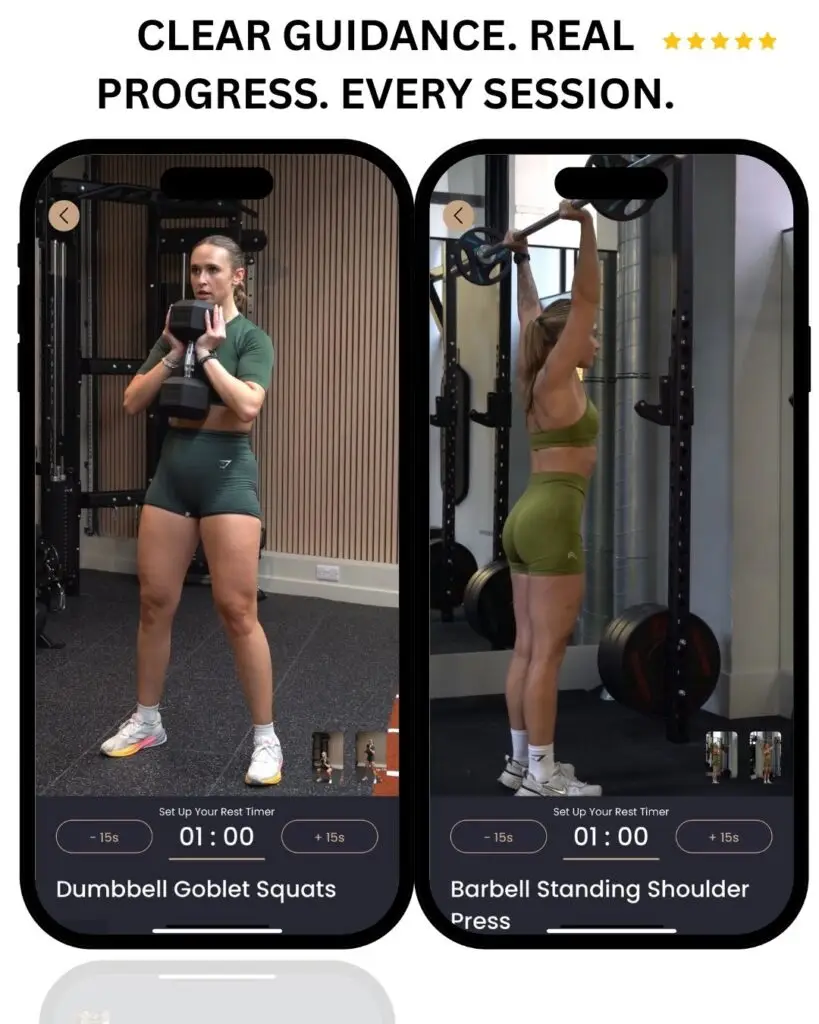
If you would like guidance, the 12REPS app sets out a plan for your goal, your equipment and your time. Every exercise comes with a trainer demonstration, and the app records each set so you can see your strength improve.
Sources
- Resistance Training for Older Adults: Position Statement From the National Strength and Conditioning Association. Journal of Strength and Conditioning Research, 2019. https://scholarworks.utep.edu/kines_papers/60
- Progressive resistance strength training for improving physical function in older adults. Cochrane Database of Systematic Reviews, 2009. https://www.cochrane.org/evidence/CD002759.progressive-resistance-strength-training-improving-physical-function-older-adults
- Exercise for preventing falls in older people living in the community (Cochrane review summary). Cochrane, 2019. https://www.cochrane.org/news/new-cochrane-review-assesses-benefits-and-harms-exercise-preventing-falls-older-people-living
- Physical activity guidelines for older adults. NHS, 2024. https://www.nhs.uk/live-well/exercise/physical-activity-guidelines-older-adults/
- Physical activity (Be He@lthy, Be Mobile initiative). World Health Organization, accessed 2026. https://who.int/initiatives/behealthy/physical-activity