



By Will Duru, BSc (Hons) Sport and Exercise Science, Award-winning Personal Trainer with over 10 years of experience in strength training and optimising recovery
I’m Will Duru, and I’ve spent over 10 years helping people build stronger bodies. Runners often come to me after something has already gone wrong: tight hips, sore knees, recurring calf pain, or that same injury that disappears for two weeks and then comes back. The pattern is usually the same. They are fit enough to run, but not strong enough to handle the repeated impact of running.
Most runners don’t need to be convinced that strength training matters. They already know. Their physio has said it. Their coach has mentioned it. They have read it in running articles. But they still avoid it because they think lifting weights will make them bulky, slow, or too sore to run. I understand that mindset. But strength training is not bodybuilding. For runners, strength training is body armour.
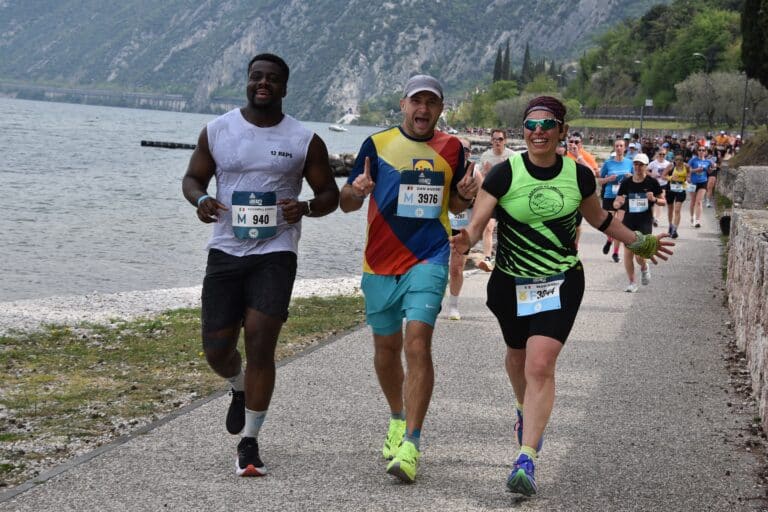
I learned this myself when I ran the Lake Garda Half Marathon at 115kg of lean muscle. At my size, people might assume distance running would be a problem. But strength training helped me build the resilience, joint control, and muscular endurance to handle the distance without injuries. That experience proved something important to me: running is not just about being light. It is about having a body strong enough to absorb impact and keep moving well.
Every time you run, you are landing on one leg and asking your body to absorb force. Do that thousands of times in one session, week after week, and your weak links start to show. Your calves may be strong, but what about your glutes, hamstrings, hips, core, and upper back? If those areas cannot do their job, your body finds another way to move. That is when small problems become injuries.
This is where strength training changes the game. It teaches your body to absorb force, produce force, and stay stable when fatigue kicks in. Stronger glutes help drive your stride. Stronger hamstrings support speed and control. A stronger core helps you hold posture when your form starts to drop. Stronger legs help you run with more confidence, especially on hills, long runs, and race day.
The mistake is thinking strength training has to compete with running. It should support it. You do not need five heavy gym sessions a week. You need the right exercises, placed at the right time, with enough progression to make your body adapt without ruining your runs.
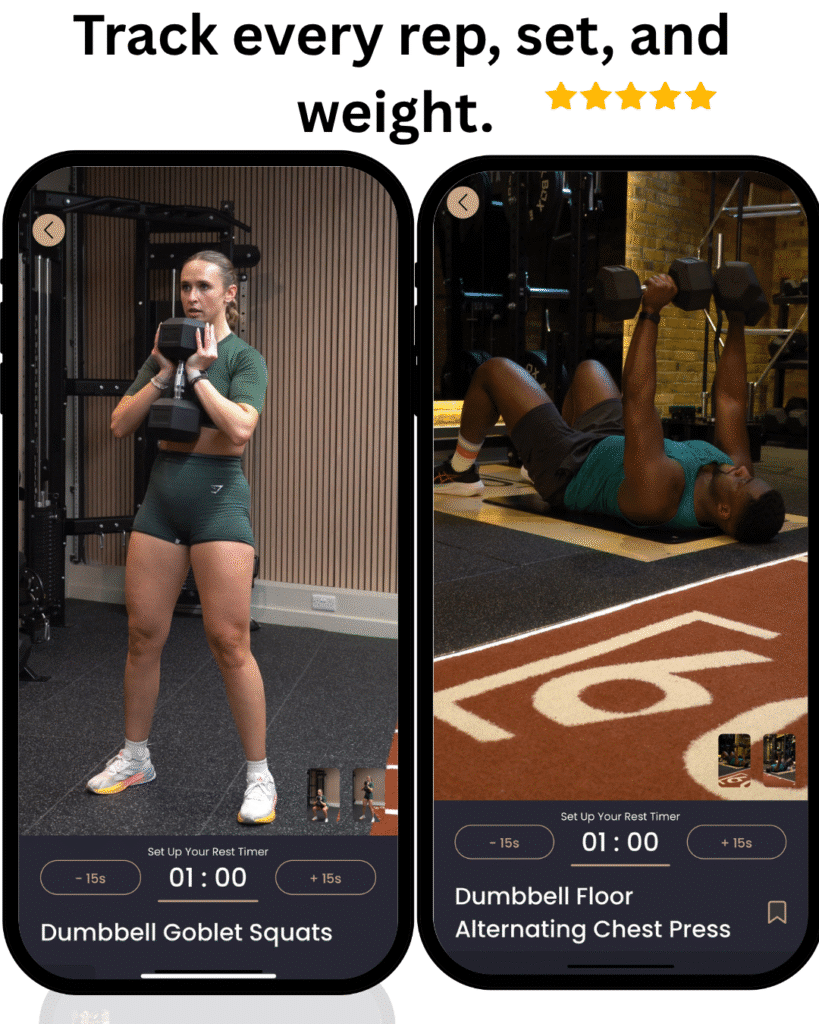
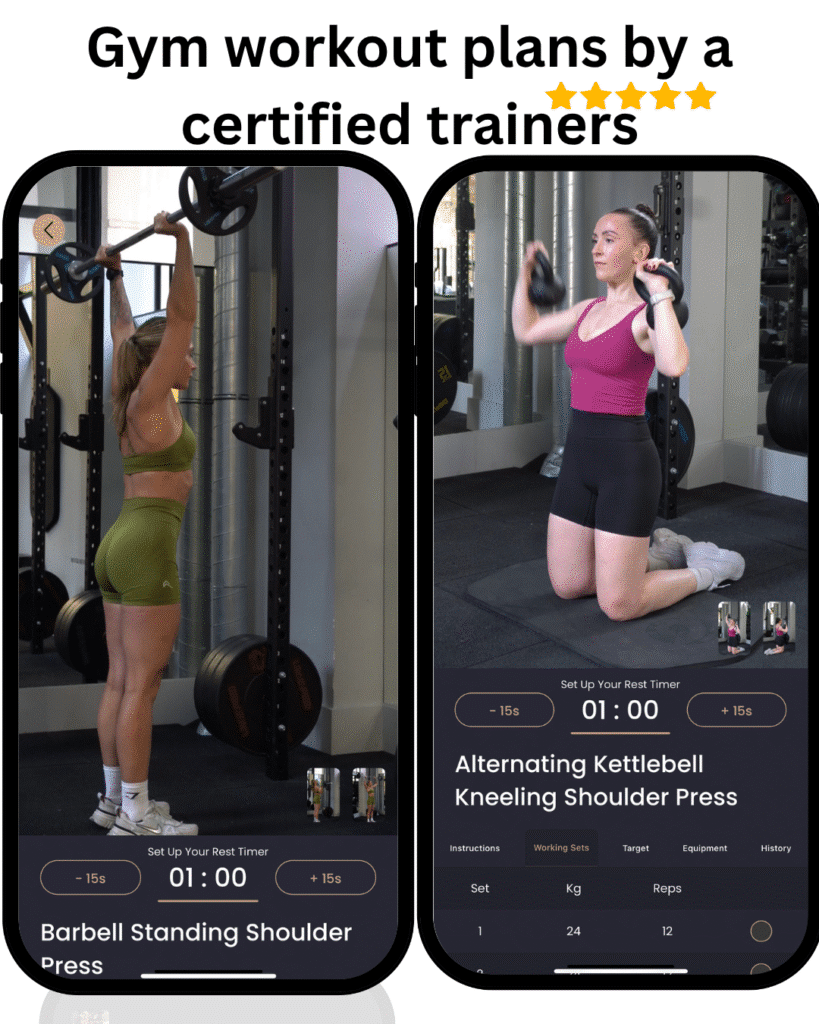
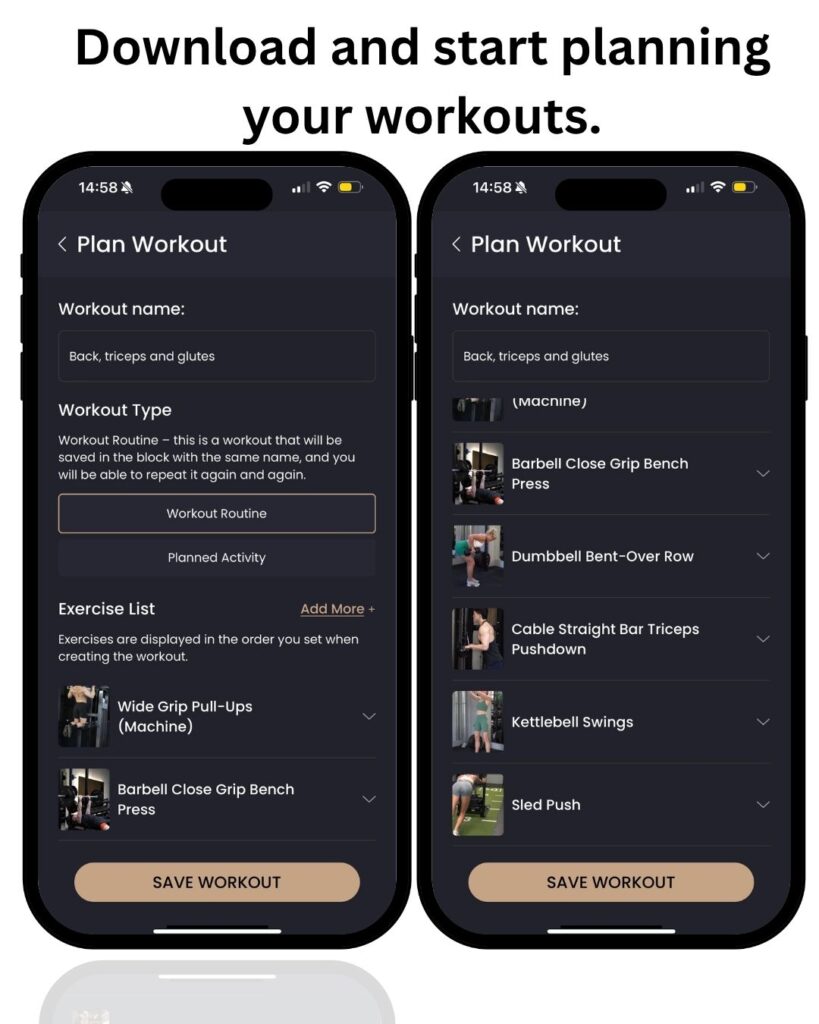
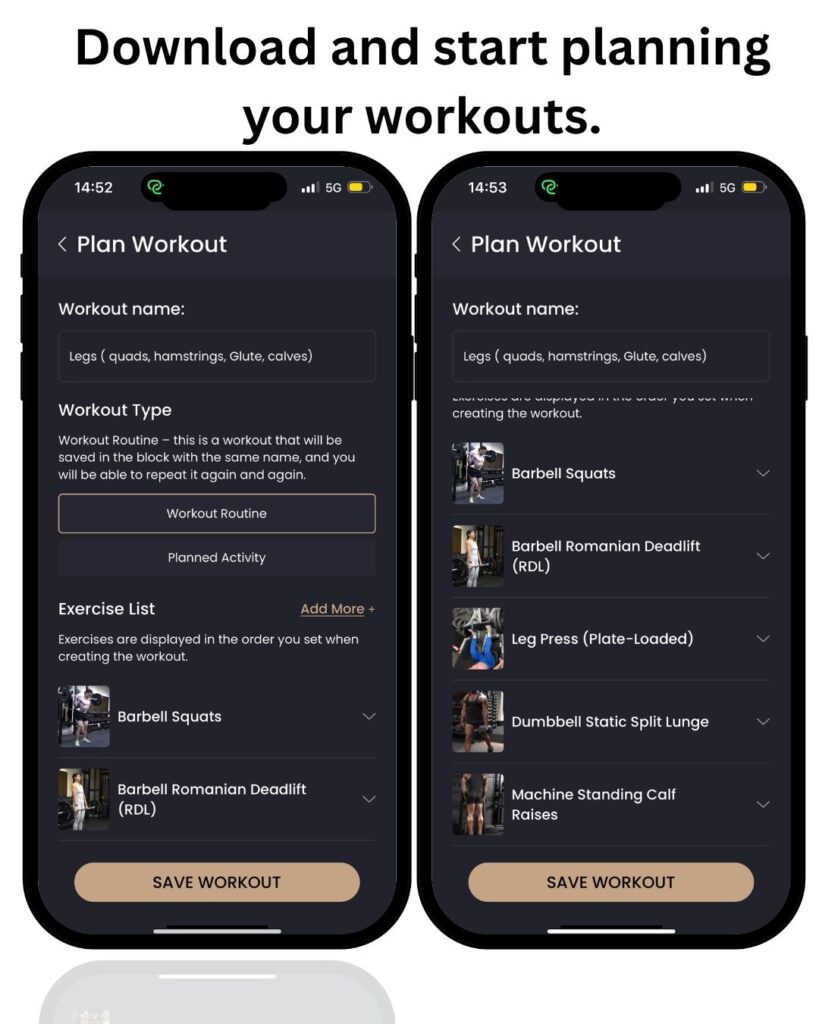
That is why I use the 12REPS app. It helps you follow structured strength workouts, track your sets and reps, and build routines that make sense for your running goals. No random exercises. No guessing. Just a clear way to build the strength your running depends on.
Running builds your engine. Strength training builds the body that carries it.
How Strength Training Makes You Faster
This is the part that gets runners really excited. You might think that adding muscle will slow you down, but that’s totally wrong. Here’s what actually happens when runners start lifting weights:
I’ve seen this happen so many times with my clients. They start doing squats, deadlifts, and core work, and within a few weeks, they’re hitting personal records they never thought possible. It’s like unlocking a secret level in a video game.
Injury Prevention: The Real Game Changer {#injury-prevention}
Okay, this is where strength training really shines. Running injuries are super common. In fact, studies show that up to 79% of runners get injured every year [2]. That’s crazy! But here’s the good news: most of these injuries can be prevented with proper strength training.
The most common running injuries include runner’s knee, shin splints, IT band syndrome, and plantar fasciitis. All these injuries share a commonality, they occur due to muscle imbalances and weaknesses. Let me break down how strength training prevents each of these:
But here’s the really cool part, strength training doesn’t just prevent specific injuries. It makes your entire body more resilient. Strong muscles, bones, and connective tissues can handle more stress before they break down. It’s like upgrading your body’s armour.
Research shows that runners who do hip and core strengthening exercises have 39% fewer injuries than those who don’t [2]. That’s huge! Imagine being able to run consistently without constantly dealing with aches and pains. That’s what strength training can do for you.

The Longevity Factor: Living Longer and Better {#longevity}
Now we’re getting to the really important stuff. Strength training doesn’t just make you a better runner – it literally helps you live longer and have a better quality of life. This isn’t just my opinion; this is backed by serious scientific research.
A massive study from Harvard looked at over 115,000 people aged 65 and older [3]. They found that people who did strength training at least twice a week had a significantly lower risk of dying from any cause. However, here’s the kicker: when they combined strength training with regular cardio exercise (such as running), the risk of dying dropped by 30% [3].
Think about that for a second. Simply adding weightlifting to your running routine could potentially add years to your life. That’s incredible!
But it’s not just about living longer – it’s about living better. As we get older, we naturally lose muscle mass and bone density. This process, called sarcopenia, starts in our 30s and accelerates as we age. Without intervention, we can lose up to 8% of our muscle mass per decade after age 30.
This muscle loss leads to a range of problems, including an increased risk of falls, difficulty with daily activities such as carrying groceries or playing with grandchildren, and a general decline in quality of life. But strength training completely reverses this process. It builds muscle, increases bone density, and keeps you strong and independent as you age.
I’ve worked with clients in their 65s and 70s who are stronger and more active than people half their age, all because they’ve been consistent with their strength training. They’re out there hiking, playing with their grandchildren, and living life to the fullest instead of sitting on the sidelines.
Quality Time with Family: The Hidden Benefit {#family-time}
This might be the most important part of the entire article, and it’s something that doesn’t get discussed enough. When you’re strong and healthy, you can truly enjoy time with your family, rather than being limited by pain and weakness.
I can’t tell you how many clients have shared stories about being able to play with their kids again, go on family hikes, or help their spouse with yard work without injuring their back. These might seem like small things, but they’re actually huge when it comes to quality of life.
When you’re constantly dealing with running injuries or general aches and pains, it affects everything you do. You can’t pick up your toddler without your back hurting. You can’t go on that family camping trip because your knees are bothering you. You miss out on activities because you’re always worried about getting hurt.
But when you’re strong, all of that changes. You become the person who can help others instead of needing help. You can be active and engaged, rather than sitting on the sidelines. You can create memories with your family instead of missing out because of physical limitations.
I’ve witnessed this transformation countless times, and it never grows old. There’s nothing more rewarding than seeing someone transform from being limited by their body to being empowered by their strength.

12-Week Push/Pull/Legs and Core Training Plan for Runners
This 12-week strength training program is specifically designed for runners who want to improve their performance, prevent injuries, and build functional strength using the 12Reps app. The program follows a push/pull/legs-and-core split, training 3 times per week with limited equipment, including dumbbells, TRX, kettlebells, and gym machines.
Program Phases
Phase 1 (Weeks 1-4): Foundation Building
Phase 2 (Weeks 5-8): Strength Development
Phase 3 (Weeks 9-12): Power and Performance
PHASE 1: FOUNDATION BUILDING (Weeks 1-4)
Week 1-2 Workout Schedule
Exercise | Equipment | Sets | Reps | Weight/Resistance | Rest Period |
Dumbbell Chest Press | Dumbbells | 4 | 10-12 | Start with 60% 1RM | 60-90 seconds |
Dumbbell Shoulder Press | Dumbbells | 4 | 10-12 | Start with 60% 1RM | 60-90 seconds |
TRX Push-ups | TRX | 4 | 10-12 | Body weight | 45-60 seconds |
Dumbbell Tricep Extensions | Dumbbells | 4 | 10-12 | Light-moderate | 45-60 seconds |
Kettlebell Overhead Press | Kettlebell | 4 | 10-12 | Moderate | 60 seconds |
Plank Hold | Body weight | 4 | 30-45 sec | Body weight | 30 seconds |
Dead Bug | Body weight | 4 | 10-12 each side | Body weight | 30 seconds |
Russian Twists | Kettlebell | 4 | 10-12 each side | Light kettlebell | 30 seconds |
Day 2: Pull + Core
Exercise | Equipment | Sets | Reps | Weight/Resistance | Rest Period |
TRX Rows | TRX | 4 | 10-12 | Body weight | 60-90 seconds |
Dumbbell Bent-Over Rows | Dumbbells | 4 | 10-12 | Start with 60% 1RM | 60-90 seconds |
Lat Pulldown Machine | Machine | 4 | 10-12 | Moderate | 60-90 seconds |
Dumbbell Bicep Curls | Dumbbells | 4 | 10-12 | Light-moderate | 45-60 seconds |
Kettlebell High Pulls | Kettlebell | 4 | 10-12 | Moderate | 60 seconds |
Bird Dog | Body weight | 4 | 10-12 each side | Body weight | 30 seconds |
Side Plank | Body weight | 4 | 20-30 sec each side | Body weight | 30 seconds |
Pallof Press | TRX/Cable | 4 | 10-12 each side | Light resistance | 30 seconds |
Day 3: Legs + Core
Exercise | Equipment | Sets | Reps | Weight/Resistance | Rest Period |
Dumbbell Goblet Squats | Dumbbell | 4 | 10-12 | Moderate | 90 seconds |
TRX Pistol Squats (Assisted) | TRX | 4 | 10-12 each leg | Body weight | 60 seconds |
Dumbbell Romanian Deadlifts | Dumbbells | 4 | 10-12 | Start with 60% 1RM | 90 seconds |
Dumbbell Lunges | Dumbbells | 4 | 10-12 each leg | Light-moderate | 60 seconds |
Kettlebell Swings | Kettlebell | 4 | 10-12 | Moderate | 60 seconds |
Single-Leg Glute Bridges | Body weight | 4 | 10-12 each leg | Body weight | 45 seconds |
Calf Raises | Dumbbells | 4 | 10-12 | Light-moderate | 45 seconds |
Mountain Climbers | Body weight | 4 | 10-12 each leg | Body weight | 30 seconds |
Week 3-4 Workout Schedule
Day 1: Push + Core
Exercise | Equipment | Sets | Reps | Weight/Resistance | Rest Period |
Dumbbell Incline Press | Dumbbells | 4 | 10-12 | Increase 5-10% from weeks 1-2 | 60-90 seconds |
Dumbbell Arnold Press | Dumbbells | 4 | 10-12 | Increase 5-10% from weeks 1-2 | 60-90 seconds |
TRX Chest Fly | TRX | 4 | 10-12 | Body weight | 45-60 seconds |
Dumbbell Overhead Tricep Press | Dumbbells | 4 | 10-12 | Light-moderate | 45-60 seconds |
Kettlebell Push Press | Kettlebell | 4 | 10-12 | Moderate-heavy | 60 seconds |
Plank to Push-up | Body weight | 4 | 10-12 | Body weight | 30 seconds |
Bicycle Crunches | Body weight | 4 | 10-12 each side | Body weight | 30 seconds |
Kettlebell Windmills | Kettlebell | 4 | 10-12 each side | Light kettlebell | 30 seconds |
Day 2: Pull + Core
Exercise | Equipment | Sets | Reps | Weight/Resistance | Rest Period |
TRX Inverted Rows | TRX | 4 | 10-12 | Body weight | 60-90 seconds |
Dumbbell Single-Arm Rows | Dumbbells | 4 | 10-12 each arm | Increase 5-10% from weeks 1-2 | 60-90 seconds |
Cable/Machine Seated Rows | Machine | 4 | 10-12 | Moderate-heavy | 60-90 seconds |
Dumbbell Hammer Curls | Dumbbells | 4 | 10-12 | Light-moderate | 45-60 seconds |
Kettlebell Upright Rows | Kettlebell | 4 | 10-12 | Moderate | 60 seconds |
Superman | Body weight | 4 | 10-12 | Body weight | 30 seconds |
Side Plank with Leg Lifts | Body weight | 4 | 10-12 each side | Body weight | 30 seconds |
TRX Anti-Rotation | TRX | 4 | 10-12 each side | Body weight | 30 seconds |
Day 3: Legs + Core
Exercise | Equipment | Sets | Reps | Weight/Resistance | Rest Period |
Dumbbell Front Squats | Dumbbells | 4 | 10-12 | Increase 5-10% from weeks 1-2 | 90 seconds |
TRX Single-Leg Squats | TRX | 4 | 10-12 each leg | Body weight | 60 seconds |
Dumbbell Stiff-Leg Deadlifts | Dumbbells | 4 | 10-12 | Increase 5-10% from weeks 1-2 | 90 seconds |
Dumbbell Reverse Lunges | Dumbbells | 4 | 10-12 each leg | Light-moderate | 60 seconds |
Kettlebell Goblet Squats | Kettlebell | 4 | 10-12 | Moderate-heavy | 60 seconds |
Single-Leg Hip Thrusts | Body weight | 4 | 10-12 each leg | Body weight | 45 seconds |
Single-Leg Calf Raises | Dumbbells | 4 | 10-12 each leg | Light-moderate | 45 seconds |
Burpees | Body weight | 4 | 10-12 | Body weight | 30 seconds |
PHASE 2: STRENGTH DEVELOPMENT (Weeks 5-8)
Week 5-6 Workout Schedule
Day 1: Push + Core
Exercise | Equipment | Sets | Reps | Weight/Resistance | Rest Period |
Dumbbell Bench Press | Dumbbells | 4 | 10-12 | 70-75% 1RM | 90-120 seconds |
Dumbbell Military Press | Dumbbells | 4 | 10-12 | 70-75% 1RM | 90 seconds |
TRX Atomic Push-ups | TRX | 4 | 10-12 | Body weight | 60 seconds |
Dumbbell Close-Grip Press | Dumbbells | 4 | 10-12 | Moderate | 60 seconds |
Kettlebell Clean and Press | Kettlebell | 4 | 10-12 | Moderate-heavy | 90 seconds |
Plank with Shoulder Taps | Body weight | 4 | 10-12 each side | Body weight | 45 seconds |
V-Ups | Body weight | 4 | 10-12 | Body weight | 45 seconds |
Turkish Get-Up (Half) | Kettlebell | 4 | 10-12 each side | Light-moderate | 60 seconds |
Day 2: Pull + Core
Exercise | Equipment | Sets | Reps | Weight/Resistance | Rest Period |
TRX Body Rows (Feet Elevated) | TRX | 4 | 10-12 | Body weight | 90 seconds |
Dumbbell Chest-Supported Rows | Dumbbells | 4 | 10-12 | 70-75% 1RM | 90 seconds |
Lat Pulldown (Wide Grip) | Machine | 4 | 10-12 | Moderate-heavy | 90 seconds |
Dumbbell 21s (Bicep Curls) | Dumbbells | 4 | 21 total | Light-moderate | 60 seconds |
Kettlebell Snatches | Kettlebell | 4 | 10-12 each arm | Moderate | 90 seconds |
Hollow Body Hold | Body weight | 4 | 20-30 seconds | Body weight | 45 seconds |
Russian Twists (Weighted) | Kettlebell | 4 | 10-12 each side | Moderate kettlebell | 45 seconds |
TRX Pike | TRX | 4 | 10-12 | Body weight | 45 seconds |
Day 3: Legs + Core
Exercise | Equipment | Sets | Reps | Weight/Resistance | Rest Period |
Dumbbell Bulgarian Split Squats | Dumbbells | 4 | 10-12 each leg | Moderate | 90 seconds |
TRX Jump Squats | TRX | 4 | 10-12 | Body weight | 60 seconds |
Dumbbell Sumo Deadlifts | Dumbbells | 4 | 10-12 | 70-75% 1RM | 120 seconds |
Dumbbell Walking Lunges | Dumbbells | 4 | 10-12 each leg | Moderate | 90 seconds |
Kettlebell Single-Leg Deadlifts | Kettlebell | 4 | 10-12 each leg | Moderate | 60 seconds |
Hip Thrusts (Weighted) | Dumbbell | 4 | 10-12 | Moderate | 60 seconds |
Jump Squats | Body weight | 4 | 10-12 | Body weight | 45 seconds |
Leg Raises | Body weight | 4 | 10-12 | Body weight | 45 seconds |
Week 7-8 Workout Schedule
Day 1: Push + Core
Exercise | Equipment | Sets | Reps | Weight/Resistance | Rest Period |
Dumbbell Decline Press | Dumbbells | 4 | 10-12 | Increase 5% from weeks 5-6 | 90-120 seconds |
Dumbbell Push Press | Dumbbells | 4 | 10-12 | Increase 5% from weeks 5-6 | 90 seconds |
TRX Tricep Press | TRX | 4 | 10-12 | Body weight | 60 seconds |
Dumbbell Skull Crushers | Dumbbells | 4 | 10-12 | Moderate | 60 seconds |
Kettlebell Bottoms-Up Press | Kettlebell | 4 | 10-12 each arm | Light-moderate | 90 seconds |
Bear Crawl | Body weight | 4 | 10-12 steps | Body weight | 45 seconds |
Dead Bug (Weighted) | Light dumbbell | 4 | 10-12 each side | Light weight | 45 seconds |
Farmer’s Walk | Kettlebells | 4 | 20-30 steps | Heavy | 60 seconds |
Day 2: Pull + Core
Exercise | Equipment | Sets | Reps | Weight/Resistance | Rest Period |
TRX Y-Pulls | TRX | 4 | 10-12 | Body weight | 90 seconds |
Dumbbell Renegade Rows | Dumbbells | 4 | 10-12 each arm | Moderate | 90 seconds |
Cable/Machine Reverse Fly | Machine | 4 | 10-12 | Moderate | 60 seconds |
Dumbbell Concentration Curls | Dumbbells | 4 | 10-12 each arm | Light-moderate | 60 seconds |
Kettlebell Clean | Kettlebell | 4 | 10-12 each arm | Moderate-heavy | 90 seconds |
L-Sit Hold | Body weight | 4 | 10-20 seconds | Body weight | 45 seconds |
Oblique Crunches | Body weight | 4 | 10-12 each side | Body weight | 45 seconds |
TRX Mountain Climbers | TRX | 4 | 10-12 each leg | Body weight | 45 seconds |
Day 3: Legs + Core
Exercise | Equipment | Sets | Reps | Weight/Resistance | Rest Period |
Dumbbell Overhead Squats | Dumbbells | 4 | 10-12 | Light-moderate | 90 seconds |
TRX Curtsy Lunges | TRX | 4 | 10-12 each leg | Body weight | 60 seconds |
Dumbbell Single-Leg RDL | Dumbbells | 4 | 10-12 each leg | Moderate | 90 seconds |
Dumbbell Lateral Lunges | Dumbbells | 4 | 10-12 each leg | Moderate | 60 seconds |
Kettlebell Turkish Get-Up | Kettlebell | 4 | 10-12 each side | Light-moderate | 120 seconds |
Single-Leg Hip Thrusts (Weighted) | Dumbbell | 4 | 10-12 each leg | Light-moderate | 60 seconds |
Box Step-Ups | Dumbbells | 4 | 10-12 each leg | Light-moderate | 60 seconds |
Hanging Knee Raises | Body weight | 4 | 10-12 | Body weight | 45 seconds |
PHASE 3: POWER AND PERFORMANCE (Weeks 9-12)
Week 9-10 Workout Schedule
Day 1: Push + Core
Exercise | Equipment | Sets | Reps | Weight/Resistance | Rest Period |
Dumbbell Explosive Press | Dumbbells | 4 | 10-12 | 75-80% 1RM | 120 seconds |
Dumbbell Thruster | Dumbbells | 4 | 10-12 | Moderate-heavy | 90 seconds |
TRX Power Push-ups | TRX | 4 | 10-12 | Body weight | 60 seconds |
Dumbbell Floor Press | Dumbbells | 4 | 10-12 | Heavy | 90 seconds |
Kettlebell Jerk | Kettlebell | 4 | 10-12 each arm | Moderate-heavy | 120 seconds |
Plank Up-Downs | Body weight | 4 | 10-12 | Body weight | 45 seconds |
Medicine Ball Slams | Kettlebell | 4 | 10-12 | Heavy | 60 seconds |
Turkish Get-Up (Full) | Kettlebell | 4 | 10-12 each side | Moderate | 90 seconds |
Day 2: Pull + Core
Exercise | Equipment | Sets | Reps | Weight/Resistance | Rest Period |
TRX Power Pulls | TRX | 4 | 10-12 | Body weight | 90 seconds |
Dumbbell Explosive Rows | Dumbbells | 4 | 10-12 | 75-80% 1RM | 120 seconds |
Lat Pulldown (Explosive) | Machine | 4 | 10-12 | Heavy | 90 seconds |
Dumbbell Zottman Curls | Dumbbells | 4 | 10-12 | Moderate | 60 seconds |
Kettlebell High Pull to Squat | Kettlebell | 4 | 10-12 | Heavy | 120 seconds |
Dragon Flag (Negatives) | Body weight | 4 | 10-12 | Body weight | 60 seconds |
Weighted Russian Twists | Kettlebell | 4 | 10-12 each side | Heavy | 45 seconds |
TRX Knee Tucks | TRX | 4 | 10-12 | Body weight | 45 seconds |
Day 3: Legs + Core
Exercise | Equipment | Sets | Reps | Weight/Resistance | Rest Period |
Dumbbell Jump Squats | Dumbbells | 4 | 10-12 | Light-moderate | 90 seconds |
TRX Explosive Squats | TRX | 4 | 10-12 | Body weight | 60 seconds |
Dumbbell Deficit Deadlifts | Dumbbells | 4 | 10-12 | 75-80% 1RM | 120 seconds |
Dumbbell Jump Lunges | Dumbbells | 4 | 10-12 each leg | Light | 90 seconds |
Kettlebell Swing to Squat | Kettlebell | 4 | 10-12 | Heavy | 90 seconds |
Single-Leg Bounds | Body weight | 4 | 10-12 each leg | Body weight | 60 seconds |
Depth Jumps | Body weight | 4 | 10-12 | Body weight | 90 seconds |
Toes to Bar | Body weight | 4 | 10-12 | Body weight | 60 seconds |
Week 11-12 Workout Schedule
Day 1: Push + Core
Exercise | Equipment | Sets | Reps | Weight/Resistance | Rest Period |
Dumbbell Speed Press | Dumbbells | 4 | 10-12 | Peak intensity | 120 seconds |
Dumbbell Push Jerk | Dumbbells | 4 | 10-12 | Peak intensity | 120 seconds |
TRX Plyometric Push-ups | TRX | 4 | 10-12 | Body weight | 90 seconds |
Dumbbell Single-Arm Press | Dumbbells | 4 | 10-12 each arm | Heavy | 90 seconds |
Kettlebell Double Clean & Press | Kettlebells | 4 | 10-12 | Heavy | 120 seconds |
Burpee to Tuck Jump | Body weight | 4 | 10-12 | Body weight | 60 seconds |
Weighted Sit-Ups | Dumbbell | 4 | 10-12 | Moderate | 45 seconds |
Suitcase Carry | Kettlebell | 4 | 20-30 steps each side | Heavy | 60 seconds |
Day 2: Pull + Core
Exercise | Equipment | Sets | Reps | Weight/Resistance | Rest Period |
TRX Explosive Rows | TRX | 4 | 10-12 | Body weight | 120 seconds |
Dumbbell Bent-Over Row (Explosive) | Dumbbells | 4 | 10-12 | Peak intensity | 120 seconds |
Weighted Pull-ups/Lat Pulldown | Machine/Body weight | 4 | 10-12 | Heavy | 120 seconds |
Dumbbell Alternating Curls | Dumbbells | 4 | 10-12 each arm | Moderate-heavy | 60 seconds |
Kettlebell Snatch Complex | Kettlebell | 4 | 10-12 each arm | Heavy | 120 seconds |
Hanging L-Sit | Body weight | 4 | 10-20 seconds | Body weight | 60 seconds |
Windshield Wipers | Body weight | 4 | 10-12 each side | Body weight | 60 seconds |
TRX Atomic Push-ups | TRX | 4 | 10-12 | Body weight | 60 seconds |
Day 3: Legs + Core
Exercise | Equipment | Sets | Reps | Weight/Resistance | Rest Period |
Dumbbell Squat to Press | Dumbbells | 4 | 10-12 | Peak intensity | 120 seconds |
TRX Single-Leg Squat Jumps | TRX | 4 | 10-12 each leg | Body weight | 90 seconds |
Dumbbell Deadlift to High Pull | Dumbbells | 4 | 10-12 | Heavy | 120 seconds |
Dumbbell Reverse Lunge to Knee Drive | Dumbbells | 4 | 10-12 each leg | Moderate | 90 seconds |
Kettlebell Complex (Swing-Clean-Press) | Kettlebell | 4 | 10-12 | Heavy | 120 seconds |
Broad Jumps | Body weight | 4 | 10-12 | Body weight | 90 seconds |
Single-Leg Box Jumps | Body weight | 4 | 10-12 each leg | Body weight | 90 seconds |
V-Ups to Pike | Body weight | 4 | 10-12 | Body weight | 45 seconds |
Making It Work with Your Running Schedule
I know what you’re thinking: “Will, this sounds great, but I’m already running 4-5 times per week. How am I supposed to fit in strength training, too?” This is a common concern, and I completely understand. But here’s the thing, you don’t need to choose between running and strength training. You can do both, and they actually complement each other perfectly.
The key is smart scheduling. I recommend doing your strength training on your easy run days or rest days. This way, you’re not trying to do a hard strength workout right after a tough speed session. Your body needs time to recover and adapt.
Here’s a sample weekly schedule that works really well:
The strength workouts are designed to take about 45-60 minutes, which is totally manageable. And remember, you’re only doing this three times per week, not every day.
Another important thing to remember is that strength training can aid in your recovery from running. The increased blood flow and movement help flush out metabolic waste products and reduce muscle soreness. Many of my clients find that they actually feel better on days when they do both running and strength training.

Conclusion
We’ve covered a lot of ground in this guide, but it all comes down to this: strength training isn’t optional for runners who want to perform their best and stay healthy. It’s an essential part of a complete training program.
The research is clear: runners who engage in strength training run faster, experience fewer injuries, and live longer, healthier lives [1][2][3]. They’re able to enjoy quality time with their families without being limited by pain or weakness. They’re more resilient, more confident, and more capable in all areas of life.
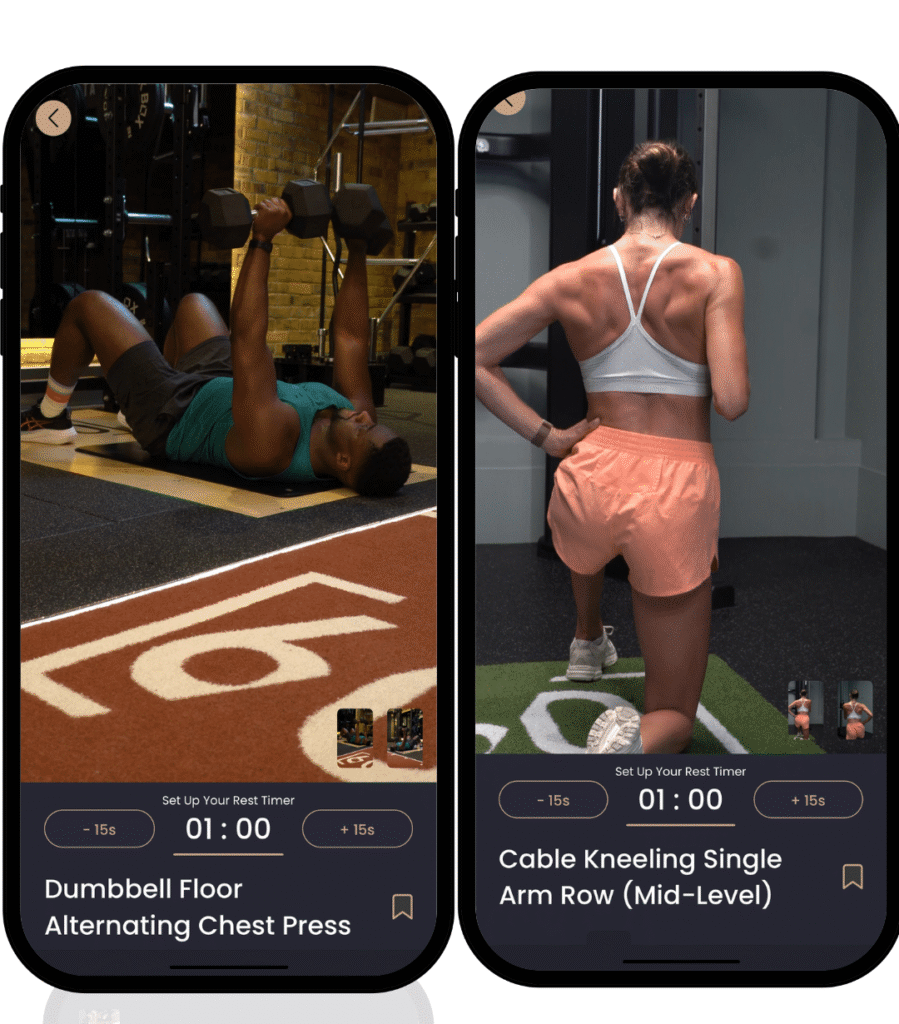
The 12Reps app makes it easier than ever to get started with strength training. With its personalised workouts, extensive exercise library, and comprehensive tracking features, you have everything you need to succeed right in your pocket.
The 12-week program I’ve outlined gives you a clear roadmap to follow. It’s specifically designed for runners, using equipment that’s available in most gyms. Each phase builds on the previous one, gradually increasing in intensity and complexity to maximise your results.
But here’s the most important thing: you have to start. All the knowledge in the world won’t help you if you don’t take action. Download the app, start with Phase 1, and commit to the process. Your future self will thank you.
Remember, this isn’t just about becoming a better runner (although that will definitely happen). This is about becoming a stronger, healthier, more capable version of yourself. This is about living life to the fullest, without being held back by weakness or injury.
The choice is yours. You can continue doing what you’ve always done and hope for different results. Alternatively, you can take control of your health and performance by incorporating strength training into your routine.
I know which choice I’d make. The question is: what choice will you make?
References
[1] Toresdahl, B. G., McElheny, K., Metzl, J., Ammerman, B., Chang, B., & Kinderknecht, J. (2020). A Randomized Study of a Strength Training Program to Prevent Injuries in Runners of the New York City Marathon. *Sports Health*, 12(1), 74-79. https://pmc.ncbi.nlm.nih.gov/articles/PMC6931177/
[2] Running Physio. (2024). Do hip & core exercises preventing running injury? https://www.running-physio.com/injury-prevention-2024/
[3] Salamon, M. (2023). Strength training might lengthen life. *Harvard Health Publishing*. https://www.health.harvard.edu/staying-healthy/strength-training-might-lengthen-life