

By Will Duru, BSc (Hons) Sport and Exercise Science, Award-winning Personal Trainer with over 10 years of experience in strength training
ChatGPT does not know you are about to hurt yourself.
It cannot see that your lower back rounds dangerously when you deadlift. It does not notice that your knees cave inward during squats. It has no idea that the shoulder pain you mentioned casually is actually a rotator cuff issue that certain exercises will aggravate.
The AI generates a programme, you follow it and nobody warns you about the problems developing with every rep.
This is not fear-mongering. This is reality. AI workout plans carry genuine risks that most people never consider until something goes wrong. Understanding these dangers helps you make informed decisions about how to approach your training.

Danger 1: No Technique Assessment
The most immediate risk of AI workout plans is performing exercises incorrectly without anyone noticing.
ChatGPT can describe perfect squat technique in extensive detail. It can list every cue: chest up, knees tracking over toes, depth to parallel, weight through heels. The description might be technically accurate.
But you cannot see yourself squat. You feel what you think is correct, but feelings deceive. Your version of “chest up” might still involve significant forward lean. Your sense of “parallel” might be several inches high. Your “knees tracking over toes” might include subtle inward collapse you cannot perceive.
These errors compound over time. Hundreds of incorrect reps ingrain faulty movement patterns. The body adapts to the wrong positions. Muscles develop imbalanced. Joint stress accumulates in places it should not.
Eventually, something fails. A disc bulges. A tendon tears. A joint develops chronic pain. The injury seems sudden, but it was building for months while you trained with confidence that your AI-approved programme was sound.
A qualified trainer watches you move and identifies problems before they become injuries. ChatGPT watches nothing.
Real Example: The Squat That Looked Fine
A client named Thomas came to me after six months of ChatGPT-guided training. He had been squatting regularly, following the AI’s recommended sets and reps, progressively adding weight as instructed.
His left knee had started hurting three months in. He asked ChatGPT about it. The AI suggested he might need more mobility work, recommended some stretches and told him to reduce weight temporarily.
He followed this advice. The pain persisted but seemed manageable. He continued training.
When I watched him squat, the problem was immediately obvious. His left foot turned out excessively while his right stayed straight. This asymmetry caused his left knee to track inward under load, placing shearing force on the joint with every rep.
No amount of mobility work would fix this. He needed a technique correction that took thirty seconds to explain and a few sessions to ingrain. The AI could never have identified this because it could not see him move.
Six months of damage to his knee. Hundreds of reps reinforcing the problem. All preventable if someone had watched him squat once.

Danger 2: Inappropriate Exercise Selection
ChatGPT selects exercises based on general patterns, not your specific situation. It does not know which movements are dangerous for your particular body.
Pre-Existing Conditions
If you mention a shoulder injury, the AI might suggest avoiding overhead pressing. But it does not know the specifics of your injury. Perhaps overhead pressing is fine but bench pressing aggravates your particular issue. Perhaps certain grip widths are problematic while others are safe.
The AI makes generic recommendations that might or might not apply to your specific condition. Following inappropriate advice can worsen existing problems or create new ones.
Structural Variations
Bodies differ structurally. Hip socket depth and angle vary between individuals, affecting which squat stance is safe. Shoulder mobility differs, changing which pressing angles work. Spine curvature varies, influencing exercise tolerance.
An exercise perfectly safe for one person might be problematic for another due to structural differences. ChatGPT cannot assess your structure and therefore cannot account for these variations.
Fitness Level Mismatch
The AI might recommend exercises beyond your current capability. Asking for a programme and receiving one that includes weighted pull-ups when you cannot yet do bodyweight pull-ups. Olympic lifts suggested to someone without the mobility or coordination to perform them safely.
These mismatches create injury risk when people attempt movements they are not prepared for.

Danger 3: Volume and Intensity Miscalculation
Training volume and intensity must match your recovery capacity. Too much breaks you down faster than you can rebuild. Too little fails to stimulate adaptation.
ChatGPT has no way to assess your recovery capacity. It does not know:
- How much sleep you get
- Your stress levels from work and life
- Your nutritional status
- Your training history and accumulated fatigue
- How your body specifically responds to training stress
The AI generates generic recommendations that might be wildly inappropriate for your situation. Someone sleeping four hours nightly with high work stress cannot handle the same volume as someone sleeping eight hours with low stress.
Overtraining Risk
Following an AI programme with excessive volume for your recovery capacity leads to accumulated fatigue. Performance declines. Injury risk increases. Immune function suffers. Mood deteriorates.
The AI does not notice these warning signs because it cannot observe you. It keeps prescribing the same volume while your body breaks down.
Undertraining Waste
Conversely, conservative AI recommendations might provide insufficient stimulus for someone with high recovery capacity. Months of training produce minimal results because the programme never challenged you appropriately.
Both errors, overtraining and undertraining, stem from the same problem: the AI cannot assess your individual capacity and response.
Danger 4: No Adaptation to Warning Signs
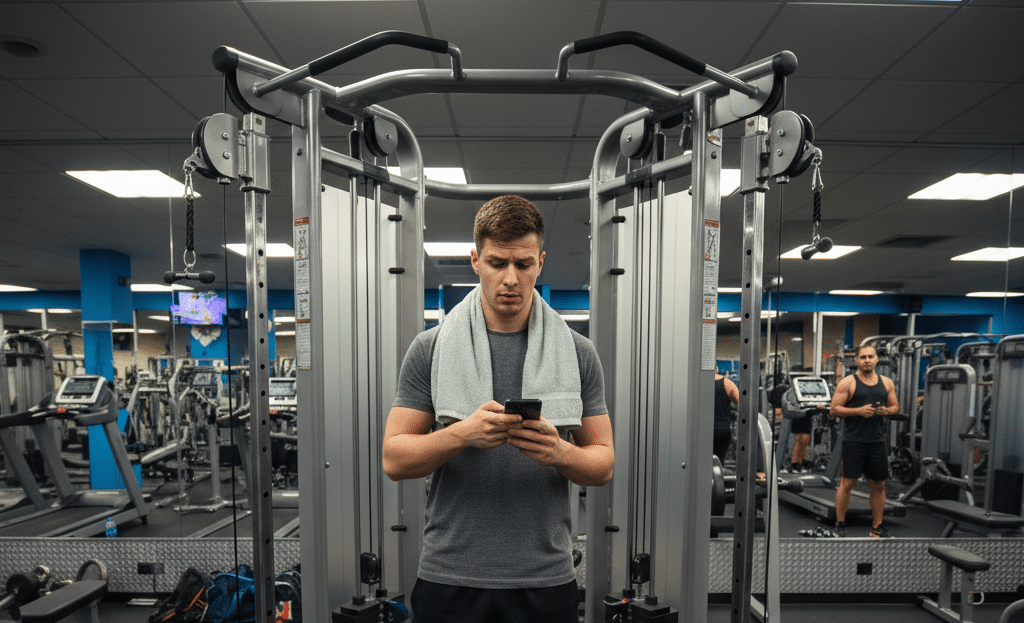
Your body communicates through signals. Joint pain, persistent fatigue, declining performance, sleep disruption, mood changes. These signs indicate problems requiring attention.
ChatGPT cannot perceive these signals. If you mention them, the AI offers generic advice that may or may not apply. More likely, you do not mention them because the conversation is about your programme, not your current state.
A trainer observes you walk into the gym and notices something is off. They see the way you move during warm-up and recognise accumulated fatigue. They ask about the grimace during your working sets and learn about the shoulder twinge you were ignoring.
This ongoing observation catches problems early. The programme adapts before minor issues become major injuries.
AI programmes do not adapt because they receive no feedback. You follow the plan regardless of warning signs until something forces a stop.
Danger 5: False Confidence
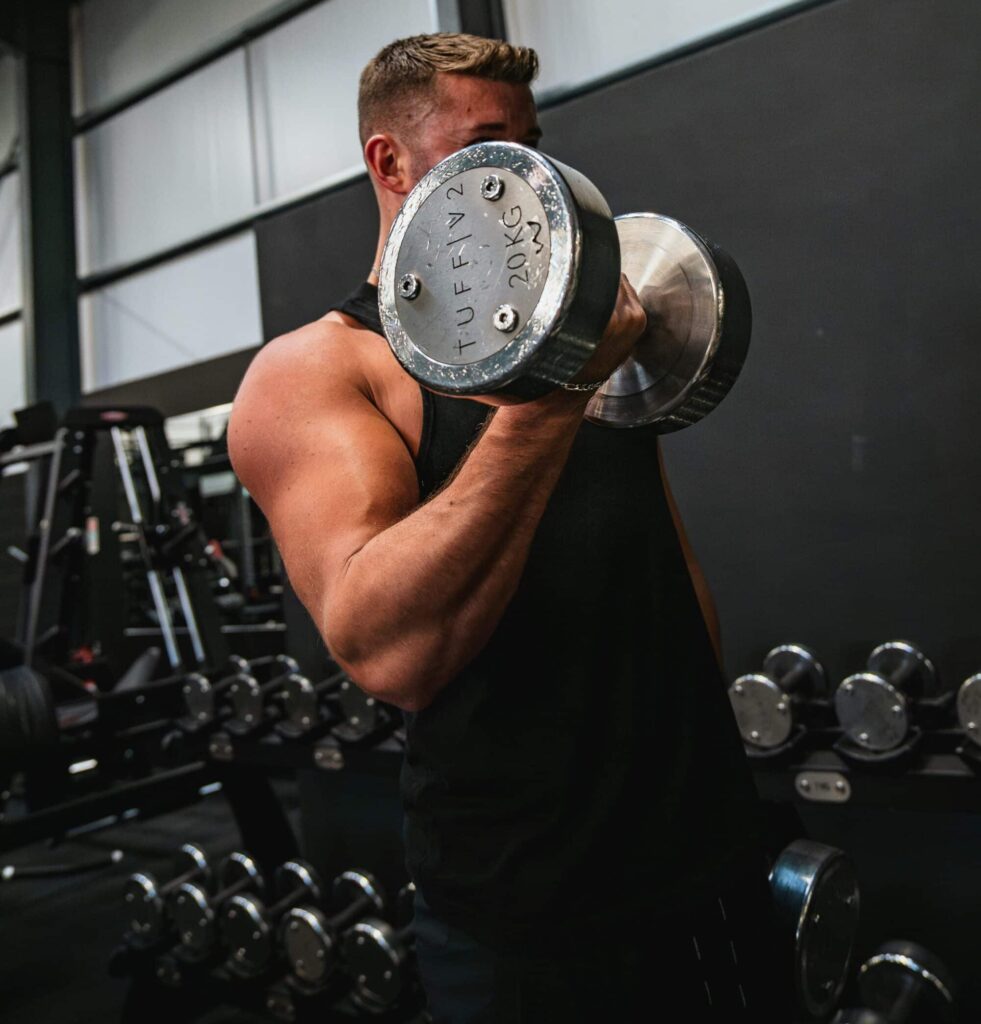
Perhaps the most insidious danger is the false confidence AI programmes provide.
You asked an intelligent system for a workout plan. It responded with something that looks professional. The exercises are real. The structure follows recognised patterns. It feels like expert guidance.
This perceived expertise creates confidence that might not be warranted. You believe you are training correctly because a sophisticated AI told you what to do. This confidence makes you less likely to seek actual expertise, question your approach or recognise warning signs.
The gap between feeling informed and being informed grows wider without awareness.
The Dunning-Kruger Effect in Fitness
People who know little about a subject often overestimate their knowledge. Beginners who receive an AI programme may believe they now understand training when they have merely received a list of exercises.
This false confidence is dangerous. It leads to training with conviction while making mistakes an expert would immediately recognise. It delays seeking help because the person believes help is unnecessary.

Danger 6: Medical Contraindications Ignored
ChatGPT is not a medical professional and explicitly states it cannot provide medical advice. Yet people regularly ask it for workout plans while managing health conditions that affect exercise safety.
Cardiovascular Conditions
Certain heart conditions require careful exercise prescription. Intensity limits, exercise selection and monitoring requirements vary by condition. An AI cannot assess whether its generic programme is safe for someone with a specific cardiovascular issue.
Metabolic Conditions
Diabetes affects exercise response in ways that require consideration. Blood sugar management during training, timing of exercise relative to meals, recognition of warning signs. Generic AI advice does not account for these factors.
Musculoskeletal Conditions
Arthritis, osteoporosis, previous surgeries and structural abnormalities all influence what exercise is appropriate. The AI might recommend exercises contraindicated for specific conditions it does not know you have.
Medication Interactions
Some medications affect exercise response. Beta-blockers change heart rate response. Blood thinners increase bruising and bleeding risk from impact. Various medications cause dizziness, fatigue or other effects relevant to safe training.
ChatGPT does not ask about medications and cannot account for their effects on exercise safety.
Danger 7: No Emergency Response
If something goes wrong during training, ChatGPT cannot help.
A trainer present when you fail a rep can assist. They can call for help if you are injured. They can provide immediate guidance on whether to continue or stop.
Training alone with an AI programme means handling emergencies alone. For most people training in commercial gyms, this is manageable. For those training at home or in isolated settings, it represents genuine risk.
Protecting Yourself
If you choose to use AI for fitness guidance despite these risks, several practices reduce danger:
Get Professional Assessment First
Before following any programme, have a qualified professional assess your movement. A physiotherapist, personal trainer or sports medicine doctor can identify issues that make certain exercises problematic for you specifically.
This single assessment provides information that protects you regardless of what programme you follow afterward.
Start Conservatively
Whatever the AI recommends, begin with less. Lighter weights, fewer sets, reduced frequency. Prove you can handle a level before progressing to the next.
The AI cannot see how you respond to training. You can. Pay attention and advance only when you are genuinely ready.
Film Your Technique
Record yourself performing exercises and compare to proper demonstrations. This imperfect solution at least provides visual feedback you would otherwise lack.
Better still, send videos to a qualified trainer for remote assessment. Many trainers offer this service at reasonable cost.
Track Warning Signs
Monitor joint pain, energy levels, sleep quality, mood and performance. Any negative trends warrant attention, regardless of what your programme prescribes.
Do not wait for problems to force a stop. Adjust proactively when warning signs appear.
Know When to Seek Help
Persistent pain, declining performance despite adequate recovery, unusual symptoms during or after exercise. These situations require professional evaluation, not another ChatGPT query.
No AI advice is worth risking your long-term health.
The Safer Alternative
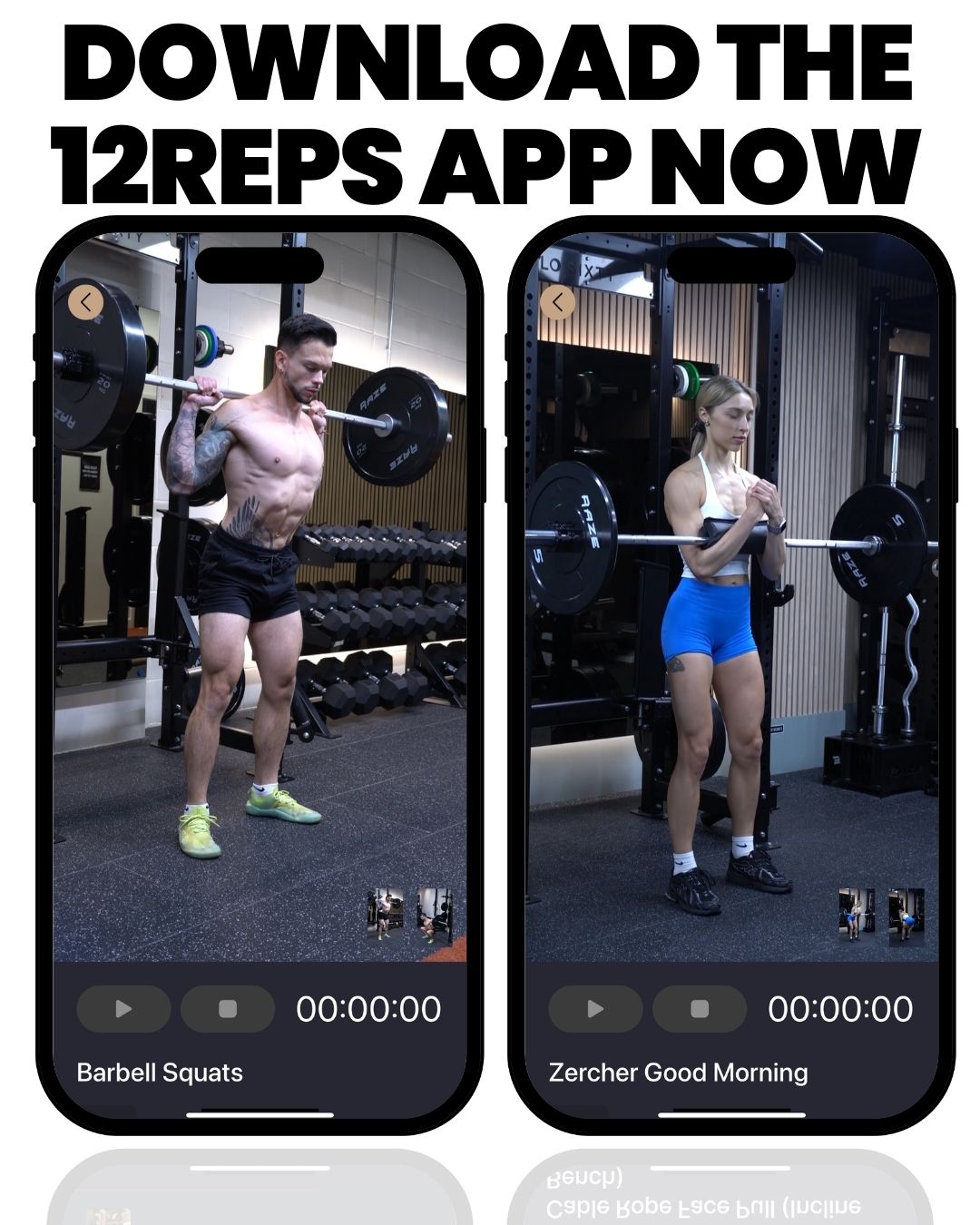
The 12REPS app was designed with safety as a core consideration.
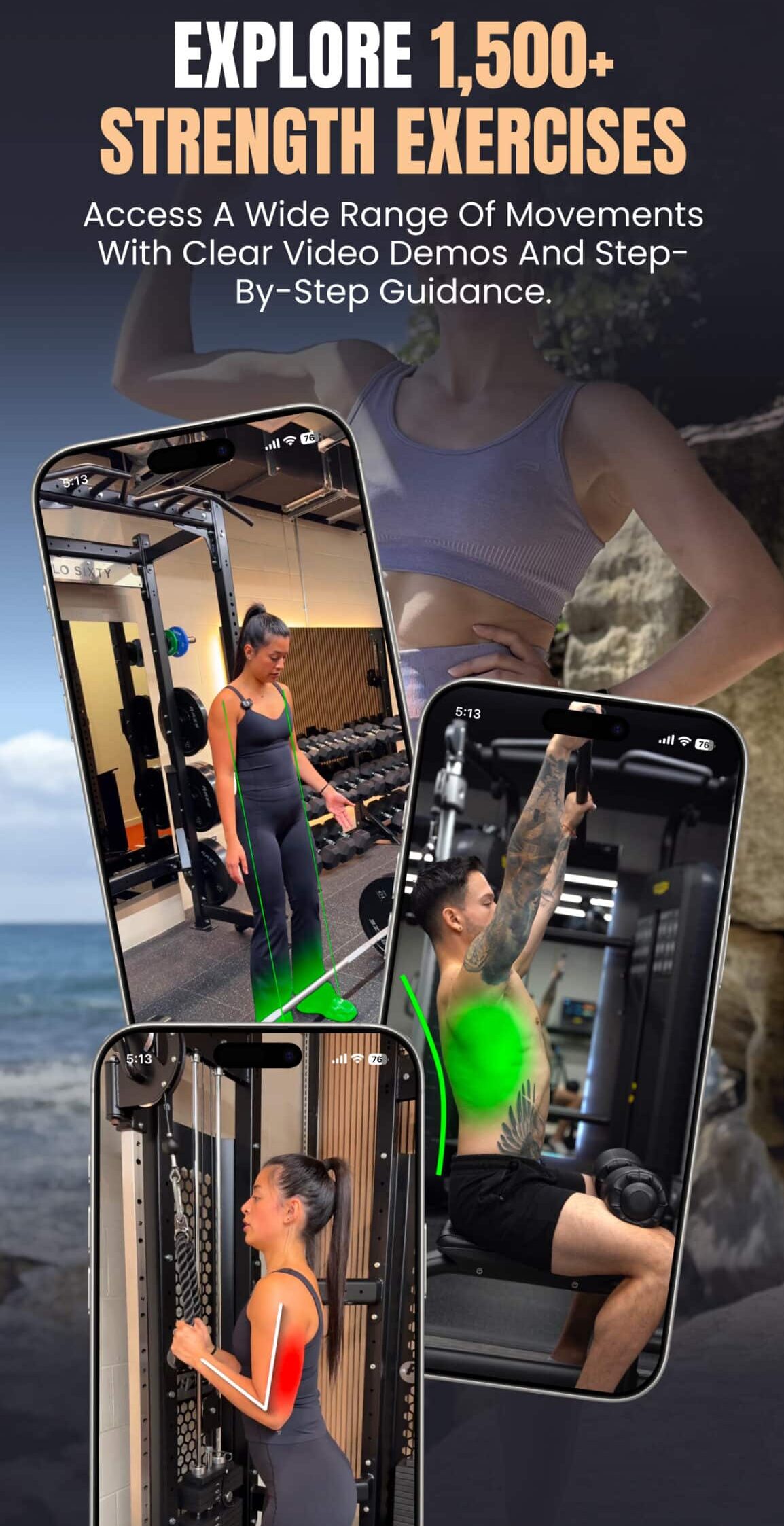
Exercise demonstrations show proper technique rather than just describing it. You see how movements should look and can compare to your own execution.
Progression systems advance you gradually based on demonstrated capability, not arbitrary timelines. You prove readiness before increasing demands.
Programmes designed by qualified trainers who understand common injury risks and incorporate appropriate exercise selection, volume and progression.
Tracking systems that make warning signs visible. If performance declines or consistency drops, the pattern becomes clear.
This is not a human trainer who can watch you move. But it provides structure, guidance and safety considerations that raw AI chat cannot
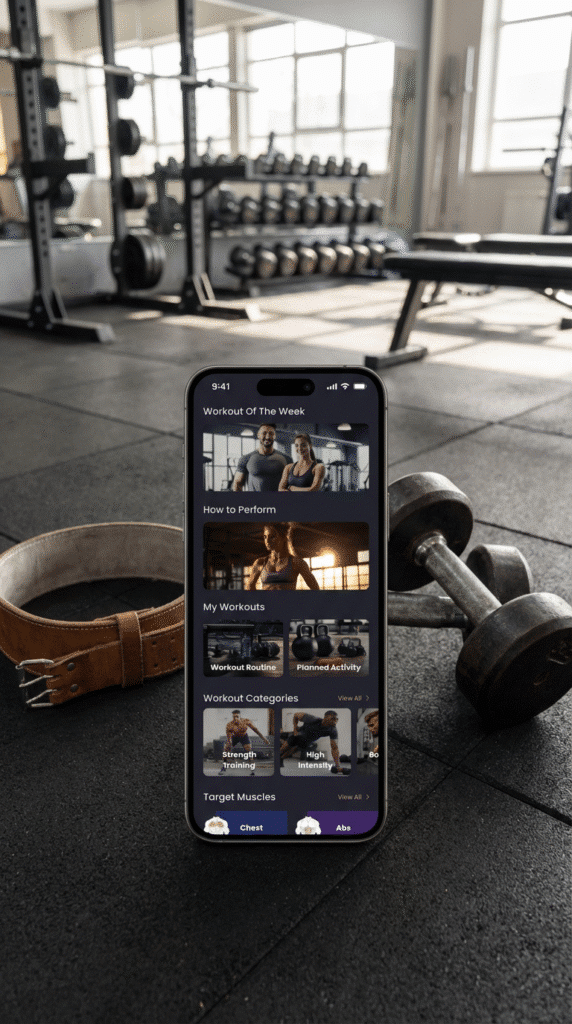
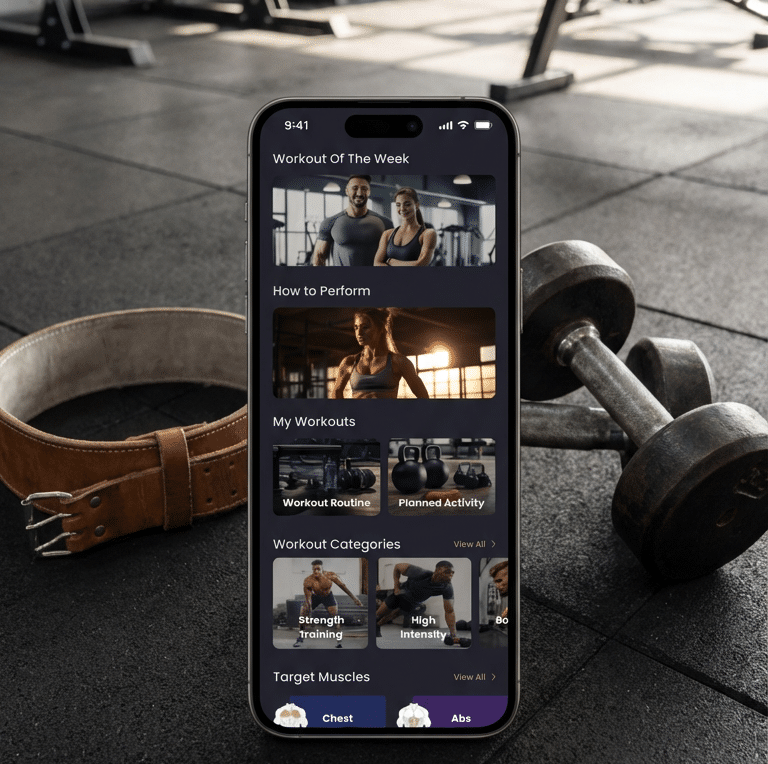
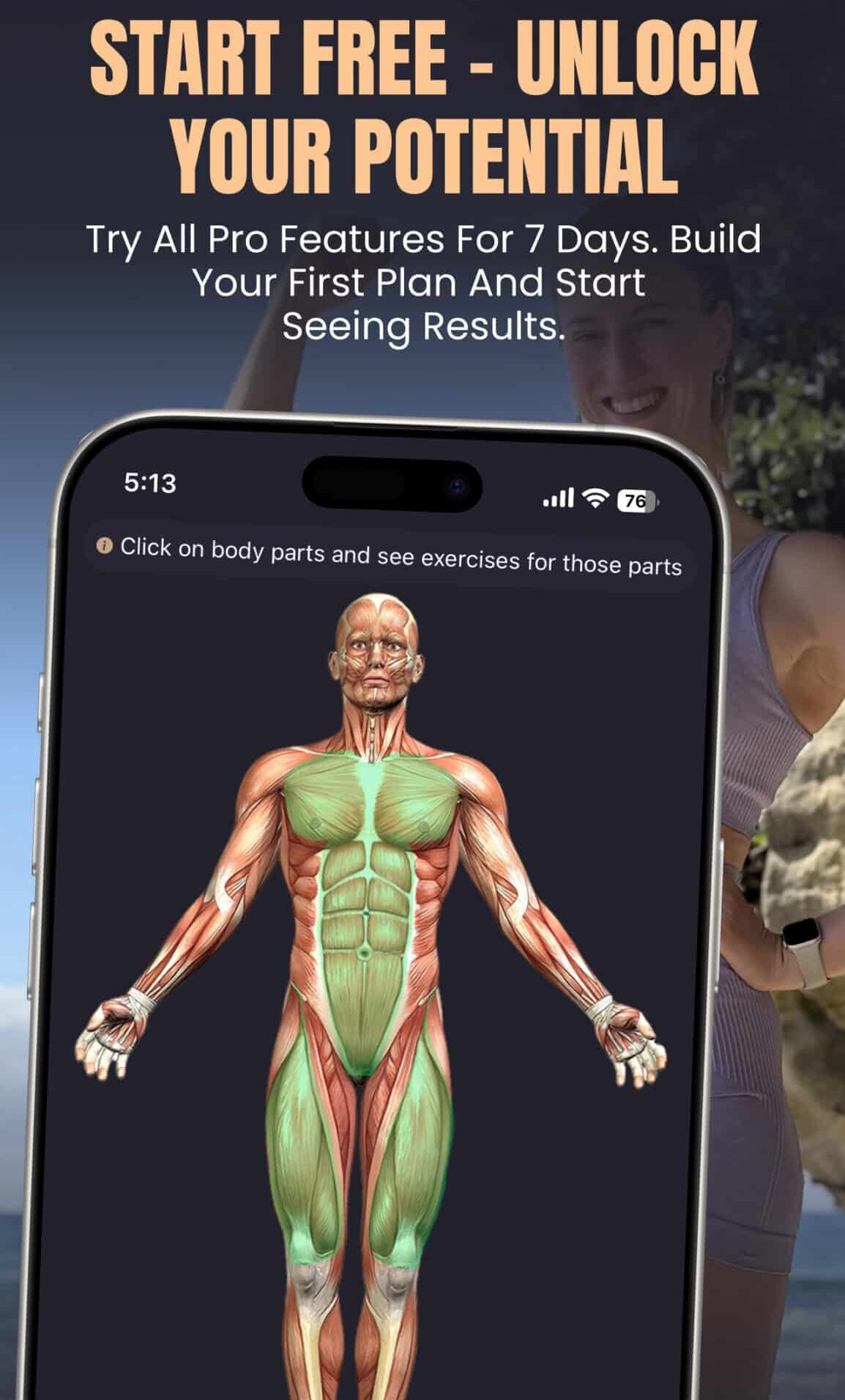
Here’s what you actually need: a weekly programme designed by certified coaches, complete with exercise demos and video technique breakdowns so you always know exactly what you’re doing. You’ll have access to over 1,500 exercises to plan and create your own workout splits, plus rehab exercise videos from a certified personal trainer and physio to guide you through any setbacks to full recovery.”
Now picture this: you’re at the gym, six weeks after downloading the 12REPS app. You’re training with confidence, mastering exercise techniques without needing anyone’s help, avoiding the painful injuries that cause setbacks—all while getting in the best shape of your life.”
The Bottom Line
AI workout plans are not inherently dangerous. Millions of people have followed ChatGPT programmes without injury.
But the risks are real. Technique errors go uncorrected. Inappropriate exercises get prescribed. Volume mismatches recovery capacity. Warning signs go unnoticed. Medical contraindications are ignored.
Understanding these dangers allows informed decisions. If you choose AI guidance, take precautions. If the risks concern you, invest in proper assessment and programming.
Your body must last a lifetime. Short-term savings on training guidance are not worth long-term damage from preventable problems.
The 12REPS app offers a middle path: more structured and safety-conscious than raw AI, more accessible than personal training. It cannot see you move, but it can provide properly designed programmes with appropriate progression and exercise guidance.
Whatever you choose, train with awareness. Your safety depends on more than an AI’s text output
Related Articles on just12reps.com
| Article | Description | Link |
|---|---|---|
| Why ChatGPT Can’t Be Your Personal Trainer | The fundamental limitations of AI fitness guidance. | Read Article |
| ChatGPT vs Personal Trainer | Comparing AI and human coaching. | Read Article |
References
[1] Aasa, U. et al. (2017). Injuries among weightlifters and powerlifters: a systematic review. British Journal of Sports Medicine. https://bjsm.bmj.com/
[2] Keogh, J.W.L. & Winwood, P.W. (2017). The epidemiology of injuries across the weight-training sports. Sports Medicine. https://link.springer.com/journal/40279
[3] Kolber, M.J. et al. (2010). Shoulder injuries attributed to resistance training. Journal of Strength and Conditioning Research. https://journals.lww.com/nsca-jscr/pages/default.aspx
[4] Myer, G.D. et al. (2014). When to initiate integrative neuromuscular training to reduce sports-related injuries. Current Sports Medicine Reports. https://journals.lww.com/acsm-csmr/pages/default.aspx
[5] Faigenbaum, A.D. & Myer, G.D. (2010). Resistance training among young athletes: safety, efficacy and injury prevention effects. British Journal of Sports Medicine. https://bjsm.bmj.com/
About the Author: Will Duru holds a BSc (Hons) in Sport and Exercise Science and is an award-winning personal trainer with over 10 years of experience helping clients train safely and effectively. He is the creator of the 12REPS app, built with injury prevention and proper progression as core design principles.