

By Will Duru | Certified Personal Trainer | BSc Sport Science
Walk into any gym. Too many machines. Too many exercises. Too much noise.
You only need five exercises to build muscle.
The people who get results are not doing more. They are doing the right things and getting better at them over time. Five compound lifts, progressed consistently, will build more muscle than 20 random movements with no plan.
These five exercises built most of the strongest physiques you see in the gym.
This guide gives you the five best exercises and shows you exactly how to progress them week to week.
Why Compound Exercises Build the Most Muscle
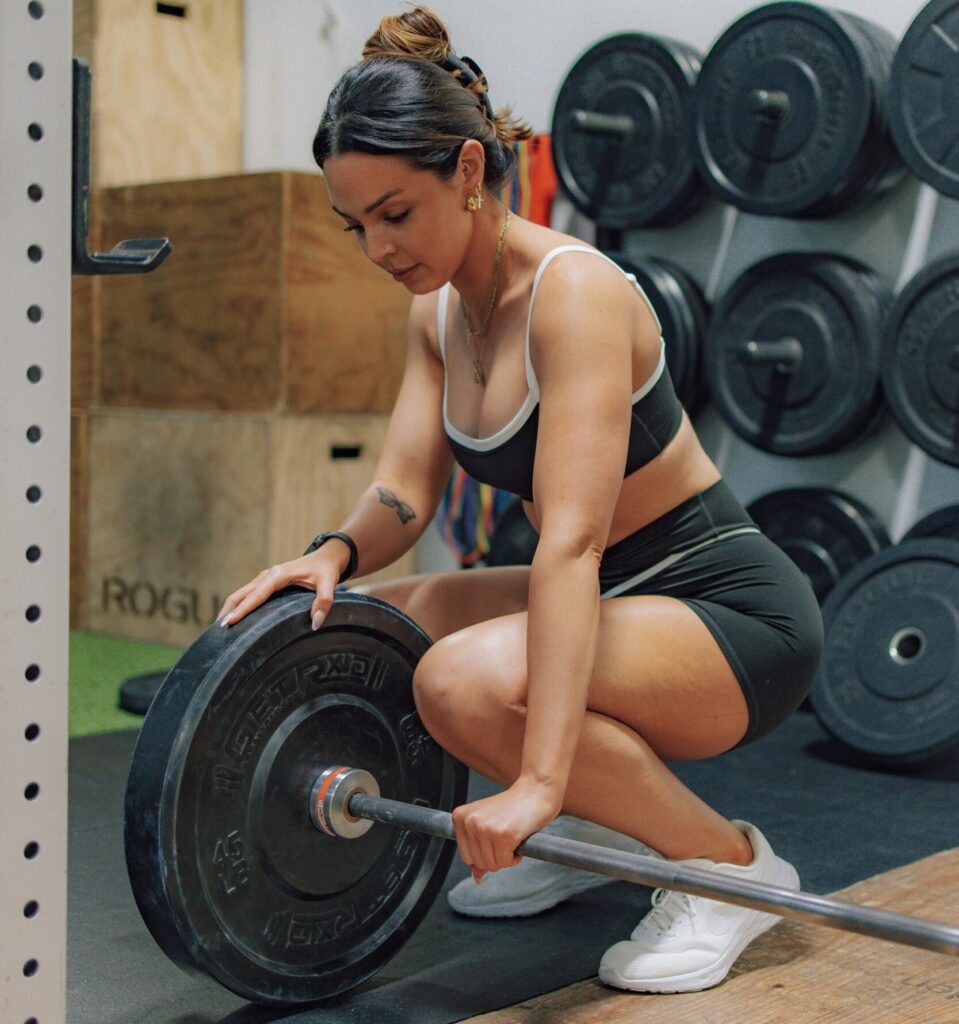
Compound exercises engage multiple joints and muscle groups simultaneously. More muscles are working per rep. More weight on the bar. More growth potential per session.
Compare a barbell squat to a leg extension. The squat hits your quads, glutes, hamstrings, and core all at once. The leg extension hits your quads and nothing else. Same time in the gym. Massively different results.
More muscles working means more growth potential.
Compound lifts also let you lift heavier. Heavier loads create more mechanical tension. Mechanical tension is the primary driver of muscle growth. Build your programme around these five exercises. Everything else is a bonus.
Where Is the Deadlift?
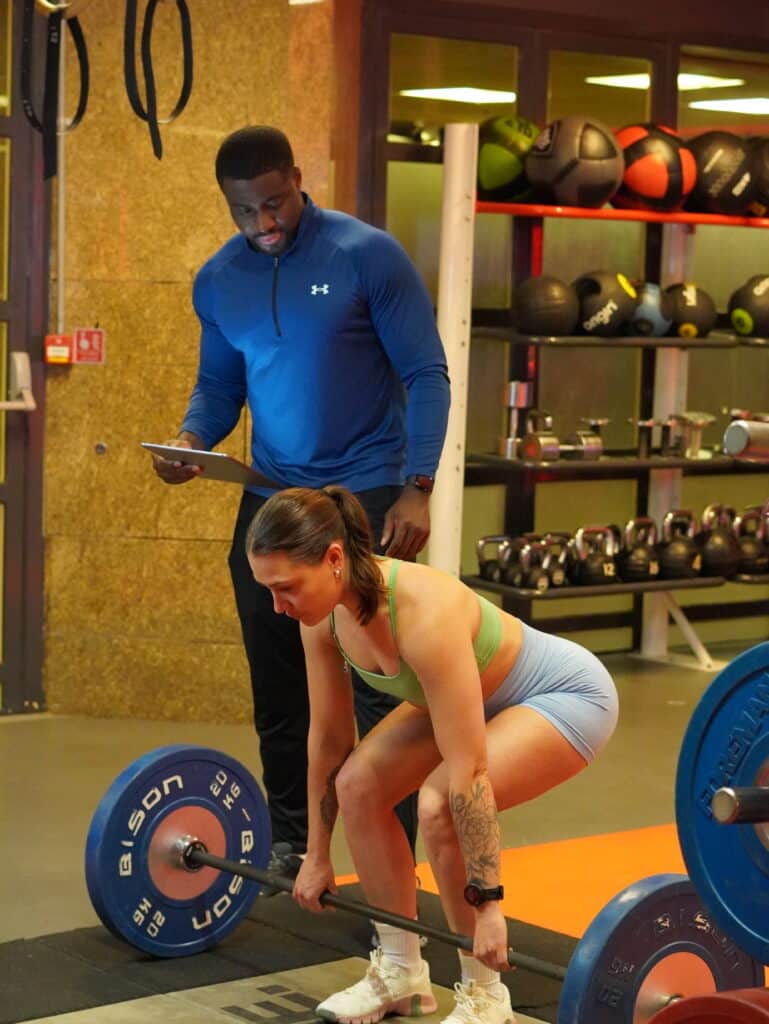
You could include deadlifts, and they are a great exercise. But squats and rows already cover similar muscle groups with less systemic fatigue. For most people, especially beginners, these five give you complete coverage without overloading your recovery. If you want to add deadlifts, swap them in on Session B in place of the second squat.
Exercise 1: Barbell Squat
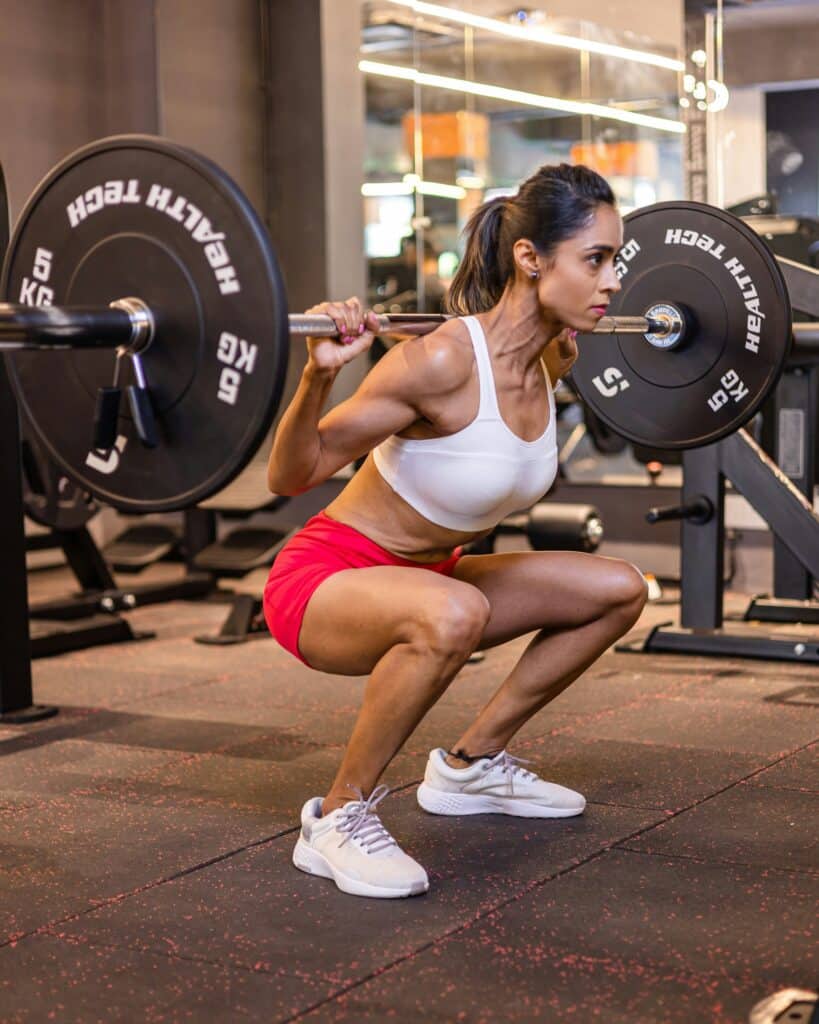
Muscles worked: quads, glutes, hamstrings, core.
Why It Works
It trains the most muscle mass in a single movement. The heavier you squat, the bigger your legs grow. It also builds real-world strength that carries over to every other lift.
How to Progress
- Week 1: 60kg × 8 reps. Focus on depth and control.
- Week 2: 60kg × 10 reps. Same weight, more reps.
- Week 3: 62.5kg × 8 reps. Add weight, reset reps.
- Week 4: 62.5kg × 10 reps. Build back up.
If you cannot add weight, slow the lowering phase to 3 seconds. There is always a way to progress.
Key Technique Tips
- Feet shoulder width. Toes turned out 15 to 30 degrees.
- Chest up before you move. Brace your core.
- Push through mid-foot. Squeeze glutes at the top.
Common mistake: Cutting depth too short. Half reps hit half the muscle.
Fix: Hip crease below the knee. If you cannot get there, widen your stance or work on ankle mobility.
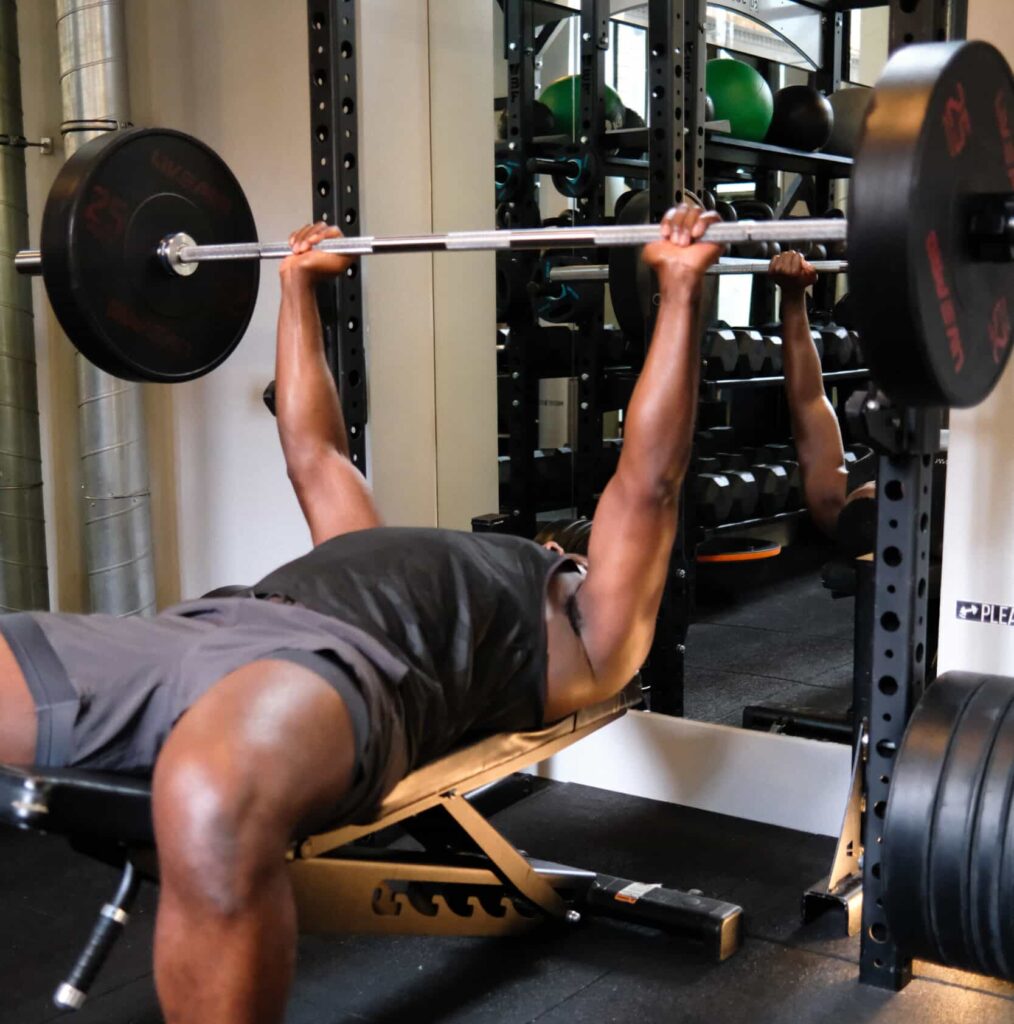
Exercise 2: Bench Press
Muscles worked: chest, shoulders, triceps.
Why It Works
It allows you to press the most weight of any chest exercise. More weight means more tension. More tension means more growth. Dumbbell presses and cable flyes come after the bench, not instead of it.
How to Progress
- Add 1.25kg per side when you hit all target reps with clean form.
- If weight stalls, add one rep per set for a week. Then add the weight.
- Slow the lowering phase to 3 seconds to increase time under tension.
Key Technique Tips
- Pinch your shoulder blades together before every set.
- Bar to lower chest. Elbows at 45 degrees.
- Press up and slightly back towards the rack.
Common mistake: Flaring elbows out to 90 degrees. This destroys your shoulders over time.
Fix: Tuck elbows to 45 degrees. Protects the joint and loads the chest properly.
Exercise 3: Pull-Ups or Lat Pulldown
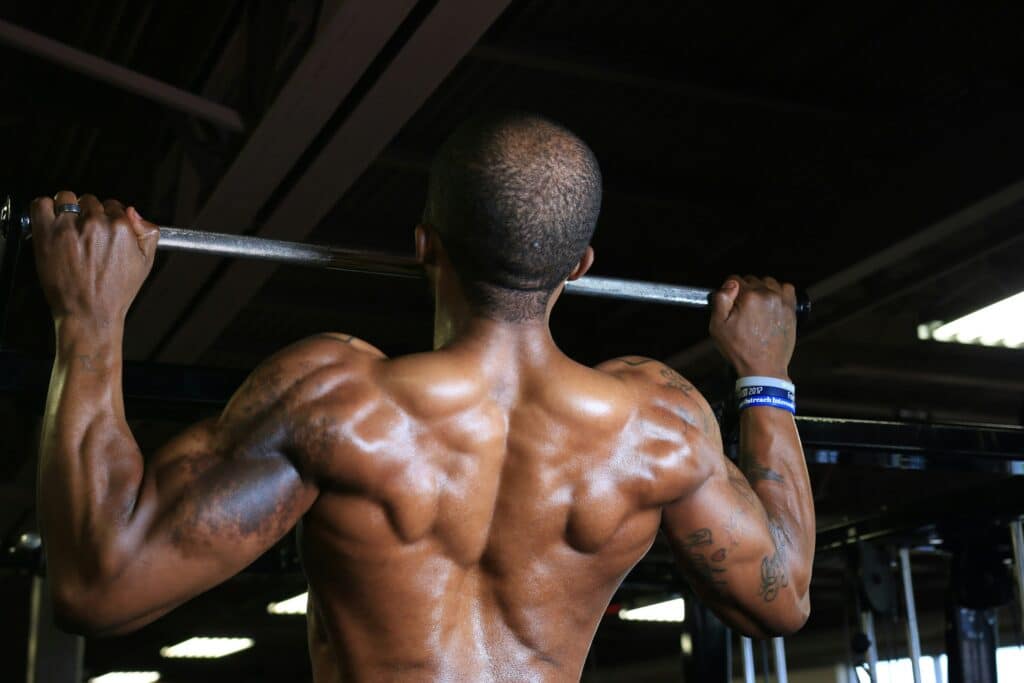
Muscles worked: lats, upper back, biceps, forearms.
Why It Works
Your back is one of the largest muscle groups in your body. Training it with vertical pulling builds a wider frame, better posture, and stronger shoulders. A strong back supports every pressing movement you do.
How to Progress
- Cannot do a pull-up yet: start with lat pulldowns. 8 to 12 reps with a squeeze at the bottom.
- Can do a few pull-ups: do as many clean reps as you can. Finish with pulldowns to hit volume.
- Strong at pull-ups: add weight with a belt or dumbbell between your feet.
Key Technique Tips
- Pull with your elbows, not your hands. Drive elbows to your hips.
- Squeeze shoulder blades together at the top.
- Control the way down. No dropping.
Common mistake: Swinging and kipping to get your chin over the bar.
Fix: Dead stop at the bottom. Pull with control. If you cannot do a clean rep, use a band or switch to pulldowns.
For a full pull-up progression plan, read The Complete Guide to Building Muscle.
Exercise 4: Barbell Row
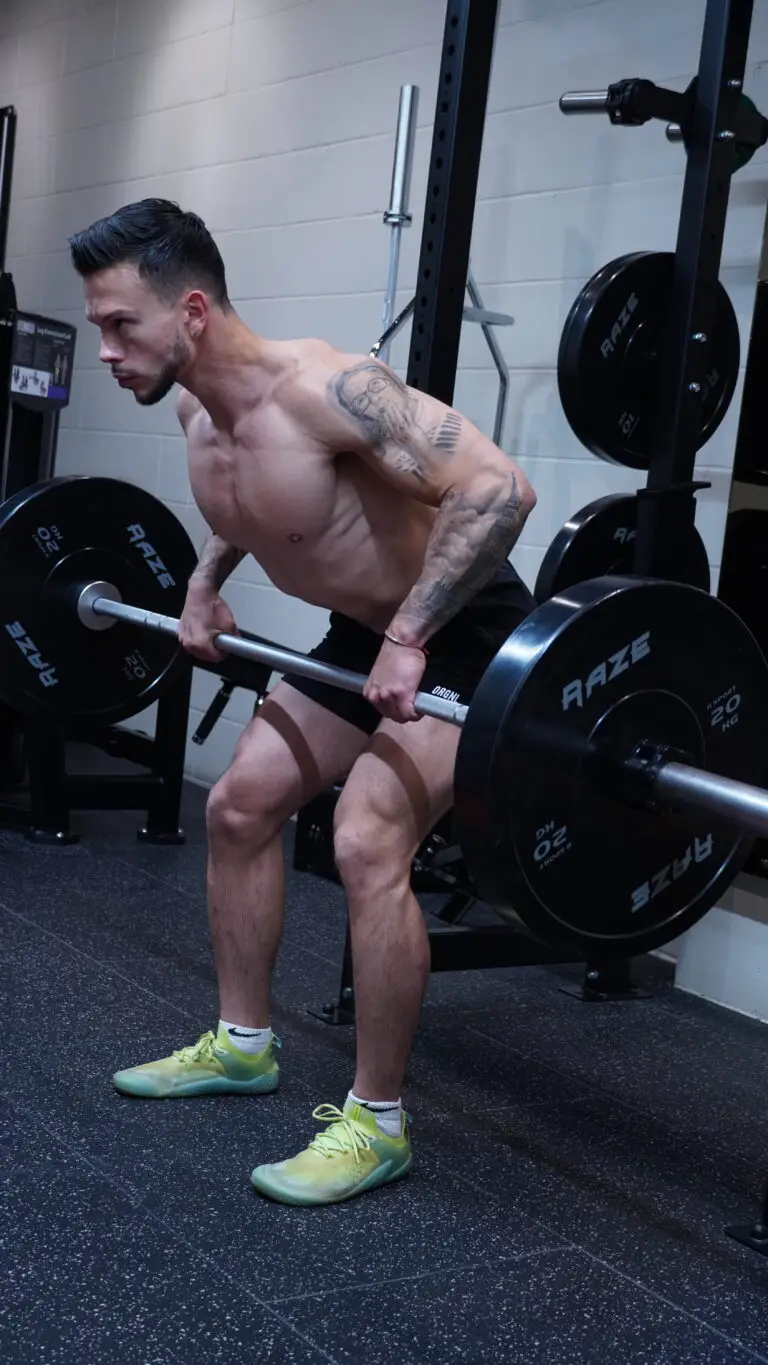
Muscles worked: upper back, lats, rear delts, biceps.
Why It Works
Horizontal pulling is the counterbalance to all the pressing you do. Without rows, your shoulders roll forward. With rows, you build the mid-back thickness that makes you look strong from every angle. It is also one of the best exercises for posture.
How to Progress
- Add weight when you can pause at the top of every rep for one second.
- If you are swinging the weight, drop it 10 to 20 percent and do it properly.
- Alternate grips: overhand for upper back, underhand for more lat involvement.
Key Technique Tips
- Hinge at the hips. Torso at 45 degrees.
- Pull to lower chest, not belly.
- Squeeze shoulder blades at the top. Hold one second.
Common mistake: Standing too upright and turning it into a shrug.
Fix: Push your hips back. Get your torso to 45 degrees. If you cannot hold the position, the weight is too heavy.
Exercise 5: Overhead Press
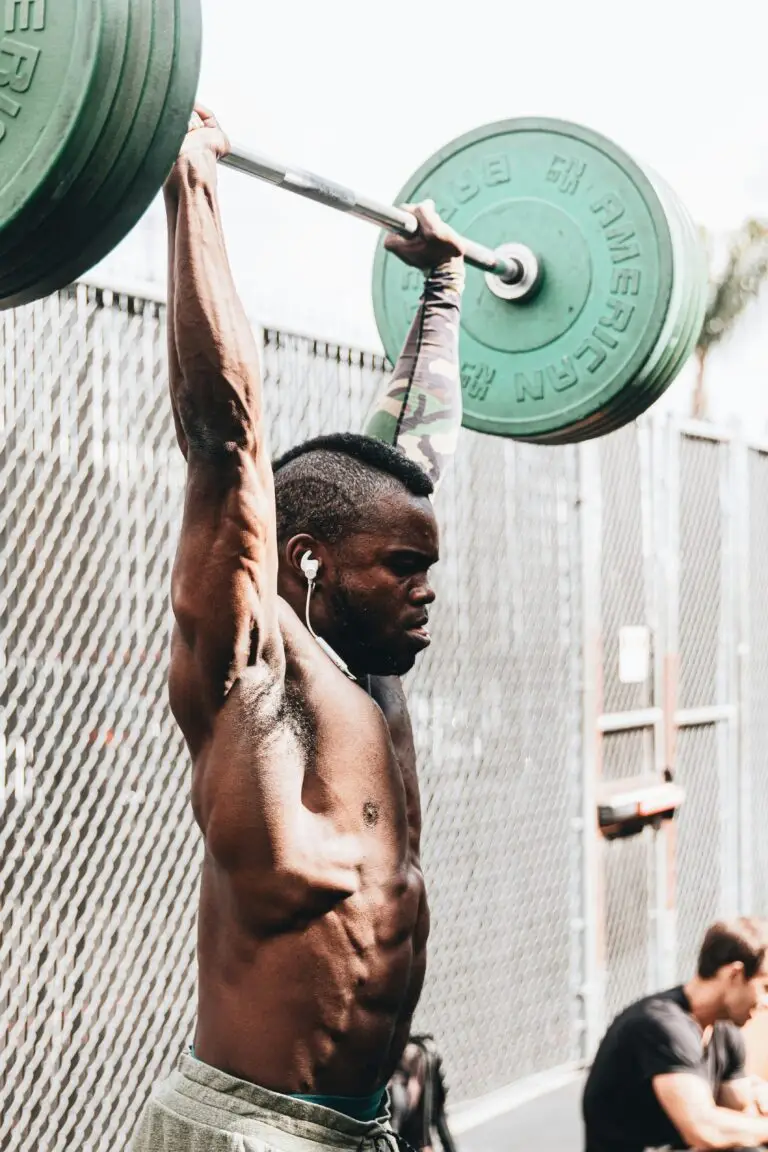
Muscles worked: shoulders, triceps, upper chest, core.
Why It Works
Pressing weight overhead demands stability from your entire body. Core braces hard. Upper back stays tight. Shoulders work through a full range under load. It builds functional strength that carries over to everything.
How to Progress
The overhead press progresses more slowly than other lifts. That is normal. Add 1.25kg per side when you can. If weight stalls for more than 2 weeks, add a rep per set instead. Patience wins here.
Key Technique Tips
- Start standing, not seated. Recruits more core and stabilisers.
- Grip just outside shoulder width. Elbows slightly in front of the bar.
- Press straight up. Move your head out of the way, not the bar around your head.
Common mistake: Leaning back excessively to push the weight up.
Fix: Squeeze your glutes and brace your core. If you have to lean back, the weight is too heavy.
Most people drop the overhead press because progress is slow. That is exactly why the people who keep it build shoulders nobody else has.
How to Structure These Into a Programme
You do not need all five every session. Split them across the week.
Session A | Session B | |
Exercise 1 | Barbell Squat | Overhead Press |
Exercise 2 | Bench Press | Pull-Ups or Lat Pulldown |
Exercise 3 | Barbell Row | Squat or Deadlift |
Alternate A and B. Three sessions per week. Monday, Wednesday, Friday.
- Week 1: A, B, A
- Week 2: B, A, B
Sets and Reps
- 3 to 4 sets per exercise.
- 6 to 8 reps for heavy compound lifts.
- 8 to 12 reps for accessories.
- Rest 2 to 3 minutes on compounds. 60 to 90 seconds on accessories.
Add 2 to 3 accessory exercises per session if you want — lateral raises, tricep work, bicep curls — but the big five come first.
For detailed guidance on volume, rep ranges, and rest, read Sets, Reps, and Rest Explained Simply.
The Biggest Mistakes Beginners Make
Too Many Exercises
You do not need 8 exercises per session. 3 to 5 done well beats 8 done poorly. Focus beats volume every time.
Not Progressing
If the weight has not changed in 4 to 6 weeks, you are maintaining, not growing. Every session should aim to beat your last performance, even by one rep.
Changing Exercises Every Week
Your body needs repeated exposure to adapt. Switching resets your progress. Pick your five. Stick with them for at least 8 weeks.
Training Too Light
If your last rep is easy, you are not training hard enough. Most working sets should finish with 1 to 2 reps left in the tank. The effort needs to be real.
Not Tracking
If you cannot tell me what you squatted last Friday, you are guessing your way through the gym. Guessing does not build muscle. Data does.
Why Tracking These Lifts Changes Everything
These five exercises only work if you progress them.
- You squatted on Monday. What weight? How many reps per set?
- You benched on Wednesday. Did you beat last week?
- You rowed on Friday. Was the bar heavier than last time?
If you do not know the answers, every session is a guess. If you do know the answers, every session is a target.
Effort without data is just sweat. Effort with data is progress.
Pro tip: The fastest way to get stronger at these five exercises is to write down every set. When you see last session’s numbers staring at you, something in you refuses to do less. That is the power of tracking.
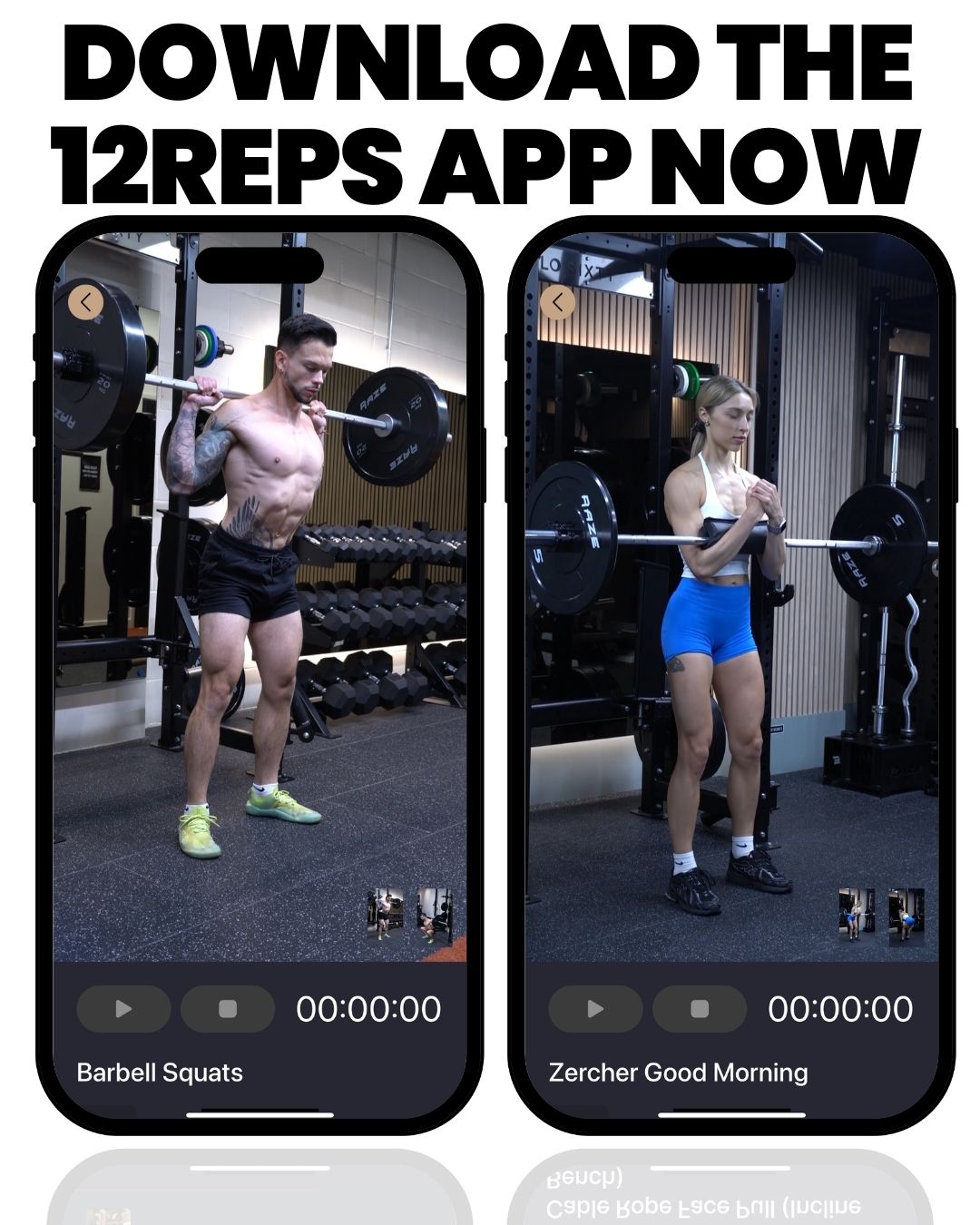
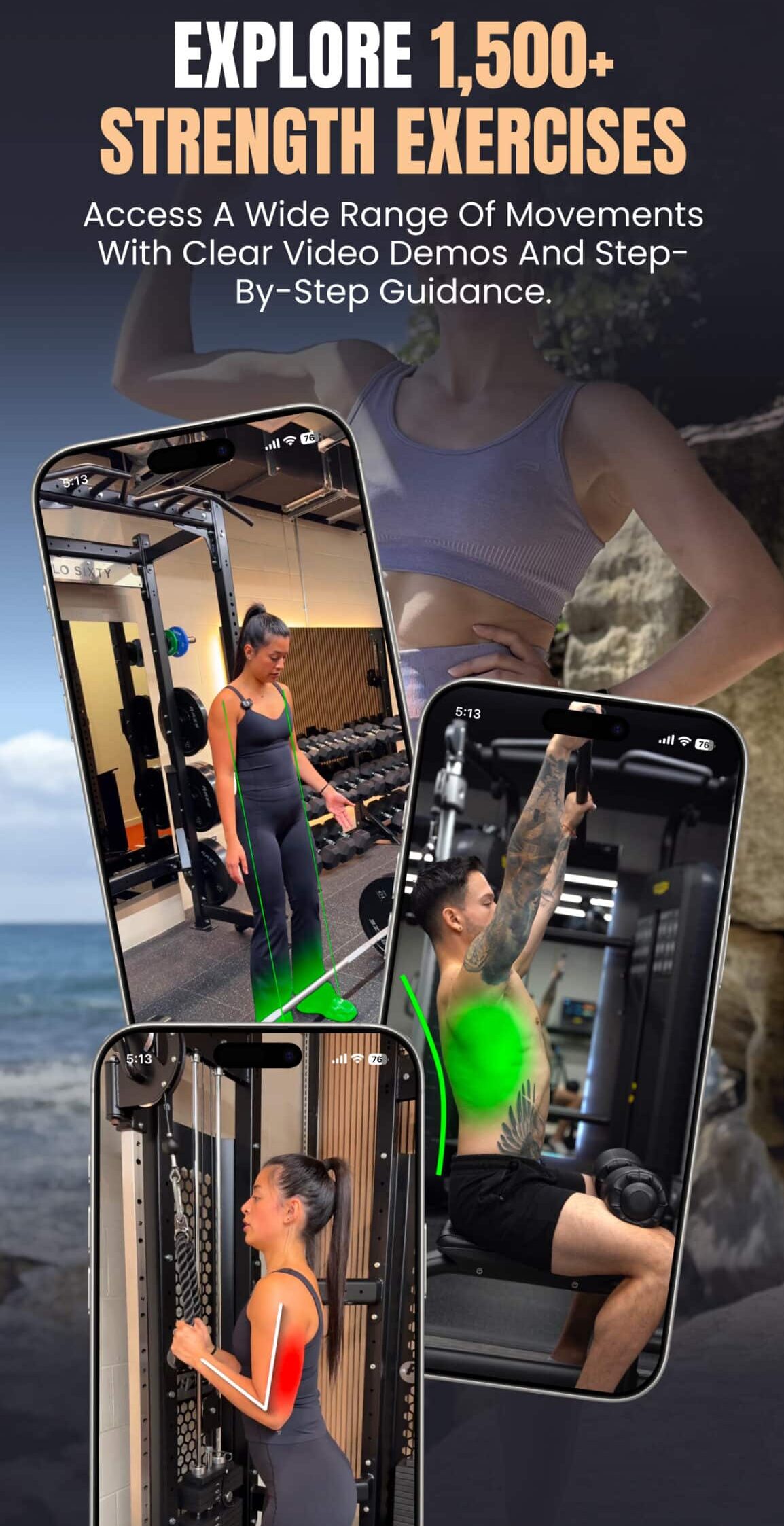
If you want a simple way to log these five lifts and see your progress week to week, that is exactly what 12REPS does.
How 12REPS Keeps You Progressing
- Build workouts around the exercises that matter.
- Log every set in seconds. Weight, reps, how it felt.
- See what you lifted last session so you know what to beat.
- Track progress over weeks and months.
Built from over 10 years of coaching experience. Designed to be fast and simple. One job: help you progress session to session.
You do not need to memorise any numbers. The app remembers them for you. All you need to do is show up and beat last week.
Track your progress with 12REPS →
Your Action Plan
Stop overcomplicating your training. Five exercises. One system.
- Pick your five. Squat, bench, pull-ups or pulldown, barbell row, overhead press.
- Train 3 times per week. Alternate Session A and B. Monday, Wednesday, Friday.
- Use the right weight. A weight you control for 8 reps where the last 2 feel hard.
- Track every session. Reps. How it felt. No more guessing.
- Progress weekly. Add weight when you hit all reps. Add a rep when you cannot add weight.
Pro tip: A beginner who squats, benches, and rows three times a week with a simple progression plan will build more muscle in six months than someone who spends a year doing a different programme every fortnight. Simplicity is not a limitation. It’s an advantage.
Your next session is your starting point. Five exercises. One goal. Beat last week.
Download 12REPS. Track your next workout. Beat your numbers next week →
Five exercises. Consistent progress. That is how muscle is built.