

By Will Duru, BSc (Hons) Sport and Exercise Science, Award-winning Personal Trainer with over 10 years of experience in strength training and optimising recover
Most people in the gym are not training for what they actually want. They say they want to get stronger, but they train like they only want a pump. They say they want to build muscle, but they keep lifting too heavy to create enough quality volume. They say they want power, but every rep moves slowly.
This is where strength vs hypertrophy training gets confusing. Both use weights. Both can build muscle. Both can change your body. But they are not the same thing.
Strength training is about improving how much force your body can produce. Hypertrophy training is about increasing muscle size. One teaches your nervous system to recruit more muscle fibres. The other gives the muscle enough tension, volume, and fatigue to grow.
You need to understand the difference because your goal should shape your training. If you want to lift heavier, your programme should not look the same as someone training mainly for muscle growth. If you want to build size, you cannot only chase one-rep max numbers. And if you want a body that looks strong and performs well, you probably need both.
Join my strength training program on the 12reps app for free
What is Strength Training?
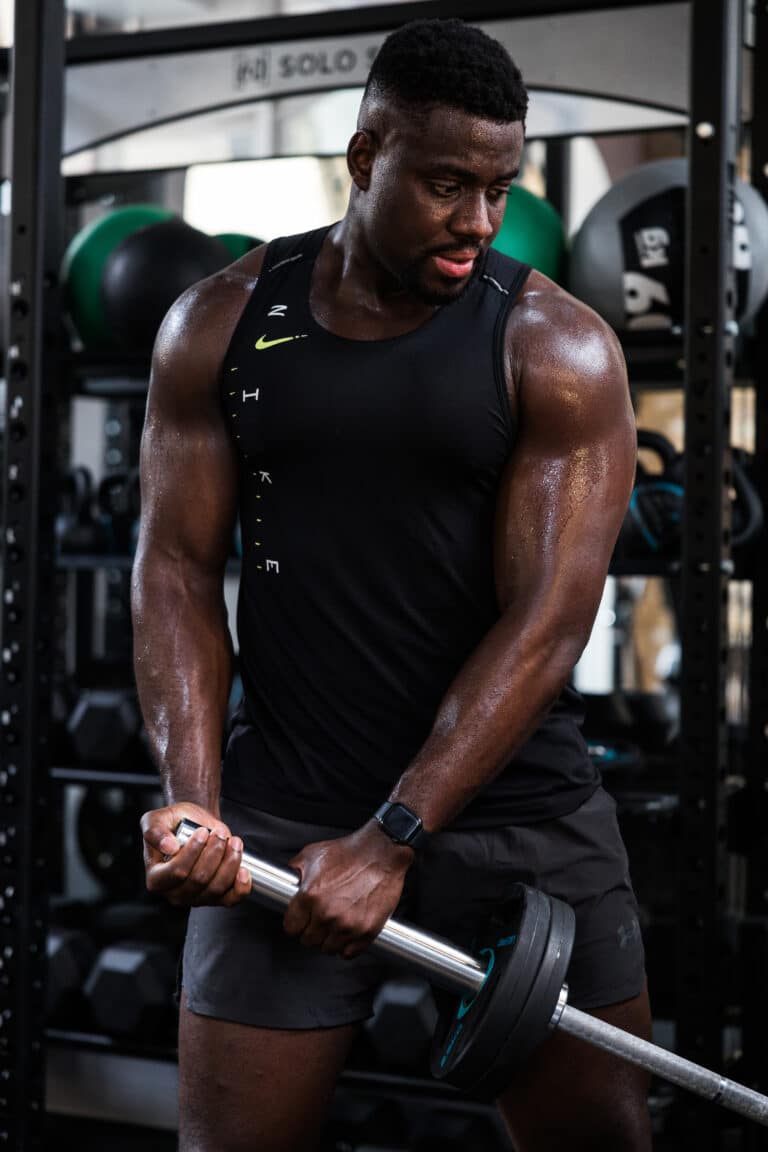
Strength training is the ability to produce force. In the gym, that usually means lifting heavier loads for lower reps with longer rest periods. Think squats, deadlifts, bench press, overhead press, rows, pull-ups, and carries. These exercises teach your body to create tension, brace properly, and move heavy weight with control.
A typical strength training plan may use 3 to 6 reps per set, heavier weights, and rest periods of 2 to 5 minutes. The aim is quality. You want strong reps, clean technique, and enough recovery between sets so you can keep producing high force.
Strength training is not just about muscles. It is also about the nervous system. Your body has to learn how to recruit more muscle fibres, create stiffness, stabilise joints, and coordinate movement under load. That is why beginners can get stronger quickly before they build much visible muscle.
What is Hypertrophy Training?
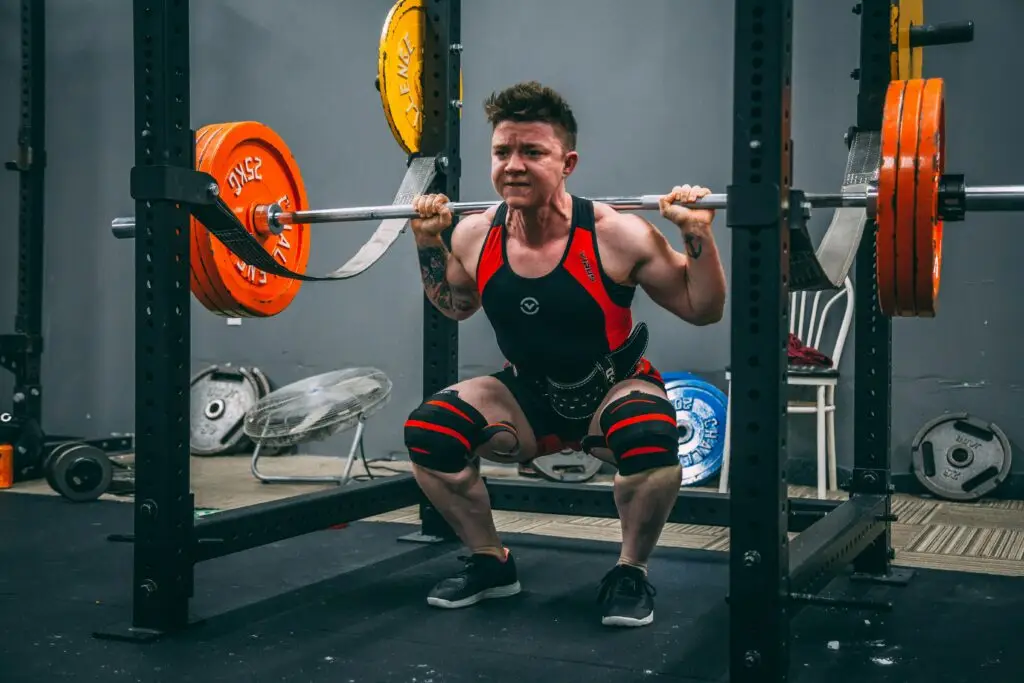
Hypertrophy training is focused on muscle growth. You still need progressive overload, but you usually train with more total volume. That means more reps, more sets, and more time under tension.
A typical hypertrophy workout may use 6 to 15 reps per set, moderate to heavy weights, and shorter rest periods than pure strength training. The goal is to create enough mechanical tension and training volume to force the muscle to adapt.
This is where many lifters get it wrong. They treat every set like a strength test. They load the bar, grind through poor reps, rest too long, and never create enough quality work for growth. Muscle does not grow because you looked serious near the dumbbell rack. It grows when you give it a reason to adapt.
Let’s take a closer look at the three primary mechanisms of hypertrophy:
- Mechanical Tension: This is the force that is placed on your muscles when you lift weights. The heavier the weight, the greater the mechanical tension. This is why progressive overload is so important for muscle growth. You need to continually challenge your muscles with heavier weights or more reps to keep them growing.
- Muscle Damage: When you lift weights, you create microscopic tears in your muscle fibers. This damage triggers an inflammatory response, which in turn stimulates the release of growth factors that promote muscle repair and growth. This is why you often feel sore after a tough workout.
- Metabolic Stress: This refers to the buildup of metabolic byproducts, such as lactate and hydrogen ions, in your muscles during a set. This is what causes the “burning” sensation you feel when you’re pushing yourself hard. Metabolic stress has been shown to be a potent stimulus for muscle growth, likely due to its effects on cell swelling and hormone production [3].
Bodybuilding Training Methods
Bodybuilders often use a “split” routine, where they train different muscle groups on different days. This allows them to focus on each muscle group with a higher volume of exercises, sets, and reps, which is ideal for maximising hypertrophy. A typical bodybuilding split might look something like this:
- Day 1: Chest and Triceps
- Day 2: Back and Biceps
- Day 3: Legs and Shoulders
- Day 4: Rest
- Day 5: Repeat
Here is a sample bodybuilding workout for chest and triceps:
Chest
- Incline Dumbbell Press: 4 sets of 8-12 reps
- Flat Barbell Bench Press: 3 sets of 8-12 reps
- Dumbbell Flyes: 3 sets of 12-15 reps
- Cable Crossovers: 3 sets of 12-15 reps
Triceps
- Skull Crushers: 4 sets of 8-12 reps
- Tricep Pushdowns: 3 sets of 12-15 reps
- Overhead Dumbbell Extensions: 3 sets of 12-15 reps
This approach allows for a high degree of specialisation and is a great way to bring up lagging body parts.
Strength vs. Hypertrophy: The Key Differences
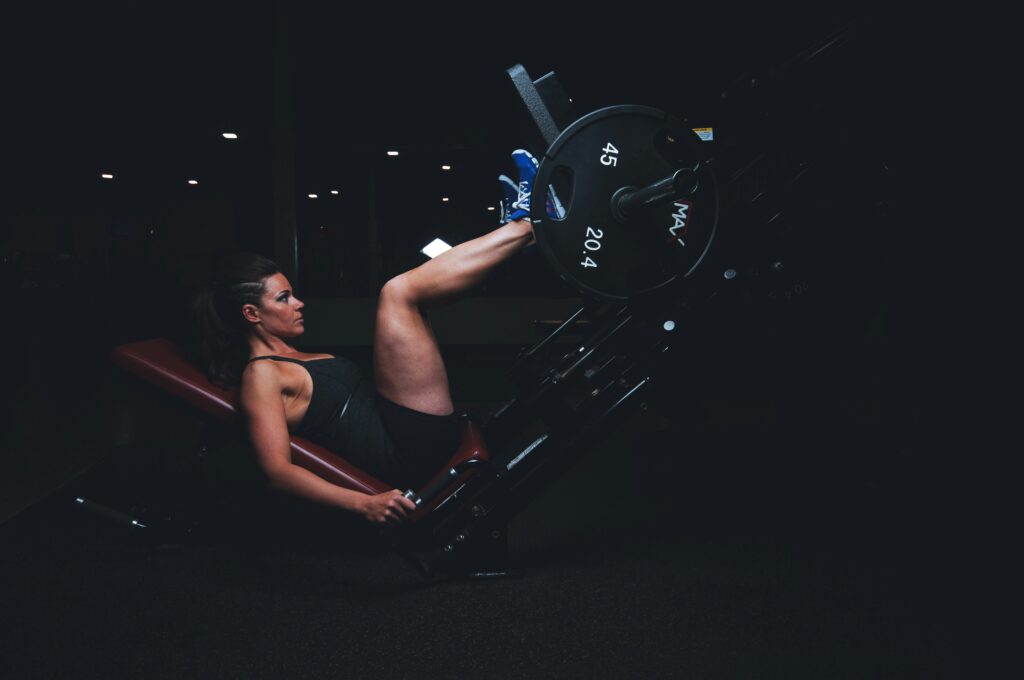
Strength training asks, “How much force can you produce?”
Hypertrophy training asks, “How much quality work can the muscle handle and recover from?”
Both matter. If you only train for strength, you may get better at lifting heavy, but you might not build as much muscle as you expect. If you only train for hypertrophy, you may build size, but you might not become as strong as you could be.
The best results often come from combining both in the right order. Build muscle so you have more tissue to work with. Build strength so that tissue can produce more force. Then add power work so you can express that force quickly.
Which One Should Beginners Focus On?
For beginners, the answer is simple. You do not need a complicated split. You need to learn the main movement patterns and get stronger with good form.
Focus on squatting, hinging, pushing, pulling, lunging, carrying, and rotating. Build those first. Your body will respond because almost everything is new.
At this stage, strength and hypertrophy overlap a lot. If you train consistently, eat enough protein, sleep well, and add weight or reps over time, you will build muscle and strength together.
How Intermediate Lifters Should Train
For intermediate lifters, the difference between strength training and hypertrophy training becomes more important. You need phases. You cannot train everything hard all the time and expect progress to continue.
You might spend 4 to 6 weeks focusing on hypertrophy to build muscle, then move into a strength phase where you teach that muscle to produce more force. This is how you build a body that is not just bigger, but more capable.
This also helps prevent plateaus. When your training has structure, each phase has a purpose. You are not just turning up and doing random exercises. You are building one quality, then using it to improve the next.
Supplements for Strength and Hypertrophy
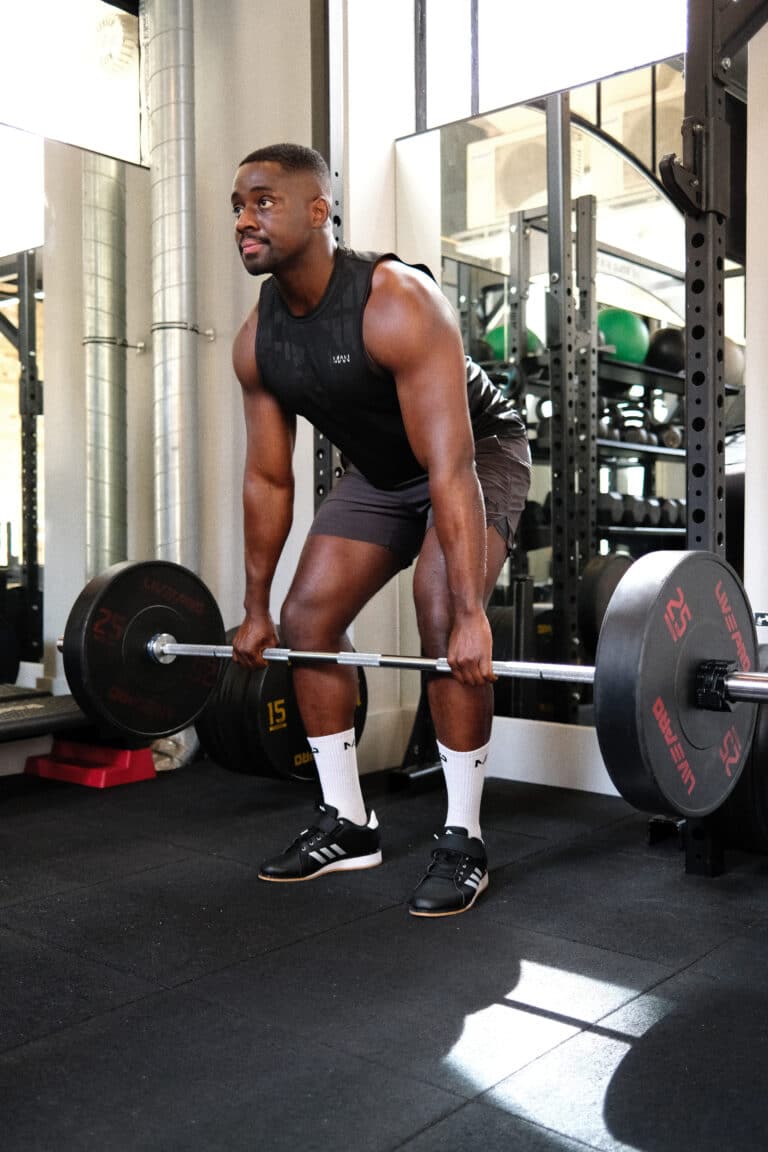
While supplements are not a magic bullet, they can help to give you an extra edge in your training. Here are a few of the most effective supplements for strength and hypertrophy:
- Creatine: Creatine is one of the most well-researched and effective supplements for increasing strength, power, and muscle mass. It works by increasing the amount of ATP (your body’s main source of energy) available to your muscles.
- Protein Powder: Protein powder is a convenient and effective way to increase your daily protein intake. Whey protein is a popular choice because it’s a complete protein that is quickly absorbed by the body.
- Pre-Workouts: Pre-workout supplements can help to improve your energy, focus, and performance in the gym. They typically contain ingredients like caffeine, beta-alanine, and citrulline malate.
What the Reddit Community Says
When it comes to workout advice, the Reddit community is a goldmine of information. I’ve spent countless hours on subreddits like r/Fitness, r/bodybuilding, and r/powerlifting, and I’ve learned a lot from the collective wisdom of the community. Here are a few key takeaways:
- Beginners should focus on strength: The general consensus on Reddit is that beginners should start with a strength-focused program like the 5×5. This will help you build a solid foundation of strength and learn the proper form for the main compound lifts.
- Don’t be afraid to experiment: Once you have a few months of consistent training under your belt, don’t be afraid to experiment with different programs and training styles. What works for one person may not work for another, so it’s important to find what you enjoy and what gives you the best results.
- Consistency is key: This is probably the most important piece of advice you’ll find on Reddit, and it’s something I preach to all of my clients. It doesn’t matter what program you’re on if you’re not consistent with your training and nutrition. Show up, do the work, and be patient. The results will come.
Track Your Progress with the 12Reps App
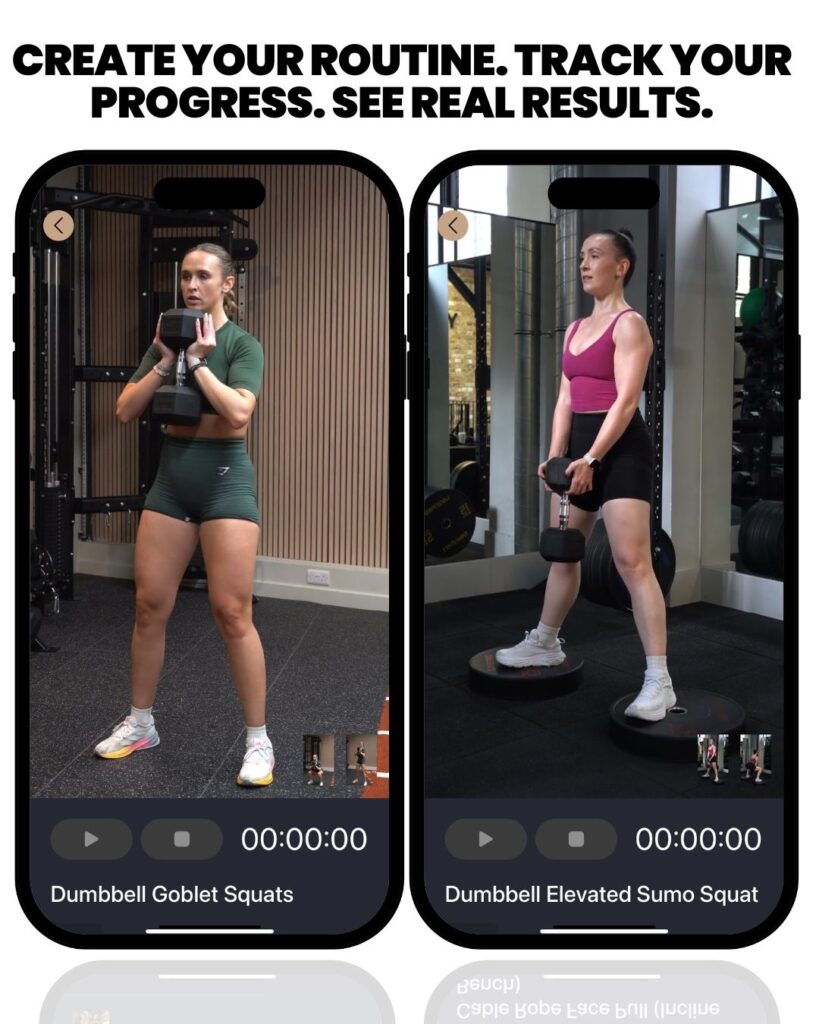
Regardless of the training style you choose, tracking your progress is crucial for achieving long-term success. This is where the 12Reps app comes in. As a strength training app and workout tracker, it’s the perfect tool to help you stay on track and reach your goals. You can use it to:
- Log your workouts: Keep a detailed record of your exercises, sets, reps, and weights.
- Track your progress: See how your strength and muscle size are improving over time.
- Stay motivated: Set goals, earn badges, and connect with a community of like-minded lifters.
Ready to start your journey? Download the 12Reps app for free and get a 7-day free trial to unlock all the premium features.
The Final Word
Strength and hypertrophy training are two sides of the same coin. While they have different primary goals, they are both incredibly effective ways to improve your health, fitness, and overall quality of life. By understanding the key differences between the two and choosing the right approach for your goals, you can build the body you’ve always wanted. So, get out there, lift some weights, and become the strongest, most powerful version of yourself.
References
- Reggiani, C., & Schiaffino, S. (2020). Muscle hypertrophy and muscle strength: dependent or independent variables? A provocative review. European Journal of Translational Myology, 30(3). https://www.ncbi.nlm.nih.gov/pmc/articles/PMC7582410/
- Schoenfeld, B. J., Grgic, J., Van Every, D. W., & Plotkin, D. L. (2021). Loading recommendations for muscle strength, hypertrophy, and local endurance: A re-examination of the repetition continuum. Sports, 9(2), 32. https://www.ncbi.nlm.nih.gov/pmc/articles/PMC7927075/
- Krzysztofik, M., Wilk, M., Wojdała, G., & Gołaś, A. (2019). Maximizing muscle hypertrophy: a systematic review of advanced resistance training techniques and methods. International journal of environmental research and public health, 16(24), 4897. https://www.ncbi.nlm.nih.gov/pmc/articles/PMC6950543/
- Alves, R. C., Prestes, J., Enes, A., de Moraes, W. M. A., Trindade, T. B., de Salles, B. F., & Aragon, A. A. (2020). Training programs designed for muscle hypertrophy in bodybuilders: a narrative review. Sports, 8(11), 149. https://www.mdpi.com/2075-4663/8/11/149