Your time shrinks
Careers, children and commutes take over. Long sessions stop happening. Training has to be short, planned and easy to start.

For 30 to 40 year olds
Work, family and a full diary make it easy to stop training. But from around 30, muscle starts to slowly decline. Strength training is how you keep it, and build more. Here is how to do it in two or three short sessions a week.
Why your 30s matter
Careers, children and commutes take over. Long sessions stop happening. Training has to be short, planned and easy to start.
Muscle mass declines slowly from around 30, and faster after 60. The loss is quiet at first. Strength training helps you keep the muscle you have and build more.
If you are coming back after years off, walking into a gym without a plan can knock your confidence. Knowing exactly what to do makes it easier to show up.
The plan
Five simple rules. Keep them simple and you are far more likely to keep going.
UK and US guidelines both say to strength train on at least two days a week. Two full-body sessions cover every major muscle group. Add a third day when two feels easy.
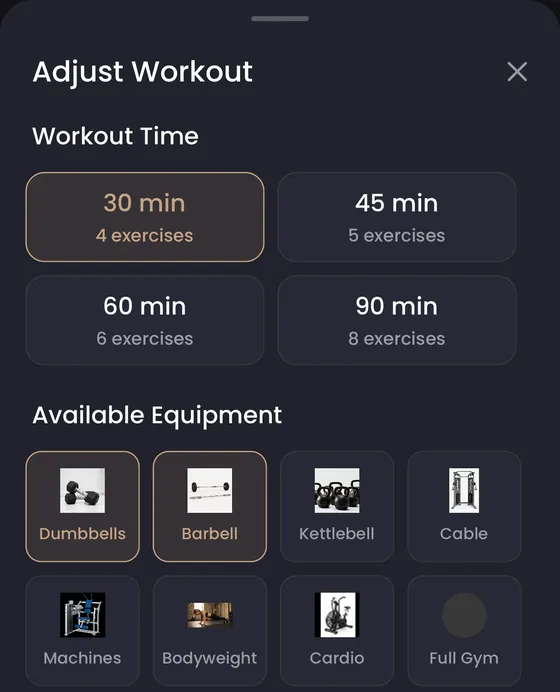
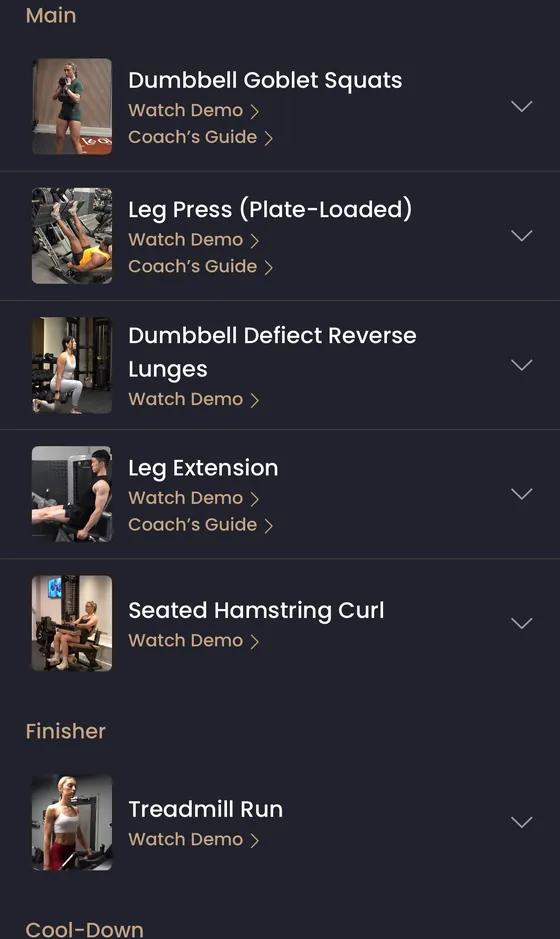
Thirty to sixty minutes with four to six exercises is plenty. Start each session with a few lighter sets. Our warm-up calculator works them out for you.
Squat, hinge, push, pull and lunge. These train the most muscle in the least time. Learn each one in the 12REPS exercise library.
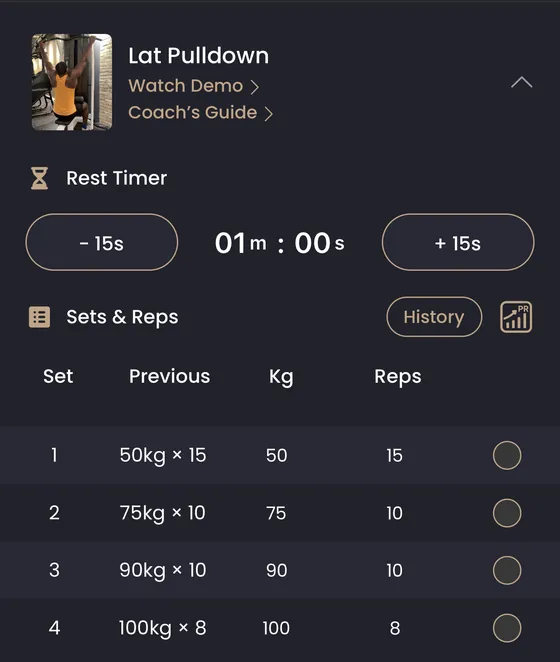
One more rep or a slightly heavier weight. Small steps add up. Use the progressive overload calculator to plan your next session.
Muscle needs protein to grow. Find your daily target and what it looks like on your plate with the protein calculator.
An example week
Two full-body sessions meet the UK and US guidelines. The third is a bonus, not a must.
Inside 12REPS
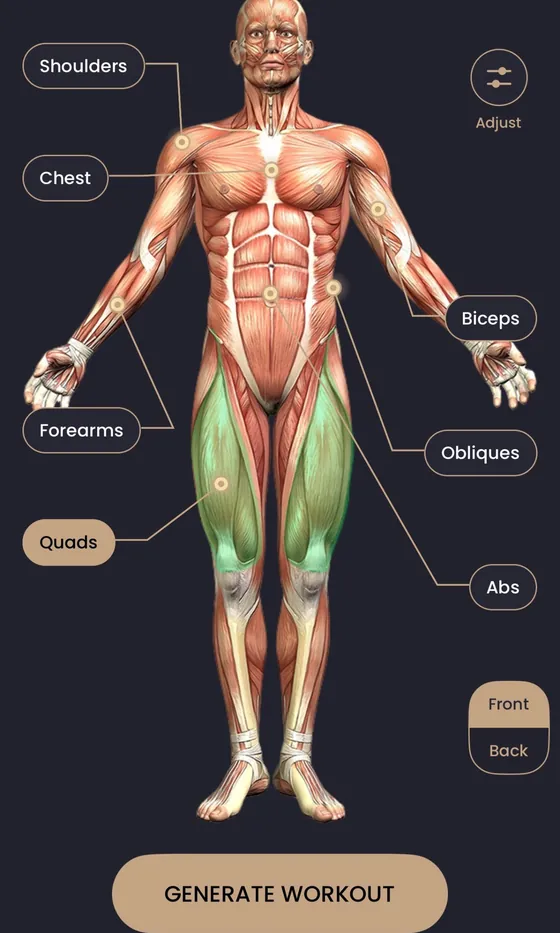
Open the app and your workout is ready. Here is how it fits around a busy week.
The founder
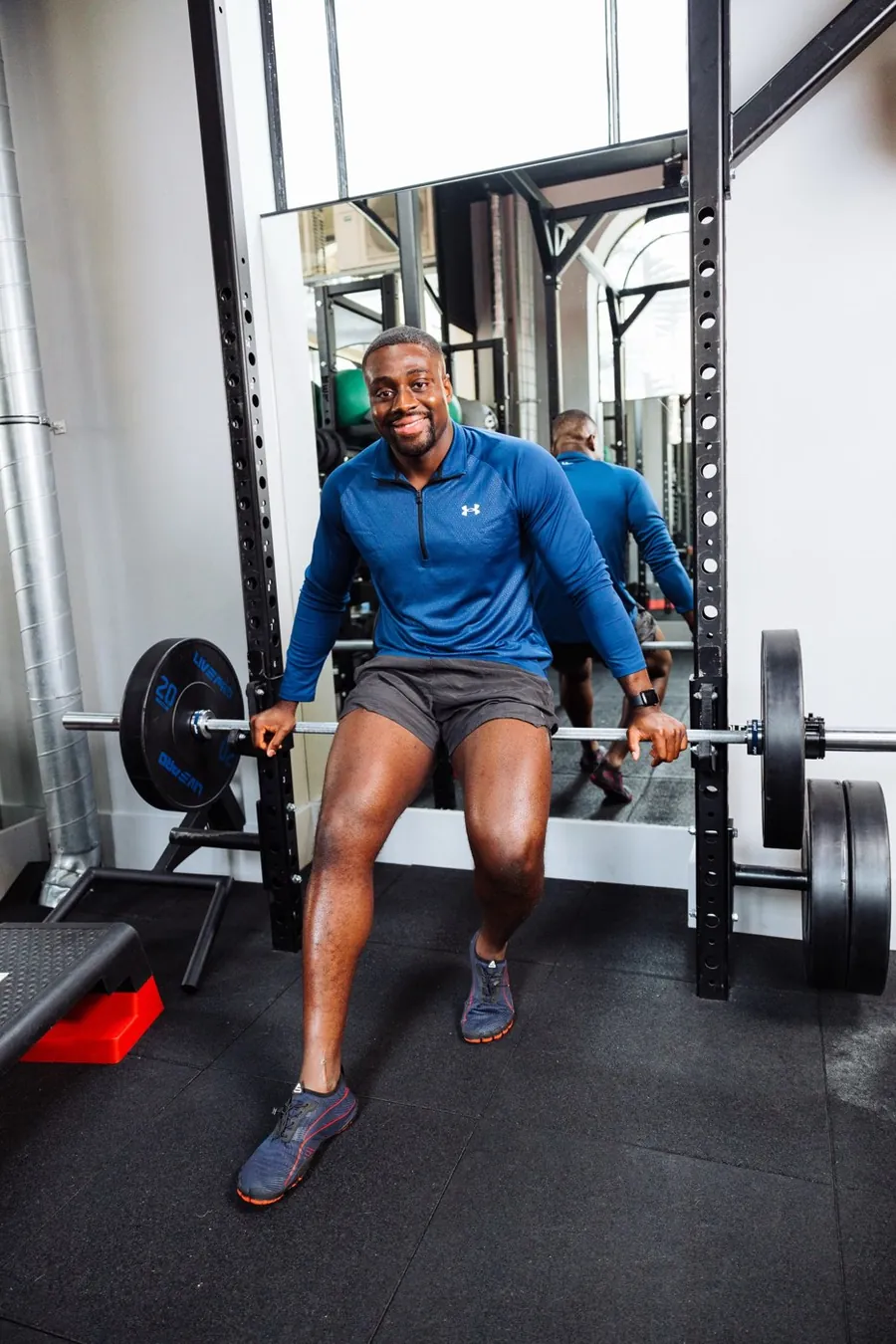
12REPS was founded by Will Duru, a personal trainer and Sport & Exercise Science graduate with more than a decade of experience coaching people in strength training.
People weren’t failing because they didn’t want to train. Many simply lacked structure, confidence and accountability. That became the foundation for 12REPS.
Will Duru · Founder & CEO · BSc (Hons) Sport & Exercise Science
Questions
No. Muscle loss with age is gradual, and research points to exercise and nutrition as ways to prevent or slow it. Starting at 35 gives you years to build a base you will keep.
Start with two. UK and US health guidelines both recommend strength training on at least two days a week. Two full-body sessions are enough to make steady progress.
Yes. In 12REPS you choose your equipment, from dumbbells or kettlebells to bodyweight or a full gym, and your workout is built around it.
The basics are the same: lift twice a week, focus on big movements, add a little each week and eat enough protein. For more detail, see our guides for women in their 30s and men over 40.
Keep going. The same basics apply. Read strength training in your 40s for what changes.
Open 12REPS, pick your time and equipment, and your workout is ready.
Written by Will Duru, BSc (Hons) Sport & Exercise Science, personal trainer and founder of 12REPS. This page gives general guidance for healthy adults. If you have a medical condition, an injury or are pregnant, speak to your doctor before starting a new exercise plan.