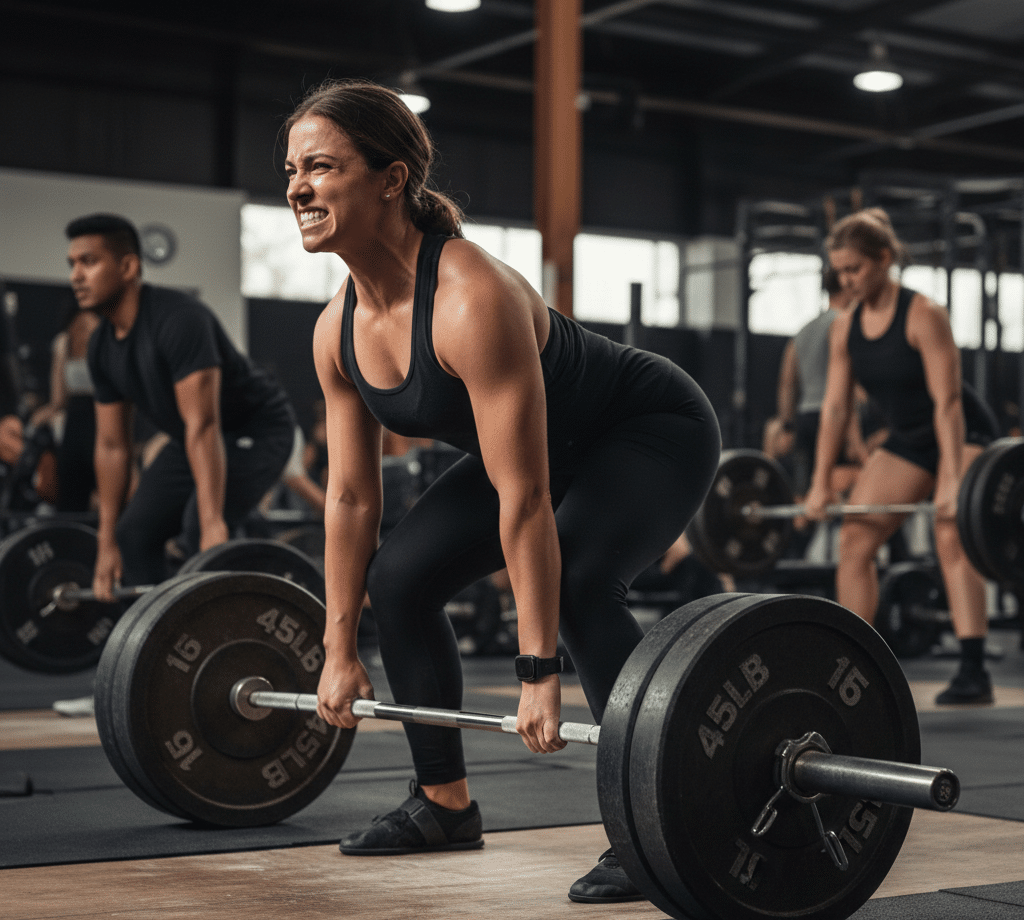




You finish a set of squats, breathing heavy, muscles burning. How long should you wait before the next set? 30 seconds? 1 minute? 3 minutes? You’re not sure, so you just rest until you “feel ready”—which might be too little or too much.
The gym sends confusing signals. Some people rest 30 seconds and keep moving quickly. Others sit for 5 minutes scrolling their phone. You’re wondering: what’s actually optimal for building muscle and getting stronger?
The truth: Rest periods dramatically affect your results—but the “right” amount depends entirely on what you’re training for.
I’m Will Duru, a personal trainer with 10+ years’ experience in London. I’ve programmed rest periods for thousands of training sessions and watched how they affect client progress.
My biggest observation: Most women rest too little (30-60 seconds) because they think longer rest means “not working hard enough.” But research clearly shows 2-3 minutes for muscle growth, 3-5 minutes for strength. The women who rest properly progress faster.
Why Rest Between Sets Matters
What happens during rest: Your muscles clear metabolic waste (lactate), replenish energy stores (ATP and creatine phosphate), and prepare for the next set.
Insufficient rest = poor performance:
- Can’t lift as much weight on subsequent sets
- Reps drop dramatically (40-60% fewer reps)
- Total workout volume decreases
- Muscle growth stimulus reduced
Will’s observation: “Client resting only 1 minute between squat sets—set 1: 60kg × 10 reps, set 2: 60kg × 6 reps (40% drop), set 3: 60kg × 4 reps. Same client resting 3 minutes—set 1: 60kg × 10, set 2: 60kg × 9, set 3: 60kg × 8. That’s 27 total reps versus 20 reps. More volume = more muscle growth.”
How Long to Rest Based on Your Goal
For Muscle Growth (Hypertrophy): 2-3 Minutes
The research: 2016 Journal of Strength & Conditioning Research study—subjects resting 3 minutes gained significantly more muscle mass than those resting 1 minute.
Why 2-3 minutes works:
- Sufficient recovery to maintain intensity across sets
- Can lift heavier weights for more reps
- Higher total volume (volume = primary driver of muscle growth)
- Energy stores adequately replenished
What this looks like (hip thrusts, 3×10):
- Set 1: 80kg × 10 reps → Rest 2-3 minutes
- Set 2: 80kg × 9-10 reps → Rest 2-3 minutes
- Set 3: 80kg × 8-10 reps
Will’s programming: “For muscle-building exercises—squats, hip thrusts, RDLs, bench press—I prescribe 2-3 minutes rest minimum. Clients initially complain it’s ‘too long’ but their progress speaks for itself. Lifts increase consistently, muscle development obvious.”
For Maximum Strength: 3-5 Minutes
The science: Full ATP and creatine phosphate recovery takes 3-5 minutes. Complete recovery allows maximum force production.
Why 3-5 minutes works:
- Complete energy system recovery
- Each set performed at near-maximum capacity
- Nervous system fully recovered
- Optimal for progressive overload
What this looks like (heavy squats, 4×5):
- Set 1: 80kg × 5 reps → Rest 3-4 minutes
- Set 2: 80kg × 5 reps → Rest 3-4 minutes
- Set 3: 80kg × 5 reps → Rest 4-5 minutes
- Set 4: 80kg × 5 reps
Will’s strength programming: “When training pure strength—heavy squats, deadlifts, bench press at 80-90% 1RM—I prescribe 3-5 minutes rest. No compromises. Clients need complete recovery to lift maximum weight safely.”
For Muscular Endurance: 30-60 Seconds
The goal: Train muscles to sustain effort whilst fatigued.
Why shorter rest works:
- Muscles must perform whilst still partially fatigued
- Heart rate stays elevated
- Improves metabolic conditioning
- Builds lactate tolerance
What this looks like (bodyweight circuits):
- 20 squats → Rest 30-45 seconds
- 15 press-ups → Rest 30-45 seconds
- 20 lunges → Rest 30-45 seconds
Will’s programming: “Endurance work—high rep bodyweight circuits, conditioning work—I use 30-60 second rest. But this is NOT what I programme for muscle growth. Different goals, different rest periods.”

Rest Periods by Exercise Type
Heavy Compound Exercises: 3-5 Minutes
Exercises: Squats, deadlifts, bench press, overhead press, barbell rows
Why longer rest:
- Multiple large muscle groups working
- High central nervous system demand
- Requires complete recovery for safety and performance
Will’s rule: “Big compound lifts always get 3+ minutes rest. Client squatting 70kg for 8 reps needs adequate recovery, rushing next set compromises form, increases injury risk.”
Moderate Compound Exercises: 2-3 Minutes
Exercises: RDLs, hip thrusts, lunges, pull-ups, dips
Why moderate rest:
- Still demanding but slightly less taxing than heavy compounds
- Adequate for maintaining performance across sets
Will’s approach: “RDLs, hip thrusts, lunges, I programme 2-3 minutes. Enough recovery to maintain intensity without sessions becoming excessively long.”
Isolation Exercises: 1.5-2 Minutes
Exercises: Bicep curls, tricep extensions, lateral raises, leg curls, calf raises
Why shorter rest works:
- Single muscle group/joint
- Less systemically fatiguing
- Recovers more quickly
Will’s prescription: “Isolations, bicep curls, lateral raises, get 1.5-2 minutes rest. Single muscle, not as demanding, don’t need 3+ minutes.”
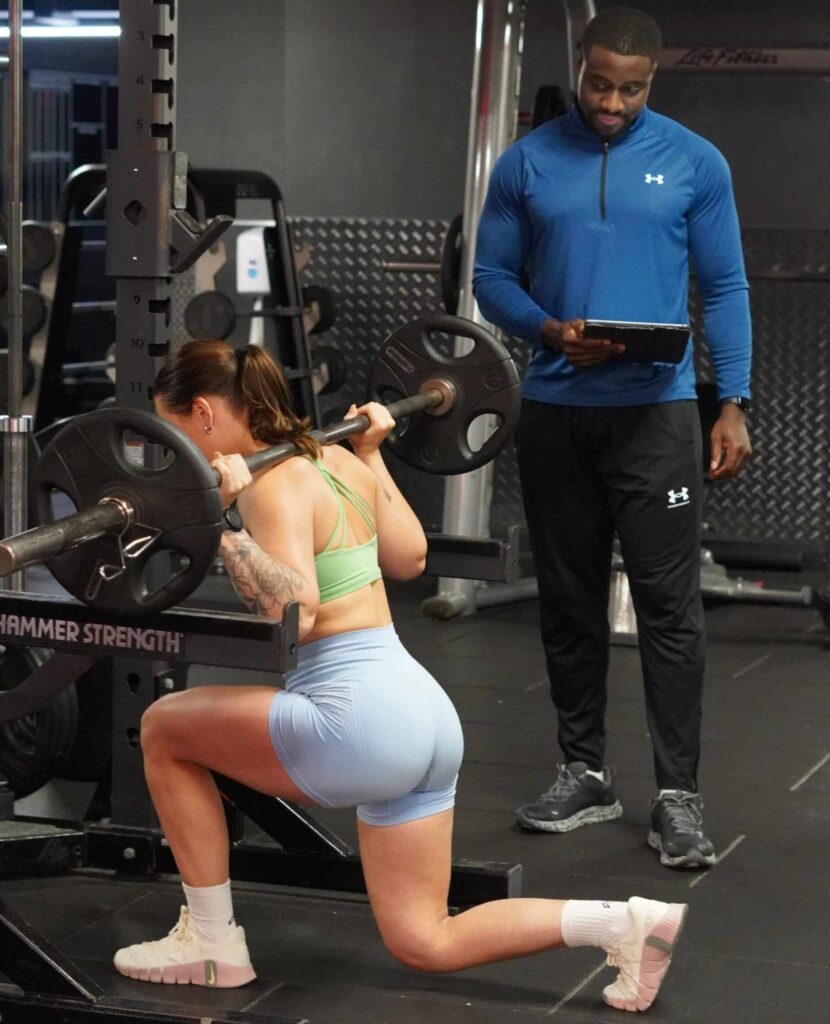
The Myth: "Short Rest = Better Workout"
The misconception: Keeping rest periods short (30-60 seconds), barely catching your breath, sweating profusely = effective workout.
Why this is wrong: While short rest creates more metabolic stress (lactate build-up, muscle burn), research shows total volume is far more important for muscle growth than metabolic stress.
The evidence: Studies comparing short rest (1 minute) versus long rest (3 minutes) consistently show longer rest = more muscle growth, because longer rest allows more total volume.
Will’s frustration: “Client insists on 1-minute rest between squats because she ‘wants to work hard.’ I explain: set 1 she does 10 reps, set 2 she barely manages 6 reps, set 3 only 4 reps. Total 20 reps. With 3-minute rest? 10, 9, 8 reps = 27 total. More volume = more growth. She’s working against herself.”
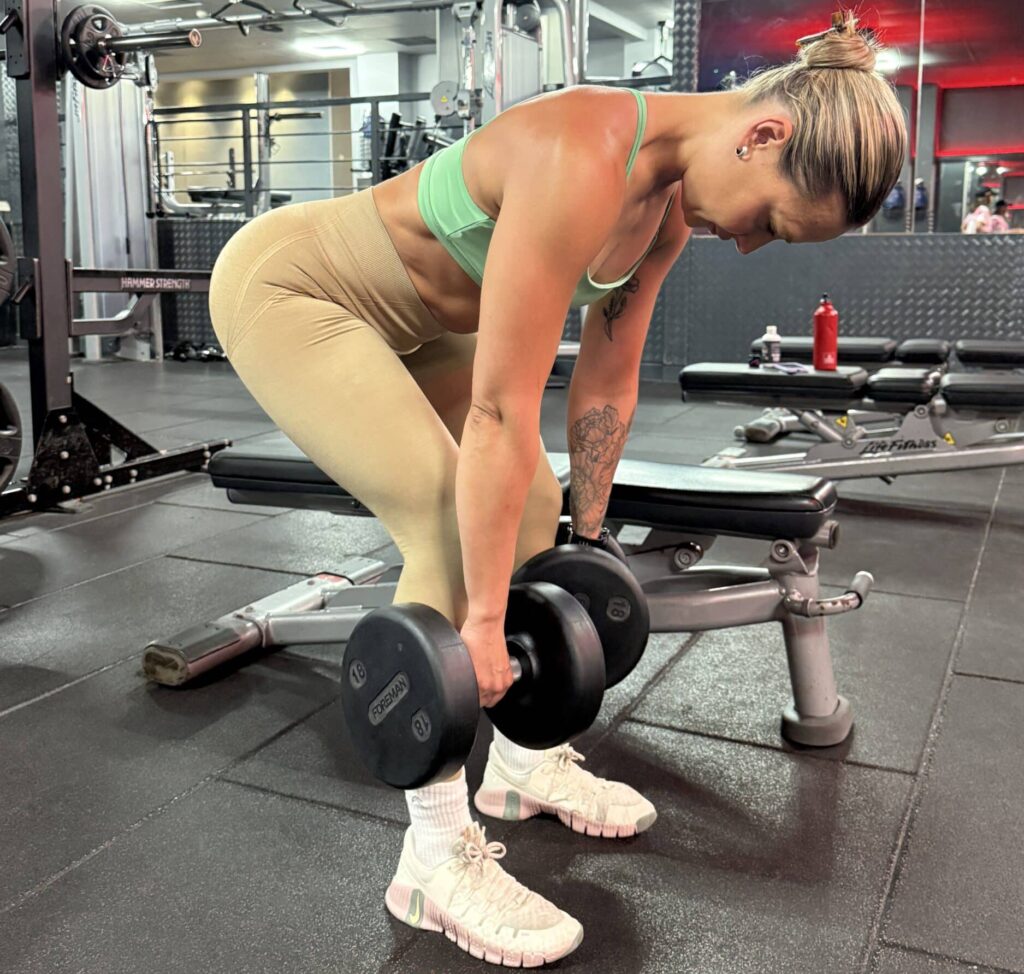
Common Mistakes About Rest Periods
Mistake 1: Resting Too Little for Muscle Growth
The problem: Using 30-60 second rest for heavy compound lifts.
Why it backfires: Performance drops dramatically on subsequent sets, total volume decreases, muscle growth compromised.
Will’s typical scenario: “Client doing heavy hip thrusts with 1-minute rest—set 1: 80kg × 12 reps (perfect), set 2: 80kg × 7 reps (42% drop), set 3: can barely manage 5 reps. I increase rest to 2.5 minutes—suddenly she’s hitting 12, 10, 9 reps across sets. Progress accelerates.”
The fix: Minimum 2 minutes for compound exercises, ideally 2.5-3 minutes.
Mistake 2: Inconsistent Rest Periods
The problem: Resting “whenever you feel ready”—sometimes 1 minute, sometimes 4 minutes.
Why it’s problematic: Can’t track progressive overload accurately if rest varies wildly between sessions.
Will’s coaching: “Use a timer. Every single set. If you rested 2.5 minutes last week and hit 60kg × 10 reps, rest 2.5 minutes this week to track real progress. Resting 4 minutes this week isn’t comparable.”
The fix: Set specific rest periods (2 minutes, 3 minutes) and stick to them consistently.
Mistake 3: Excessive Rest (5-10+ Minutes)
The problem: Scrolling phone, chatting, resting 5-10 minutes between every set.
Why it’s inefficient: Workout takes 2+ hours, heart rate drops too low, muscles cool down, workout intensity decreases.
Will’s observation: “Client taking 7-10 minute ‘rest periods’ scrolling Instagram between every set. Her 45-minute workout takes 2 hours. She’s not training hard—she’s spending 80% of time on her phone.”
The fix: 3-5 minutes maximum. Use a timer. Stay focused.
Mistake 4: Same Rest Period for All Exercises
The problem: Using 2 minutes rest for heavy squats AND bicep curls.
Why it’s suboptimal: Heavy compounds need more rest (3+ minutes), isolations need less (1.5-2 minutes).
Will’s programming: “Squats get 3 minutes, RDLs get 2.5 minutes, hip thrusts 2.5 minutes, leg curls 2 minutes, calf raises 1.5 minutes. Different exercises, different demands, different rest periods.”
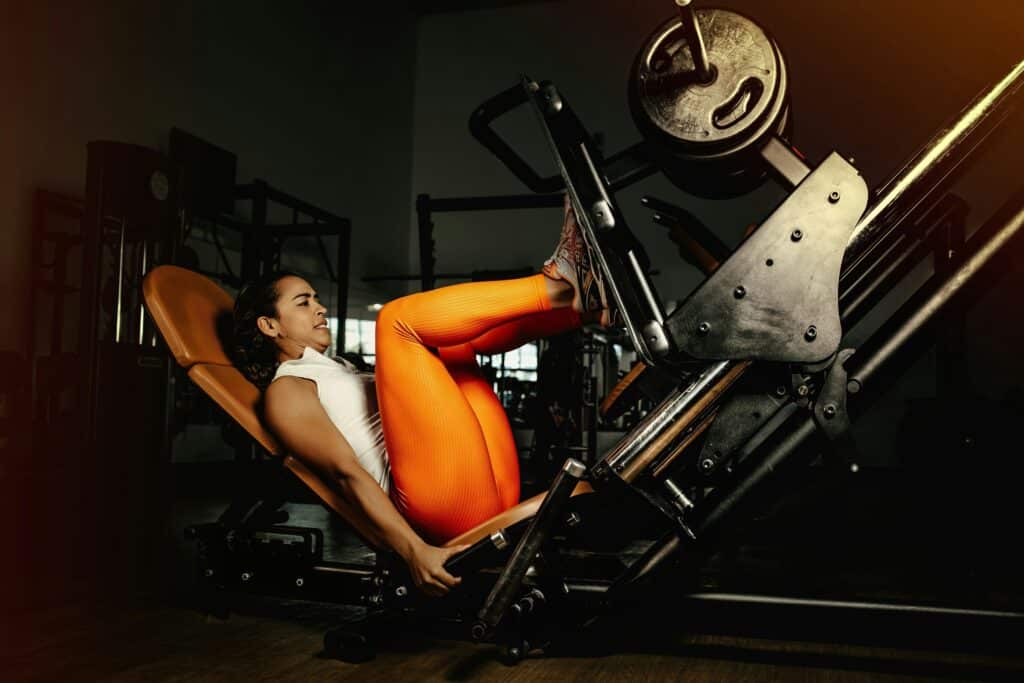
Will's Practical Rest Period Prescriptions
Beginner (0-6 Months)
Compound exercises: 2-3 minutes Isolation exercises: 1.5-2 minutes Why: Learning movement patterns, using lighter weights, don’t need maximum recovery yet.
Will’s beginner approach: “New clients I keep rest moderate—2-3 minutes compounds, 1.5-2 minutes isolations. As they get stronger and lift heavier, rest increases to 3+ minutes.”
Intermediate (6-18 Months)
Heavy compounds: 3-4 minutes Moderate compounds: 2.5-3 minutes Isolations: 2 minutes
Will’s intermediate programming: “Client squatting 60-70kg for 8 reps—I prescribe 3-3.5 minutes rest. Her lifts have plateaued with 2-minute rest, increasing to 3+ minutes allows progressive overload to continue.”
Advanced (18+ Months)
Heavy compounds (80%+ 1RM): 3-5 minutes Moderate compounds: 3 minutes Isolations: 2 minutes
Will’s advanced clients: “Client squatting 80kg+ for 6 reps gets 4-5 minutes rest. At this intensity, anything less compromises form and performance. Safety and progressive overload require adequate recovery.”
Practical Tips for Managing Rest
Use a timer: Phone timer, gym clock, smartwatch—essential for consistency.
Stay warm: Light walking, gentle stretching between sets maintains body temperature and blood flow.
Don’t scroll: Phone scrolling turns 2-minute rest into 5+ minutes. Stay present.
Prepare next set: Get plates ready, adjust bench, mentally prepare—makes rest productive.
Listen to your body: If breathing hasn’t recovered or heart rate still very elevated, take extra 30-60 seconds. Better to rest slightly longer than compromise performance.
Will’s practical rule: “I tell clients: set timer for prescribed rest (say, 2.5 minutes). When timer goes, assess. Breathing recovered? Heart rate reasonable? Go. Still gasping? Wait 30-60 more seconds. Never rush.”
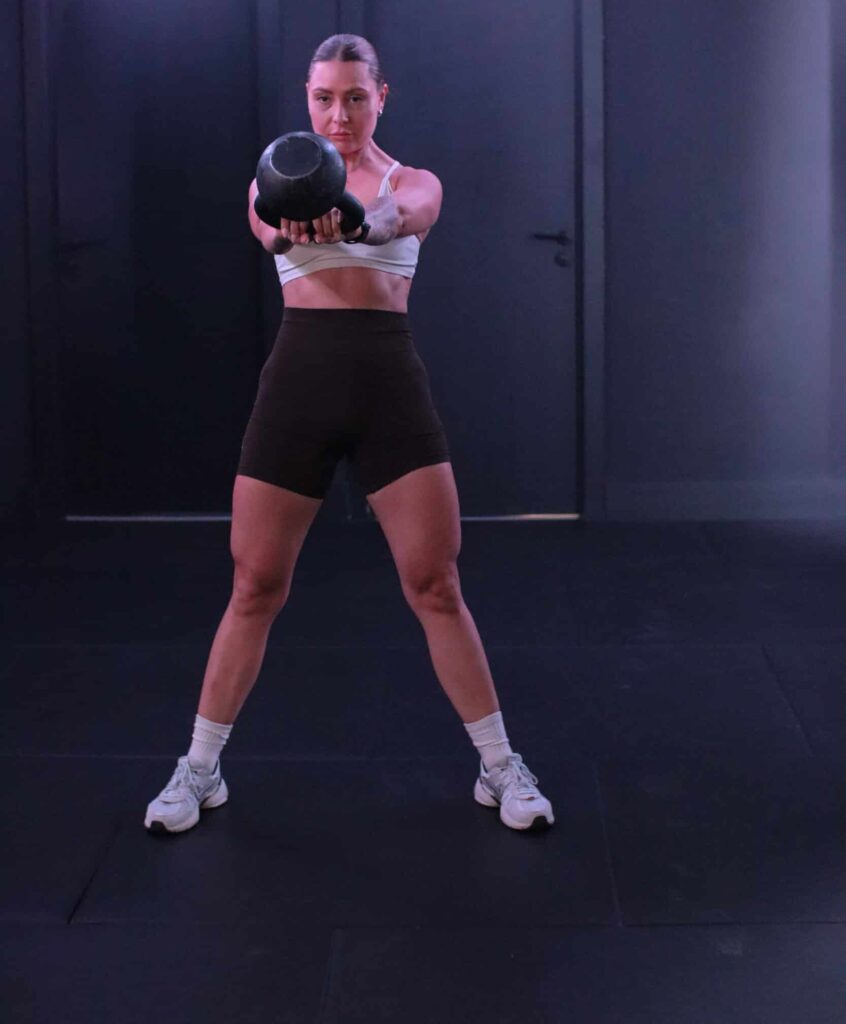
The Bottom Line
How long should you rest between sets? It depends entirely on your goal—but likely longer than you currently rest.
For muscle growth (most women’s goal):
✅ Heavy compounds (squats, deadlifts): 3 minutes minimum
✅ Moderate compounds (RDLs, hip thrusts): 2.5-3 minutes
✅ Isolation exercises: 1.5-2 minutes
For maximum strength:
✅ Heavy compounds at 80-90% 1RM: 3-5 minutes
✅ Lower intensity: 3 minutes
For muscular endurance:
✅ 30-60 seconds (specific endurance training only, NOT for building muscle)
Will’s decade of experience summarised:
✅ “Most women rest too little—30-60 seconds—thinking longer rest means not working hard. But 2-3 minutes for muscle growth is research-backed”
✅ “Client resting 1 minute between squats: 60kg × 10, 6, 4 reps = 20 total. Resting 3 minutes: 60kg × 10, 9, 8 = 27 total reps. More volume = more growth”
✅ “Heavy compounds always get 3+ minutes. Client squatting 70kg needs adequate recovery—rushing compromises form, increases injury risk”
✅ “Use a timer every single set. Rested 2.5 minutes last week, rest 2.5 this week. Consistency allows tracking real progress”
✅ “When timer goes, assess. Breathing recovered? Heart rate reasonable? Go. Still gasping? Wait 30-60 more seconds. Never rush”
✅ “Squats get 3 minutes, RDLs 2.5 minutes, leg curls 2 minutes. Different exercises, different demands, different rest periods”
Common mistakes to avoid:
❌ Resting too little for muscle growth (30-60 seconds for heavy compounds—performance drops 40-60%)
❌ Inconsistent rest (sometimes 1 minute, sometimes 4—can’t track progressive overload)
❌ Excessive rest (5-10+ minutes scrolling phone—workout takes 2+ hours)
❌ Same rest for all exercises (heavy squats need 3+ minutes, bicep curls need 1.5-2)
The myth about short rest:
❌ Short rest doesn’t equal better workout
❌ Creates more metabolic stress (burn/pump) but LESS total volume
❌ Research consistently shows 3-minute rest = more muscle growth than 1-minute rest
❌ Total volume far more important than metabolic stress
Try 12REPS free for 7 days. Get structured programmes with specific rest periods prescribed for each exercise—know exactly how long to rest for optimal muscle growth and strength gains.
Stop guessing about rest periods. Heavy compounds: 3 minutes minimum. Moderate compounds: 2.5-3 minutes. Isolations: 1.5-2 minutes. Use a timer. Stay consistent. Watch your progress accelerate.
References
- Schoenfeld, B.J., Pope, Z.K., Benik, F.M., et al. (2016). Longer Interset Rest Periods Enhance Muscle Strength and Hypertrophy in Resistance-Trained Men. Journal of Strength and Conditioning Research, 30(7), 1805-1812. https://doi.org/10.1519/JSC.0000000000001272
- Grgic, J., Lazinica, B., Mikulic, P., et al. (2017). The Effects of Short Versus Long Inter-Set Rest Intervals in Resistance Training on Measures of Muscle Hypertrophy: A Systematic Review. European Journal of Sport Science, 17(8), 983-993. https://doi.org/10.1080/17461391.2017.1340524
- Villanueva, M.G., Lane, C.J., Schroeder, E.T. (2015). Short Rest Interval Lengths Between Sets Optimally Enhance Body Composition and Performance with 8 Weeks of Strength Resistance Training in Older Men. European Journal of Applied Physiology, 115(2), 295-308. https://doi.org/10.1007/s00421-014-3014-7
- de Salles, B.F., Simão, R., Miranda, F., et al. (2009). Rest Interval Between Sets in Strength Training. Sports Medicine, 39(9), 765-777. https://doi.org/10.2165/11315230-000000000-00000