

You stand at the entrance to the weights area. Men are lifting enormous barbells. Grunting. Dropping weights. Taking up space confidently.
You feel like an imposter. You don’t belong here. Everyone’s watching you. They’ll know you don’t know what you’re doing. They’ll judge you.
So you turn around and head to the treadmill. Again.
Sound familiar?
I’m Will Duru, a personal trainer with over 10 years’ experience in London. I’ve trained hundreds of women who felt exactly this way initially. The intimidation is real. The fear of judgment is genuine. The feeling of not belonging is universal among women starting to lift weights.
But here’s the truth: nobody is actually watching you. And the unwritten rules you’re worried about breaking? They’re simpler than you think.
Here’s how to stop feeling intimidated and start feeling like you belong in the weight room.

Why Gyms Feel Intimidating (Especially for Women)
Let’s acknowledge the reality. Gym culture has historically been male-dominated. Walk into most commercial gyms and the geography is clear:
Cardio area: 70% women Weight room: 70% men
This isn’t biological. It’s cultural conditioning. Women have been taught—implicitly and explicitly—that weights are for men. That lifting makes you bulky. That the weight room isn’t your space.
This creates a self-perpetuating cycle. Fewer women in the weight room means women who do enter feel more conspicuous. Feeling conspicuous increases anxiety. Anxiety keeps women away.
Meanwhile, men have been lifting since teenage years. They’ve had a decade+ to become comfortable in that environment. You’re walking into their established territory as a newcomer.
Add to this:
- You don’t know how equipment works
- You don’t know the unwritten rules
- You’re worried about doing exercises wrong
- You’re worried about looking weak
- You’re worried about being in someone’s way
- You’re worried about being stared at
All of these fears are completely normal. Every single woman I’ve trained felt some version of this initially.
The Truth About Being Watched
Here’s what actually happens when you walk into the weight room: absolutely nothing.
The paranoid part of your brain says everyone’s staring and judging. The reality? Nobody cares. They’re focused on their own workout. They’re watching themselves in the mirror. They’re counting reps. They’re thinking about their next set.
I’ve trained in commercial gyms for over a decade. I can count on one hand the number of times I’ve seen someone actively judge another gym-goer. And in those rare instances, everyone else in the gym thought that person was a bellend.
The attention you think you’re getting doesn’t exist.
When I finally convince clients to enter the weight room despite their anxiety, they’re always surprised by this. “Nobody even looked at me,” they say. Exactly. Because nobody cares.
The only person obsessing over what you’re doing is you.
The Unwritten Rules (That Aren't Complicated)
You’re worried about breaking unwritten etiquette rules. Here they are. All of them.
Rule 1: Rerack Your Weights
When you finish with dumbbells, barbells, or weight plates, put them back where you found them. This is the cardinal rule. Break this and you’ll genuinely annoy people.
If you find equipment left out by someone else, you can either put it away (good karma) or leave it and use something else. Don’t add to the mess.
Rule 2: Wipe Down Equipment After Use
Most gyms provide antibacterial spray and paper towels. After you finish using a bench, machine, or mat, give it a quick wipe. Takes five seconds. Shows basic consideration.
Rule 3: Don’t Hog Equipment
If you’re doing 4 sets of an exercise, someone else can “work in” between your sets. If someone asks “Can I work in?”, say yes unless you’re genuinely almost finished.
Don’t sit on equipment scrolling your phone between sets whilst others wait. Rest between sets, but be reasonable.
Rule 4: Don’t Stand Directly in Front of the Dumbbell Rack
People need to access dumbbells. Don’t grab weights and immediately start exercising directly in front of the rack. Take them a few steps away.
This is the most commonly broken rule. It’s more annoying than rude. Just be aware of it.
Rule 5: Don’t Interrupt Someone Mid-Set
If you need to ask someone something, wait until they finish their set and are resting. Interrupting mid-rep is distracting and potentially dangerous.
Rule 6: Use Squat Racks for Squatting
Squat racks are for squats, overhead presses, and other barbell exercises that require the safety bars. Don’t use them for bicep curls. This will genuinely irritate people because there are usually limited racks.
Rule 7: Don’t Give Unsolicited Advice
Unless someone is about to seriously injure themselves, keep advice to yourself. Nobody wants random strangers critiquing their form.
Exception: if someone’s about to drop a loaded barbell on their neck, intervene. Otherwise, mind your business.
That’s it. Those are the rules. None of them are complicated. None require extensive gym experience. Just basic consideration and awareness.
The Truth About Being Watched
Here’s what actually happens when you walk into the weight room: absolutely nothing.
The paranoid part of your brain says everyone’s staring and judging. The reality? Nobody cares. They’re focused on their own workout. They’re watching themselves in the mirror. They’re counting reps. They’re thinking about their next set.
I’ve trained in commercial gyms for over a decade. I can count on one hand the number of times I’ve seen someone actively judge another gym-goer. And in those rare instances, everyone else in the gym thought that person was a bellend.
The attention you think you’re getting doesn’t exist.
When I finally convince clients to enter the weight room despite their anxiety, they’re always surprised by this. “Nobody even looked at me,” they say. Exactly. Because nobody cares.
The only person obsessing over what you’re doing is you.
What You’re Actually Afraid Of
Let’s dig deeper. What specifically scares you about the weight room?
Fear #1: “I’ll do exercises wrong and look stupid”
Everyone does exercises wrong initially. Every single person in that gym started as a beginner who didn’t know what they were doing. The guy squatting 140kg? He once struggled with an empty 20kg barbell.
Nobody is born knowing how to deadlift properly. Everyone learns. You’re entitled to that same learning process.
Fear #2: “I’ll be too weak and people will judge me”
You’re not too weak. You’re untrained. There’s a difference. Everyone in that gym is at a different stage of their journey. The woman overhead pressing 20kg dumbbells isn’t judging you for pressing 6kg dumbbells. She probably started with 4kg.
Strength is relative. You’re competing with last week’s version of yourself, not with random strangers.
Fear #3: “I’ll be in someone’s way”
This one has some validity, but it’s easily fixed. Don’t stand directly in front of the dumbbell rack. Don’t do an entire circuit occupying four pieces of equipment simultaneously. Give people space when they’re lifting. That’s it.
If you accidentally get in someone’s way, apologise and move. It’s not a disaster. It happens to everyone.
Fear #4: “Men will stare at me”
Unfortunately, this sometimes happens. Some men are inconsiderate. But it’s far less common than women fear.
Most men in gyms are focused on their workouts. The ones who stare? They’re universally disliked by everyone else, including other men. You’re not the problem—they are.
Headphones help. Resting bitch face helps. Ignoring them completely helps. Most commercial gyms have policies about harassment. If someone’s genuinely bothering you, tell staff.
Your First Weight Room Session: Exact Action Plan
Right. You’re going to walk into the weight room. Here’s exactly what to do.
Before You Go
Pick off-peak hours: Go mid-morning (10am-12pm) or mid-afternoon (2pm-4pm) if possible. Fewer people = less intimidating. Peak hours (6am-8am, 5pm-8pm) are crowded.
Have a plan: Know exactly which 3-4 exercises you’re doing before arriving. Wandering aimlessly while trying to figure out what to do amplifies anxiety.
Dress comfortably: Wear whatever you feel confident in. Leggings and a t-shirt are fine. You don’t need special gym clothes.
When You Arrive
Tour the space: Walk through the weight room first. Just look around. Locate equipment. Get familiar with the layout. You don’t have to start exercising immediately.
Observe quietly: Watch how others move through the space. Notice how they rerack weights. See where people warm up. Learn by observation.
Your Actual Workout
Start with one exercise: Pick ONE exercise. Maybe goblet squats. Set up in a quiet corner. Do your sets. That’s session one.
You don’t need to do a full programme on day one. Just prove to yourself that you can occupy space in the weight room and do one exercise competently.
Session two: Add a second exercise. Maybe dumbbell rows.
Session three: Add a third exercise. Build gradually.
By session five, you’ll feel noticeably more comfortable. By session ten, you’ll feel like you belong there.
Managing Anxiety in the Moment
Headphones: Music helps block out environmental stimuli and gives you something to focus on besides your anxiety.
Film yourself: Use your phone to film your sets. This serves two purposes: you can check your form, and it gives you something to do between sets besides sitting there feeling self-conscious.
Talk to yourself: Silently remind yourself that nobody’s watching you. That everyone started as a beginner. That you belong here.
Fake confidence: Stand upright. Make deliberate movements. Act like you know what you’re doing even if you’re terrified. Confidence is often performative at first.
How to Handle Specific Situations
Situation: You Don’t Know How Equipment Works
Option 1: Ask gym staff. That’s literally their job. “Could you show me how this machine works?” is a completely reasonable question.
Option 2: Watch someone else use it first, then copy.
Option 3: YouTube the equipment name before your session and watch tutorials.
Never just start randomly pulling and pushing things hoping you figure it out. Ask.
Situation: Someone’s Using Equipment You Need
Polite approach: Wait until they’re between sets, then ask “How many sets do you have left?” or “Can I work in with you?”
“Working in” means you use the equipment between their sets. You’ll need to adjust weight if you’re using different amounts. This is completely normal and expected.
If they say they’ve got 3+ sets remaining, you can either wait or do a different exercise and come back later.
Situation: You’re Not Sure If Equipment Is Free
Just ask: “Are you using this?” is perfectly acceptable. Sometimes people leave equipment whilst they get water or use the toilet. Sometimes they’ve finished and wandered off.
If nobody’s nearby and there’s no towel/water bottle indicating someone’s using it, it’s probably free.
Situation: You Make a Mistake
Acknowledge and move on: If you accidentally get in someone’s way, say “Sorry!” and move. If you forget to rerack weights once, just remember for next time.
Nobody expects perfection. Everyone makes mistakes. It’s only a problem if you repeatedly ignore etiquette after knowing better.
Situation: Someone Is Rude to You
Most likely response: Ignore them. Genuinely rude people are rare. If someone’s aggressive or inappropriate, tell gym staff immediately. Good gyms take this seriously.
Remember: Their behaviour reflects on them, not you.
Building Confidence Over Time
Gym confidence doesn’t appear overnight. It builds gradually through repeated exposure.
Week 1: Terrifying. You feel like everyone’s watching. You’re hyper-aware of every movement.
Week 2-3: Still nervous but manageable. You start recognizing regular gym-goers. The space feels slightly more familiar.
Week 4-6: Noticeably more comfortable. You know where equipment is. You’ve done exercises enough times that they feel routine.
Week 8-12: Genuinely confident. The weight room feels like your space too. You focus on your workout, not on managing anxiety.
This timeline varies individually, but the pattern is consistent: it gets easier with every session.
I trained a woman who was so intimidated by the weight room that she cried in her car before her first session. She couldn’t make herself walk in. We did session one in a quiet corner at 11am with just three exercises.
Six months later, she was training at 6pm during peak hours, overhead pressing 12kg dumbbells, completely comfortable. The transformation wasn’t dramatic—it was gradual exposure building familiarity.
Your First Weight Room Session: Exact Action Plan
Right. You’re going to walk into the weight room. Here’s exactly what to do.
Before You Go
Pick off-peak hours: Go mid-morning (10am-12pm) or mid-afternoon (2pm-4pm) if possible. Fewer people = less intimidating. Peak hours (6am-8am, 5pm-8pm) are crowded.
Have a plan: Know exactly which 3-4 exercises you’re doing before arriving. Wandering aimlessly while trying to figure out what to do amplifies anxiety.
Dress comfortably: Wear whatever you feel confident in. Leggings and a t-shirt are fine. You don’t need special gym clothes.
When You Arrive
Tour the space: Walk through the weight room first. Just look around. Locate equipment. Get familiar with the layout. You don’t have to start exercising immediately.
Observe quietly: Watch how others move through the space. Notice how they rerack weights. See where people warm up. Learn by observation.
Your Actual Workout
Start with one exercise: Pick ONE exercise. Maybe goblet squats. Set up in a quiet corner. Do your sets. That’s session one.
You don’t need to do a full programme on day one. Just prove to yourself that you can occupy space in the weight room and do one exercise competently.
Session two: Add a second exercise. Maybe dumbbell rows.
Session three: Add a third exercise. Build gradually.
By session five, you’ll feel noticeably more comfortable. By session ten, you’ll feel like you belong there.
Managing Anxiety in the Moment
Headphones: Music helps block out environmental stimuli and gives you something to focus on besides your anxiety.
Film yourself: Use your phone to film your sets. This serves two purposes: you can check your form, and it gives you something to do between sets besides sitting there feeling self-conscious.
Talk to yourself: Silently remind yourself that nobody’s watching you. That everyone started as a beginner. That you belong here.
Fake confidence: Stand upright. Make deliberate movements. Act like you know what you’re doing even if you’re terrified. Confidence is often performative at first.
How to Handle Specific Situations
Situation: You Don’t Know How Equipment Works
Option 1: Ask gym staff. That’s literally their job. “Could you show me how this machine works?” is a completely reasonable question.
Option 2: Watch someone else use it first, then copy.
Option 3: YouTube the equipment name before your session and watch tutorials.
Never just start randomly pulling and pushing things hoping you figure it out. Ask.
Situation: Someone’s Using Equipment You Need
Polite approach: Wait until they’re between sets, then ask “How many sets do you have left?” or “Can I work in with you?”
“Working in” means you use the equipment between their sets. You’ll need to adjust weight if you’re using different amounts. This is completely normal and expected.
If they say they’ve got 3+ sets remaining, you can either wait or do a different exercise and come back later.
Situation: You’re Not Sure If Equipment Is Free
Just ask: “Are you using this?” is perfectly acceptable. Sometimes people leave equipment whilst they get water or use the toilet. Sometimes they’ve finished and wandered off.
If nobody’s nearby and there’s no towel/water bottle indicating someone’s using it, it’s probably free.
Situation: You Make a Mistake
Acknowledge and move on: If you accidentally get in someone’s way, say “Sorry!” and move. If you forget to rerack weights once, just remember for next time.
Nobody expects perfection. Everyone makes mistakes. It’s only a problem if you repeatedly ignore etiquette after knowing better.
Situation: Someone Is Rude to You
Most likely response: Ignore them. Genuinely rude people are rare. If someone’s aggressive or inappropriate, tell gym staff immediately. Good gyms take this seriously.
Remember: Their behaviour reflects on them, not you.
Building Confidence Over Time
Gym confidence doesn’t appear overnight. It builds gradually through repeated exposure.
Week 1: Terrifying. You feel like everyone’s watching. You’re hyper-aware of every movement.
Week 2-3: Still nervous but manageable. You start recognising regular gym-goers. The space feels slightly more familiar.
Week 4-6: Noticeably more comfortable. You know where the equipment is. You’ve done exercises enough times that they feel routine.
Week 8-12: Genuinely confident. The weight room feels like your space, too. You focus on your workout, not on managing anxiety.
This timeline varies from person to person, but the pattern is consistent: it gets easier with each session.
I trained a woman who was so intimidated by the weight room that she cried in her car before her first session. She couldn’t make herself walk in. We did session one in a quiet corner at 11am with just three exercises.
Six months later, she was training at 6pm during peak hours, overhead pressing 12kg dumbbells, completely comfortable. The transformation wasn’t dramatic, it was gradual exposure, building familiarity.
What Other Women Actually Think
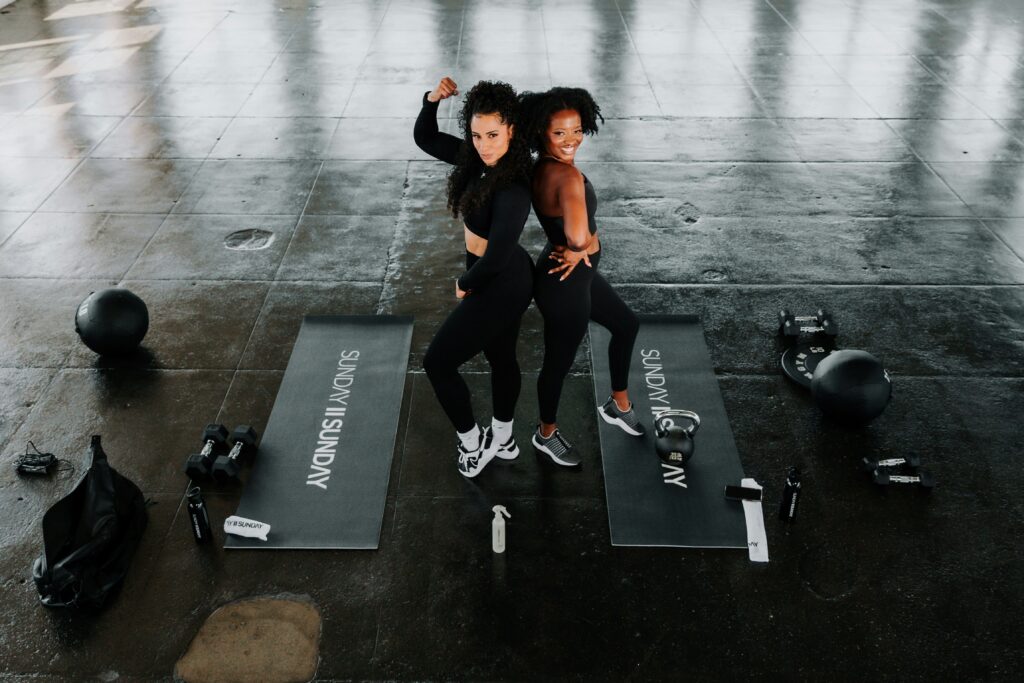
Here’s a secret: other women in the gym aren’t judging you. They’re thinking “Good for her” when they see another woman lifting weights.
Women who lift understand what it takes to walk into the weight room as a beginner. They remember their own intimidation. They’re silently supportive, not judgmental.
I’ve trained in dozens of gyms. I’ve seen countless interactions between women in weight rooms. Overwhelmingly, they’re positive. Offering to share equipment. Giving encouraging smiles. Occasionally chatting about exercises.
The judgmental mean girl nonsense from school doesn’t exist in gym weight rooms. Women who lift are generally supportive of other women who lift.
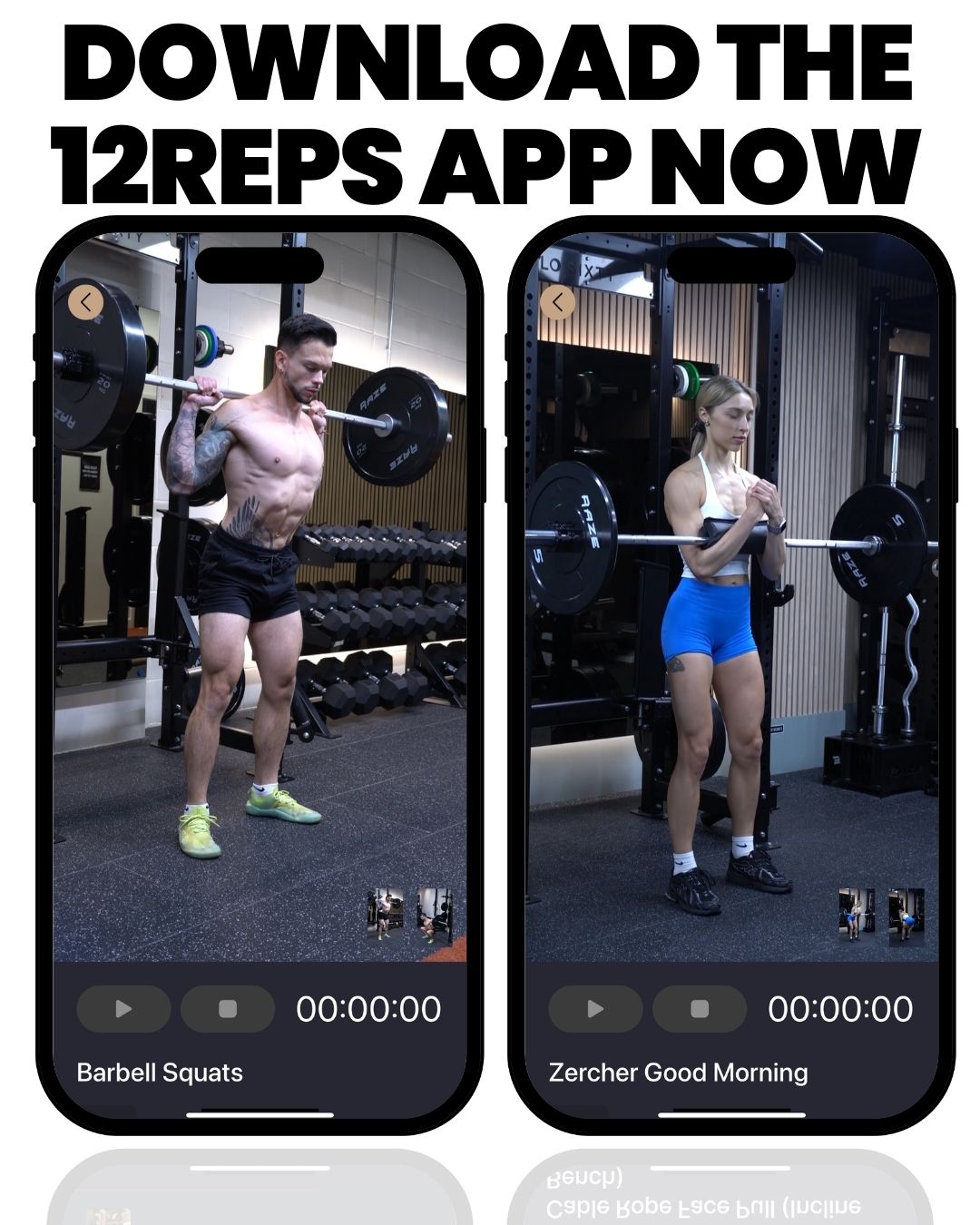
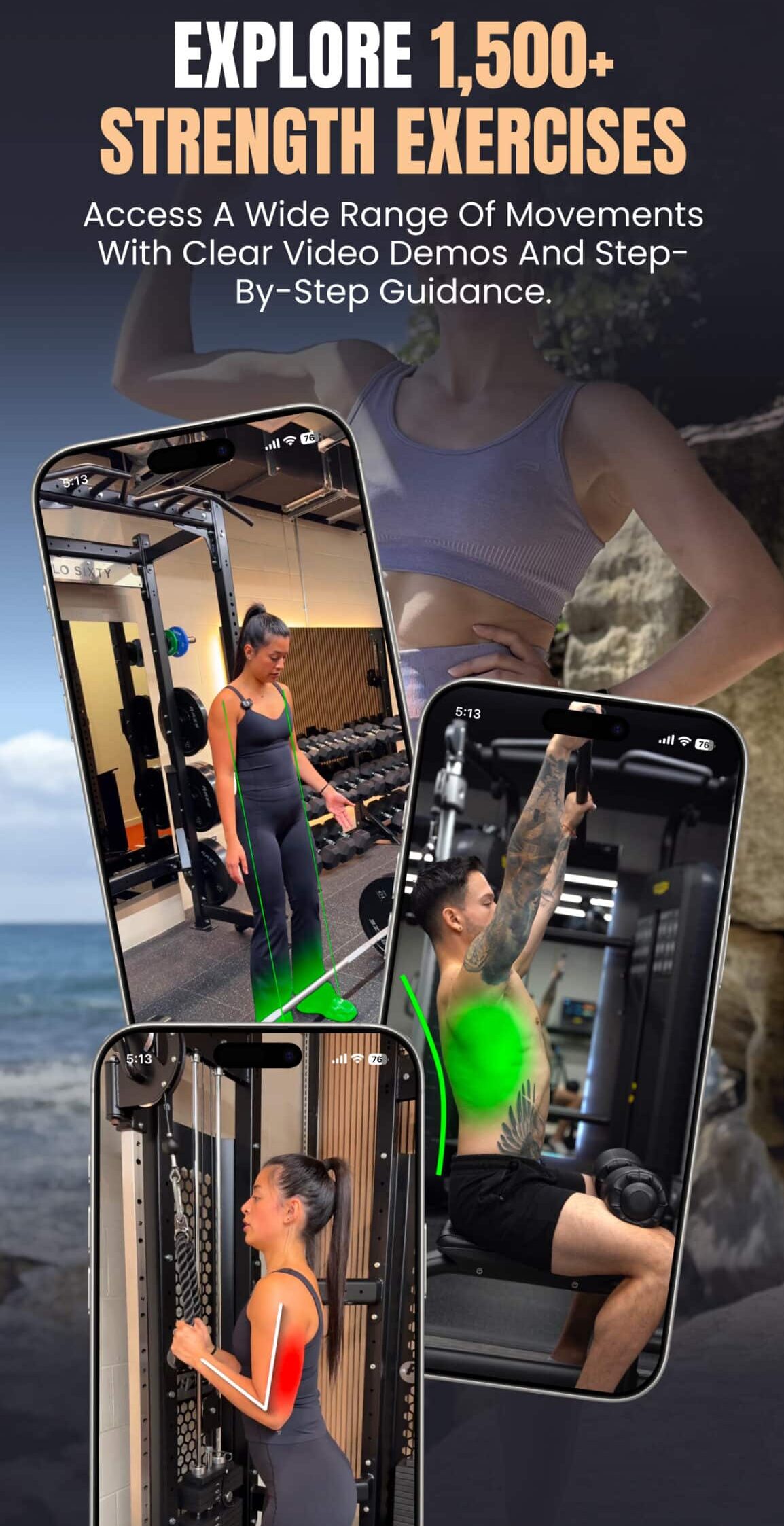
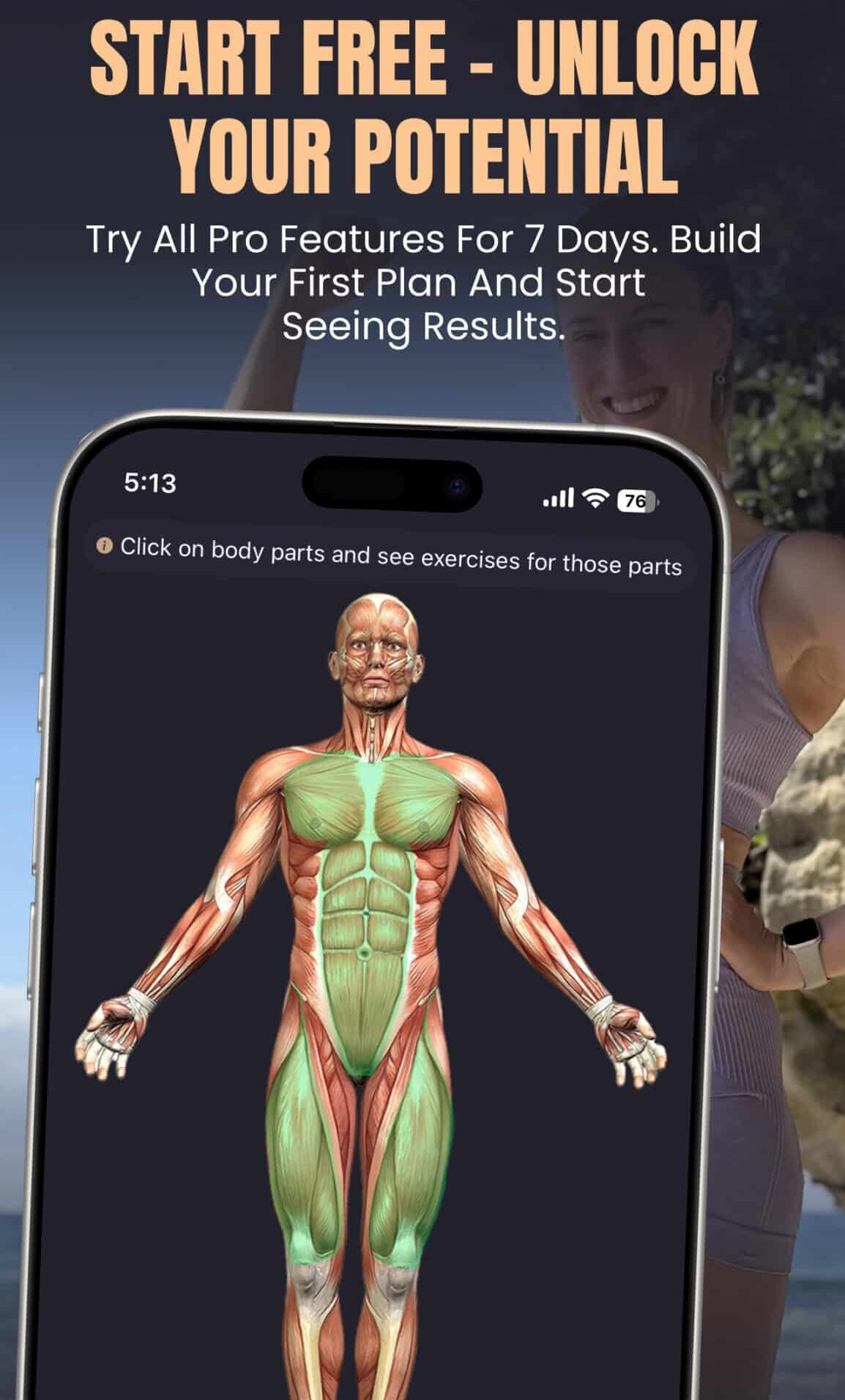
How 12REPS Helps with Gym Anxiety
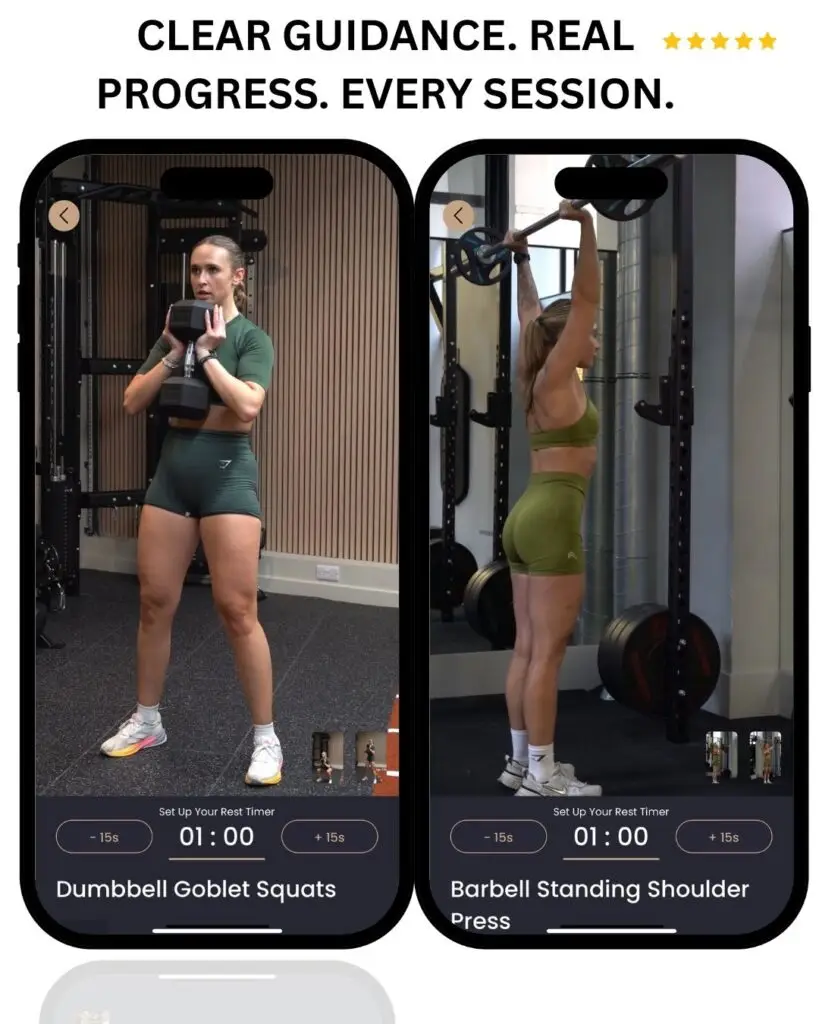
One major source of gym intimidation is not knowing what to do. You don’t have a plan. You’re worried about looking lost.
12REPS solves this completely:
Pre-programmed sessions: You walk into the gym knowing exactly which exercises to do, in which order, with how much weight. No wandering. No uncertainty.
Exercise demonstrations: Video tutorials for every movement. You can watch proper form before attempting exercises, reducing the “I’ll do it wrong” anxiety.
Gym vs home flexibility: If you’re too intimidated to go to the gym today, the app can generate a home session instead. No guilt. No pressure.
Progress tracking: Seeing your strength increase over weeks proves you belong in that weight room just as much as anyone else.
The intimidation lessens dramatically when you’re not improvising. Having a clear plan makes the weight room feel navigable rather than chaotic.
The Perspective Shift
Here’s what finally killed my gym anxiety years ago: realising that nobody in that gym thinks about me at all.
Not in a negative way. Just factually. They’re focused on their own workout. Their own goals. Their own performance. I’m completely irrelevant to their gym experience.
This was initially slightly offensive to my ego, then immensely liberating. If nobody’s thinking about me, then I can’t disappoint them or impress them or look foolish to them. I’m free to focus entirely on my own training.
You walking into the weight room doesn’t register as significant to anyone else there. You’re just another person working out. That’s it.
That’s not insulting. That’s freedom.
The Bottom Line
Gym intimidation is real. It’s particularly acute for women in weight rooms.
But it’s also conquerable through:
- Understanding that nobody’s actually watching you
- Learning the simple etiquette rules (re-rack weights, wipe equipment, don’t hog space)
- Going during off-peak hours initially
- Starting with one exercise and building gradually
- Recognising that confidence builds through repeated exposure
The women who look confident lifting weights in gyms weren’t born that way. They all started exactly where you are: intimidated, uncertain, feeling like impostors.
The only difference between them and you is that they kept showing up despite the discomfort—week after week. Until one day they realised they felt comfortable.
You can do the same. The weight room isn’t their space. It’s everyone’s space, including yours.
Two years from now, you could be the woman comfortably hip-thrusting 80kg whilst a nervous newcomer watches and thinks, “I could never do that.” Or you could still be avoiding the weight room, stuck on the treadmill, wondering what might have been.
Walk into the weight room. Do one exercise. Leave. That’s session one.
Repeat.