

I’ve been training clients for over ten years. In that time, the one thing I’ve seen more than anything else is people skipping leg day.
I get it, leg training is hard. It’s uncomfortable. Your lungs burn, your legs shake, and you can barely walk the next day. And unlike training your chest or arms, the results aren’t always the ones people are chasing. You can’t show off your quads at a barbecue the same way you can a pair of biceps.
So, people skip it. Week after week, year after year.
But here’s what I tell every single one of my clients: if you want to live longer and move better as you age, your legs are where it starts. Not your heart. Not your lungs. Your legs.
Let me explain why.

Your legs are your engine
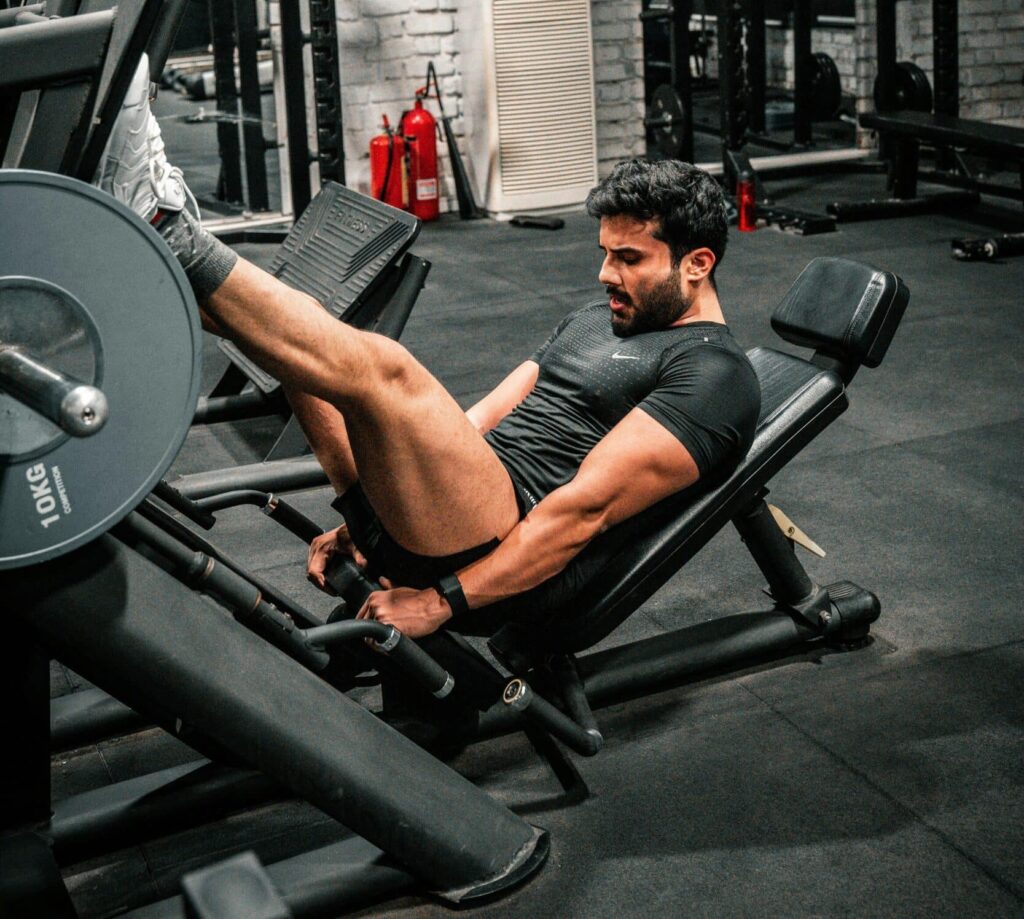
Your quads, hamstrings, glutes, and calves make up roughly 40% of your total muscle mass. That’s not a small detail; that’s most of the muscular system sitting below your waist. When you train them properly and consistently, your body responds in a way that no other muscle group can trigger on its own.
Leg training triggers the release of hormones such as testosterone and growth hormone. These hormones don’t just stay in your legs; they circulate throughout your system, supporting muscle maintenance, regulating fat metabolism, and helping your body recover faster after each session. Your insulin sensitivity improves, meaning your body handles the food you eat more efficiently. Your metabolism increases, making it easier to manage your weight over time.
No chest press or bicep curl does that at the same scale. When you train your legs, you’re not just building stronger legs. You’re telling your entire body to work better.
Muscle loss is the real enemy
Here’s something most people don’t realise until it’s already happening to them. From your mid-thirties onward, your body naturally begins to lose muscle mass. It’s called sarcopenia, and it’s one of the most significant — and most ignored — health risks in modern life.
Without resistance training, you can lose up to 8% of your muscle mass every decade. That rate accelerates after sixty. By the time most people notice it, they’ve already lost significant strength, stability, and metabolic function.
What does that actually mean in real life? It means struggling to carry shopping. It means feeling unstable on the stairs. It means recovering slowly from illness or injury. It means a slower metabolism, poorer balance, and a dramatically higher risk of falls as you get older.
Falls are one of the leading causes of death and serious disability in older adults. Weak legs are one of the biggest reasons they happen. The muscles that stabilise your knees, hips, and ankles, the muscles you build through leg training, are the same muscles that keep you upright and safe as you age.
The good news is that resistance training, especially lower-body training, is one of the most effective ways to significantly slow this process. You cannot stop sarcopenia entirely, but you can fight it. And the earlier you start, the better.
Leg strength predicts how long you'll live
I know that sounds bold. But the research backs it up.
Studies have shown that people with poor lower limb strength in midlife have a significantly higher risk of disability and early death in later life. Researchers have found that basic functional markers, such as being able to stand from a seated position without using your hands or balancing on one leg for 10 seconds, are strong predictors of long-term survival.
One study published in the European Journal of Preventive Cardiology found that muscular strength, particularly in the lower body, was one of the most reliable indicators of cardiovascular health and overall longevity. Another study in the Journal of Gerontology linked weak lower-limb strength in midlife to a significantly higher likelihood of disability and dependence in later years.
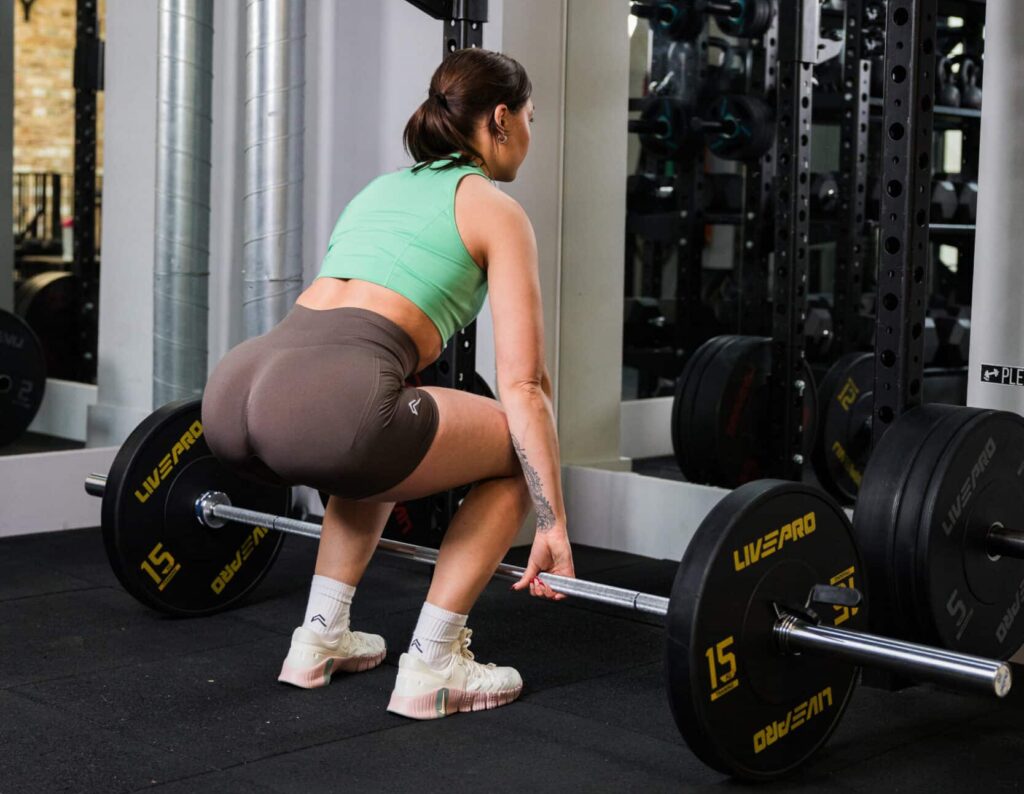
When I assess a new client, one of the first things I look at is how they move through basic lower-body patterns, a squat, a hinge, a single-leg stance. It tells me a great deal about where their health is headed if nothing changes. It also tells me exactly where we need

It's even good for your brain
This is the one that surprises people most when I bring it up.
A study from King’s College London found that leg strength was one of the strongest predictors of brain health over time. Over a ten-year period, participants with greater leg power showed significantly less cognitive decline, better memory, and more grey matter volume than those who were weaker. The difference in brain ageing between the strongest and weakest participants was striking.
The leading theory is that the mechanical loading involved in leg training — the kind of stress placed on bones, joints, and muscles during squats, lunges, and hinges — sends neurochemical signals to the brain that support its maintenance and long-term function. Some researchers also point to the cardiovascular demands of leg training, which increases blood flow to the brain in ways that lighter upper-body work simply doesn’t match.
You’re not just training your body when you train your legs. You’re protecting your mind too.
You don't need to go extreme
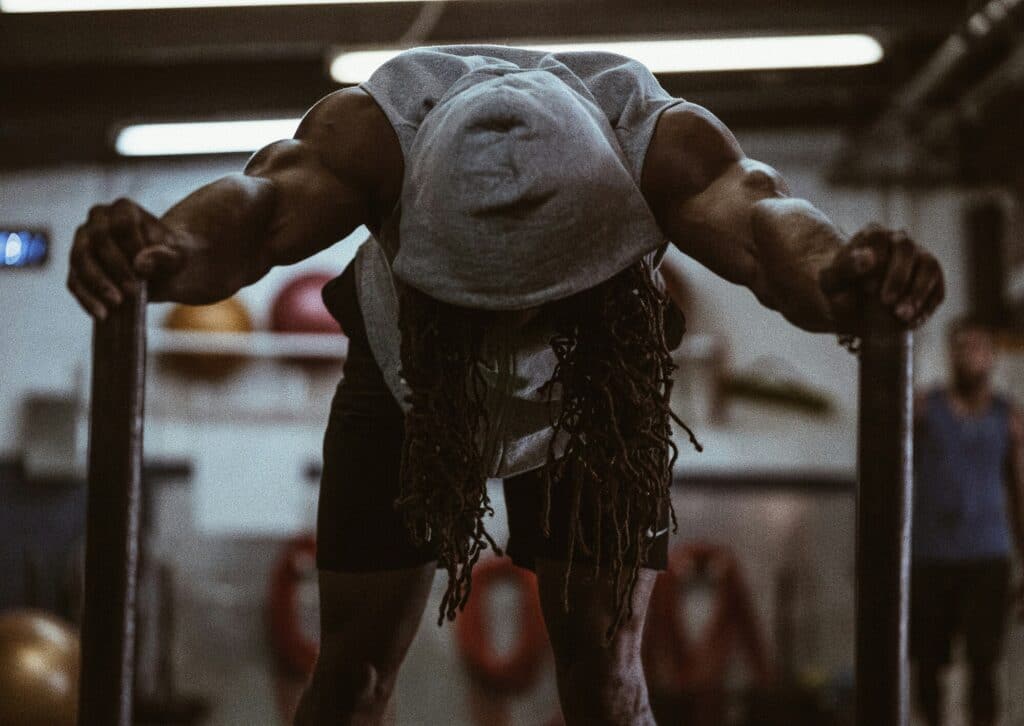
None of this requires you to become a competitive powerlifter or spend hours under a barbell. You don’t need to squat twice your bodyweight or push yourself to the point of exhaustion every session.
The research consistently shows that two to three sessions of lower-body resistance training per week, performed consistently over time, is enough to produce meaningful, lasting improvements in your strength, metabolism, and long-term health. The keyword is consistency. A moderate programme you stick to for years will always outperform an extreme programme you abandon after six weeks.
Squats, hip hinges, lunges, and glute bridges aren’t just exercises to make you look good. They are, quite literally, exercises that can extend your life.
Below are two workouts I’ve put together, one for the gym, one for home, that you can start this week.
Gym Leg Workout
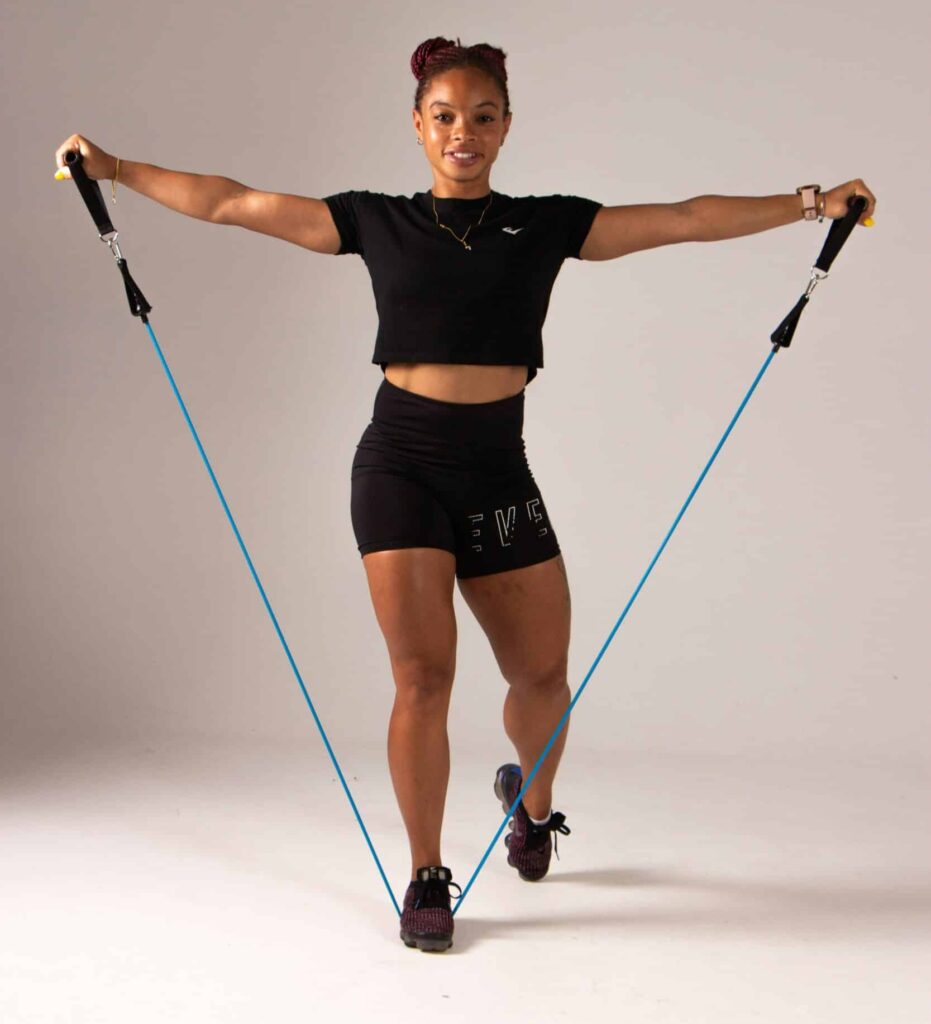
Perform this workout once or twice a week. Rest 60 to 90 seconds between sets.
- Barbell Back Squat — 4 sets of 8 reps. The foundation of lower-body strength training. Focus on depth, a neutral spine, and driving through your heels on the way up.
- Romanian Deadlift — 3 sets of 10 reps. A hinge movement that targets the hamstrings and glutes while teaching your body to load the posterior chain correctly. Control the descent.
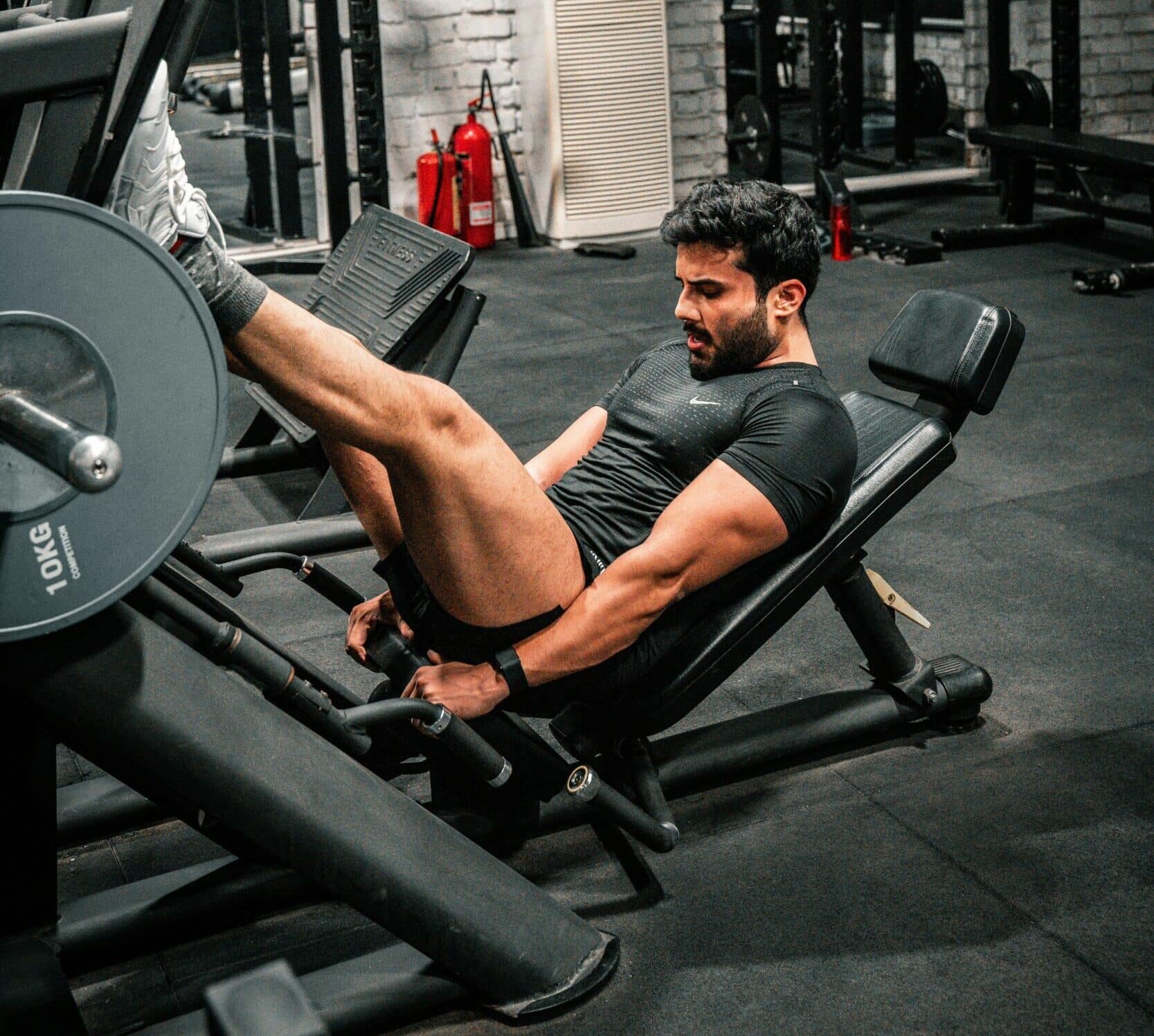
- Leg Press — 3 sets of 12 reps. A great way to add training volume without overloading the lower back. Keep your feet shoulder-width apart and avoid letting your knees cave inward.
- Walking Lunges — 3 sets of 10 reps each leg. Builds single-leg strength and stability — both of which are critical for injury prevention and everyday movement.
- Leg Curl (Machine) — 3 sets of 12 reps. Isolates the hamstrings directly. Most people neglect hamstring training, which creates an imbalance that increases injury risk over time.
- Calf Raises — 3 sets of 15 reps. Often overlooked but important for ankle stability, balance, and lower-leg strength.
Home Leg Workout
No equipment needed. Rest 45 to 60 seconds between sets.
- Bodyweight Squat — 4 sets of 15 reps. Focus on sitting back into the squat, keeping your chest up and your knees tracking over your toes throughout the movement.
- Glute Bridge — 3 sets of 15 reps. Lie on your back with your knees bent and feet flat on the floor. Drive your hips toward the ceiling, squeeze your glutes at the top, and lower with control.
- Reverse Lunge — 3 sets of 10 reps each leg. Step backwards rather than forward to reduce stress on the knee. A more controlled movement that still builds serious single-leg strength.
- Wall Sit — 3 sets of 45 seconds. Slide your back down a wall until your thighs are parallel to the floor and hold. This is harder than it looks and builds significant quad endurance.
- Single-Leg Glute Bridge — 3 sets of 10 reps each leg. A progression on the standard glute bridge. Extend one leg straight while you drive through the other. Excellent for targeting each glute individually and identifying imbalances.
- Squat Pulse — 3 sets of 20 reps. Drop into a squat and pulse up and down through a small range of motion. This builds muscular endurance and will finish your legs off completely.
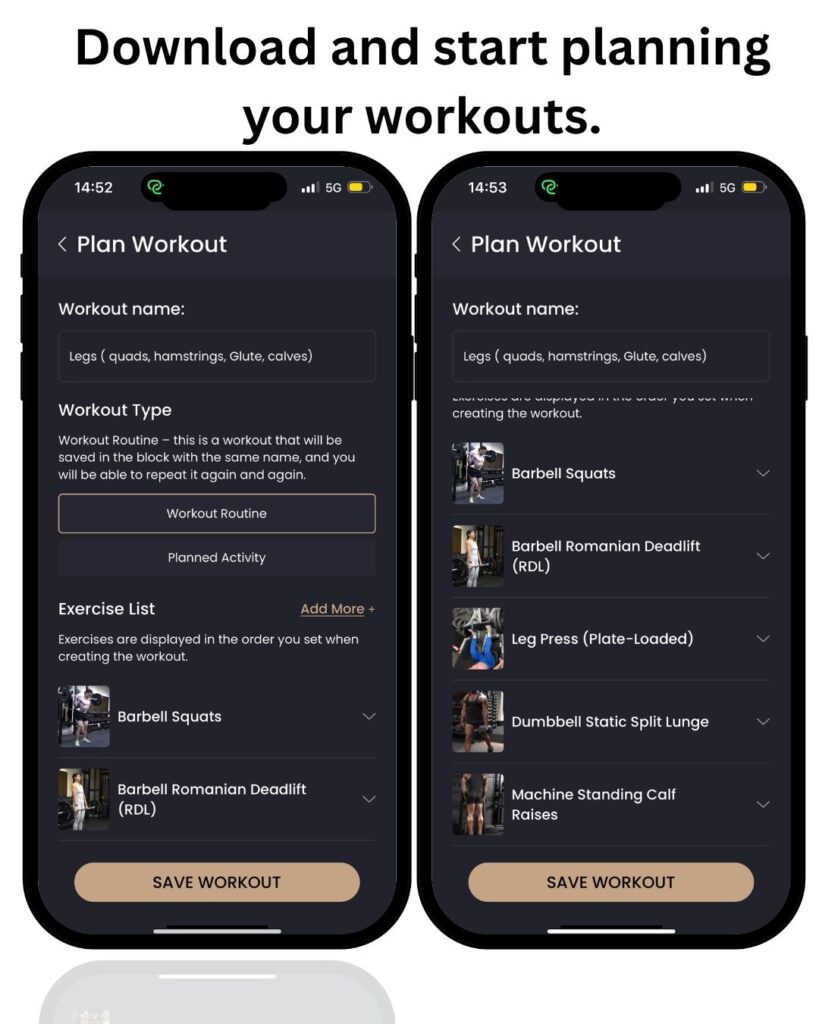
Final thought
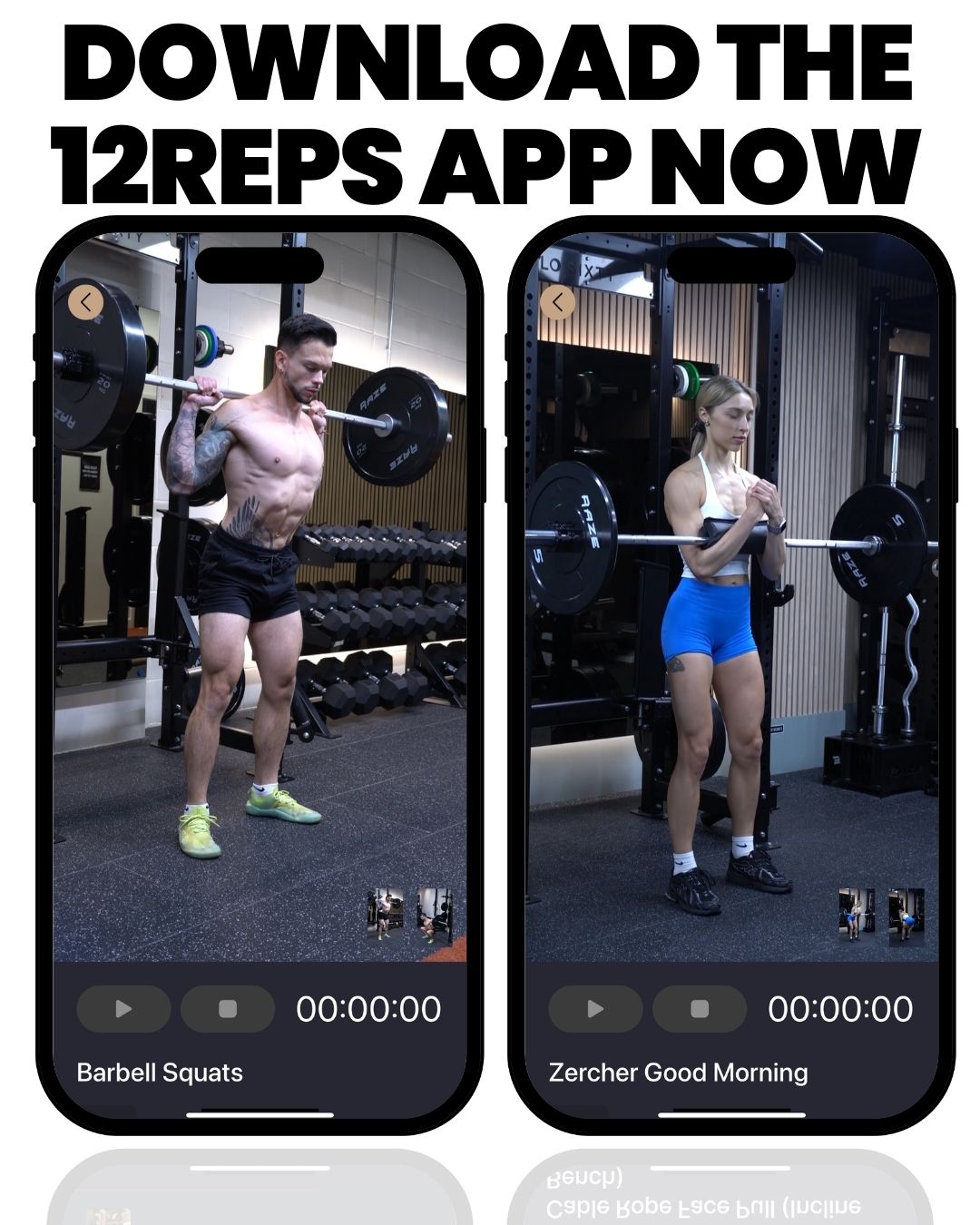
Every programme I build inside 12REPS has lower-body training at its core. Not because it’s fashionable, but because the evidence is clear and I’ve seen what it does for people over time. Clients who commit to training their legs consistently move better, recover faster, stay leaner, and feel stronger in every area of their lives — not just below the waist.
Skipping leg day isn’t just leaving gains on the table. Over the long term, it’s leaving years on the table.
Train your legs. Your future self will thank you.
Will Duru is a certified personal trainer with a BSc in Sport Science and over ten years of coaching experience. He is the co-founder and head trainer at 12REPS, a premium strength coaching app available on iOS and Android.
Ready to train with Will? Download 12REPS and start your first session today.