



By Will Duru, BSc (Hons) Sport and Exercise Science Award-winning Personal Trainer with over 10 years of experience in strength training and optimising recovery
You see one person in the gym lifting a huge amount of weight with questionable form, and another lifting much less with perfect, controlled technique. It begs the question: what’s more important for getting results, lifting heavy or using perfect form?
As a personal trainer who has spent over a decade helping women get strong, my answer is this: it’s not an “either/or” question. It’s a “both/and” progression. My passion is teaching you how to master form first, so you can then earn the right to lift heavy safely. This article will end the confusion. I’ll give you a clear framework for prioritising form and then strategically using heavy lifting to build the strong, capable body you want.
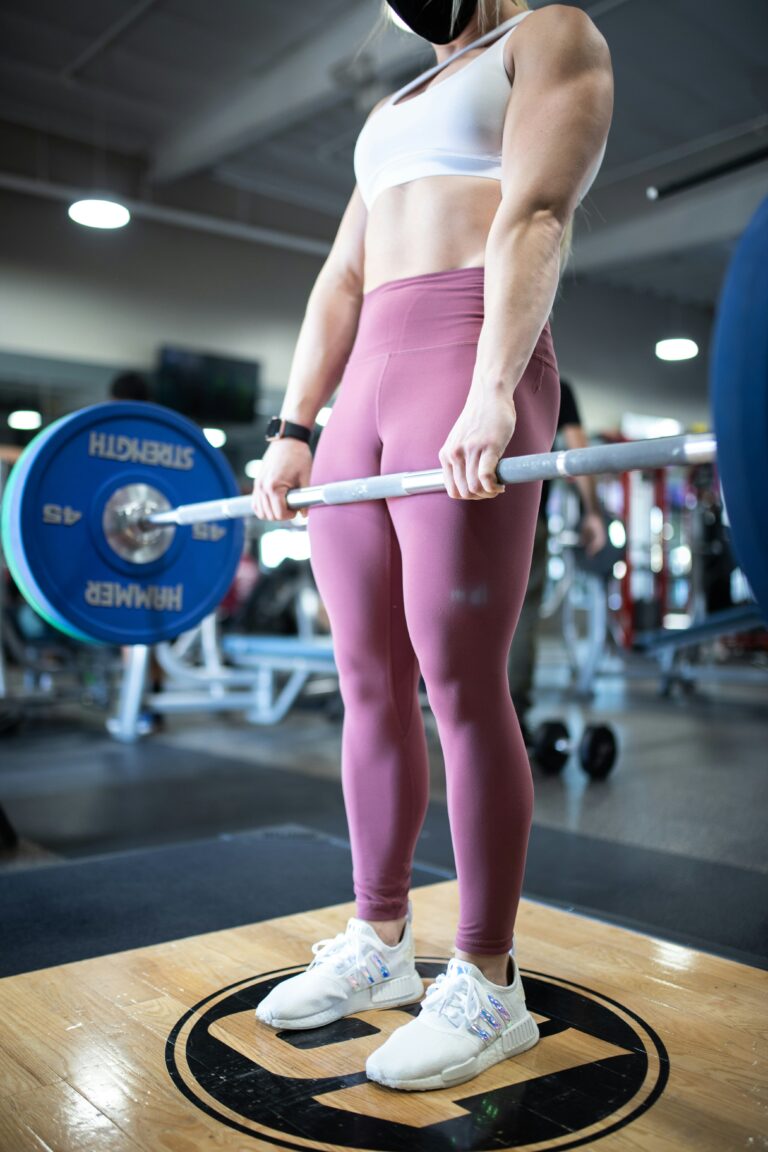
The Foundation: Why Form is King
Form always comes first. Always. Here’s why.
Injury Prevention
Lifting heavy with bad form is the fastest way to get injured and derail your progress completely. When your form breaks down, the stress shifts from your muscles, which are designed to handle load, to your joints and ligaments, which aren’t. Proper form ensures that the force is distributed correctly and that your body can handle the load safely.
I’ve seen too many people sidelined for weeks or months because they prioritized the number on the dumbbell over the quality of their movement. A herniated disc, a strained shoulder, or chronic knee pain will set you back far more than sticking with a slightly lighter weight would have.
Muscle Activation
The goal of any exercise is to work a specific muscle or muscle group. If your form is off, you’re likely compensating with other muscles, which means you’re not even getting the full benefit of the exercise. Perfect form ensures you’re hitting the target muscle effectively.
For example, if you’re doing a row to strengthen your back but you’re using momentum and jerking the weight up, you’re probably working your biceps and lower back more than your lats. The weight might be moving, but the intended muscle isn’t doing the work. You could lift half the weight with proper form and achieve better back development than lifting twice as much with poor technique.
Building a Strong Base
Think of it like building a house. You need a solid foundation before you can start adding floors. Perfecting your form is building that foundation. If the foundation is weak or unstable, everything you try to build on top of it will eventually crumble.
I once worked with a client, Sarah, who came to me frustrated that she wasn’t seeing results despite training consistently for six months. When I watched her squat, I immediately saw the issue. Her knees were caving inward, her weight was on her toes, and she was barely reaching parallel. We spent three weeks completely relearning the squat pattern with minimal weight. Once her form was solid, we gradually added load. Within two months, she had surpassed her previous personal best and finally started seeing the leg development she wanted. The difference? Correct form meant her muscles were actually working.

The Progression: Earning the Right to Lift Heavy
Once you understand that form is foundational, the next question becomes: how do you progress to lifting heavier weights?
Master the Movement First
For any new exercise, your goal is to master the movement pattern with little to no weight. Your brain needs to learn the coordination, the sequence, and the feel of the movement before your muscles can handle a heavy load. This is called motor learning, and it’s essential.
Start with bodyweight variations or the lightest dumbbells available. Focus entirely on the movement quality. Can you maintain a neutral spine? Are you moving through the full range of motion? Do you feel the right muscles working? Once you can confidently say yes to these questions for multiple sessions, you’re ready to add load gradually.
The “Good Enough” Form Principle
Here’s an important nuance: form doesn’t have to be 100% perfect all the time, especially as you get stronger and start challenging yourself with heavier weights. As you lift heavier and get closer to failure, your form might break down slightly on the last rep or two. A little bit of what I call “form creep” is acceptable and even expected.
The key is understanding the difference between slight form degradation and dangerous form breakdown. If your final rep of a set looks 90% as good as your first rep, that’s acceptable. If it looks completely different, jerky, or puts you in a compromised position, that’s a problem.
The Role of Tracking
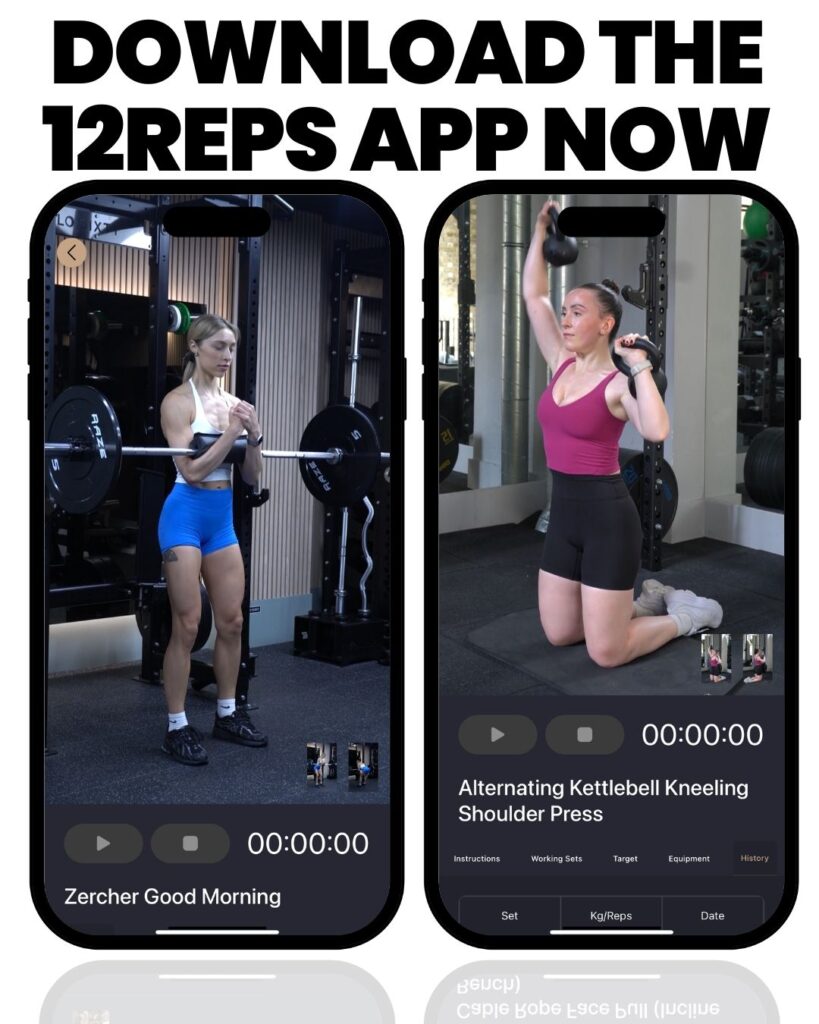
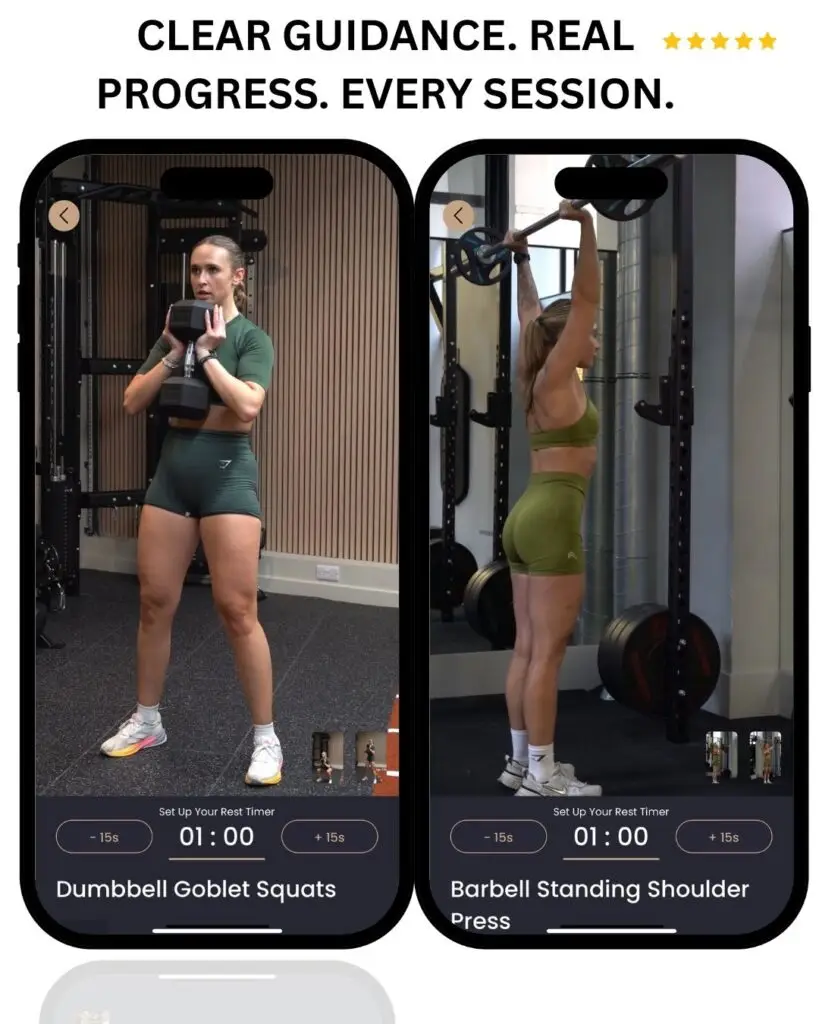
How do you know if your form is consistent? You track your workouts and pay attention. The 12reps app is the best strength training app for this because you can add notes about your form for each exercise. For example, “Felt a bit wobbly on the last set” or “Form stayed solid throughout.” This data is crucial for making smart decisions about when to increase weight. Download it for a free trial and start building your awareness of how your technique holds up under different loads.
When to Push It: The Role of Heavy Lifting
Once you’ve established good form, heavy lifting becomes a powerful tool for continued progress.
Heavy Lifting for Strength
To get significantly stronger, you do eventually need to lift heavy, typically in the 1 to 6 rep range. Lifting heavy trains your nervous system to recruit more muscle fibers simultaneously, which is a key driver of maximal strength gains. This is why powerlifters and strength athletes spend time working with very heavy loads.
Research shows that while moderate weights can build muscle effectively, heavy lifting is superior for developing maximal strength and power. There’s a unique adaptation that occurs when you handle loads at 85% or more of your maximum capacity.
Strategic Heavy Lifting
You don’t need to lift heavy on every single exercise to get results. Strategic heavy lifting means choosing one or two main compound movements per workout where you push the intensity after a thorough warm-up. Perhaps you go heavy on squats but keep your accessory exercises at moderate weights. This allows you to gain the benefits of heavy lifting without accumulating excessive fatigue or injury risk.
Listen to Your Body
Some days you’ll feel strong and ready to push it. Your warm-up feels smooth, your energy is high, and heavier weights feel manageable. Other days, despite your best intentions, the weights feel heavy and your form feels off. It’s acceptable to back off and focus on proper form with lighter weights on those days. This isn’t weakness, it’s intelligence. Smart training means knowing when to push and when to pull back.

Conclusion
Stop thinking of it as a choice between form and weight. Think of it as a journey. Master the form first, then gradually and intelligently add weight. That is the sustainable, long term path to getting incredibly strong without the setbacks of injury or poor movement patterns.
The hierarchy is clear: form is the foundation, and heavy lifting is the reward you earn through excellent technique. Every rep you perform with solid form is building your capacity to handle more load safely. Every time you choose to maintain technique over ego lifting, you’re investing in your long-term progress.
In your workout log this week, add a note about your form for each exercise. This simple act of self awareness is the first step to smarter training. Notice when your form stays solid and when it starts to break down. Use that information to make better decisions about progression. Your future, stronger self will thank you for building this foundation properly.