


By Will Duru, BSc (Hons) Sport and Exercise Science, Award-winning Personal Trainer with over 10 years of experience in strength training and optimising recovery
This 12-week push/pull/legs program for runners is a gym plan you do three times a week alongside your running. It uses dumbbells, TRX straps, kettlebells and machines, with core work in every session. Over three 4-week phases, it moves from technique to strength to power.
Runners often come to me after something has already gone wrong: tight hips, sore knees or calf pain that keeps coming back. They are fit enough to run, but not yet strong enough for the repeated impact. Many avoid lifting because they think it will make them bulky, slow or too sore to run. For runners, strength training is not bodybuilding. It is about building a body that can handle the miles.
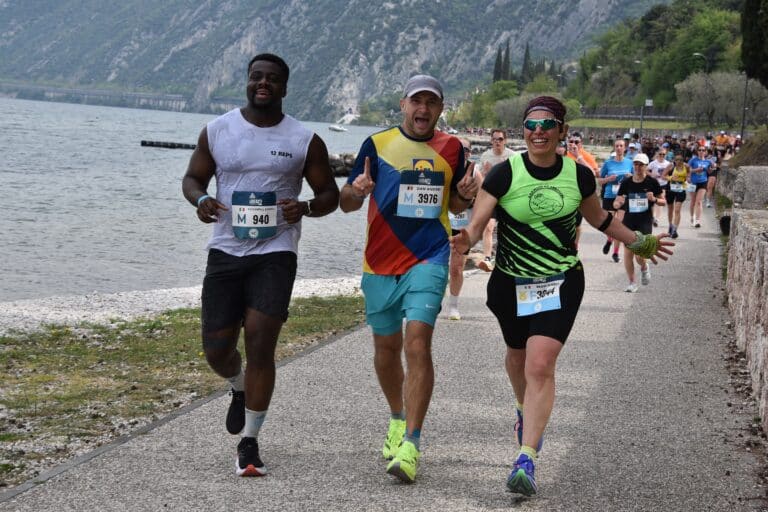
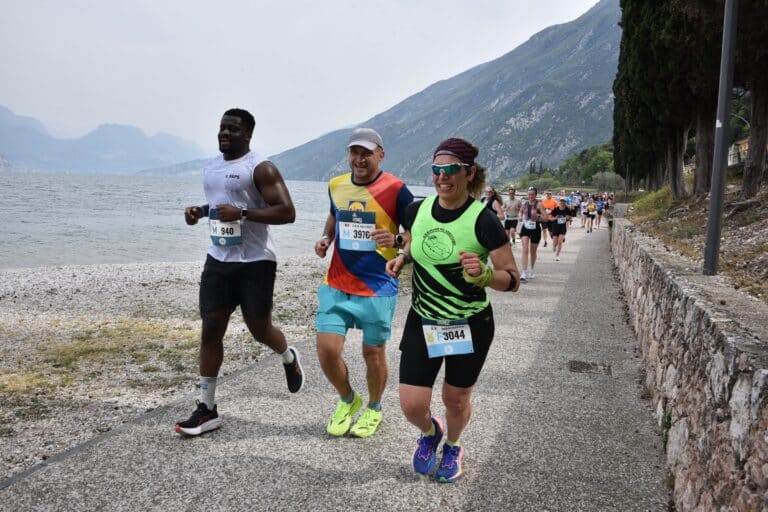
I saw this for myself when I ran the Lake Garda Half Marathon at 115 kg. Strength training gave me the joint control and muscular endurance to cover the distance.
Which runners’ plan should you choose?
- Full gym and 12 weeks: this program.
- Home or small gym, mostly body weight and dumbbells: the 12-week minimal-equipment program for runners.
- A shorter gym block: the 6-week push/pull/legs gym program for runners.
- Only two sessions a week: the 12-week, two-workout plan for female runners.
What strength training does for runners
The clearest benefit is running economy: the energy you use to hold a given pace. Better economy means the same pace costs you less.
- A systematic review of 24 studies found that strength training improved running economy by 2 to 8% in most studies that measured it (Blagrove and colleagues).
- Time-trial results over 1.5 to 10 km also tended to improve. VO2max, your maximum aerobic capacity, usually did not change.
- A meta-analysis found that both heavy weight training and explosive training improved running economy. Longer programs tended to give larger gains (Denadai and colleagues).
That is why this program runs for 12 weeks and finishes with a power phase. Explosive means moving the weight, or your body, as fast as you can with control.
Does strength training reduce running injuries?
Running injuries are common. A systematic review found that 19 to 79% of distance runners had a lower-limb running injury in the studies it covered. The knee was the most common site, and a previous injury was a strong risk factor (van Gent and colleagues).
The evidence that strength training lowers that risk is mixed:
- A 2024 meta-analysis of nine studies with 1,904 endurance runners found that exercise-based programs did not clearly reduce injury risk. Supervised programs looked more promising, but most studies were low quality (Wu and colleagues).
- A trial followed 720 first-time marathon runners. A self-directed 12-week strength program did not reduce overuse injuries that stopped people finishing: 7.1% versus 7.3% (Toresdahl and colleagues).
So treat strength work as part of good training, not as an injury shield. Build your mileage gradually, and get injuries checked by a doctor or physiotherapist instead of training through pain.
Strength for the long run
Strength training also supports long-term health. A review of cohort studies linked muscle-strengthening activity with a 10 to 17% lower risk of death from any cause, heart disease, cancer and diabetes. People who did both muscle-strengthening and aerobic activity had a 40% lower risk of death from any cause than those who did neither (Momma and colleagues). These studies show an association, not proof that lifting causes the benefit.
How the 12-week program is built
You train three times a week. Each session pairs one movement group with core work:
- Push + core: chest, shoulders and triceps.
- Pull + core: back, biceps and rear shoulders.
- Legs + core: quads, hamstrings, glutes and calves.
The exercises change every 2 weeks, inside three phases:
- Phase 1, weeks 1 to 4, foundation: learn the movements and build control on one leg.
- Phase 2, weeks 5 to 8, strength development: heavier loads and harder single-leg work.
- Phase 3, weeks 9 to 12, power and performance: explosive lifts and jumps.
Every exercise uses 4 sets, mostly of 10 to 12 reps. The load and the exercise choice are what change from phase to phase.

The 12-week push/pull/legs program for runners
Warm up for 5 to 10 minutes before each session, then follow the table for your week. Rest for the time listed between sets. Our guide on how long to rest between sets explains why heavier lifts need longer breaks.
How to read the Load column:
- Light: you finish each set with plenty of reps left. In weeks 1 to 2, this is about 60% of the most you could lift once.
- Light-moderate or moderate: the last 2 to 3 reps feel challenging.
- Moderate-heavy or heavy: the last 1 to 2 reps are hard, but your form stays clean.
- Lift fast: move the weight at full speed, but with control. Stop the set when you slow down.
- 5-10% more: add that much to the weight you used in the previous two weeks.
Phase 3 includes jumps and bounds. If you are new to jumping or coming back from an injury, repeat Phase 2 instead and build up first. Always step down from a box rather than jumping down.
Video: Dumbbell goblet squats. The goblet squat opens legs day in weeks 1 and 2. Watch this demo before your first session to see the depth and upright posture to aim for.
Video: Dumbbell RDL. The dumbbell Romanian deadlift is also on legs day in weeks 1 and 2. Watch it to see how your hips move back while your back stays flat, before you load the hinge in later phases.
Phase 1: Foundation (weeks 1 to 4)
Weeks 1 and 2
Day 1: Push + core
| Exercise | Sets | Reps | Load | Rest |
|---|---|---|---|---|
| Dumbbell chest press | 4 | 10-12 | Light | 60-90 seconds |
| Dumbbell shoulder press | 4 | 10-12 | Light | 60-90 seconds |
| TRX push-up | 4 | 10-12 | Body weight | 45-60 seconds |
| Dumbbell triceps extension | 4 | 10-12 | Light-moderate | 45-60 seconds |
| Kettlebell overhead press | 4 | 10-12 | Moderate | 60 seconds |
| Plank hold | 4 | 30-45 seconds | Body weight | 30 seconds |
| Dead bug | 4 | 10-12 each side | Body weight | 30 seconds |
| Kettlebell Russian twist | 4 | 10-12 each side | Light | 30 seconds |
Day 2: Pull + core
| Exercise | Sets | Reps | Load | Rest |
|---|---|---|---|---|
| TRX row | 4 | 10-12 | Body weight | 60-90 seconds |
| Dumbbell bent-over row | 4 | 10-12 | Light | 60-90 seconds |
| Lat pulldown machine | 4 | 10-12 | Moderate | 60-90 seconds |
| Dumbbell biceps curl | 4 | 10-12 | Light-moderate | 45-60 seconds |
| Kettlebell high pull | 4 | 10-12 | Moderate | 60 seconds |
| Bird dog | 4 | 10-12 each side | Body weight | 30 seconds |
| Side plank | 4 | 20-30 seconds each side | Body weight | 30 seconds |
| Pallof press (cable or TRX) | 4 | 10-12 each side | Light | 30 seconds |
Day 3: Legs + core
| Exercise | Sets | Reps | Load | Rest |
|---|---|---|---|---|
| Dumbbell goblet squat | 4 | 10-12 | Moderate | 90 seconds |
| TRX assisted pistol squat | 4 | 10-12 each leg | Body weight | 60 seconds |
| Dumbbell Romanian deadlift | 4 | 10-12 | Light | 90 seconds |
| Dumbbell lunge | 4 | 10-12 each leg | Light-moderate | 60 seconds |
| Kettlebell swing | 4 | 10-12 | Moderate | 60 seconds |
| Single-leg glute bridge | 4 | 10-12 each leg | Body weight | 45 seconds |
| Dumbbell calf raise | 4 | 10-12 | Light-moderate | 45 seconds |
| Mountain climbers | 4 | 10-12 each leg | Body weight | 30 seconds |
New to the swing or the dead bug? Learn them first with our kettlebell swing guide and dead bug guide.
Weeks 3 and 4
Day 1: Push + core
| Exercise | Sets | Reps | Load | Rest |
|---|---|---|---|---|
| Dumbbell incline press | 4 | 10-12 | 5-10% more | 60-90 seconds |
| Dumbbell Arnold press | 4 | 10-12 | 5-10% more | 60-90 seconds |
| TRX chest fly | 4 | 10-12 | Body weight | 45-60 seconds |
| Dumbbell overhead triceps press | 4 | 10-12 | Light-moderate | 45-60 seconds |
| Kettlebell push press | 4 | 10-12 | Moderate-heavy | 60 seconds |
| Plank to push-up | 4 | 10-12 | Body weight | 30 seconds |
| Bicycle crunch | 4 | 10-12 each side | Body weight | 30 seconds |
| Kettlebell windmill | 4 | 10-12 each side | Light | 30 seconds |
Day 2: Pull + core
| Exercise | Sets | Reps | Load | Rest |
|---|---|---|---|---|
| TRX inverted row | 4 | 10-12 | Body weight | 60-90 seconds |
| Dumbbell single-arm row | 4 | 10-12 each arm | 5-10% more | 60-90 seconds |
| Cable or machine seated row | 4 | 10-12 | Moderate-heavy | 60-90 seconds |
| Dumbbell hammer curl | 4 | 10-12 | Light-moderate | 45-60 seconds |
| Kettlebell upright row | 4 | 10-12 | Moderate | 60 seconds |
| Superman | 4 | 10-12 | Body weight | 30 seconds |
| Side plank with leg lift | 4 | 10-12 each side | Body weight | 30 seconds |
| TRX anti-rotation | 4 | 10-12 each side | Body weight | 30 seconds |
Day 3: Legs + core
| Exercise | Sets | Reps | Load | Rest |
|---|---|---|---|---|
| Dumbbell front squat | 4 | 10-12 | 5-10% more | 90 seconds |
| TRX single-leg squat | 4 | 10-12 each leg | Body weight | 60 seconds |
| Dumbbell stiff-leg deadlift | 4 | 10-12 | 5-10% more | 90 seconds |
| Dumbbell reverse lunge | 4 | 10-12 each leg | Light-moderate | 60 seconds |
| Kettlebell goblet squat | 4 | 10-12 | Moderate-heavy | 60 seconds |
| Single-leg hip thrust | 4 | 10-12 each leg | Body weight | 45 seconds |
| Dumbbell single-leg calf raise | 4 | 10-12 each leg | Light-moderate | 45 seconds |
| Burpee | 4 | 10-12 | Body weight | 30 seconds |
Phase 2: Strength development (weeks 5 to 8)
Weeks 5 and 6
Day 1: Push + core
| Exercise | Sets | Reps | Load | Rest |
|---|---|---|---|---|
| Dumbbell bench press | 4 | 10-12 | Moderate-heavy | 90-120 seconds |
| Dumbbell military press | 4 | 10-12 | Moderate-heavy | 90 seconds |
| TRX atomic push-up | 4 | 10-12 | Body weight | 60 seconds |
| Dumbbell close-grip press | 4 | 10-12 | Moderate | 60 seconds |
| Kettlebell clean and press | 4 | 10-12 | Moderate-heavy | 90 seconds |
| Plank with shoulder taps | 4 | 10-12 each side | Body weight | 45 seconds |
| V-up | 4 | 10-12 | Body weight | 45 seconds |
| Side plank | 4 | 20-30 seconds each side | Body weight | 30 seconds |
Day 2: Pull + core
| Exercise | Sets | Reps | Load | Rest |
|---|---|---|---|---|
| TRX body row, feet elevated | 4 | 10-12 | Body weight | 90 seconds |
| Dumbbell chest-supported row | 4 | 10-12 | Moderate-heavy | 90 seconds |
| Lat pulldown, wide grip | 4 | 10-12 | Moderate-heavy | 90 seconds |
| Dumbbell 21s (biceps curl) | 4 | 21 total | Light-moderate | 60 seconds |
| Kettlebell snatch | 4 | 10-12 each arm | Moderate | 90 seconds |
| Hollow body hold | 4 | 20-30 seconds | Body weight | 45 seconds |
| Weighted Russian twist | 4 | 10-12 each side | Moderate | 45 seconds |
| TRX pike | 4 | 10-12 | Body weight | 45 seconds |
Day 3: Legs + core
| Exercise | Sets | Reps | Load | Rest |
|---|---|---|---|---|
| Dumbbell Bulgarian split squat | 4 | 10-12 each leg | Moderate | 90 seconds |
| TRX jump squat | 4 | 10-12 | Body weight | 60 seconds |
| Dumbbell sumo deadlift | 4 | 10-12 | Moderate-heavy | 120 seconds |
| Dumbbell walking lunge | 4 | 10-12 each leg | Moderate | 90 seconds |
| Kettlebell single-leg deadlift | 4 | 10-12 each leg | Moderate | 60 seconds |
| Dumbbell hip thrust | 4 | 10-12 | Moderate | 60 seconds |
| Dumbbell single-leg calf raise | 4 | 10-12 each leg | Light-moderate | 45 seconds |
| Leg raise | 4 | 10-12 | Body weight | 45 seconds |
Weeks 7 and 8
Day 1: Push + core
| Exercise | Sets | Reps | Load | Rest |
|---|---|---|---|---|
| Dumbbell decline press | 4 | 10-12 | 5% more than weeks 5-6 | 90-120 seconds |
| Dumbbell push press | 4 | 10-12 | 5% more than weeks 5-6 | 90 seconds |
| TRX triceps press | 4 | 10-12 | Body weight | 60 seconds |
| Dumbbell skull crusher | 4 | 10-12 | Moderate | 60 seconds |
| Kettlebell bottoms-up press | 4 | 10-12 each arm | Light-moderate | 90 seconds |
| Bear crawl | 4 | 10-12 steps | Body weight | 45 seconds |
| Weighted dead bug (light dumbbell) | 4 | 10-12 each side | Light | 45 seconds |
| Kettlebell farmer’s walk | 4 | 20-30 steps | Heavy | 60 seconds |
Day 2: Pull + core
| Exercise | Sets | Reps | Load | Rest |
|---|---|---|---|---|
| TRX Y-pull | 4 | 10-12 | Body weight | 90 seconds |
| Dumbbell renegade row | 4 | 10-12 each arm | Moderate | 90 seconds |
| Cable or machine reverse fly | 4 | 10-12 | Moderate | 60 seconds |
| Dumbbell concentration curl | 4 | 10-12 each arm | Light-moderate | 60 seconds |
| Kettlebell clean | 4 | 10-12 each arm | Moderate-heavy | 90 seconds |
| L-sit hold | 4 | 10-20 seconds | Body weight | 45 seconds |
| Oblique crunch | 4 | 10-12 each side | Body weight | 45 seconds |
| TRX mountain climbers | 4 | 10-12 each leg | Body weight | 45 seconds |
Day 3: Legs + core
| Exercise | Sets | Reps | Load | Rest |
|---|---|---|---|---|
| Dumbbell overhead squat (or dumbbell front squat) | 4 | 10-12 | Light-moderate | 90 seconds |
| TRX curtsy lunge | 4 | 10-12 each leg | Body weight | 60 seconds |
| Dumbbell single-leg RDL | 4 | 10-12 each leg | Moderate | 90 seconds |
| Dumbbell lateral lunge | 4 | 10-12 each leg | Moderate | 60 seconds |
| Kettlebell suitcase carry | 4 | 20-30 steps each side | Heavy | 60 seconds |
| Weighted single-leg hip thrust | 4 | 10-12 each leg | Light-moderate | 60 seconds |
| Dumbbell box step-up | 4 | 10-12 each leg | Light-moderate | 60 seconds |
| Hanging knee raise | 4 | 10-12 | Body weight | 45 seconds |
Phase 3: Power and performance (weeks 9 to 12)
Weeks 9 and 10
Day 1: Push + core
| Exercise | Sets | Reps | Load | Rest |
|---|---|---|---|---|
| Dumbbell explosive press | 4 | 10-12 | Moderate, lift fast | 120 seconds |
| Dumbbell thruster | 4 | 10-12 | Moderate-heavy | 90 seconds |
| TRX power push-up | 4 | 10-12 | Body weight | 60 seconds |
| Dumbbell floor press | 4 | 10-12 | Heavy | 90 seconds |
| Kettlebell jerk | 4 | 10-12 each arm | Moderate-heavy | 120 seconds |
| Plank up-down | 4 | 10-12 | Body weight | 45 seconds |
| Medicine ball slam | 4 | 10-12 | Heavy ball | 60 seconds |
| Kettlebell farmer’s walk | 4 | 20-30 steps | Heavy | 60 seconds |
Day 2: Pull + core
| Exercise | Sets | Reps | Load | Rest |
|---|---|---|---|---|
| TRX power pull | 4 | 10-12 | Body weight | 90 seconds |
| Dumbbell explosive row | 4 | 10-12 | Moderate, lift fast | 120 seconds |
| Lat pulldown, explosive | 4 | 10-12 | Heavy | 90 seconds |
| Dumbbell Zottman curl | 4 | 10-12 | Moderate | 60 seconds |
| Kettlebell high pull to squat | 4 | 10-12 | Heavy | 120 seconds |
| Hollow body hold | 4 | 20-30 seconds | Body weight | 45 seconds |
| Weighted Russian twist | 4 | 10-12 each side | Heavy | 45 seconds |
| TRX knee tuck | 4 | 10-12 | Body weight | 45 seconds |
Day 3: Legs + core
| Exercise | Sets | Reps | Load | Rest |
|---|---|---|---|---|
| Dumbbell jump squat | 4 | 10-12 | Light-moderate | 90 seconds |
| TRX explosive squat | 4 | 10-12 | Body weight | 60 seconds |
| Dumbbell deficit deadlift | 4 | 10-12 | Heavy | 120 seconds |
| Dumbbell jump lunge | 4 | 10-12 each leg | Light | 90 seconds |
| Kettlebell swing to squat | 4 | 10-12 | Heavy | 90 seconds |
| Single-leg bound | 4 | 10-12 each leg | Body weight | 60 seconds |
| Broad jump | 4 | 10-12 | Body weight | 90 seconds |
| Toes to bar (or hanging knee raise) | 4 | 10-12 | Body weight | 60 seconds |
Weeks 11 and 12
Day 1: Push + core
| Exercise | Sets | Reps | Load | Rest |
|---|---|---|---|---|
| Dumbbell speed press | 4 | 10-12 | Moderate, lift fast | 120 seconds |
| Dumbbell push jerk | 4 | 10-12 | Heavy | 120 seconds |
| TRX plyometric push-up | 4 | 10-12 | Body weight | 90 seconds |
| Dumbbell single-arm press | 4 | 10-12 each arm | Heavy | 90 seconds |
| Kettlebell double clean and press | 4 | 10-12 | Heavy | 120 seconds |
| Burpee to tuck jump | 4 | 10-12 | Body weight | 60 seconds |
| Weighted sit-up (dumbbell) | 4 | 10-12 | Moderate | 45 seconds |
| Kettlebell suitcase carry | 4 | 20-30 steps each side | Heavy | 60 seconds |
Day 2: Pull + core
| Exercise | Sets | Reps | Load | Rest |
|---|---|---|---|---|
| TRX explosive row | 4 | 10-12 | Body weight | 120 seconds |
| Dumbbell bent-over row, explosive | 4 | 10-12 | Moderate, lift fast | 120 seconds |
| Weighted pull-up or lat pulldown | 4 | 10-12 | Heavy | 120 seconds |
| Dumbbell alternating curl | 4 | 10-12 each arm | Moderate-heavy | 60 seconds |
| Kettlebell snatch complex | 4 | 10-12 each arm | Heavy | 120 seconds |
| Hanging L-sit | 4 | 10-20 seconds | Body weight | 60 seconds |
| Windshield wipers | 4 | 10-12 each side | Body weight | 60 seconds |
| TRX knee tuck | 4 | 10-12 | Body weight | 45 seconds |
Day 3: Legs + core
| Exercise | Sets | Reps | Load | Rest |
|---|---|---|---|---|
| Dumbbell squat to press | 4 | 10-12 | Heavy | 120 seconds |
| TRX single-leg squat jump | 4 | 10-12 each leg | Body weight | 90 seconds |
| Dumbbell deadlift to high pull | 4 | 10-12 | Heavy | 120 seconds |
| Dumbbell reverse lunge to knee drive | 4 | 10-12 each leg | Moderate | 90 seconds |
| Kettlebell complex (swing, clean, press) | 4 | 10-12 | Heavy | 120 seconds |
| Broad jump | 4 | 10-12 | Body weight | 90 seconds |
| Single-leg box jump (step down) | 4 | 10-12 each leg | Body weight | 90 seconds |
| V-up to pike | 4 | 10-12 | Body weight | 45 seconds |
Making it work with your running schedule
I know what you’re thinking: “Will, I’m already running four or five times a week. How do I fit in strength training too?” You don’t need to choose. The two work well together if you plan the week.
The key is smart scheduling. Lift on easy run days or rest days, not straight after a hard speed session. Keep legs day well away from your long run and your hardest workout.
| Day | Running | Strength |
|---|---|---|
| Monday | Rest or easy run | Legs + core |
| Tuesday | Easy run | None |
| Wednesday | Easy run | Push + core |
| Thursday | Speed or tempo session | None |
| Friday | Rest or easy run | Pull + core |
| Saturday | Rest | None |
| Sunday | Long run | None |
If you run and lift on the same day, leave a few hours between them. A meta-analysis found that combining endurance and strength training did not reduce gains in muscle size or maximal strength. Explosive strength gains were smaller when both were done in the same session. With at least 3 hours between sessions, that difference was no longer significant (Schumann and colleagues).
Each session has eight exercises, so plan for around an hour. If you are short on time or your legs feel heavy before a key run, do 3 sets instead of 4.
Common questions
Will lifting make me heavy or slow?
Not in the research so far. The review of 24 studies found that strength training did not harm body composition in distance runners, and running economy usually improved (Blagrove and colleagues).
Can I do this program during marathon training?
Yes, but keep the sessions away from your long run and hardest workout, as in the sample week above. If running volume rises sharply, it is fine to repeat a 2-week block instead of moving on.
What if I miss a week?
Repeat the last two weeks you completed, then carry on. Consistency over 12 weeks matters more than any single session.
Start Phase 1 this week
Running builds your engine. Strength training builds the body that carries it. Start with weeks 1 and 2, keep the loads light, and let your running week guide where each session goes.
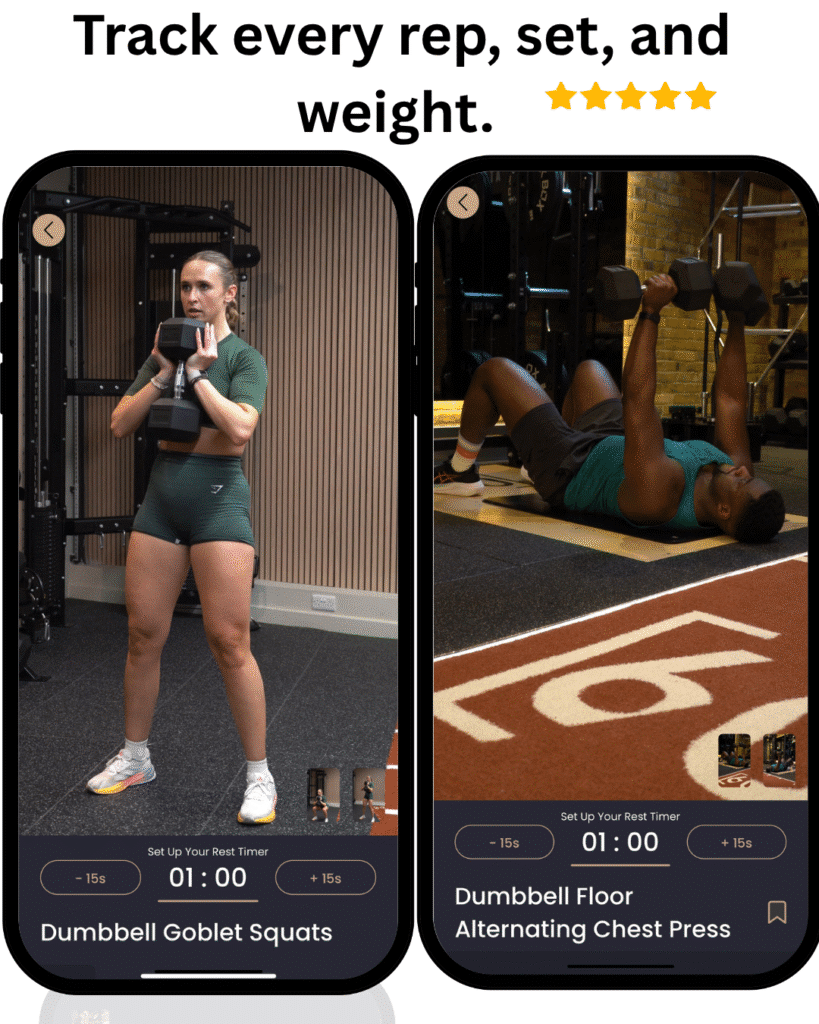
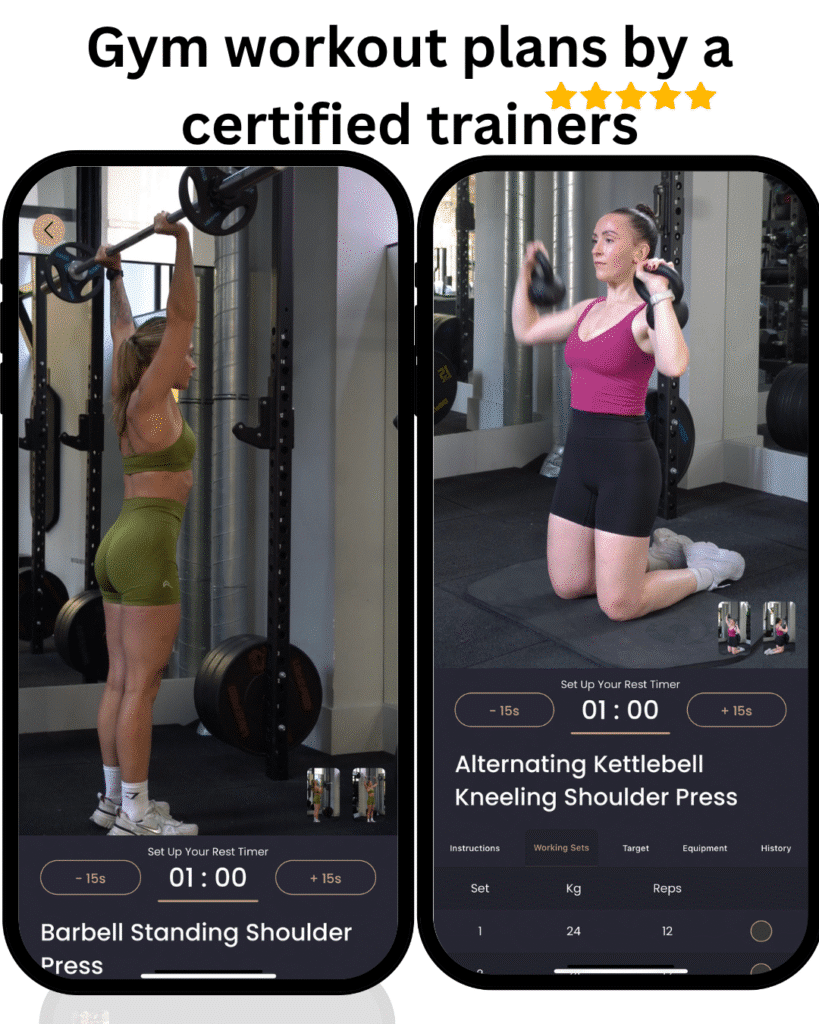
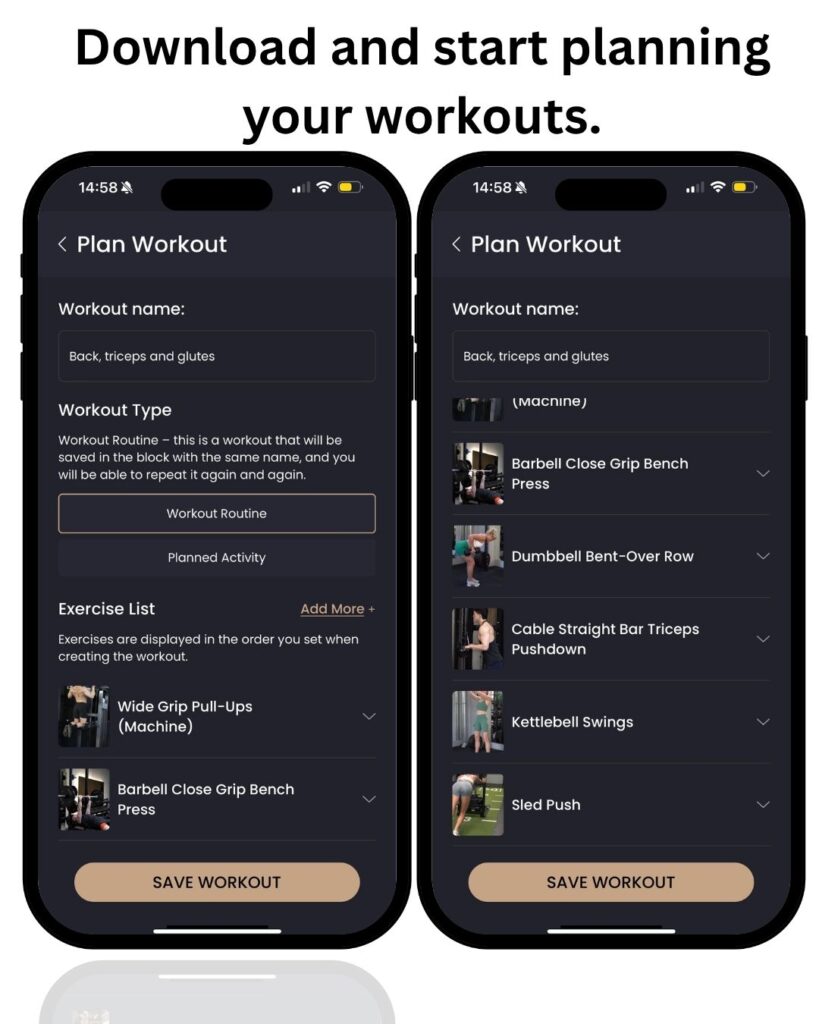
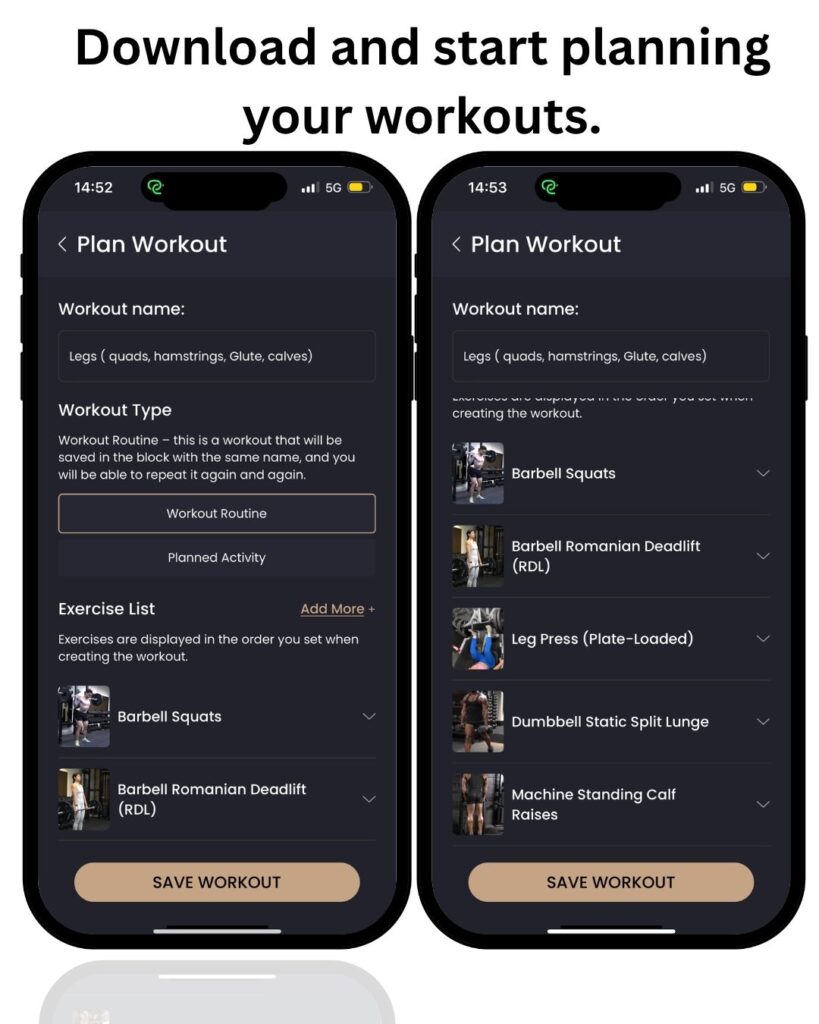
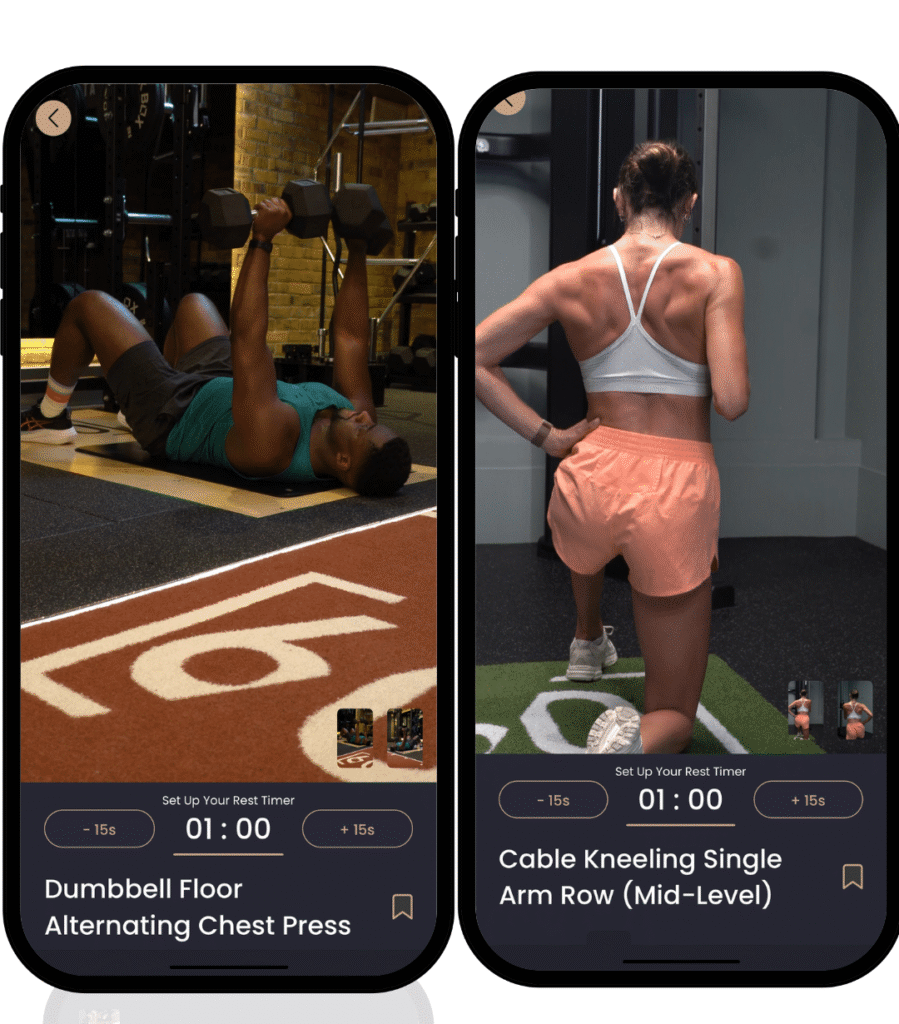
If you want your sessions set out for you, the 12REPS app builds training around your goal, your equipment and the time you have. Every exercise has a trainer demonstration, and the app tracks your sets, reps and weights so you can see your strength grow alongside your running.
Sources
- Effects of Strength Training on the Physiological Determinants of Middle- and Long-Distance Running Performance: A Systematic Review. Blagrove RC, Howatson G, Hayes PR. Sports Medicine, 2018. https://doi.org/10.1007/s40279-017-0835-7
- Explosive Training and Heavy Weight Training are Effective for Improving Running Economy in Endurance Athletes: A Systematic Review and Meta-Analysis. Denadai BS and colleagues. Sports Medicine, 2017. https://doi.org/10.1007/s40279-016-0604-z
- Incidence and determinants of lower extremity running injuries in long distance runners: a systematic review. van Gent RN and colleagues. British Journal of Sports Medicine, 2007. https://bjsm.bmj.com/content/41/8/469
- Do Exercise-Based Prevention Programs Reduce Injury in Endurance Runners? A Systematic Review and Meta-Analysis. Wu H, Brooke-Wavell K, Fong DTP, Paquette MR, Blagrove RC. Sports Medicine, 2024. https://doi.org/10.1007/s40279-024-01993-7
- A Randomized Study of a Strength Training Program to Prevent Injuries in Runners of the New York City Marathon. Toresdahl BG and colleagues. Sports Health, 2020. https://pubmed.ncbi.nlm.nih.gov/31642726/
- Muscle-strengthening activities are associated with lower risk and mortality in major non-communicable diseases: a systematic review and meta-analysis of cohort studies. Momma H, Kawakami R, Honda T, Sawada SS. British Journal of Sports Medicine, 2022. https://bjsm.bmj.com/content/56/13/755
- Compatibility of Concurrent Aerobic and Strength Training for Skeletal Muscle Size and Function: An Updated Systematic Review and Meta-Analysis. Schumann M and colleagues. Sports Medicine, 2022. https://doi.org/10.1007/s40279-021-01587-7