

As a personal trainer with a decade of training experience, most people start strength training because they want to look better. They want more muscle, less body fat, better shape, or more confidence when they look in the mirror. That is a fair reason to begin. But strength training is much bigger than appearance. It changes how your body performs in real life. It changes how you move, how you carry yourself, and how much trust you have in your own body.
Strength training is not just about lifting weights in a gym. It is about making your body more useful. You feel it when you carry heavy shopping without struggling. You feel it when you climb stairs without your legs burning. You feel it when your back does not tighten every time you bend down. You feel it when you play sport, run for a train, pick something up from the floor, or get out of bed without feeling stiff.
The problem is that many people make strength training too complicated. They think they need to train five or six days per week. They think they need a different workout every session. They follow random exercises online, change their plan every week, and never stay with one structure long enough to improve. The body does not respond well to random effort. It responds to repeated effort done well.
This is why a simple 2-day strength training split can work so well. It removes confusion. It gives you structure. It allows you to train the full body, recover properly, and still make progress. You do not need to live in the gym. You need a small group of important exercises, performed with focus, repeated long enough for your body to adapt.
The unconventional method is simple. Do fewer exercises, but take them more seriously. Most people do too many exercises with not enough intent. They do six chest exercises, but none improve. They train legs with ten movements, but avoid the hard ones. They add more volume because it feels productive, but more work does not always mean better results. Better work leads to better results.
A strong programme does not need to entertain you every session. It needs to change you. That usually means repeating the basics until you get better at them. Your muscles need repetition. Your joints need repetition. Your nervous system needs repetition. Your technique needs repetition. This is how strength is built. You practise the same important movements, then slowly improve them over time.
How the 2-day split works
This plan trains your full body twice per week, covering the main movement patterns: squat, hinge, push, pull, single-leg work, and core training, which helps fix common gaps like pressing more than pulling, training quads while ignoring hamstrings, doing abs without learning how to brace, or relying on machines while avoiding single-leg work, so run Day 1 on Monday and Day 2 on Thursday, or Day 1 on Tuesday and Day 2 on Friday, leaving at least one day between sessions and finishing each workout feeling trained, not destroyed, because if every session ruins you, you will not stay consistent.
Day 1: Build the base
Day 1 should focus on building your base. The first exercise is the squat. The squat trains your quads, glutes, hips, and core. It also teaches balance, depth, and control. You can use a bodyweight squat, goblet squat, barbell squat, hack squat, or leg press. The right version is the one you can perform well. Aim for 3 sets of 8 to 12 reps, and focus on controlling the lowering phase instead of dropping into the bottom.
The second exercise is the Romanian deadlift. This movement trains your hamstrings, glutes, lower back, and grip. It also teaches you how to hinge from your hips, which is one of the most useful movement skills you can learn. Many people bend from the lower back because they do not know how to use their hips properly. The Romanian deadlift helps fix that. Aim for 3 sets of 8 to 10 reps, and move slowly enough to feel the hamstrings working.
The third exercise is the dumbbell bench press. This builds your chest, shoulders, and triceps. Dumbbells allow each side of the body to work properly and give your shoulders more freedom than a barbell. Keep your shoulder blades set, lower the dumbbells with control, and press without bouncing. Aim for 3 sets of 8 to 12 reps. The goal is tension and control, not just moving weight from A to B.
The fourth exercise is the seated row. If you press, you need to pull. The seated row trains your upper back, lats, and biceps. It also helps support better posture, especially if you sit for long periods. Pull your elbows back, pause for a moment, and avoid leaning back to turn the movement into a swing. Aim for 3 sets of 10 to 12 reps, and think about pulling with your back rather than just your arms.
The fifth exercise is the walking lunge. Walking lunges are useful because they challenge each leg separately. They train your quads, glutes, hips, balance, and core. They also reveal weaknesses between your left and right side. Aim for 3 sets of 10 reps per leg. Keep your front foot stable, control the step, and avoid rushing through the movement just to finish the set.
The sixth exercise is the plank. The plank looks simple, but many people perform it poorly. They let their hips drop, hold their breath, and wait for the timer to end. A good plank should feel active. Brace your stomach, squeeze your glutes, keep your ribs down, and push your elbows into the floor. Aim for 3 sets of 30 to 60 seconds. The goal is not to survive the time. The goal is to create tension.
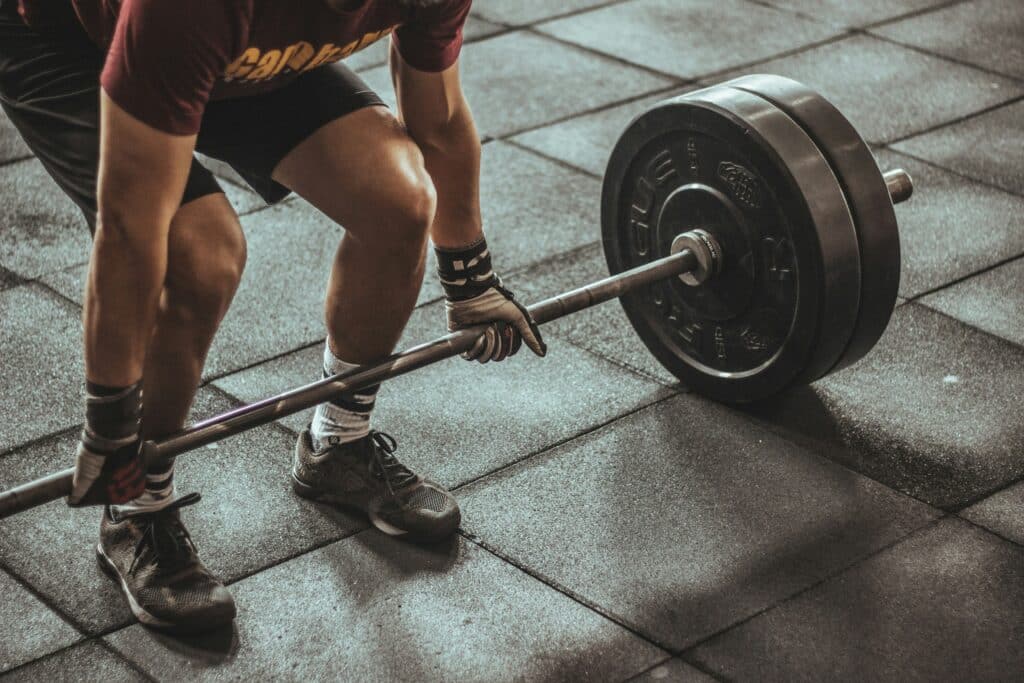
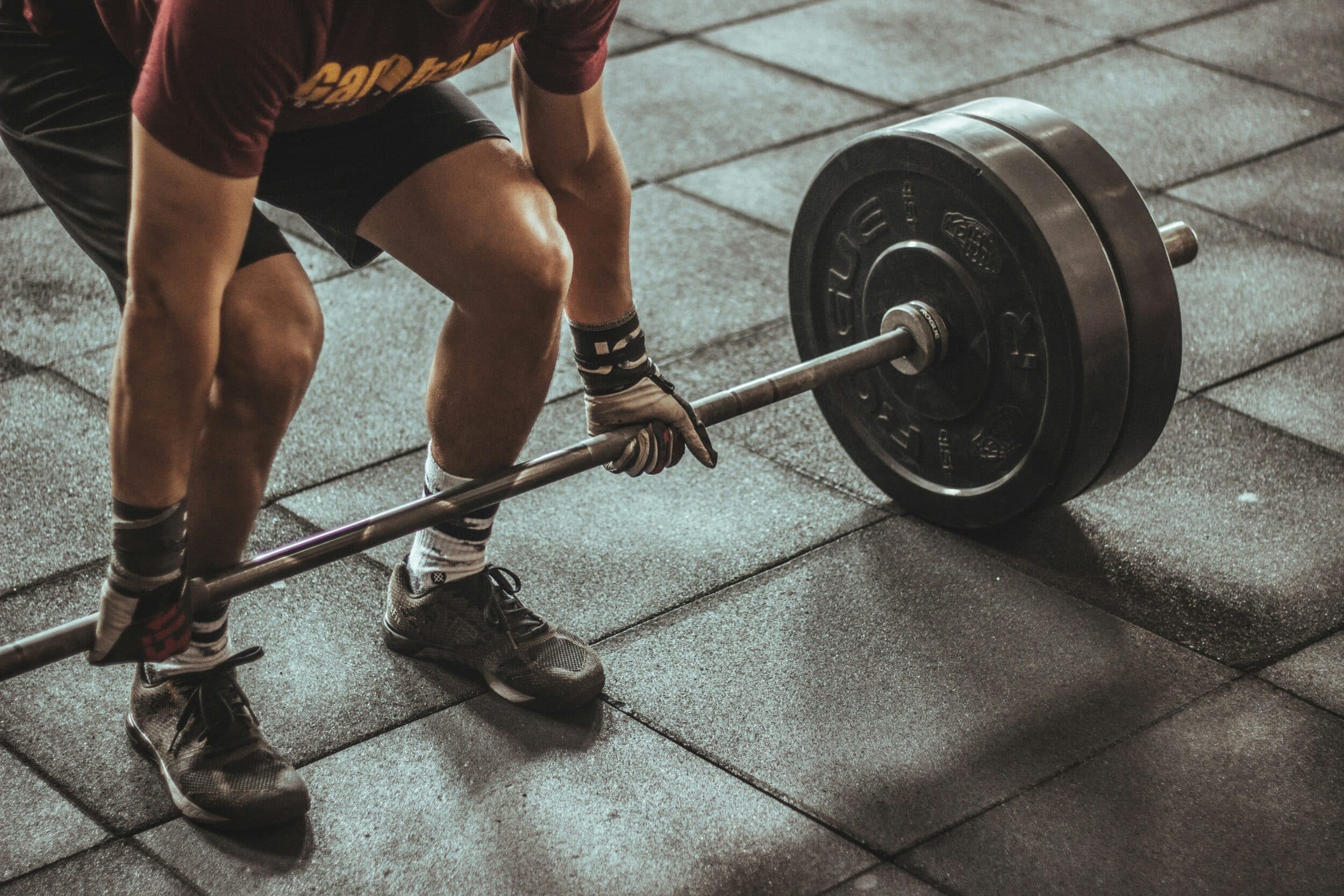
Day 2 should focus on building strength you can use. The first exercise is the deadlift. The deadlift trains your glutes, hamstrings, back, grip, and core. It also teaches you how to lift from the floor, which carries over into real life. Start light and build slowly. Good deadlifts make you stronger. Bad deadlifts drain you. Aim for 3 sets of 5 to 8 reps, reset each rep, brace before you lift, and push the floor away instead of yanking the weight up.
The second exercise is the lat pulldown. The lat pulldown builds your back and improves pulling strength. It is also useful if you want to work towards pull-ups. Choose a grip that feels comfortable on your shoulders, pull the bar towards your upper chest, and keep your ribs controlled. Aim for 3 sets of 8 to 12 reps. Do not turn the movement into a backward lean. Keep it clean and controlled.
The third exercise is the overhead press. This movement builds your shoulders, triceps, and core. It also teaches you how to keep your ribs and spine controlled while pressing overhead. Many people arch their lower back to move more weight, but that removes the point of the exercise. Use dumbbells, a barbell, or a machine. Aim for 3 sets of 8 to 10 reps, and press with control.
The fourth exercise is the Bulgarian split squat. This exercise is uncomfortable, which is why many people avoid it. But it is one of the best exercises for building single-leg strength. It trains your quads, glutes, hips, balance, and control. It also shows you which leg is weaker. Aim for 3 sets of 8 to 10 reps per leg. Start with bodyweight if needed, then add dumbbells once your control improves.
The fifth exercise is the hip thrust. The hip thrust is one of the best exercises for building stronger glutes. Strong glutes support your hips, knees, and lower back. They also help with running, jumping, lifting, and sport. Set your upper back against the bench, keep your chin slightly tucked, drive through your heels, and squeeze at the top. Aim for 3 sets of 10 to 12 reps. Move through your hips, not your lower back.
The sixth exercise is the farmer’s carry. This is one of the most underrated strength exercises. It builds grip strength, core strength, posture, shoulder stability, and full-body control. Pick up two heavy dumbbells or kettlebells, stand tall, and walk with control. Do not let the weights pull you out of position. Aim for 3 carries of 20 to 40 metres. It looks basic, but it builds strength you can feel outside the gym.
Conculsion
You can run this split on Monday and Thursday, Tuesday and Friday, or Wednesday and Saturday. Leave at least one day between sessions where possible. The aim is to finish each session feeling trained, not destroyed. If every workout ruins you, consistency becomes harder. A good programme should challenge you, but it should also allow you to come back and train well again.
Run this plan for 4 to 6 weeks before changing it. Do not swap exercises every week. That is one of the biggest mistakes people make. They confuse variety with progress. Keep the same exercises long enough to improve them. Add one rep, add a small amount of weight, improve your range, improve your tempo, or reduce your rest slightly. Small changes repeated over time create real progress.
Tracking matters. If you do not track your training, you are guessing. Write down your exercises, weights, reps, and how the session felt. This gives you evidence. You can see whether you are actually improving or just turning up and hoping for the best. Strength training becomes much more effective when you can measure it.
This 2-day split works well if you are busy, new to training, returning after time off, or trying to build consistency. It also works well alongside running, football, boxing, hiking, or general fitness. Two good strength sessions per week can make a real difference if you treat them properly.
Strength training is not about becoming obsessed with the gym. It is about building a body that supports your life. A body that can lift, carry, run, climb, twist, push, pull, and recover. A body that feels capable. Start with these 12 exercises, train twice per week, repeat the plan, and track your progress. The goal is not to do the most. The goal is to keep showing up and give your body a reason to change.