

You’re a runner. You know you should strength train. Every running article mentions it. Your physio recommended it. Other runners swear by it.
But you don’t. Or you’ve tried and stopped. Or you’re doing it inconsistently with questionable exercises you found on Instagram.
Here’s the problem: most strength training programmes weren’t designed for runners. They’re built for people who want to bodyBuild or look a certain way. They require gym access five days weekly. They programme exercises that leave your legs wrecked when you need to run the next day.
You need strength training that actually supports your running—not competes with it.
I’m Will Duru, a personal trainer with over 10 years’ experience in London. I’ve programmed strength training for dozens of runners. The challenge isn’t getting runners to understand that strength training matters. The challenge is providing a practical programme that fits alongside running training without causing excessive fatigue or requiring excessive time.
12REPS solves this completely. Here’s why it’s the perfect strength training app for runners.

Why Runners Need Strength Training (The Evidence)
Before explaining why 12REPS works, let’s establish why strength training matters for runners.
Injury prevention: Running creates repetitive stress on the same joints and muscles. Thousands of impacts on the same structures. Strength training builds resilience in muscles, tendons, and connective tissue, reducing overuse injury risk.
Improved running economy: Studies show that 6-20 weeks of strength training improves running economy by 2-8%. This means you use less oxygen at any given pace. You run more efficiently.
Increased power output: Distance running requires power. Strength training improves the force you can generate with each stride, translating to faster running speeds.
Better posture and form: As fatigue sets in during long runs, form deteriorates. Strong core and upper body muscles maintain proper posture longer, delaying fatigue.
Enhanced speed: Strength training, particularly explosive movements, directly improves sprint speed and finishing kick capacity.
The research is conclusive: runners who strength train perform better and stay healthier than runners who only run.
But here’s the critical part most runners miss: the type of strength training matters enormously.

Why Generic Strength Programmes Fail Runners
Most strength training programmes fail runners for predictable reasons.
Problem 1: Excessive lower body volume
Generic programmes often include multiple leg days weekly with high volume. Squats, lunges, leg press, leg extensions, hamstring curls—all in one session.
For someone who only lifts weights, this works. For runners who are already running 30-50 kilometres weekly, this creates excessive fatigue. Your legs never recover adequately for quality running sessions.
Problem 2: Wrong exercise selection
Generic programmes include exercises that don’t transfer to running performance. Leg extensions. Bicep curls. Exercises that build muscle for aesthetics but don’t improve running-specific strength patterns.
Problem 3: Poorly timed sessions
Generic programmes don’t consider your running schedule. They might programme heavy squats the day before your long run. Or intense lower body work the day after a hard interval session.
Result? Your running performance suffers. You’re constantly fatigued. Either your running or your strength training becomes half-arsed.
Problem 4: Too much time required
Many programmes require 60-90 minute gym sessions 4-5 times weekly. Runners don’t have this time. You’re already spending 5-8 hours weekly running. Adding another 6 hours of gym time is unrealistic.
Problem 5: No consideration for training cycles
Runners have specific training cycles: base building, peak training weeks, taper periods, and recovery weeks. Generic strength programmes don’t account for this. They maintain constant high intensity regardless of where you are in your running training.
This is why so many runners start strength training programmes and quit after two weeks. The programme doesn’t fit their reality.
How 12REPS Solves Every Problem
12REPS addresses each problem that makes generic strength programmes incompatible with running.
1. Runner-Specific Exercise Selection
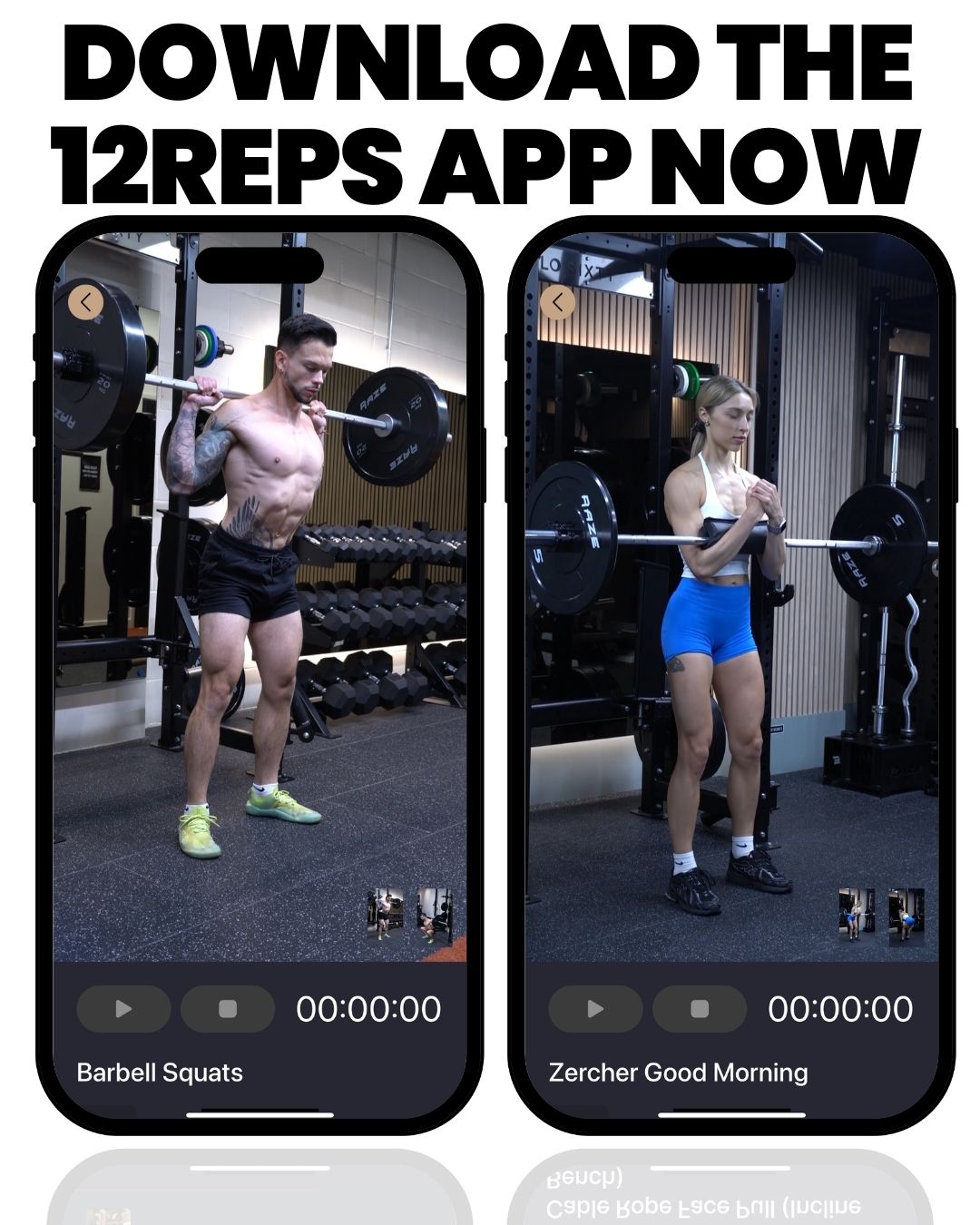
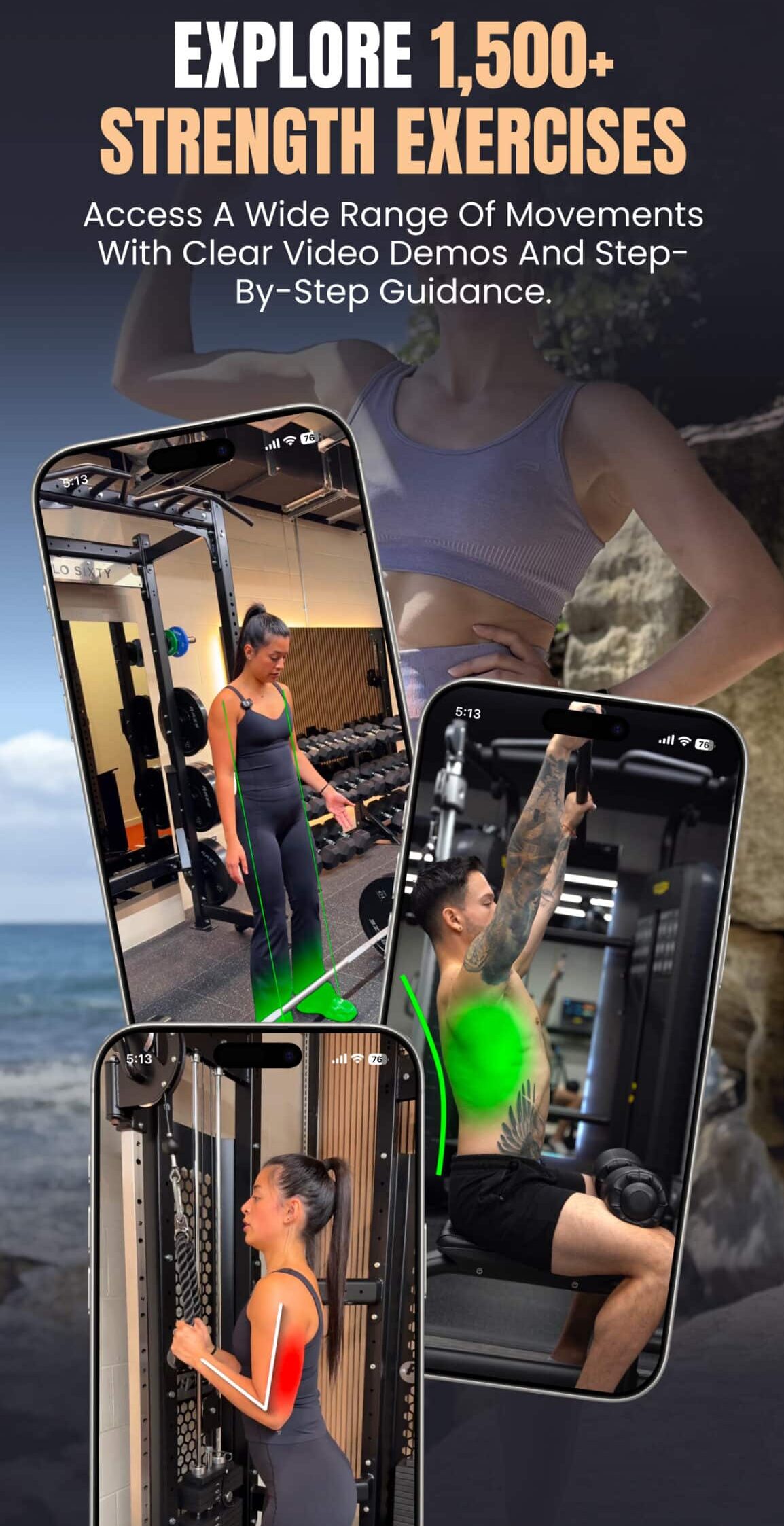
12REPS has 1,500+ exercises in its library. These aren’t random movements—they’re strength exercises that transfer to running performance.
The app includes:
Single-leg strength work: Running is fundamentally a single-leg activity. The exercise library includes Bulgarian split squats, single-leg deadlifts, step-ups, and single-leg Romanian deadlifts that build running-specific strength patterns.
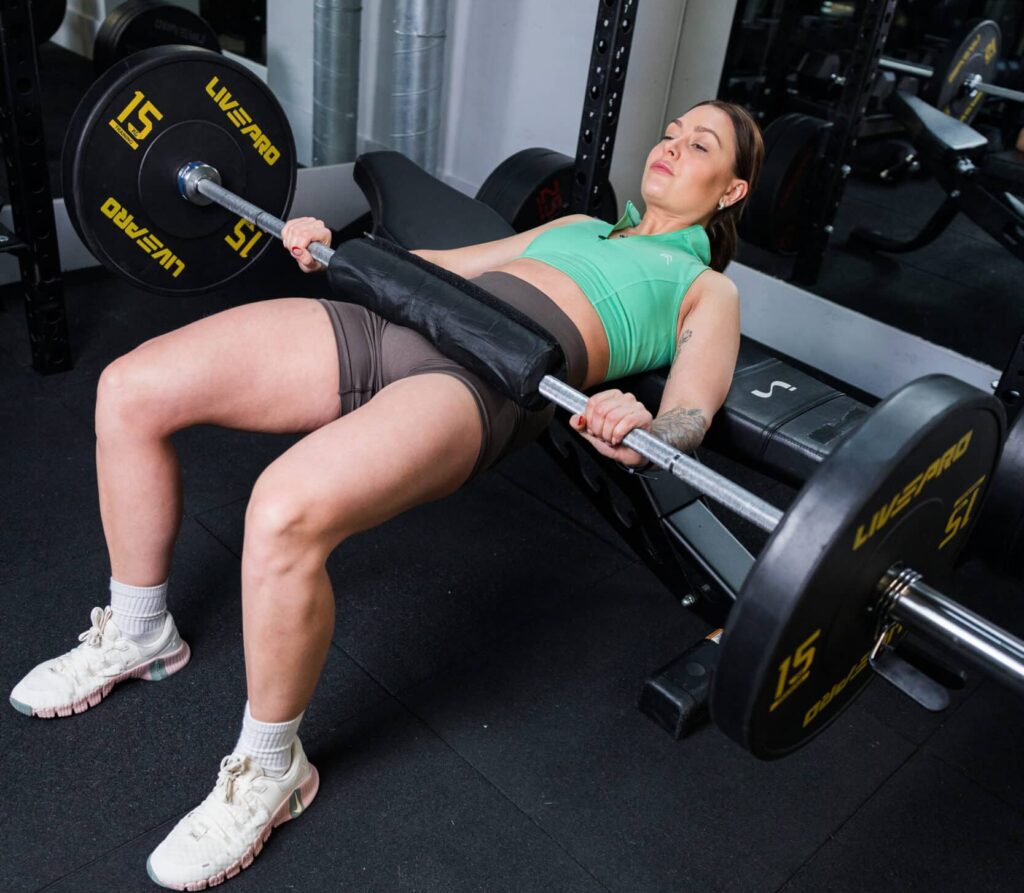
Posterior chain exercises: Your glutes, hamstrings, and hip extensors power your stride. The library prioritises hip thrusts, deadlifts, and glute bridges that strengthen these critical running muscles.
Core stability work: Not endless crunches. Functional exercises like planks, dead bugs, and bird dogs that maintain proper running posture when fatigued.
Explosive movements: Box jumps, jump squats, and plyometric lunges that improve power output and running economy.
Upper body work: Rows, press-ups, and shoulder exercises that improve arm drive and maintain upright posture during long runs.
Every exercise has video demonstrations performed by certified trainers showing exact form. You’re not guessing how to execute movements correctly.
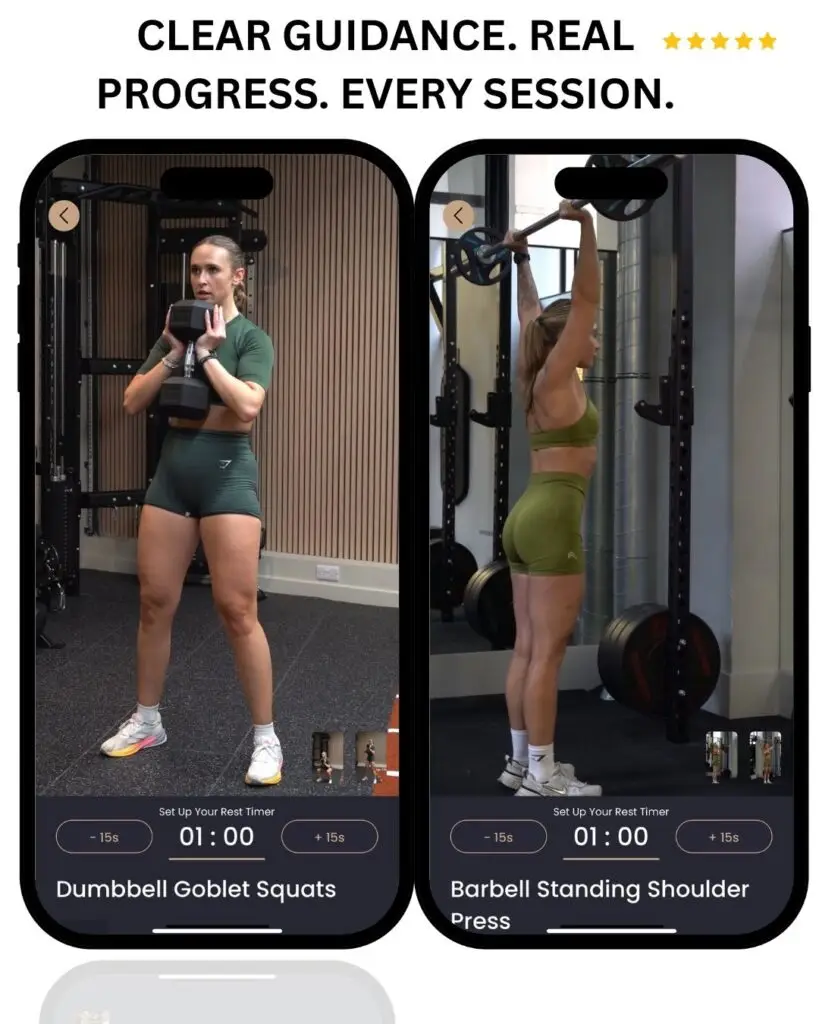
2. Train Anywhere: Gym OR Home
This is transformative for runners.
You travel for races. You train at 5:30am before work when gyms aren’t open. You’re managing family commitments that make consistent gym access impossible.
12REPS adapts to your reality:
Gym access: The app creates programmes using barbells, racks, cable machines, and full gym equipment.
Home training: The same day, different location? The app substitutes exercises you can do with dumbbells, resistance bands, or bodyweight.
Hotel room: Travelling for a race? The app provides bodyweight alternatives so you don’t miss sessions.
The app seamlessly switches between environments based on what equipment you have access to. You select your available equipment, and the app adjusts immediately.
No more skipping sessions because you can’t access a gym. No more “I’ll just do nothing today because I don’t have the right equipment.”
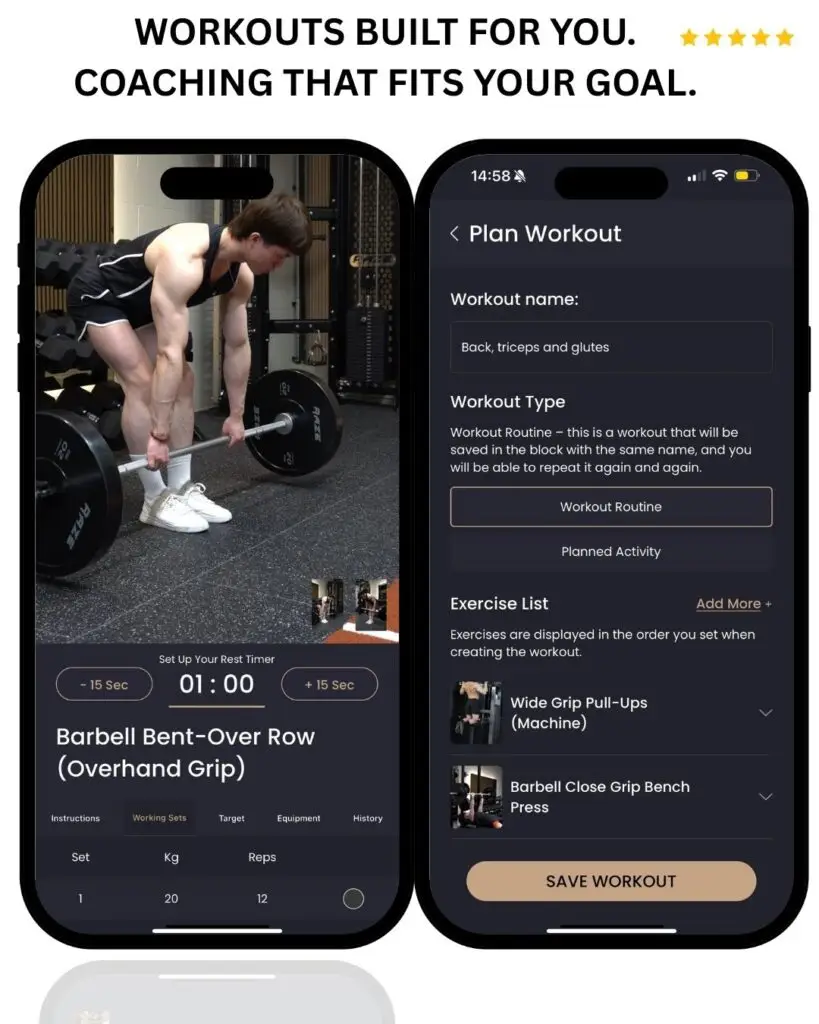
3. Clear, Intelligent Progression
How do you know when to increase weight? Add reps? Progress to harder exercise variations?
12REPS tracks everything:
The app logs every set, rep, and weight you lift. It monitors when exercises are getting easier. It tracks your progress over time with graphs showing strength gains.
Then it tells you exactly how to progress:
When you’ve consistently hit your rep targets at a given weight, the app suggests increasing load. When you’ve maximised load progression, it suggests adding volume (more sets). When exercises become too easy, it suggests progressing to more challenging variations.
You’re not guessing. The app manages progression intelligently based on actual performance data.
This prevents two common mistakes:
Progressing too slowly: Staying at the same weights for months because you don’t know when to increase. The app pushes you forward.
Progressing too quickly: Adding too much weight too fast, creating excessive soreness that interferes with running. The app increases gradually.
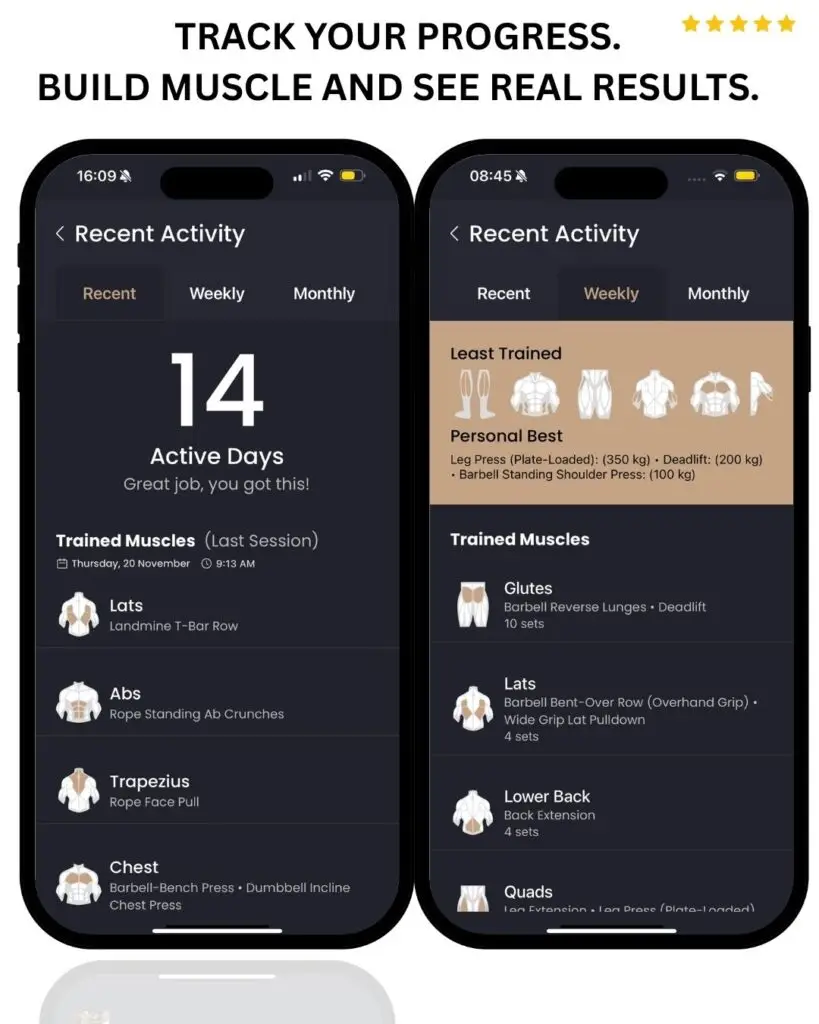
4. Efficient Time Investment
Runners don’t have hours for gym sessions. You’re already running 4-6 days weekly. Strength training must be time-efficient.
12REPS creates appropriate session lengths:
The app builds workouts based on your available time. Need 30-minute sessions because you’re training before work? The app creates focused programmes, hitting key movements efficiently.
Have 45 minutes twice weekly? The app structures sessions accordingly, maximising effectiveness within your actual time constraints.
You get meaningful strength gains without strength training consuming your life.
5. Personalised to Your Actual Situation
Every runner’s situation is different:
- Marathon training with high weekly mileage
- 5K focus with intense speed work
- Recreational running 3 times weekly
- Coming back from injury
- Building base fitness
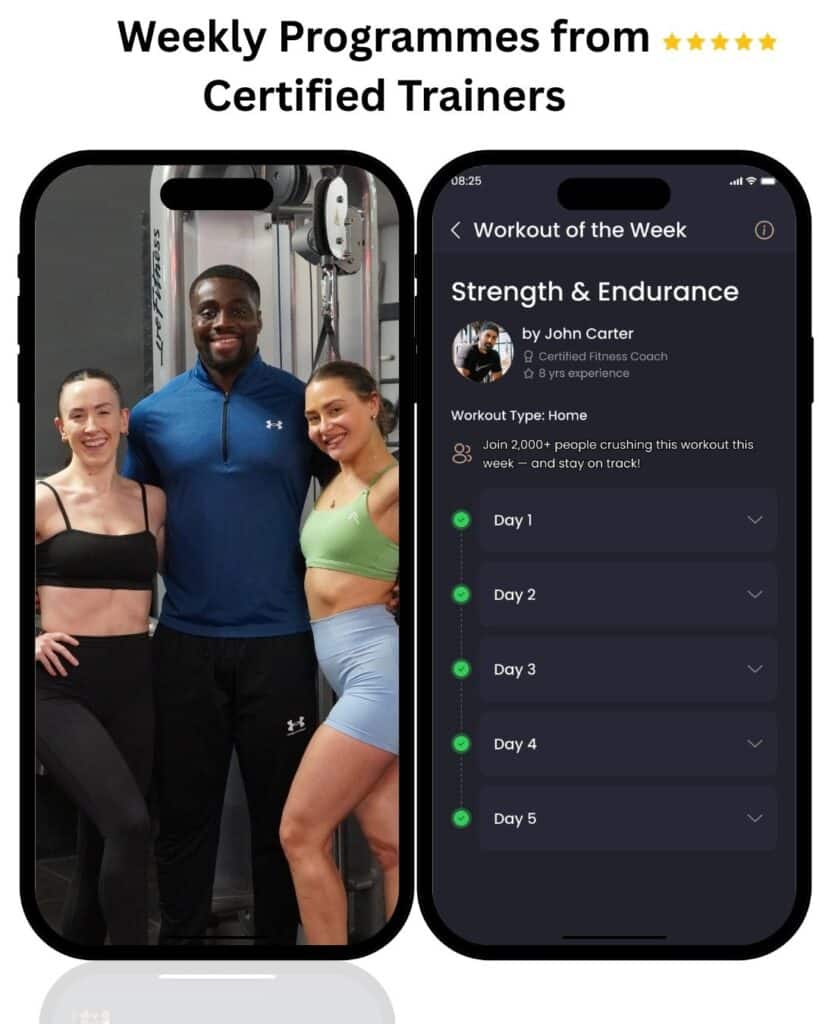
12REPS personalises programmes
When you start, the app asks about your goals, current fitness level, available equipment, and time constraints. Then it creates a programme specifically for you—not a generic “runner programme” that might not fit.
The app adapts as you progress. It tracks your performance and adjusts difficulty accordingly. If you’re consistently crushing workouts, intensity increases. If you’re struggling, it adjusts downward.
This personalisation means the programme actually fits your life rather than forcing you to fit someone else’s programme.
What This Looks Like in Practice
Let me show concrete examples of how 12REPS works for different runners.
Scenario 1: Marathon training
Sarah runs 4 times weekly, building towards a spring marathon. Weekly mileage ranges from 40-70km across 16 weeks of training.
How 12REPS helps:
- Creates a strength programme she can do at home (she runs early morning before gyms open)
- Provides bodyweight and dumbbell exercises targeting running-specific strength
- Tracks her progress so she sees strength gains alongside running improvements
- Gives video demonstrations ensuring proper form to prevent injury
- Adjusts workout difficulty as her running volume fluctuates
Result: Sarah maintains strength throughout training without sessions interfering with key runs. She arrives at race day stronger and more resilient than previous marathon buildups where she only ran
Scenario 2: 5K speed focus
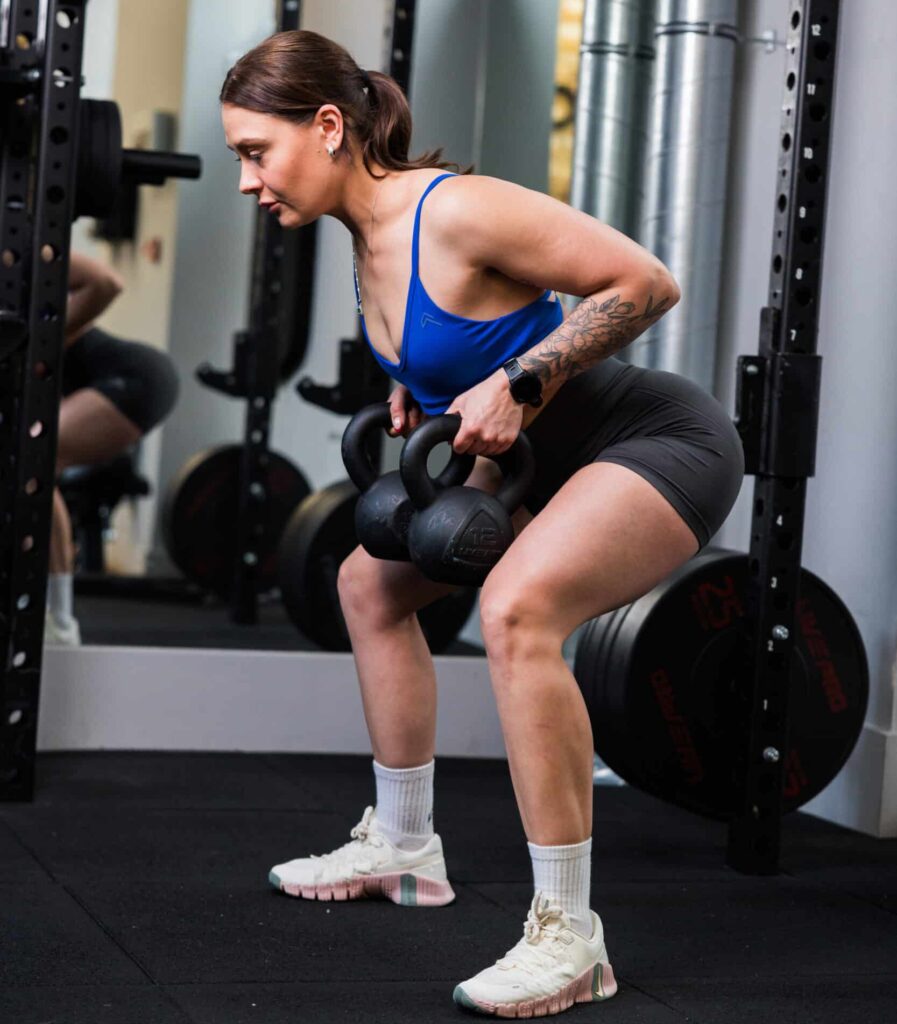
James runs 5 days weekly, including 2 hard interval sessions and 1 tempo run. He wants to improve his power output for faster times.
How 12REPS helps:
- Exercise library includes hip strengthening: glute bridges, clamshells, hip thrusts, lateral band walks
- Creates programme emphasising single-leg stability work
- Tracks progress on injury-prevention exercises showing measurable improvements
- Provides exercises she can do at home with minimal equipment
- Video demonstrations ensure she’s executing rehab exercises correctly
Result: Emma’s IT band issues resolve. She increases running volume without pain returning because she’s built resilience in previously weak areas.
Specific Features That Help Runners
Here’s exactly what you get with 12REPS:
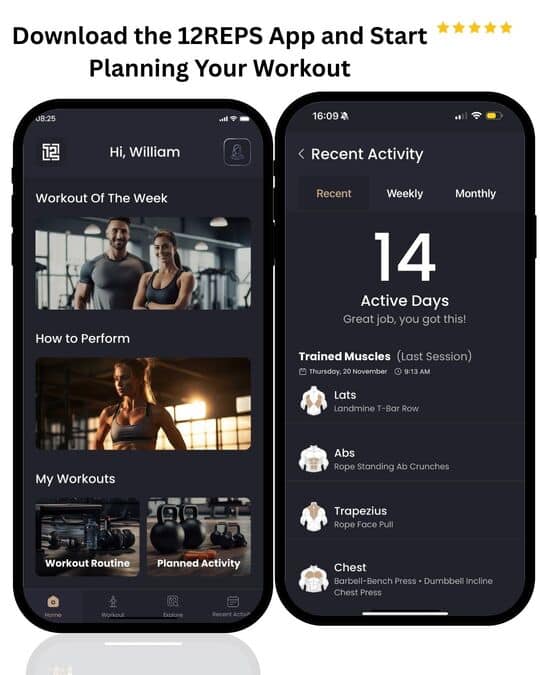
✅ 1,500+ exercise video library Every exercise demonstrated by certified trainers with form guidance. You know exactly how to execute movements correctly.
✅ Equipment flexibility Switch seamlessly between gym and home training based on what equipment you have access to on any given day.
✅ Progress tracking Log sets, reps, and weights in seconds. See strength gains over time with graphs and analytics.
✅ Intelligent progression algorithms The app monitors your performance and tells you exactly when and how to progress—increase weight, add reps, or advance to more complex variations.
✅ Personalised programmes Based on your goals, fitness level, available equipment, and time constraints. Not generic programming that doesn’t fit your situation.
✅ Adaptive difficulty The app adjusts based on your actual performance. If workouts are too easy or too hard, difficulty adapts accordingly.
✅ Complete exercise guidance Detailed instructions, form tips, and video demonstrations ensure you’re training safely and effectively.
The Bottom Line
Every runner needs strength training. The research is unequivocal. But most runners struggle to implement strength training consistently because generic programmes don’t address practical realities.
12REPS solves this:
✅ 1,500+ runner-relevant exercises with video demonstrations
✅ Equipment flexibility (gym, home, bodyweight—works with what you have)
✅ Intelligent progression tracking and guidance
✅ Personalised programmes based on your actual situation
✅ Time-efficient sessions (30-45 minutes)
✅ Clear form guidance preventing injury
You can maintain your running training load whilst building meaningful strength. The programme fits your life rather than forcing you to fit someone else’s programme.
The runners I’ve worked with who implement structured strength training consistently run faster, stay healthier, and enjoy their running more than those who only run.
Stop making excuses. Stop starting and quitting programmes that don’t fit your reality.
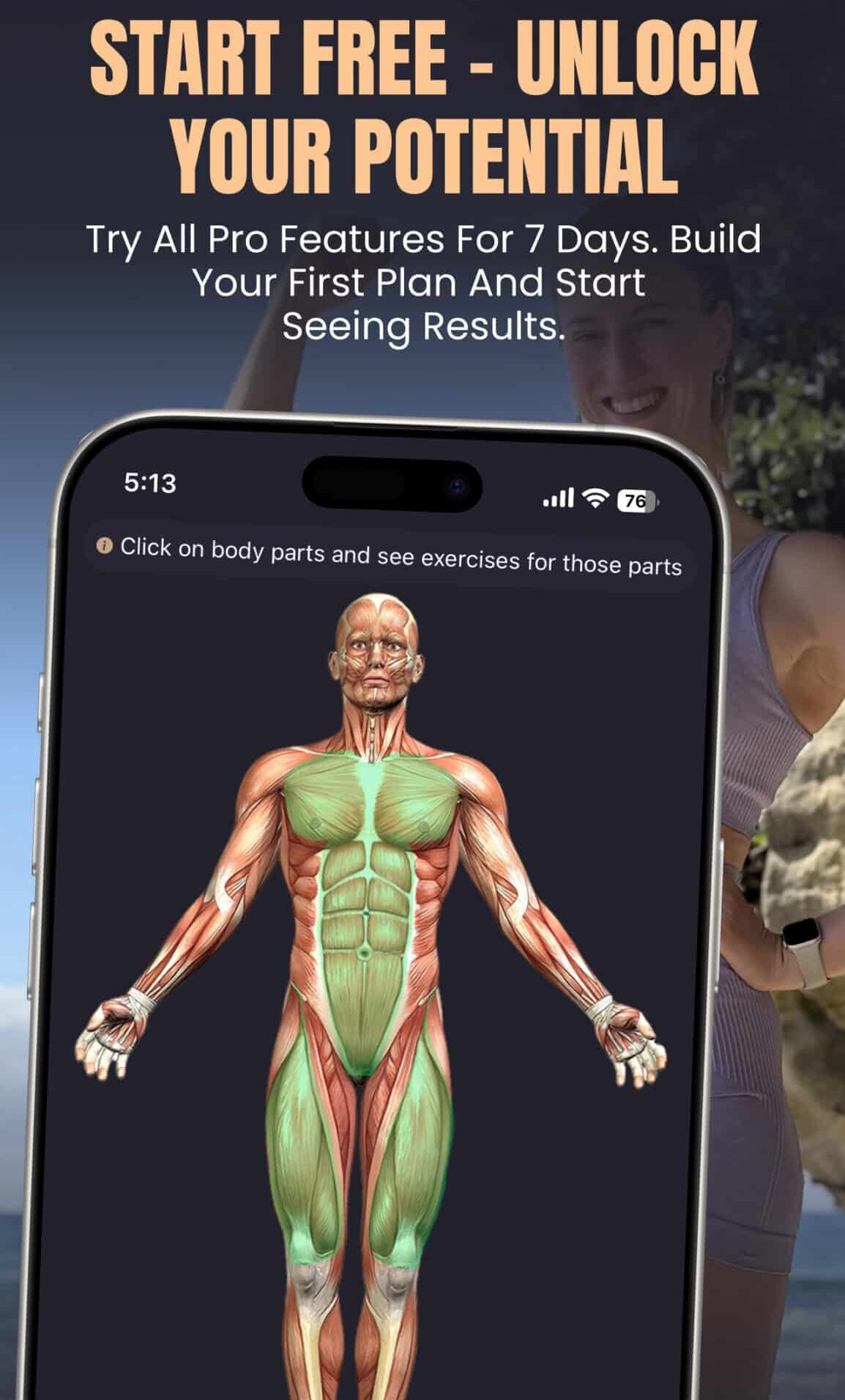
Start 12REPS free for 7 days. No gym membership required. No guessing which exercises help. No confusion about progression.
Just runner-specific strength training that makes you faster, stronger, and more resilient.
Train like a complete athlete, not just someone who runs and occasionally does some press-ups.