


By Will Duru, BSc (Hons) Sport and Exercise Science, Award-winning Personal Trainer with over 10 years of experience in strength training and optimising recovery.
Let’s be honest, we’ve all had those mornings. You know the ones, where you wake up after a heavy leg day and realise that even the simple act of sitting down on the toilet feels like an Olympic event. Happy Wednesday, everyone! If you’re feeling that post-workout ache, don’t worry, I’ve been there more times than I care to admit. Training can be incredibly demanding on the body, and if your recovery regime isn’t as solid as your training plan, you’re essentially leaving gains on the table and making your life unnecessarily difficult.
Take it from someone who truly understands the struggle. I’ve spent almost a decade training women in the heart of the City of London, and helping my clients build muscle is my absolute passion. I’ve seen the highs of hitting a new PB and the lows of being so sore you can’t walk to the tube station. I’ve studied the science behind every ache, put it into practice with hundreds of clients, and tested it on myself. In this article, I’m going to share the three non-negotiable supplements that can transform your muscle recovery, so you’re ready to go hard again the very next day.

Why Recovery is the Missing Piece of Your Fitness Puzzle
When it comes to seeing real results from your strength training, what you do outside the gym is just as important as what you do inside it. We often focus so much on the “work”, the heavy lifts, the extra reps, the sweat, and that final, grueling set of lunges, that we completely ignore the “repair.” But here’s the fundamental truth that every sports scientist knows: you don’t actually build muscle while you’re lifting weights.
You’re breaking it down, creating tiny micro-tears in the muscle fibers. You build that muscle back stronger while you’re resting and sleeping.
The number one thing people tend to overlook is the role of targeted supplementation in speeding up this repair process. Now, you might ask me: “Will, what should I actually be taking to recover faster? There are so many options out there!”
As a sports scientist who has tried almost every powder, pill, and “miracle” elixir on the market, I’ve narrowed it down to just three. These are the heavy hitters I recommend to my clients and use myself every single day: magnesium, L-glutamine, and creatine. These aren’t just “nice to haves”; they are the foundation of a high-performance recovery strategy.

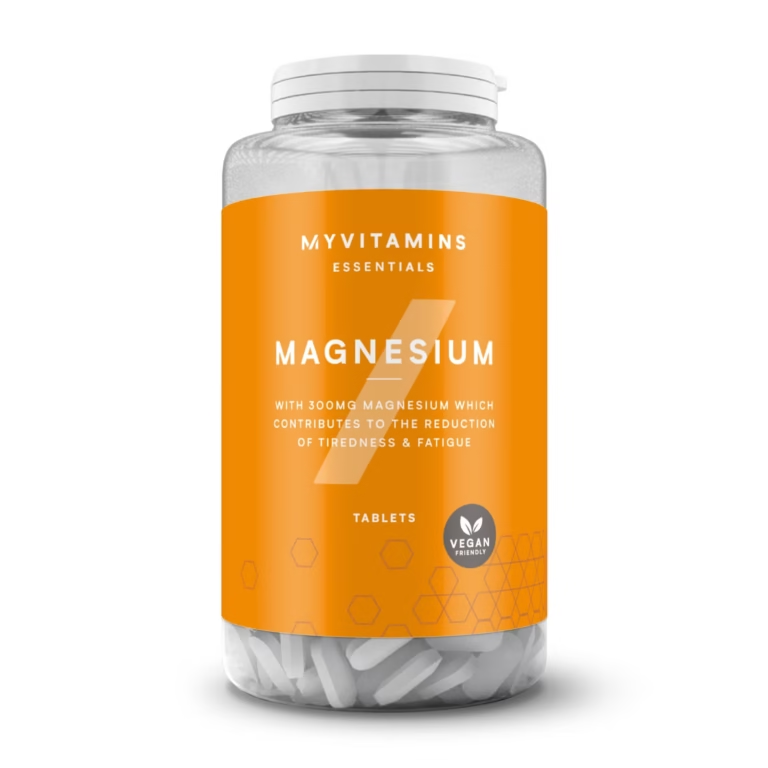
1. Magnesium: The Ultimate Muscle Relaxant and Stress Buster
If I had to pick just one supplement for immediate post-exercise relief, it would probably be magnesium. It is arguably one of the best tools we have for muscle recovery and relaxation after an intense session. Think of magnesium as the “off switch” for your muscles. When you train hard, your muscles contract and use up energy, and magnesium is the essential mineral that helps them finally let go, relax, and begin the healing process.
The science backs this up beautifully. A recent systematic review examined the effect of magnesium on muscle soreness, and the findings were clear: magnesium reduced muscle soreness, improved performance, and even induced a protective effect against muscle damage [1]. This is exactly what I see with my clients in London: less cramping during the night, better sleep quality (which is when the real magic happens), and a much faster return to the squat rack. It’s a game-changer for anyone serious about their muscle building journey.
Beyond just the muscles, magnesium also helps to calm the nervous system. After a high-intensity workout, your body is often in a state of high alert. Magnesium helps transition you back into a “rest and digest” state, which is crucial for optimal recovery. If you’re someone who struggles to wind down after an evening gym session, magnesium might just be your new best friend.
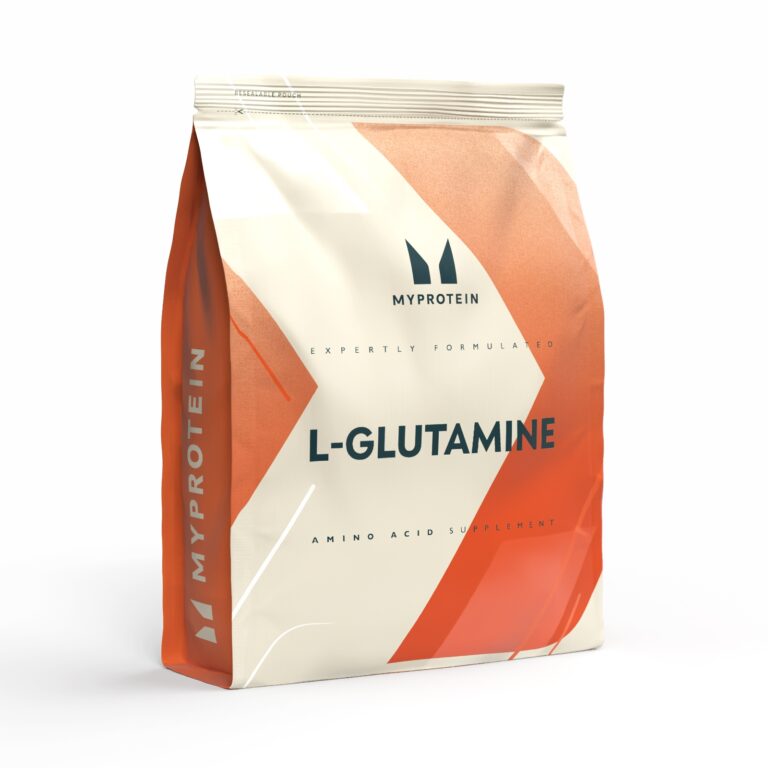
2. L-Glutamine: Saying Goodbye to the "Leg Day Waddle"
Next up is L-glutamine. This is the number one recovery supplement you should have in your kitchen cupboard if you’re consistently taking part in long walks, strength training, or any demanding physical activity. I recommend this to every single one of my clients to help delay the onset of DOMS (Delayed Onset Muscle Soreness) and that general feeling of achiness that can derail your week.
We’ve all experienced that horrific second-day ache after a brutal leg session. While some of us might secretly enjoy that “good pain” (myself included, lol, there’s something satisfying about knowing you worked hard!), it can seriously hinder your ability to stay consistent. If you can’t walk, you probably aren’t going to make it to your next session. L-glutamine basically allows you to function like a normal human being the next day.
Studies have shown that glutamine can speed up muscle recovery in athletes, reduce soreness, and even help your muscles replenish glycogen, the carbs they need for energy, much faster after exercise [2]. It’s about getting you back to 100% as quickly as possible. Glutamine is also incredible for gut health, which is vital because if your gut isn’t healthy, you aren’t absorbing the nutrients from your food effectively. It’s a multi-tasking powerhouse that supports your body from the inside out.
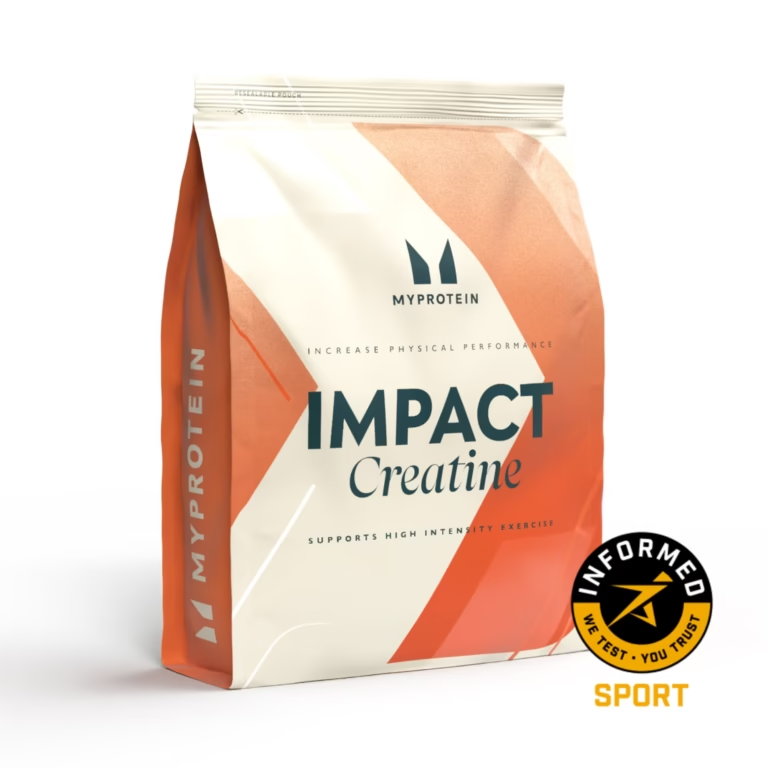
3. Creatine: The Most Misunderstood Powerhouse in Fitness
Finally, let’s talk about creatine. It’s probably one of the most studied supplements in existence, yet it’s still surrounded by myths and misconceptions. Some people think it’s only for “bodybuilders” or “meatheads,” while others worry it’s somehow “bad” for you or will make you look “bulky.” Let me clear the air once and for all: creatine is a substance your body produces naturally, and it’s found in small amounts in foods like red meat. However, you can easily run low during high-intensity training because your body uses it up so fast.
Replenishing those stores is vital for anyone looking to improve their performance and recovery. Research shows that creatine speeds up muscle recovery by reducing inflammation and accelerating the restoration of muscle strength after high-intensity bouts [3]. It works by increasing your cellular energy stores (phosphocreatine), allowing for faster recovery between sets and less fatigue during sprints or heavy lifting.
Fueling the Fire: The Importance of Post-Workout Nutrition
While supplements are fantastic and provide that extra 5-10% edge, they work best when paired with the right nutritional foundation. After an intense session, your body is in a unique physiological state. It’s primed to absorb nutrients, and it’s screaming for two things: high-quality protein and good-quality carbohydrates.
Think of your body like a construction site after a long day of demolition. The protein provides the bricks (amino acids) to repair the damaged muscle fibers and build them back stronger. The carbs provide the energy for the workers to actually do the building and replenish the fuel tanks you just emptied. Skipping that post-workout meal is like sending the builders home early, nothing gets fixed, and you stay in a “broken” state for longer.
I always tell my clients to aim for a balanced meal within an hour or two of training. This doesn’t have to be complicated, a chicken breast with some sweet potato and greens, or a high-quality protein shake with a banana, works wonders. This simple habit, combined with your recovery supplements, will maximise your muscle building potential and keep your energy levels stable throughout the day.
The Mental Side of Recovery: Sleep and Stress Management
We can’t talk about recovery without mentioning the big one: sleep. You can take all the magnesium and glutamine in the world, but if you’re only sleeping four hours a night, you’re fighting a losing battle. Sleep is when your growth hormone levels peak and when the majority of muscle repair happens. Aim for 7-9 hours of quality shut-eye. If you struggle with sleep, that magnesium we talked about earlier can be a total lifesaver.
Also, consider your stress levels. High cortisol (the stress hormone) is the enemy of muscle growth and recovery. It’s catabolic, meaning it breaks things down. Finding ways to manage your stress—whether that’s through a walk in the park, a bit of meditation, or just making sure your training plan isn’t so intense that it’s burning you out, is essential. This is where having a structured plan comes in so handy. It takes the stress of “planning” away from you.

Consistency is King: Why a Plan Matters
At the end of the day, even the best supplements and the perfect post-workout meal won’t save a bad training plan. Success in fitness isn’t about one perfect day; it’s about hundreds of “good enough” days stacked on top of each other. It comes down to structure, progression, and consistency.
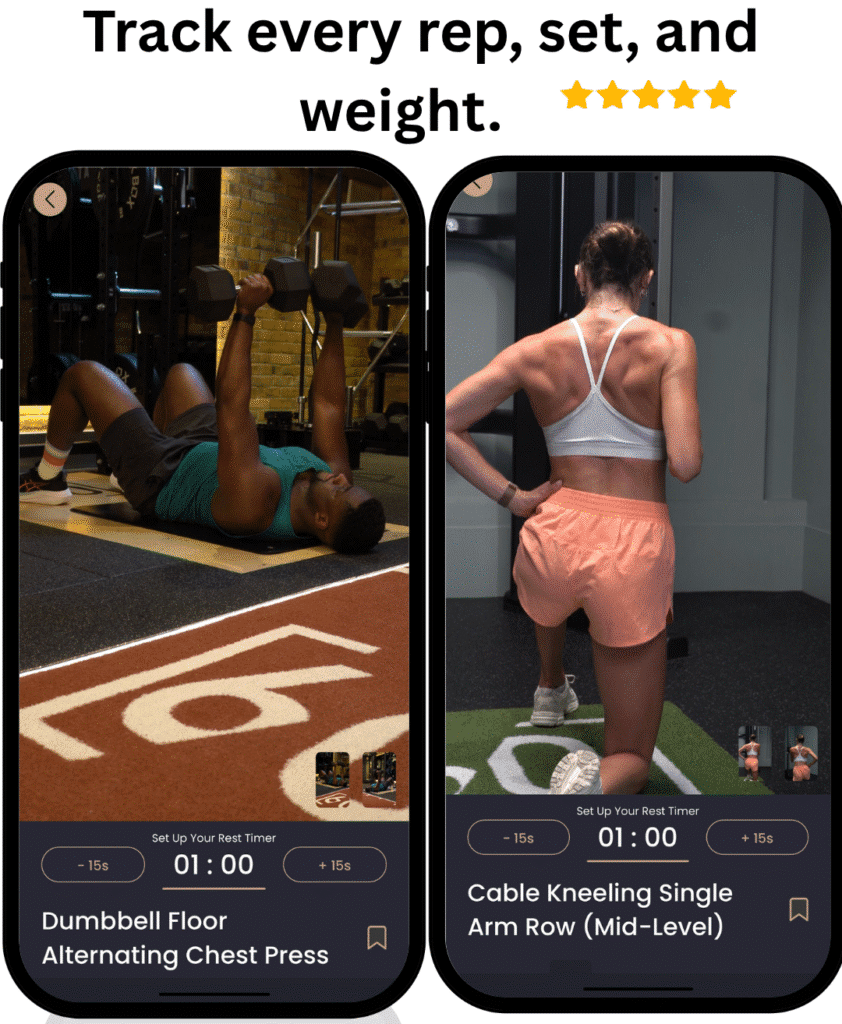
That’s why I’m such a huge advocate for using the right tools to stay on track. If you’re tired of wandering around the gym, guessing your weights, and feeling like you’re not getting anywhere despite the effort, I highly recommend you download the 12reps app.
It’s the closest thing to having me right there with you in the gym, guiding your every move. It provides the structure you need to ensure you’re always moving forward, not just spinning your wheels. You can even try out the 12reps app for just £4.99 for your first month, that’s less than the price of a fancy coffee in the City! It’s a small investment for a massive change in your results. Start your for free trial today and see the difference a truly structured plan makes to your physique and your confidence.
A Final Note on Safety and Personal Responsibility
These three supplements. Magnesium, L-glutamine, and creatine are my top picks for a reason. They are safe, effective, and backed by decades of research. They have helped me and my clients achieve incredible things. However, I always have to give this disclaimer: we are all individuals.
Always remember to do your own research and, most importantly, speak with your doctor before starting any new supplement regime, especially if you are pregnant, breastfeeding, or have any underlying health conditions. Your health is your most valuable asset, treat it with respect.
Train hard, recover harder, and let’s build some serious muscle together! Remember, your fitness journey is a marathon, not a sprint.
By focusing on the small details, like these three key supplements and your post-workout nutrition, you’re setting yourself up for long-term success. I can’t wait to see the progress you make when you start prioritising your recovery as much as your training. Happy training, and I’ll see you in the gym!
References
1.Impact of Magnesium Supplementation on Muscle Damage – A comprehensive study on the effects of magnesium in preventing muscle damage and improving recovery in athletes.
2.Effect of Glutamine Supplementation on Muscular Damage and Recovery – Peer-reviewed research indicating glutamine’s role in attenuating exercise-induced muscle damage and speeding up glycogen replenishment.
3.The Effects of Creatine Monohydrate on Muscle Strength and Recovery – Recent evidence showing how creatine supplementation accelerates the restoration of muscle strength and reduces inflammation post-exercise.