

By Will Duru, BSc (Hons) Sport and Exercise Science Award-winning Personal Trainer with over 10 years of experience in strength training and optimising recovery
You walk into the weight room, and it’s a sea of testosterone. You’re the only woman there. All you want to do is get your workout in, but you feel like all eyes are on you. Your heart races a little faster, not from the workout you haven’t even started yet, but from the overwhelming sense of being watched, judged, or out of place. If you’ve felt this way, you’re far from alone. This is one of the most common experiences women describe when it comes to strength training.
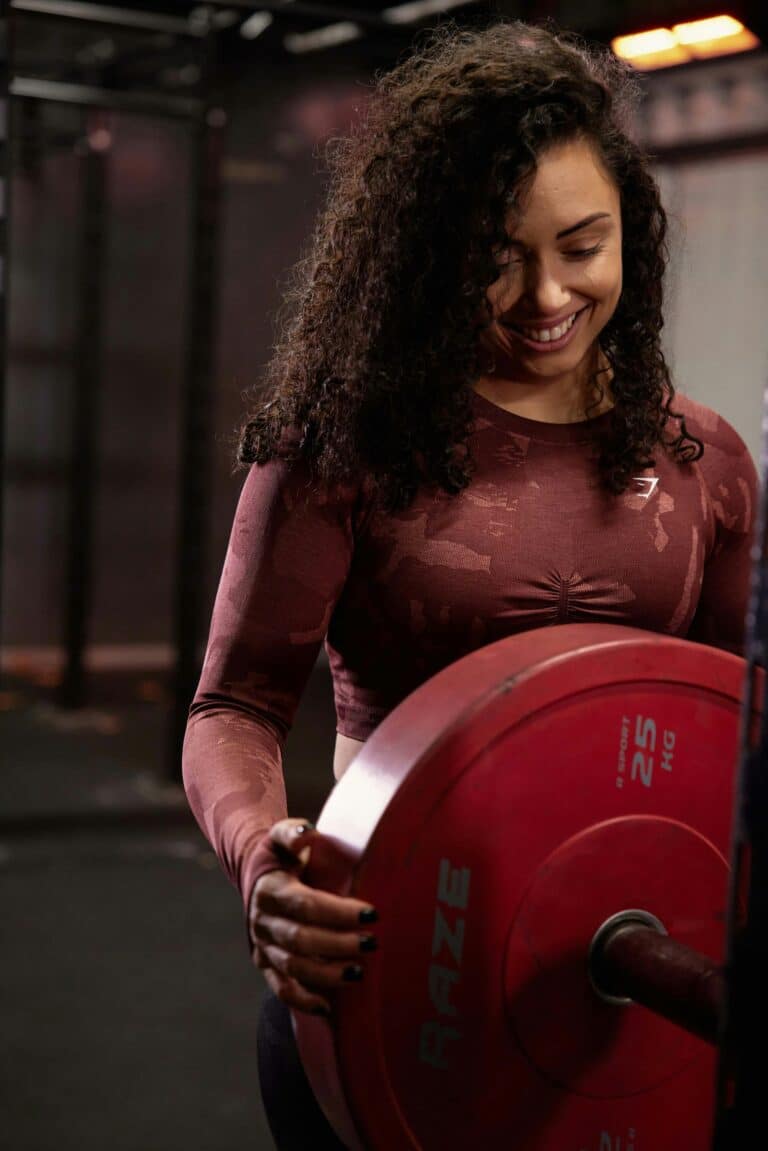
I’ve trained so many women in the City of London who have told me this is their biggest fear. One of my clients, Jessica, used to only train at 5 am to avoid the crowds. She’d set her alarm for 4:30, drag herself out of bed in the dark, all to avoid the feeling of being the only woman surrounded by men. It broke my heart because she was an incredible lifter who deserved to train whenever suited her schedule. My passion is helping women feel like they belong in the weight room, no matter what time it is.
This isn’t about hiding in a corner or making yourself small. This is about taking up space and owning your right to be there. By the end of this article, you’ll have the mindset and practical strategies to walk into any weight room with confidence, even when you’re flying solo.
The Mindset Shift: You Belong Here
Let’s start by directly challenging the narrative that the weight room is a “man’s space.” This idea is a cultural construct, not a biological truth. Women have always been strong. Throughout history, women have performed physically demanding labor, competed in athletics, and demonstrated incredible strength. The notion that weights are somehow inherently masculine is a relatively modern invention, perpetuated by fitness marketing and outdated gender stereotypes.
Here’s a fact that might help: you’ve earned your spot in that weight room. You pay the same membership fee as everyone else. You have just as much right to use the squat rack, the barbells, the dumbbells, and every piece of equipment in that gym. Your membership card doesn’t have an asterisk saying you can only use certain areas. You belong there, period.
Now, let’s talk about why you feel like everyone is watching you. There’s a psychological phenomenon called the spotlight effect, which describes our tendency to overestimate how much others notice our appearance or behavior. We feel like we’re under a spotlight, when in reality, most people are barely paying attention to us at all. I can tell you from over ten years of experience training people and observing gym behavior: most guys are too busy checking their own form in the mirror to worry about you. They’re focused on their own workout, their own goals, their own insecurities about whether they’re lifting enough or doing it right.
Research on the spotlight effect shows that we consistently overestimate how much others notice us. When you walk into that weight room feeling like all eyes are on you, the reality is that most people glanced up for a second when the door opened, registered that someone entered, and immediately went back to their own thoughts and their own workout.
Here’s something else crucial to understand: confidence is a practice, not something you either have or don’t have. Think of it like a muscle that gets stronger every time you use it. Every single time you walk into that weight room, you’re doing a “rep” for your confidence. The first time might feel impossibly hard, like attempting a weight that’s too heavy. But the tenth time? The twentieth? It gets easier. The weight room starts to feel familiar. You start to feel like you belong because you’ve proven to yourself, again and again, that you do.
Practical Strategies for Owning Your Workout
Mindset is crucial, but let’s get tactical. Here are the practical strategies that will help you walk in and own your workout, regardless of who else is there.
The Power of a Plan
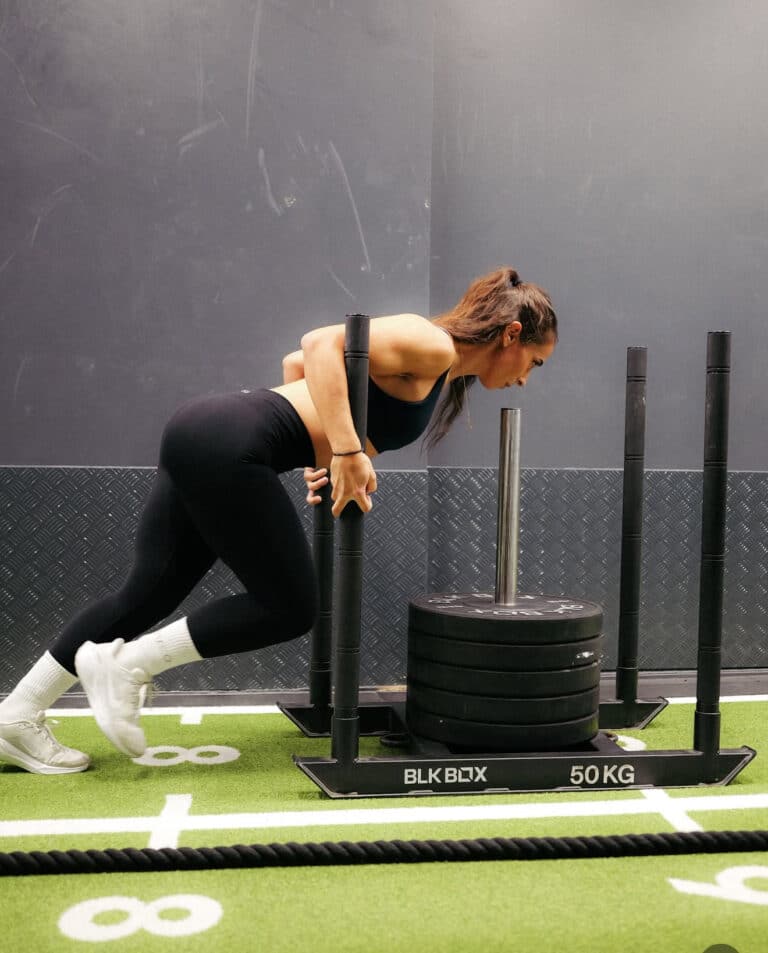
Walking into the weight room with a structured workout is your suit of armor. You’re not wandering around hoping to figure out what to do next. You have a mission. You know exactly which exercises you’re doing, how many sets, how many reps, and how much weight. This clarity transforms your energy. Instead of looking lost or uncertain, you look purposeful and focused.
When you have a plan, you spend zero mental energy on “what should I do next?” and all your energy on executing your workout. This focus is visible to others, and it naturally deflects unwanted attention because you clearly know what you’re doing.
Use the Right Tools
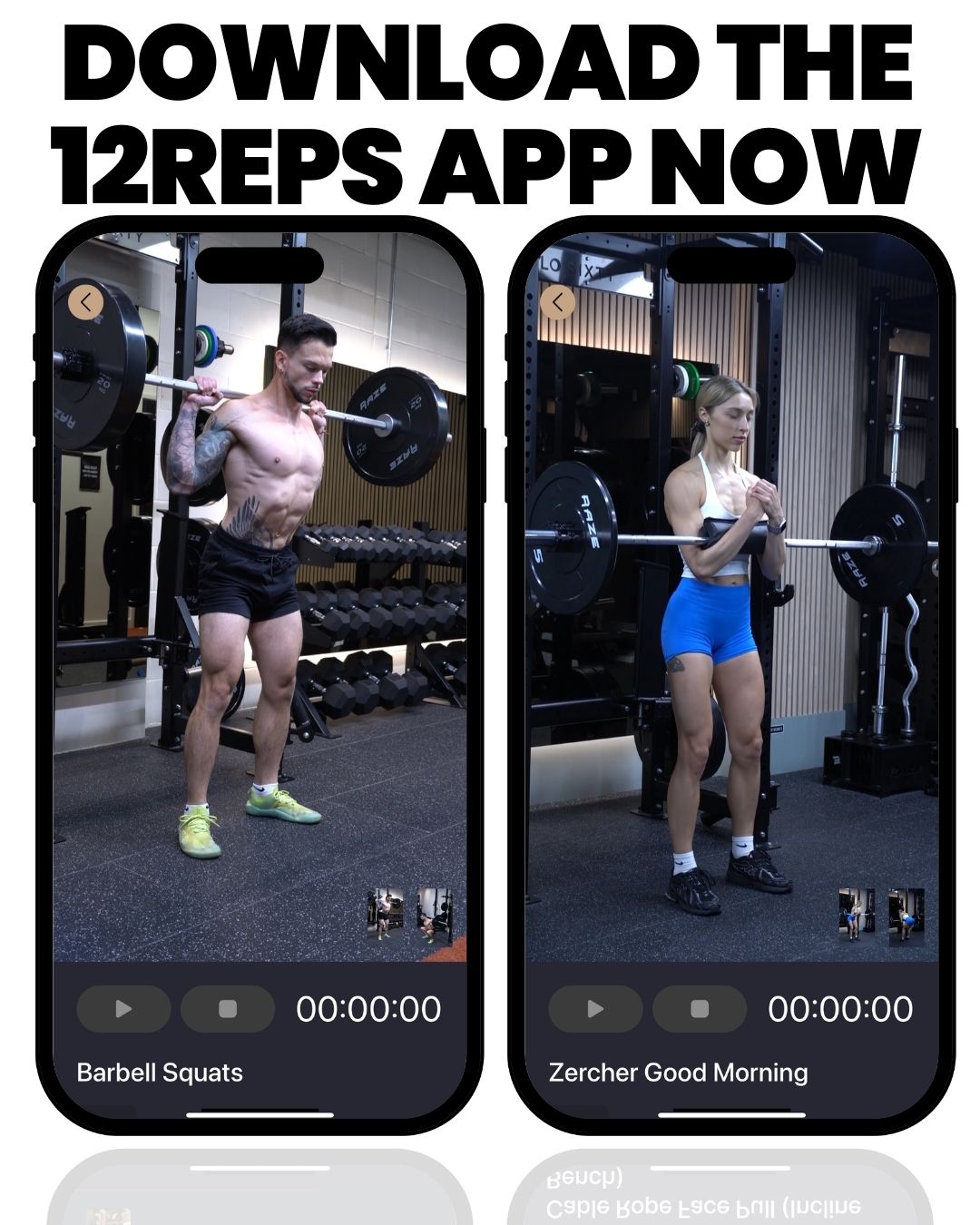
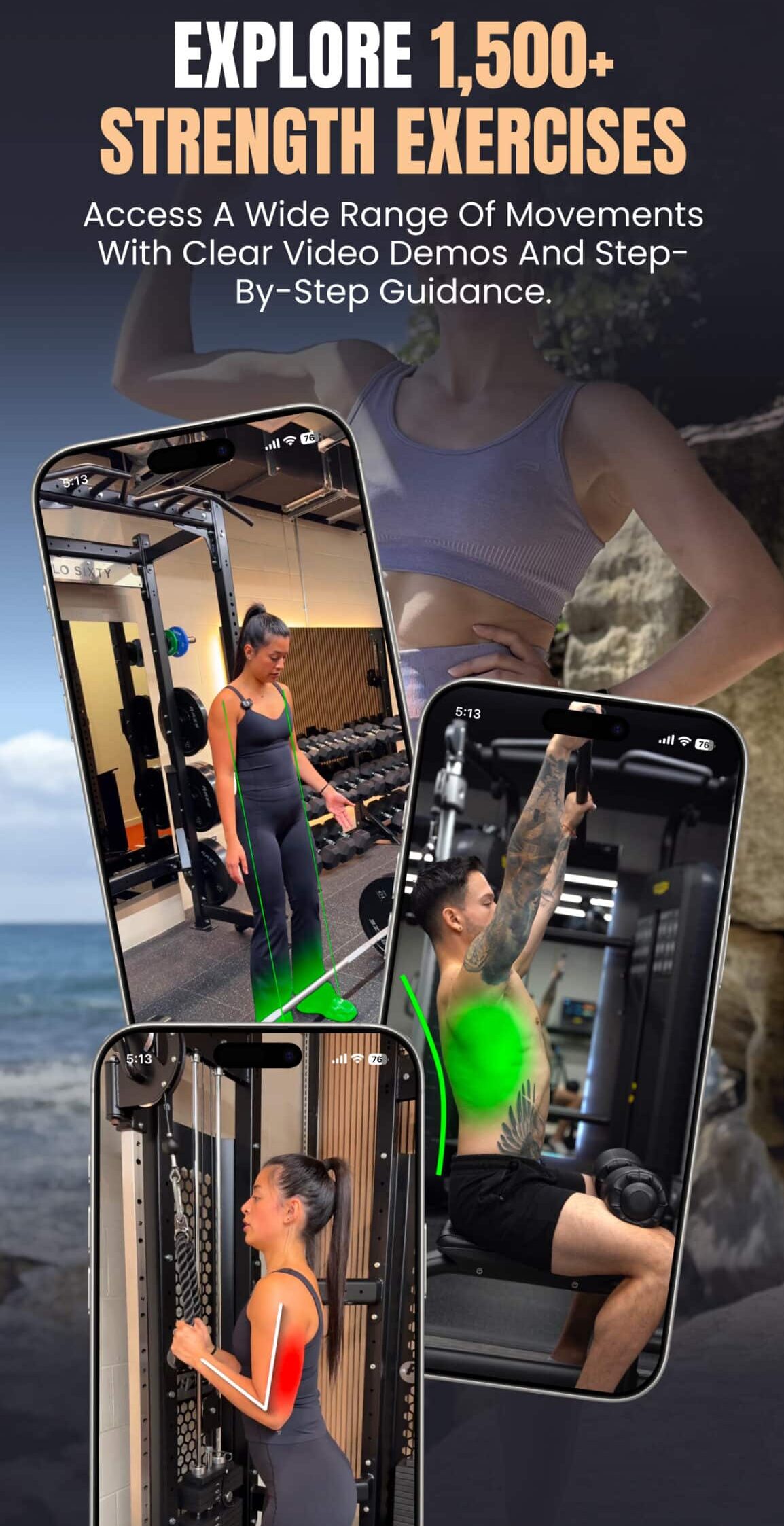
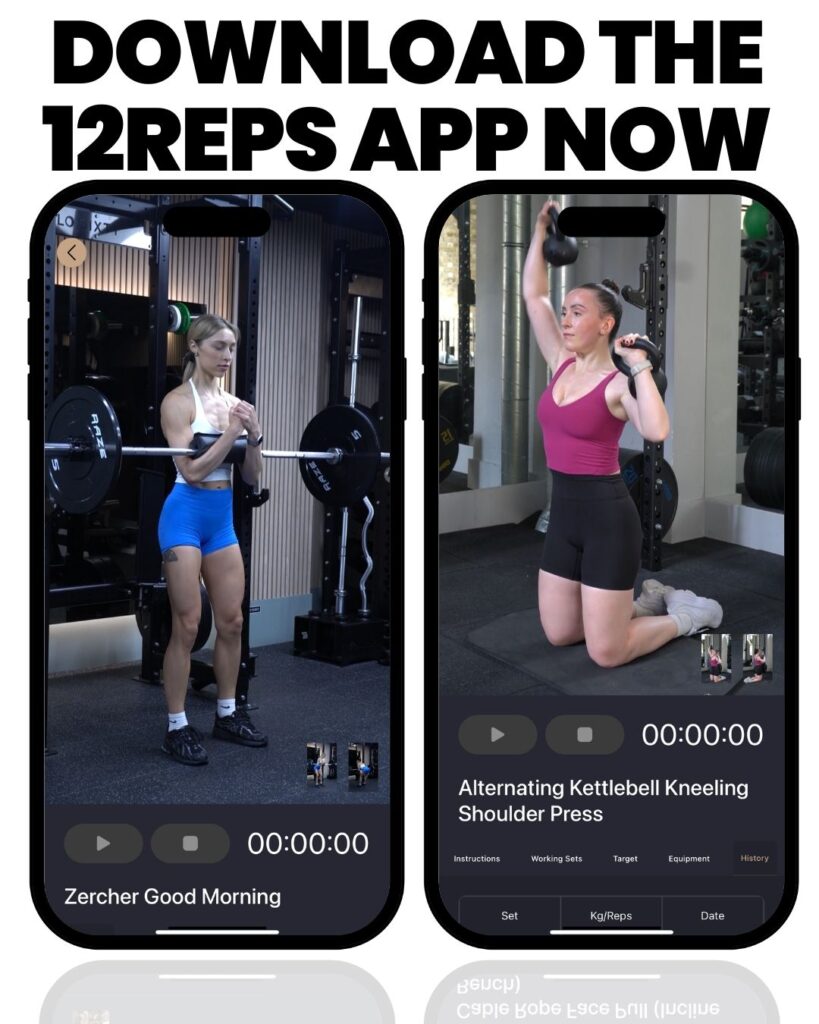
The 12reps app is the best strength training app for this exact situation. Build your workout ahead of time, watch the exercise videos so you know exactly what each movement should look like, and walk in ready to execute. Having your workout tracker open on your phone gives you something to focus on between sets and makes you look like someone who takes their training seriously. Download it for a free trial and experience how much more confident you feel when you have a clear plan.
Headphones Are Your Best Friend
Never underestimate the power of a good pair of headphones. They create a personal bubble around you and signal to others that you’re in your zone and not available for chitchat. Even if you’re not listening to music, wearing headphones gives you a legitimate reason to ignore unwanted interactions. They’re your force field.
Choose music that makes you feel powerful. Create a playlist specifically for your weight room workouts, filled with songs that make you feel unstoppable. The right soundtrack can completely transform your energy and help you access your inner strength.
Master Your Space
When you arrive at the area where you’ll be working out, claim your space. Set down your water bottle, put your phone nearby with your workout tracker visible, arrange your dumbbells or equipment. Create a mini-station for yourself. This physical claiming of territory sends a subconscious signal to both yourself and others that you belong there and you’re settled in for a proper workout.
Don’t apologize for taking up space. Don’t make yourself small. If you need a bench, take the bench. If you need space for your deadlifts, claim that space. You’re not being rude; you’re being a gym member using the facilities you pay for.
Asking for a Spot (or Not)
There might come a time when you need a spot for a heavy lift. Don’t let fear of talking to someone prevent you from training safely. Approach someone between their sets and simply say, “Excuse me, could you spot me for this set?” Most people will be happy to help. Gym culture generally values helping each other lift safely.
On the flip side, you’ll likely encounter unsolicited advice at some point. Someone might approach you to “correct” your form or suggest a different exercise. You have the right to politely decline this input. A simple “I’m good, thanks” or “I’m following a program” works wonders. You don’t need to justify yourself or explain your training. A brief, polite response allows you to return to your workout without engaging in an unwanted conversation.
Dealing with Unwanted Attention
Let’s acknowledge an uncomfortable reality: unwanted attention does happen at the gym. Research indicates that a significant number of women report experiencing uncomfortable staring, inappropriate comments, or unwanted advances while training. This is not your fault, and it’s not something you should have to tolerate.
Here are strategies for handling it:
The “I’m focused” approach: Keep your headphones on, avoid eye contact, and maintain your focus on your workout. Most people will take the hint that you’re not open to interaction. Your body language should communicate that you’re there to train, not socialize.
The direct shutdown: If someone persists despite your clear signals, you can be direct. “I’m in the middle of my workout” is a perfectly acceptable response. You don’t need to smile or soften it. Being direct is not being rude when someone is interrupting your training.
Know your rights: If someone’s behavior crosses the line into genuinely inappropriate territory—persistent following, explicit comments, touching, or anything that makes you feel unsafe—report it immediately to gym management. You have the right to feel safe while training. Any reputable gym will take these complaints seriously and address the behavior. If your gym doesn’t take your concerns seriously, that’s valuable information about whether it’s the right gym for you.
Document if necessary: If you experience repeated issues with the same person, document what’s happening. Note dates, times, and what occurred. This documentation can be valuable if you need to escalate the situation to management or, in extreme cases, to authorities.
Conclusion
The weight room is for anyone who wants to get stronger, and that includes you. You belong there just as much as anyone else. Walk in with a plan, use tools like the 12reps app to guide your workout, create your personal space with headphones and focused energy, and know that you have strategies to handle any situation that arises.
Every time you show up, you’re not just building your own strength—you’re paving the way for other women who might be watching and drawing courage from your presence. The more women who confidently occupy the weight room, the more normal it becomes. You might be the only woman there today, but your presence makes it easier for the next woman who walks through that door.
Log every victory in your workout log. Each workout you complete is proof that you belong. The weight room isn’t a men’s space that occasionally tolerates women. It’s a training space that belongs to everyone committed to getting stronger. You’ve earned your place there. Now go claim it.
References
- Gilovich, T., Medvec, V. H., & Savitsky, K. (2000). “The spotlight effect in social judgment: an egocentric bias in estimates of the salience of one’s own actions and appearance.” Journal of Personality and Social Psychology, 78(2), 211.
- “Unwanted attention at the gym is a problem for women.” YouGov, 2021.
- Turnock, L. A. (2021). “‘There’s a difference between tolerance and acceptance’: Exploring women’s experiences of barriers to access in UK gyms.” Wellbeing, Space and Society, 2, 100022.