

By Will Duru, BSc (Hons) Sport and Exercise Science Award-winning Personal Trainer with over 10 years of experience in strength training and optimising recovery.
The weight room can feel like a playground of medieval torture devices if you don’t know what you’re doing. You see people using the cable machine or the leg press with confidence, moving smoothly from one setup to the next, while you stick to the dumbbells because you’re afraid of looking foolish trying something new. That cable crossover station? It looks like something from a spaceship. The Smith machine? You’re not even sure which way to face.
Let me tell you a secret: every single person in that gym had a “first time” on every piece of equipment. That woman who’s effortlessly adjusting the lat pulldown? She once stood there staring at it, trying to figure out which pin adjusts the seat. The guy loading plates onto the leg press? He definitely had a moment of confusion about how many plates were too many. I’ve spent over ten years as a personal trainer, and my passion is demystifying this equipment and making it accessible. The machines are there to help you build strength, not to intimidate you.
I’m going to give you my simple, four-step process that you can use to master any new piece of equipment in the gym, from a straightforward machine to a complex barbell movement. This method works whether you’re tackling your first cable exercise or trying a piece of equipment you’ve been avoiding for months.
Step 1: The Reconnaissance Mission (Watch and Learn)
Your first step doesn’t even involve touching the equipment. This is pure intelligence gathering, and it’s one of the smartest things you can do.
Observe from a Distance
Watch other people use the equipment you’re interested in trying. You can learn an enormous amount just by observing during your rest periods between sets of other exercises. This isn’t creepy or weird—it’s strategic learning. You’re studying the movement pattern, the setup, and the general flow of the exercise.
Position yourself somewhere with a good view, perhaps while you’re resting on a nearby bench or stretching between exercises. Watch multiple people if possible, as different body types might set up the equipment slightly differently.
Look for Key Details
As you observe, pay attention to these specific elements:
Hand and foot placement: Where exactly do people grip the handles? How wide is their stance? Are their feet flat on a platform or hanging free?
Seat adjustments: Notice how people adjust the seat height or backrest. Most machines have a yellow or red pin that you pull to adjust—watch where people’s hands go when they first approach the machine.
Path of movement: Observe the arc or line the weight travels. Is it a straight up-and-down motion, or does it curve? How far does the movement go before they reverse direction?
Speed and control: Notice that experienced lifters move with controlled, deliberate speed. They’re not rushing through reps or using momentum.
The YouTube Pre-Game
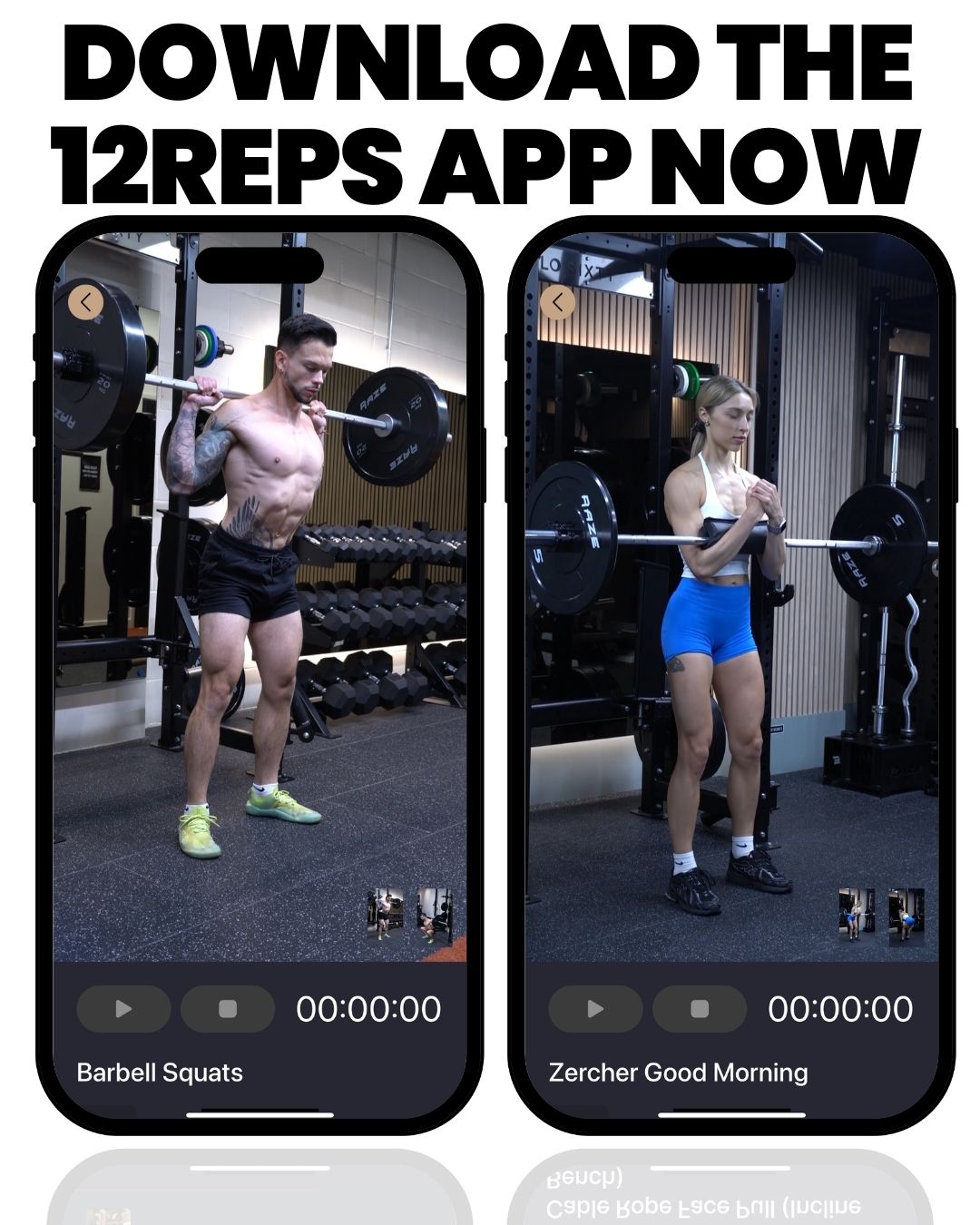
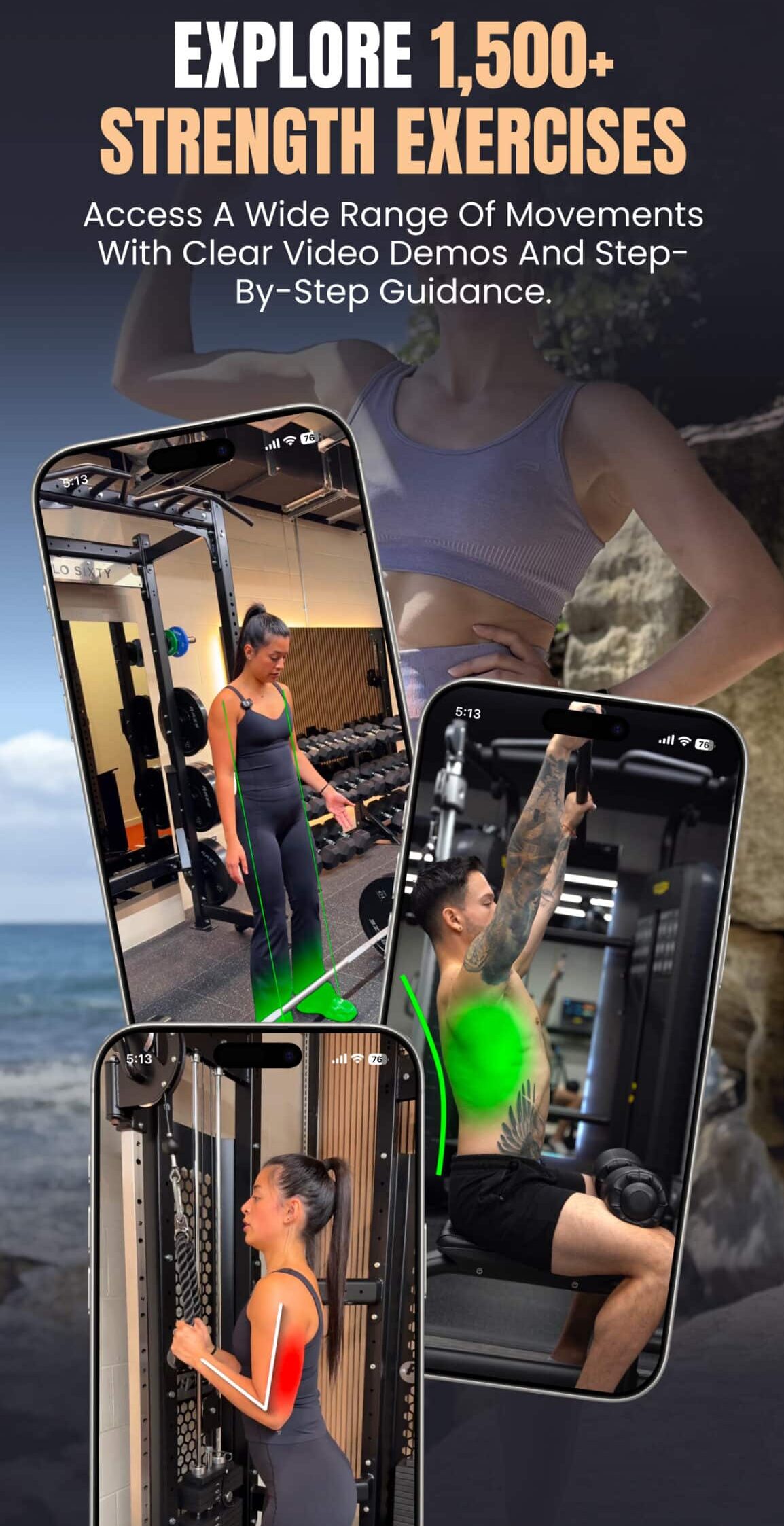
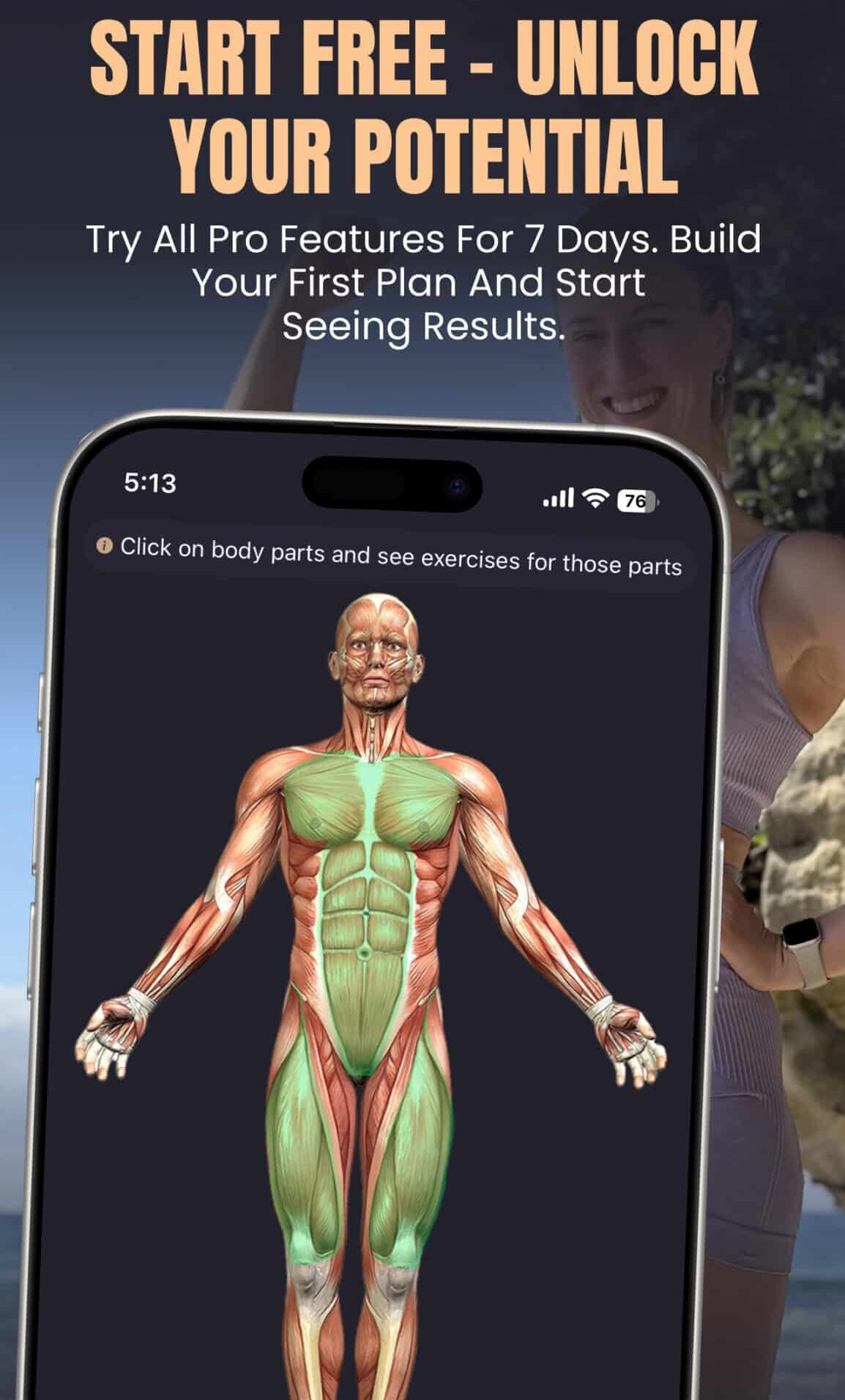
Before you even go to the gym, spend a few minutes on the 12-rep app or YouTube. Search for the name of the machine or muscle exercises (it’s usually written somewhere on it, often on the weight stack or frame) plus the word “tutorial” or “how to use.” A two-minute video can give you a massive confidence boost and eliminate much of the uncertainty.
All videos are from reputable fitness sources or certified trainers. Pay attention to videos that explain not just how to use the equipment, but which muscles it targets and common mistakes to avoid. This background knowledge transforms you from someone who’s guessing to someone who understands the purpose of the exercise.
Step 2: The Dry Run (No Weight Needed)
Now it’s time to actually interact with the equipment, but we’re going to do it strategically.
Go in Off-Peak
If possible, try new equipment during quieter gym hours. Early mornings, mid-afternoons on weekdays, or late evenings tend to be less crowded. This reduces the pressure of feeling watched and gives you space to experiment with adjustments without feeling like you’re holding anyone up.
Adjust the Machine for You
This is the most crucial step that beginners often skip. The machine should fit your body, not the other way around. Here’s what to look for:
Seat height: Your joints should align with the machine’s pivot points. For example, on a leg extension machine, the pivot (where the machine rotates) should line up with your knee joint. On a chest press, the handles should be at mid-chest height when you’re seated.
Pin placement: The pin that selects weight from the stack should be easy to remove and insert. If you’re struggling to get it in or out, the machine might not be properly maintained, report it to staff.
Range of motion adjusters: Some machines have stoppers that limit how far the weight travels. Start with the full range of motion (no stoppers engaged) unless you have a specific injury or limitation.
Handles and grips: If there are multiple grip options, start with the most neutral, comfortable one. You can experiment with variations later.
Perform the Movement with No Weight
Before you even think about adding weight, select the lightest setting or, for free weights, use just an empty barbell. Do ten to fifteen repetitions with minimal or no resistance. Get a feel for the movement pattern. Where do you feel tension? Does the movement feel natural or awkward?
This is where you build the mind-muscle connection, the ability to feel the target muscles working during the exercise. If you’re doing a lat pulldown, you should feel it in your back, not your arms. If you’re doing a leg press, you should feel it in your quads and glutes, not your lower back.
Pay attention to any discomfort or pinching. The movement should feel smooth and controlled, even if slightly challenging. If something feels wrong, stop and reassess your setup or ask for help.
Step 3: Start Light and Earn the Right to Go Heavy
Now that you understand the movement, it’s time to add resistance—but slowly.
Ego is the Enemy
I’ve seen more injuries from people lifting too heavy too soon than from almost anything else. There’s enormous pressure in gyms to lift impressive weights, but this is one of the biggest mistakes beginners make. Start with a weight that feels almost too easy. You should be able to complete ten to twelve repetitions with good form and still feel like you could do a few more.
Starting light serves multiple purposes: it allows you to refine your technique without the distraction of heavy resistance, it reduces injury risk dramatically, and it gives you a baseline to measure progress from. There’s no shame in starting with the lightest weight on the stack or a nearly empty barbell. Everyone who’s now lifting heavy started exactly where you are.
Focus on Form
The goal of your first few sessions with any new exercise is perfect technique, not lifting heavy. Ask yourself these questions during each set:
- Can I feel the target muscles working?
- Is the movement smooth and controlled, or am I jerking or using momentum?
- Am I maintaining proper posture (neutral spine, shoulders back, core engaged)?
- Can I breathe comfortably throughout the movement?
If you answered “no” to any of these, reduce the weight further. Good form with light weight builds strength faster and more safely than poor form with heavy weight.
Track Your Starting Point
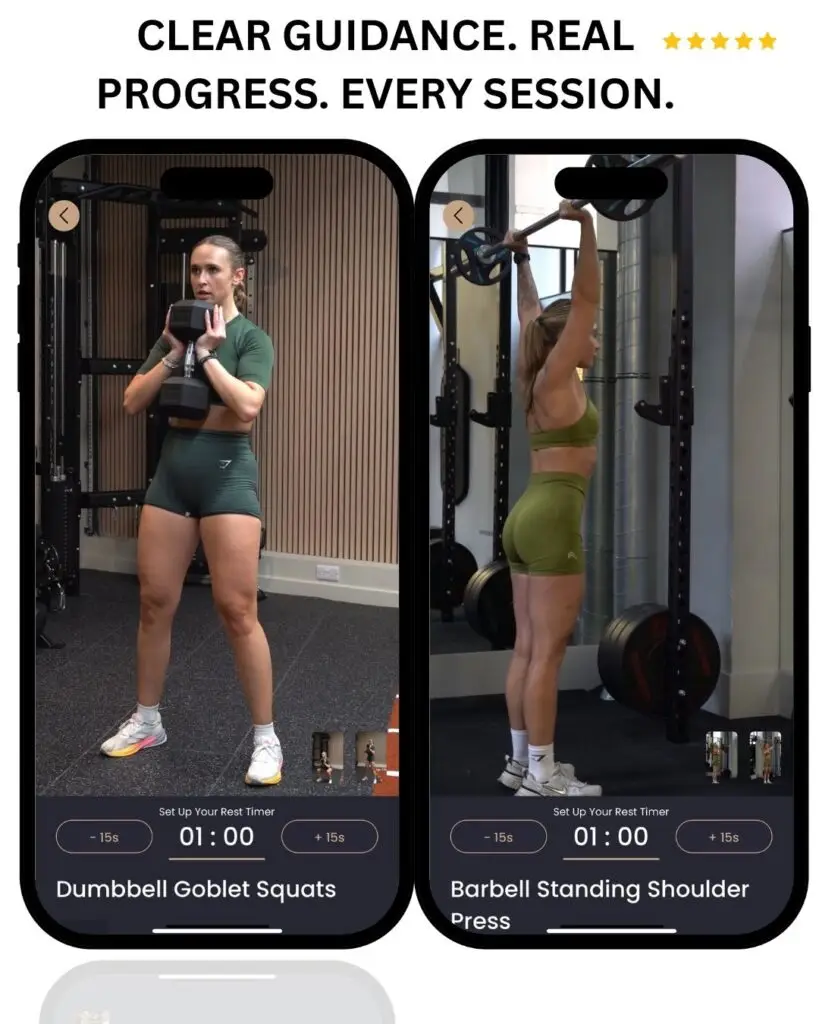
This is where your workout tracker becomes essential. Log the exercise and the weight you started with in the 12reps app. Why does this matter? Because in a few weeks or months, you’ll look back at your starting point and be amazed at how much stronger you’ve become. That weight that felt challenging on week one will feel like a warm-up by week eight.
The 12reps app is the best strength training app for visualising your progress because you can see the trajectory of your improvement over time. Download it for a free trial and start documenting your journey with each new piece of equipment. There’s incredible motivation in seeing concrete evidence that you’re getting stronger.
Step 4: When in Doubt, Ask! (The Confidence Shortcut)
Here’s the truth: my four-step process is thorough and effective, but it has a shortcut that can save you time and uncertainty.
If you’re truly lost or unsure whether you’re doing something correctly, just ask a trainer or staff member. A quick, “Can you show me how this machine works?” or “Could you check my form on this?” saves you all the guesswork and ensures you’re starting with proper technique from day one.
Asking for help isn’t a sign of weakness or ignorance; it’s a sign of intelligence and commitment to doing things correctly. Trainers genuinely appreciate it when people ask questions rather than risking injury or developing bad habits.
Remember, staff members are there to help. It’s part of their job, and most take pride in helping members feel confident and capable. A two-minute explanation from someone knowledgeable can prevent weeks of doing an exercise incorrectly.
Conclusion
The gym is your playground. Don’t let a single piece of equipment intimidate you from getting the results you want. You have the tools now: watch others and study videos, do a dry run with minimal weight to learn the movement, start light and focus on form, and never hesitate to ask for help when you need it.
Every piece of equipment in that gym is just a tool designed to help you build strength. None of them are inherently complicated, they just require a bit of learning, exactly like anything else worth doing. The difference between someone who looks confident using equipment and someone who avoids it is simply that the confident person was willing to be a beginner once.
Next time you’re at the gym, pick one new piece of equipment and use this method. Maybe it’s that rowing machine you’ve been curious about, or the cable station that always seems intimidating. Follow the steps, start light, and log your new achievement in your workout log. Be proud of expanding your fitness horizons, every new exercise you master is a victory.