



Yes. Exercise can bring real stress relief and support your mental health. A large 2023 overview of clinical trials found that physical activity improves symptoms of anxiety, depression and psychological distress, and strength training is one of the types that helps. The WHO 2020 guidelines say some activity is better than none, so you do not need hours in the gym to feel the benefit.
The pressure cooker of your 30s
Life in your 30s can feel like a pressure cooker: career goals, family, money. Many men see exercise only as a way to change how they look. Some even see it as one more source of stress on a packed to-do list.
In a decade of training city professionals, I have come to see it differently. Training is one of the best release valves you have. This article explains what the research shows, why lifting weights in particular can help, and how to fit it into a busy week.
Exercise is not a substitute for professional help. If stress is affecting your sleep, work or relationships, talk to your GP. There is more on getting help at the end.
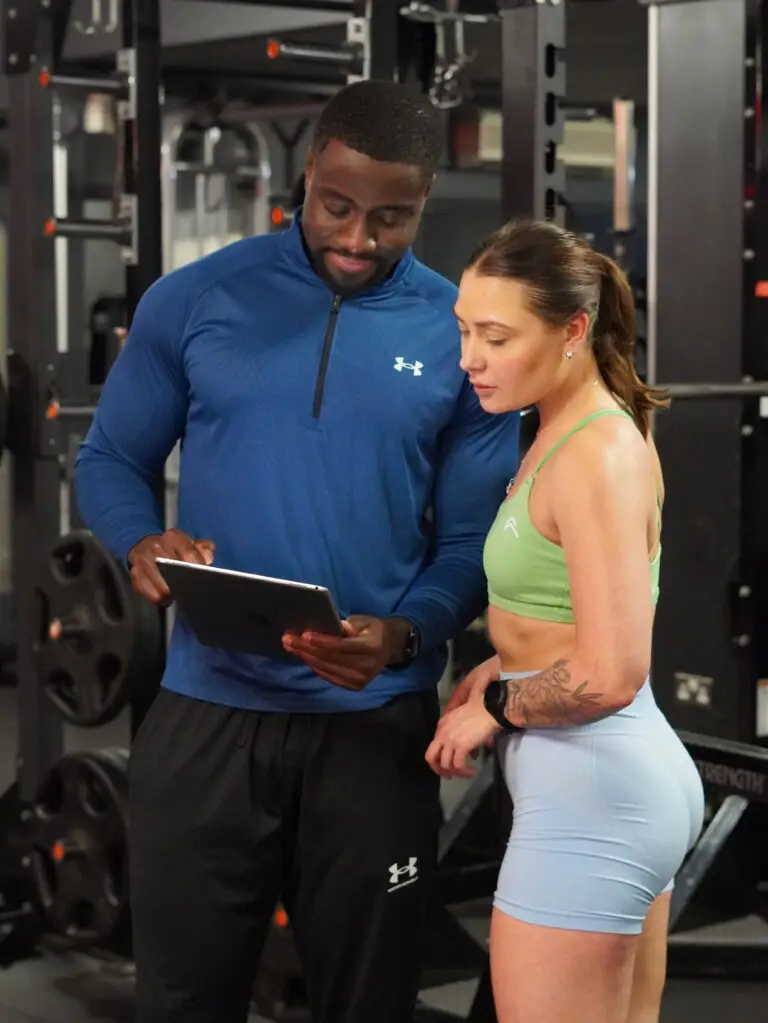
Exercise for stress relief: what the research shows
The evidence is broad. A 2023 overview of 97 reviews, covering more than 1,000 trials, found that physical activity improved symptoms of depression, anxiety and psychological distress. The distress finding rested on far fewer trials, and most of the reviews were rated as critically low quality. Even so, the authors concluded that physical activity should be a mainstay approach for these problems.
Lifting weights has its own research:
- A meta-analysis of 16 studies found that resistance training improved anxiety symptoms, with the larger effect in healthy adults.
- A 2024 analysis in the BMJ found that strength training reduced symptoms of depression. Walking or jogging and yoga also helped. Confidence in most results was rated low or very low.
What happens in your brain when you exercise?
You will often hear that exercise “floods your brain with feel-good chemicals”. The truth is more cautious. A 2019 review of possible mechanisms says they are not yet established. Researchers think several things work together, including changes in brain plasticity, inflammation and hormones, plus psychological factors such as self-esteem and self-efficacy.
One example is brain-derived neurotrophic factor (BDNF), a protein researchers link to brain plasticity. A meta-analysis of exercise and BDNF found that a single exercise session raised BDNF levels, and that regular exercise made this effect stronger. Scientists are still working out what this means for mood.

Strength training as "moving meditation"
Lifting asks for your full attention. When you are setting up for a heavy squat, bracing and controlling your breathing, there is little room left for work emails. I call it moving meditation: a few minutes where your only job is the rep in front of you.
The gym is also a place where effort shows up in results you can measure. In a week where much feels out of your control, adding a little weight to the bar is a clear win. That links to self-efficacy, the belief that you can handle things, which researchers list as one of the possible ways exercise helps mood.
Video: Why strength is the key to building confidence. A short clip on how getting physically stronger builds confidence that carries into the rest of your life.
Strength training is not the only option. If you prefer to run or walk, that helps too. In the 2024 BMJ analysis, walking or jogging was among the most effective types of exercise for depression.

How to fit stress-relief workouts into a busy week
The NHS recommends at least 150 minutes of moderate activity a week, plus strength exercises on at least 2 days. You can spread this over 4 to 5 days. A busy week might look like this:
- Two strength sessions of about 45 minutes. Our 45-minute full-body workout you can do twice a week is built for people heading to the gym straight from the office.
- Short walks on most days, for example at lunch or on the way home.
- A short home session when you cannot get to the gym.
Video: 30-minute kettlebell full-body workout. A follow-along session you can do at home with one kettlebell when your day runs over.
Worried that a late session will ruin your sleep? A review of 23 studies found that exercise in the 4 hours before bed did not harm sleep in healthy adults. The exception was vigorous exercise ending within an hour of bedtime, based on just one study.
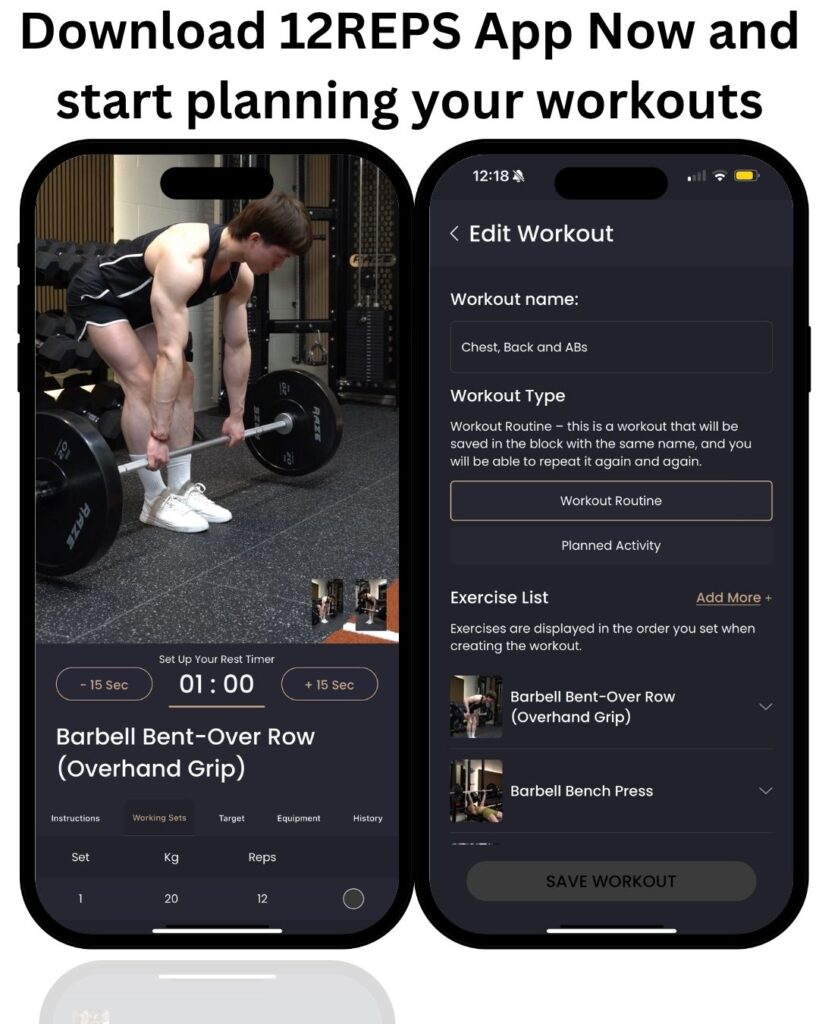
If you want your sessions planned for you, 12REPS builds each workout around your goal, your equipment and the time you have. It shows a trainer demonstration for every exercise and tracks your workouts and streaks, which makes the habit easier to keep. For a three-day option, see our 3-day strength training split for busy dads.
When to get help for stress
Exercise can help you manage everyday stress. It is not a fix for everything. The NHS suggests seeing a GP if you are finding it hard to cope or self-help is not working.
- In England, you can refer yourself to NHS Talking Therapies for anxiety and depression. You need to be registered with a GP and aged 18 or over (16 or over in some areas).
- For urgent help that is not an emergency, call NHS 111 or ask for an urgent GP appointment.
- In a mental health emergency, call 999 or go to A&E. Outside the UK, call your local emergency number.
If mood swings or anxiety around perimenopause are your main concern, read our companion guide to exercise for anxiety and mood swings.
Your most important meeting
Treat your workout as the most important meeting in your diary: an appointment with a calmer, stronger version of yourself. Do not cancel it. Start with two sessions this week and build from there.

Sources
- World Health Organization 2020 guidelines on physical activity and sedentary behaviour. Bull FC, Al-Ansari SS, Biddle S, et al. British Journal of Sports Medicine, 2020. https://doi.org/10.1136/bjsports-2020-102955
- Effectiveness of physical activity interventions for improving depression, anxiety and distress: an overview of systematic reviews. Singh B, Olds T, Curtis R, et al. British Journal of Sports Medicine, 2023. https://bjsm.bmj.com/content/57/18/1203
- The Effects of Resistance Exercise Training on Anxiety: A Meta-Analysis and Meta-Regression Analysis of Randomized Controlled Trials. Gordon BR, McDowell CP, Lyons M, Herring MP. Sports Medicine, 2017. https://doi.org/10.1007/s40279-017-0769-0
- Effect of exercise for depression: systematic review and network meta-analysis of randomised controlled trials. Noetel M, Sanders T, Gallardo-Gomez D, et al. BMJ, 2024. https://doi.org/10.1136/bmj-2023-075847
- Physical activity and depression: Towards understanding the antidepressant mechanisms of physical activity. Kandola A, Ashdown-Franks G, Hendrikse J, Sabiston CM, Stubbs B. Neuroscience and Biobehavioral Reviews, 2019. https://doi.org/10.1016/j.neubiorev.2019.09.040
- A meta-analytic review of the effects of exercise on brain-derived neurotrophic factor. Szuhany KL, Bhatia M, Otto MW. Journal of Psychiatric Research, 2015. https://pubmed.ncbi.nlm.nih.gov/25455510/
- Physical activity guidelines for adults aged 19 to 64. NHS, 2024. https://www.nhs.uk/live-well/exercise/physical-activity-guidelines-for-adults-aged-19-to-64/
- Effects of Evening Exercise on Sleep in Healthy Participants: A Systematic Review and Meta-Analysis. Stutz J, Eiholzer R, Spengler CM. Sports Medicine, 2018. https://doi.org/10.1007/s40279-018-1015-0
- Get help with stress. NHS, 2026. https://www.nhs.uk/mental-health/feelings-symptoms-behaviours/feelings-and-symptoms/stress/
- NHS Talking Therapies for anxiety and depression. NHS, 2025. https://www.nhs.uk/mental-health/talking-therapies-medicine-treatments/talking-therapies-and-counselling/nhs-talking-therapies/