

The Question Nobody Wants to Hear
You’ve tried running. For three months, you hit the treadmill five days a week. The scale dropped. Then it stopped. You felt tired. Smaller, not stronger. Your friend said, “Just add weights.” You tried. Confused about what to do. Did weights slow your progress?
My client Ola asked me the same thing. Here’s what happened when he stopped choosing between cardio and strength training.
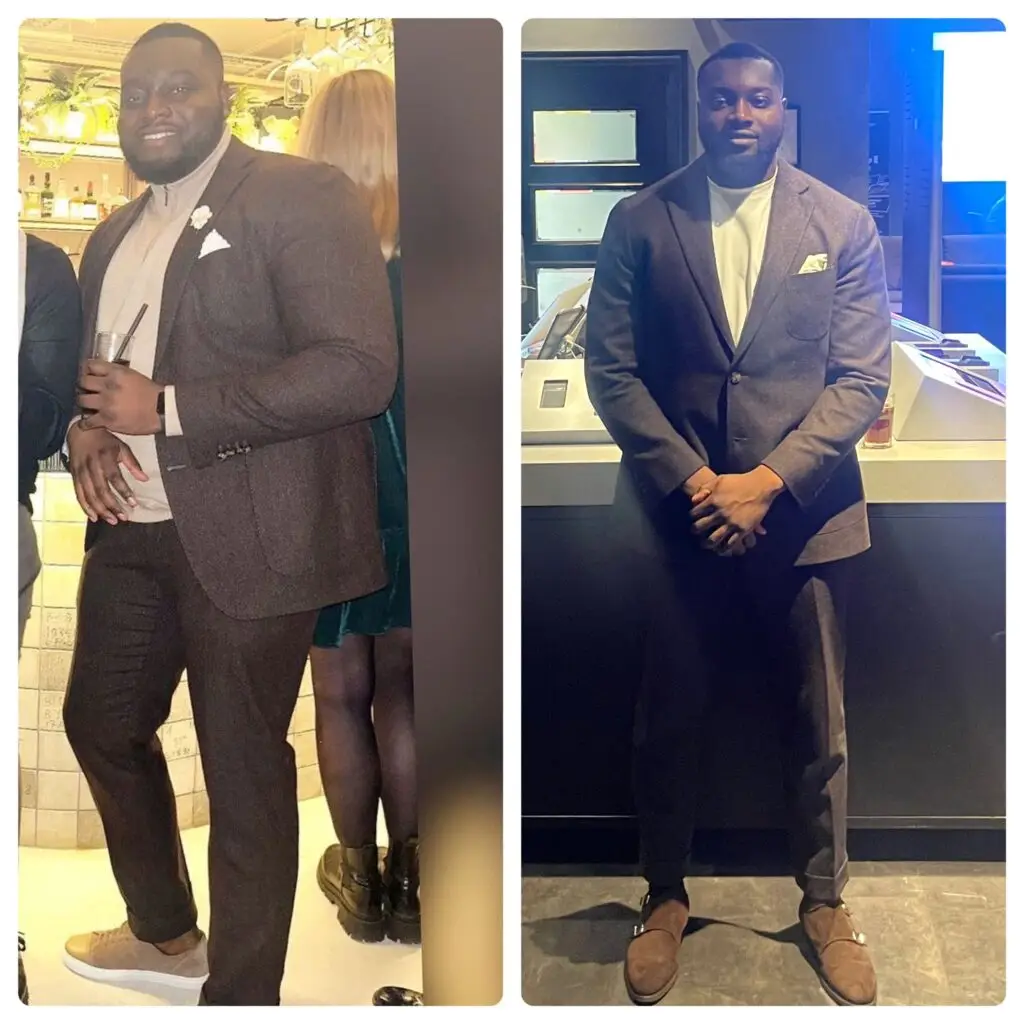
Ola's Story: From Lost to Structured
Ola was 42 when he walked into my office. Desk job. Hadn’t lifted weights since university. He’d put on 28kg over five years. His back hurt. He couldn’t play with his kids without feeling tired. He wanted to change. He just didn’t know how.
He started the way most people do: running. Lots of it. Five days a week, 45 minutes each session. The first month, he dropped 4kg. He felt good. He thought he’d found the answer.
Then weeks 5 through 8 happened. The scale stuck. Nothing moved. He felt exhausted. His legs ached constantly. He was thinking about quitting.
That’s when he added two strength sessions. He was nervous. Thought it would slow his weight loss even more. Instead, something shifted.
His weight dropped slower in weeks 9 and 10—roughly 0.4kg per week instead of 0.7kg. He almost quit again. But his waist was shrinking faster than before. His clothes fit differently. His energy came back. His back stopped hurting.
Nine months later, 25kg was gone. But more importantly: he could do pull-ups for the first time in 20 years. His back pain stopped. He played with his kids without getting winded. The scale was secondary.
Weight Loss and Fat Loss Are Different
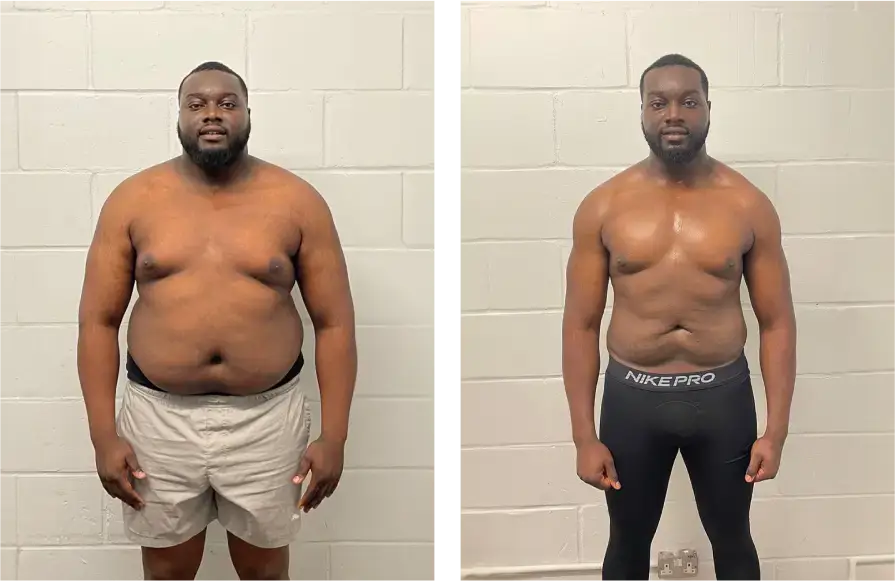
Here’s what confused Ola. He added strength work in week 5. His weight loss slowed from 0.7kg per week to 0.4kg per week. He panicked. Thought it wasn’t working.
But his waist measurement dropped faster than before. His clothes fit better. His muscles looked more defined.
Why? He was losing fat but building muscle. The scale lied. This is called body recomposition. It’s common when you combine cardio with strength training.
Your body weight includes fat, muscle, water, bone and the food and fluid inside you. When the number on the scales falls, it doesn’t tell you which part you’ve lost.
If you eat much less and only do cardio, you may lose weight. Some of that weight may come from muscle. That’s why I encourage clients to focus on losing fat while keeping as much muscle as possible.
Some beginners can build muscle while losing fat. Their waist may shrink even when the scales move slowly. Research on exercise and weight loss found that resistance training can reduce lean mass loss during weight loss. This is why strength work matters.

Can Muscle Turn Into Fat?
No. Muscle cannot turn into fat, and fat cannot turn into muscle. They are different tissues.
When someone stops training, their muscles may become smaller because they are no longer being challenged. If their movement drops while their calorie intake stays the same, they may also gain body fat. Both changes can happen together, but one tissue has not changed into the other.
You lose fat by using more energy than you consume over time. You maintain or build muscle through strength training, adequate protein intake, and adequate recovery.
Why People Quit (And How Ola Didn’t)
Most people quit at week 6. The scale hasn’t moved in two weeks. They think it’s not working. They stop showing up.
Ola almost quit here too. He’d been consistent. Strength sessions twice a week. Walking on other days. Then week six hit and the scale stalled.
Here’s what stopped him from quitting: he was tracking more than just weight. He measured his waist. He took progress photos. He felt stronger. His clothes fit differently.
One metric moving is proof the plan works. You don’t need all four improving at once. If your waist is shrinking, the plan is working. If your strength is rising, the plan is working. Trust the data beyond the scale.
How Strength Training Supports Fat Loss
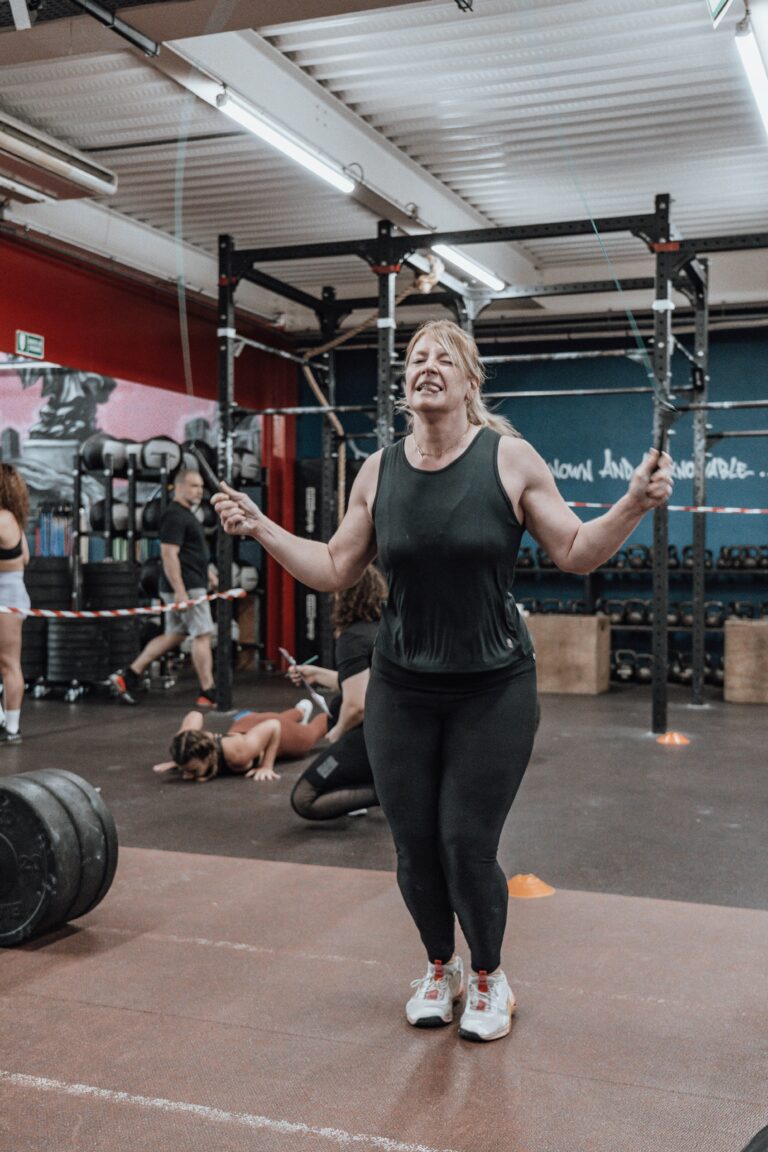
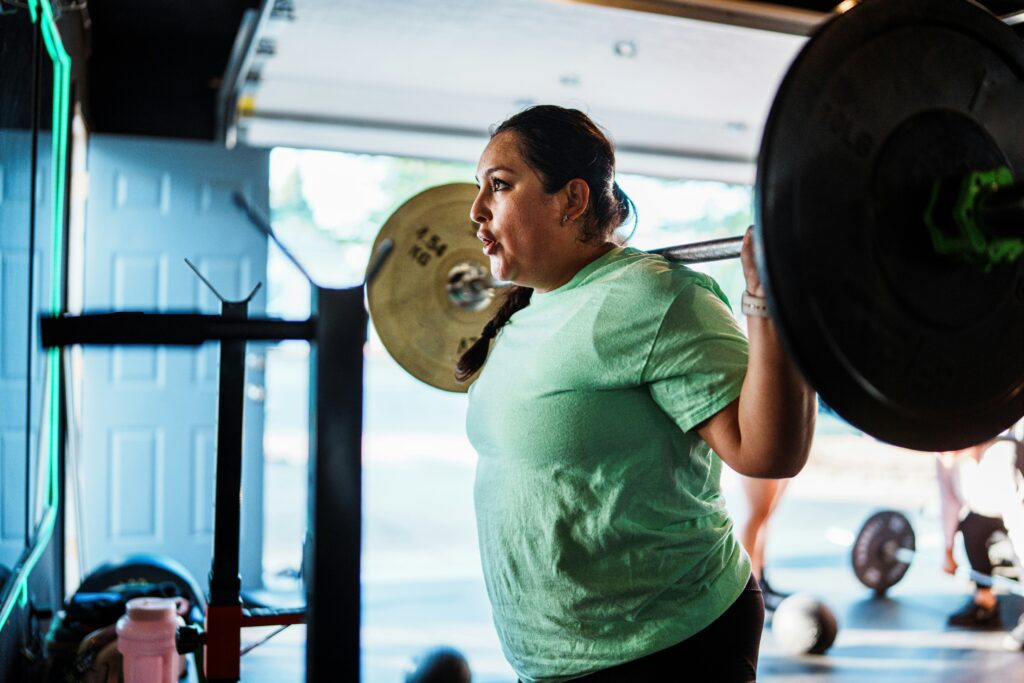
Strength training means working your muscles against resistance. You can use dumbbells, barbells, kettlebells, machines, bands or your own body weight.
You burn energy during the session. Strength training also gives your body a reason to keep muscle while you lose weight and helps you remain physically capable.
Building muscle may raise the energy your body uses at rest, but fitness marketing often exaggerates this effect. Lifting weights does not cancel out your food choices. It helps improve your body composition rather than only making the scales lighter.
You also gain more ways to see progress. You might perform another repetition, lift a heavier weight or move with better control. Ola went from squatting 40kg to 60kg over nine months. That’s visible progress that the scale never shows.
Bone Density: Why Age Matters
At 40+, your bones silently lose density. You don’t notice until you fall or get an injury that should heal in weeks but takes months.
Strength training reverses this. Heavy squats, rows and loaded carries signal your body to keep bone strong. This is not optional after 40. It’s maintenance.
Your bones respond to load. When your muscles work against resistance, they pull on your bones. Weight-bearing movements also place controlled stress through your skeleton. This signals your body to maintain strong bone tissue.
Squats, lunges, presses, rows, step-ups and loaded carries can form part of a balanced plan. Bone changes take time. A 12-week program should not promise to transform your bone density. It can introduce regular loading, improve your strength and build a habit that supports your bones over the years ahead.
What Does Cardio Do?
Cardio trains your heart and lungs. Running is one option, but it is not the only one. Brisk walking, cycling, swimming, rowing and using a cross-trainer can all improve your fitness.
Cardio increases your weekly energy use and may burn more calories during the session than a traditional strength workout. Weight-bearing activities such as running can support bone health too.
But cardio does not provide the same full-body strength stimulus as progressive resistance training. If you only run, you are not training every major muscle group through a wide range of movements and loads.
Which Works Best for Weight Loss?
It depends on the result you want.
If you want to improve your running endurance, you need to run. If you want to become stronger and build muscle, you need resistance training. If you want to lose body fat, your energy balance matters most, but both forms of exercise can support it.
Cardio helps you use more energy and improve your cardiovascular health. Strength training helps you keep muscle, become stronger and improve your body composition. Combining both gives you a more complete plan.
Choose activities you can repeat. If you dislike running, try an incline walk, bike, rowing machine or swimming. You can begin strength work with machines, bands or body-weight exercises.
The best plan is not the one that leaves you exhausted for a week. It is the one you can still follow months later.
Your 12-Week Foundation
Twelve weeks is long enough to make meaningful progress. It is not a deadline for your final result.
Ola’s 25kg loss took nine months, not 12 weeks. Your first 12 weeks should build the foundation that allows you to continue. Current UK physical activity guidance recommends strength-building activity on at least two days each week. Adults should also work towards 150 minutes of moderate aerobic activity, 75 minutes of vigorous activity, or a mixture of both.
Weeks 1 to 4: Learn the Foundation
Strength sessions: Two per week (Monday and Thursday), 45 minutes each
Exercises: Full-body focus
- Squats (dumbbell or barbell)
- Rows (dumbbell or machine)
- Chest press (dumbbell or machine)
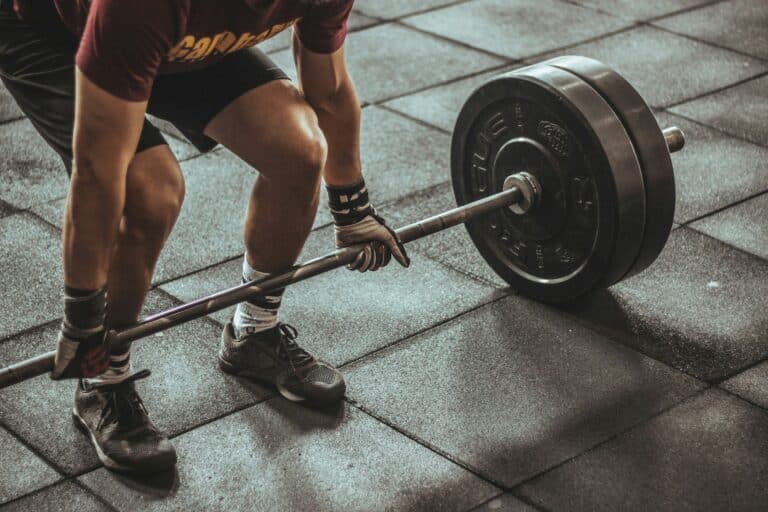
- Deadlifts (light, focus on form)
- Shoulder press
- Pull-ups or assisted pull-ups
- Planks or core work
Structure: Three sets of 8 reps per exercise. Focus on learning proper form. Don’t chase heavy weight.
Cardio: 20-30 minute walks or bike rides on off days. Keep it low intensity. This is recovery cardio, not a separate workout.
Recovery: Do not try to destroy yourself in the first week. Finish each session knowing you can recover and return.
Weeks 5 to 8: Add Load
Same exercises. Heavier weight or one more rep.
Example: Week 1, you squatted 40kg for 8 reps. Week 5, aim for 40kg for 10 reps, or 45kg for 8 reps.
Add third session if recovery allows (optional): If you have the capacity, a third session can accelerate progress. But two focused sessions beat three half-hearted ones.
Continue cardio: Build the time and intensity gradually rather than changing everything at once. If you were doing 20 minutes, move to 25. Not 45.
Weeks 9 to 12: Track Visible Progress
Continue progression without sacrificing technique. Keep progressing—add weight or reps each week.
Compare your current weights and repetitions with those from week one. This gives you clear proof that you are getting stronger. By week 12, you should see measurable differences.
Example: Week 1: 40kg squat, 8 reps. Week 12: 55kg squat, 10 reps. That’s measurable.
At the end of week 12, review your body weight, waist measurement, photos, fitness and completed workouts. Use that information to plan your next 12 weeks.
Is Two or Three 45-Minute Strength Sessions Enough?
For many people, yes. You can make progress without spending every evening in the gym.
Start from your current ability and build gradually. Your week might include two or three full-body strength sessions, regular walking and one or two forms of cardio you enjoy.
Nutrition Still Matters
Exercise supports weight loss, but it cannot do all the work. You need to use more energy than you consume over time.
That does not mean eating as little as possible. Build your meals around sensible portions, protein, fruit, vegetables and food that supports your training.
Choose changes you can maintain for months, not only during a perfect week.
Measure More Than Your Weight
Your body weight can change because of water, salt, hormones, food and digestion. Track several signs of progress:
- Your weekly weight trend
- Waist and body measurements
- Progress photos
- Weights and repetitions completed
- Fitness and energy levels
- Workouts completed (consistency)
If your waist is reducing and your strength is rising, one slow week on the scales does not mean the plan has failed.
The Long Game
Ola’s result wasn’t special. He followed a structured plan for nine months. He didn’t quit at week six when the scale stopped moving. He didn’t skip sessions because he was busy. He showed up.
The difference between people who transform and people who talk about it: time and consistency. Not intensity. Not perfection.
Twelve weeks builds the foundation. But what you keep doing after week 12 is where the real change happens. That’s when nine months becomes nine years of being stronger.
Start Here
You know the plan. Two to three strength sessions. Cardio you can repeat. Enough time.
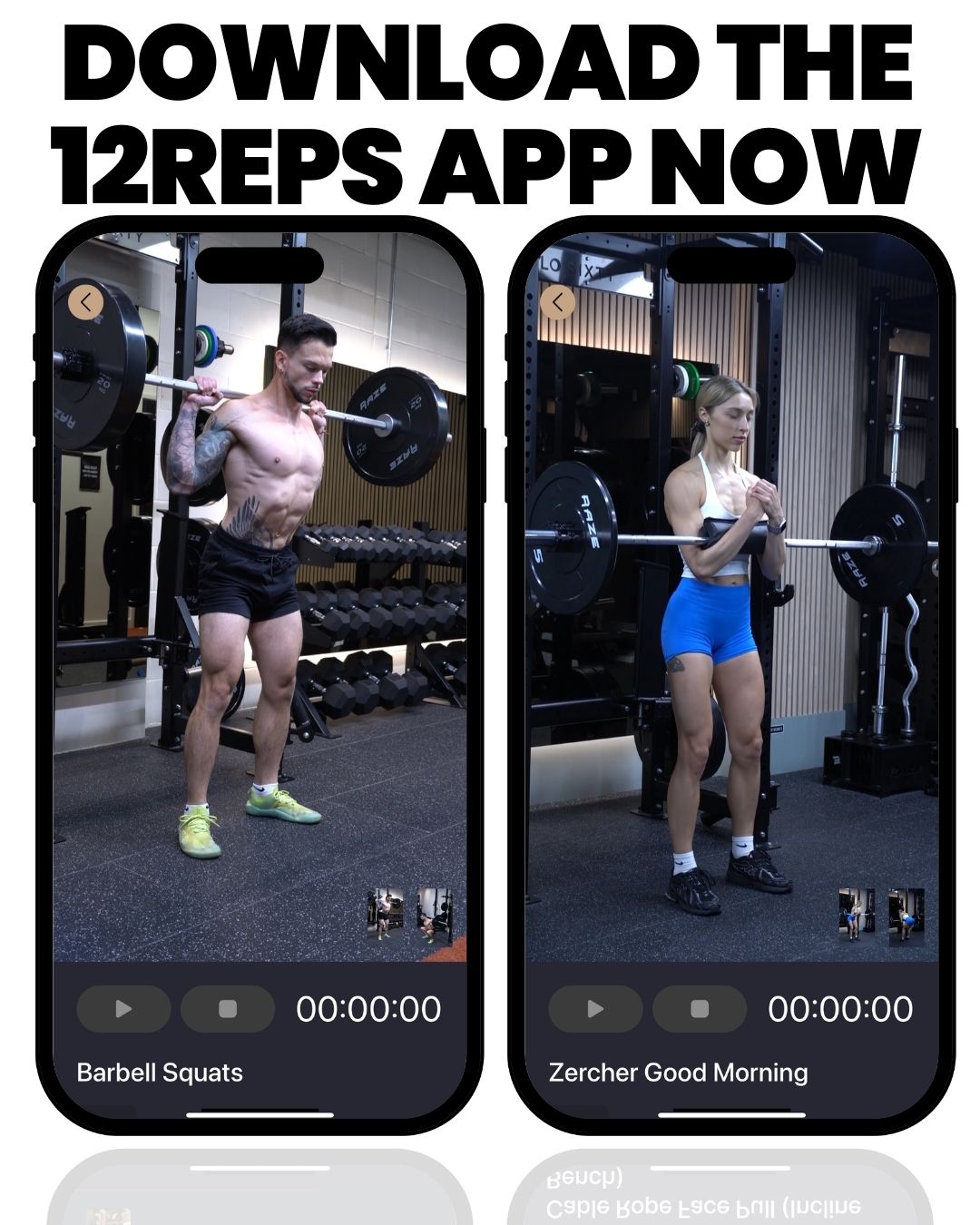
12REPS removes the guesswork. Every exercise is demonstrated. Every progression is mapped out. No more confusion about what to do.
Download 12REPS for free. Get a 7-day trial. See what structured training actually feels like.
Get stronger. Live longer.