


By Will Duru, BSc (Hons) Sport and Exercise Science Award-winning Personal Trainer with over 10 years of experience in strength training and optimising recovery.
Confidence isn’t something you’re born with; it’s something you build, one rep at a time. Right now, the gym might feel like a stage where you’re the only one who doesn’t know their lines. Everyone else seems to move with purpose and certainty while you’re questioning whether you’re even in the right place. But what if I told you that in just a few weeks, the gym could feel like home? That the discomfort you feel today is temporary, and there’s a clear path to feeling completely at ease?
In my decade of training women in the City of London, I’ve learned that the biggest transformation isn’t what happens to their bodies, it’s what happens to their confidence. I’ve watched women go from barely making eye contact in the gym to walking in like they own the place. My passion is guiding that journey because I believe that confidence is the most important muscle you can build. Once you have it, everything else follows.
This isn’t just a list of generic tips. This is a progressive, step-by-step framework to take you from feeling like a visitor in the gym to feeling like you belong there. Each phase builds on the previous one, creating a solid foundation of confidence that will serve you for life.

Step 1: The Preparation Phase (Your First Week)
Goal: To get comfortable with the environment and establish a routine.
The first week is all about showing up and acclimating. You’re not trying to impress anyone or set any records. You’re simply getting your nervous system used to being in this new space.
Go with a Plan
Create a simple, three-day workout plan before you ever step foot in the gym. Your plan is your shield. It protects you from the “what now?” anxiety that can derail beginners. When you walk in knowing exactly what you’re doing, which exercises, how many sets, how many reps, you move with purpose instead of uncertainty.
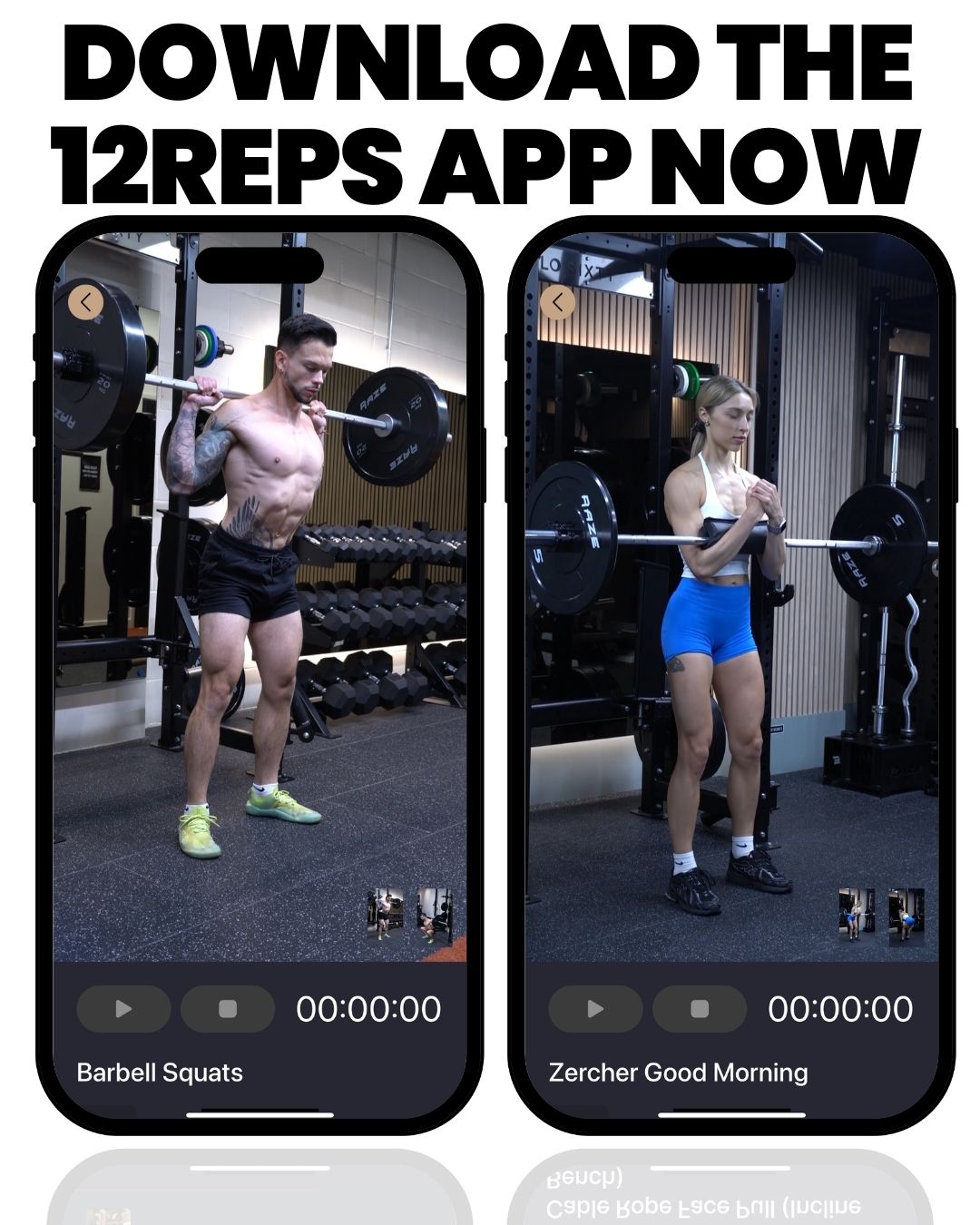
Use the 12reps app to build your workout plan at home. Having it ready on your phone means you can walk straight to your first exercise without standing in the middle of the gym floor looking lost. This immediate sense of direction is incredibly empowering.
The ‘Quiet Corner’ Workout
Start in a less intimidating area of the gym, usually a quieter corner with dumbbells. Master a few fundamental movements: goblet squats, dumbbell rows, shoulder presses, and planks. These exercises are effective, don’t require complex equipment, and can be done in a relatively private space.
There’s no shame in starting where you feel comfortable. Many successful lifters began exactly this way. You’re building a foundation, both physically and mentally.
Focus on Consistency
The goal this week isn’t intensity, it’s consistency. Even a twenty-minute workout is a complete victory. You’re training your brain to accept that you’re a person who goes to the gym. That identity shift is more important than any single workout.
Show up three times this week, complete your simple plan, and leave feeling accomplished. That’s the entire objective.
Step 2: The Exploration Phase (Weeks 2-3)
Goal: To expand your territory and try new things.
Now that you’ve established the habit of showing up, it’s time to expand your comfort zone gradually.
One New Machine Per Workout
Each time you go to the gym, challenge yourself to try one new piece of equipment. Use a systematic approach: watch someone else use it first, perform a dry run with minimal weight to learn the movement, start with a light load and focus on form, and don’t hesitate to ask staff for a quick demonstration if needed.
This measured approach prevents overwhelm. You’re not trying to master the entire gym in one session. You’re steadily expanding your repertoire, one machine at a time. By the end of two weeks, you’ll have tried six new pieces of equipment, and suddenly the gym feels much less foreign.
Vary Your Dumbbell Exercises
Take the exercises you already know and learn variations. If you’ve been doing regular squats, try split squats. If you’ve been doing bent-over rows, try single-arm rows. This expansion keeps your workouts interesting while building on movements you’re already comfortable with.
Track Everything
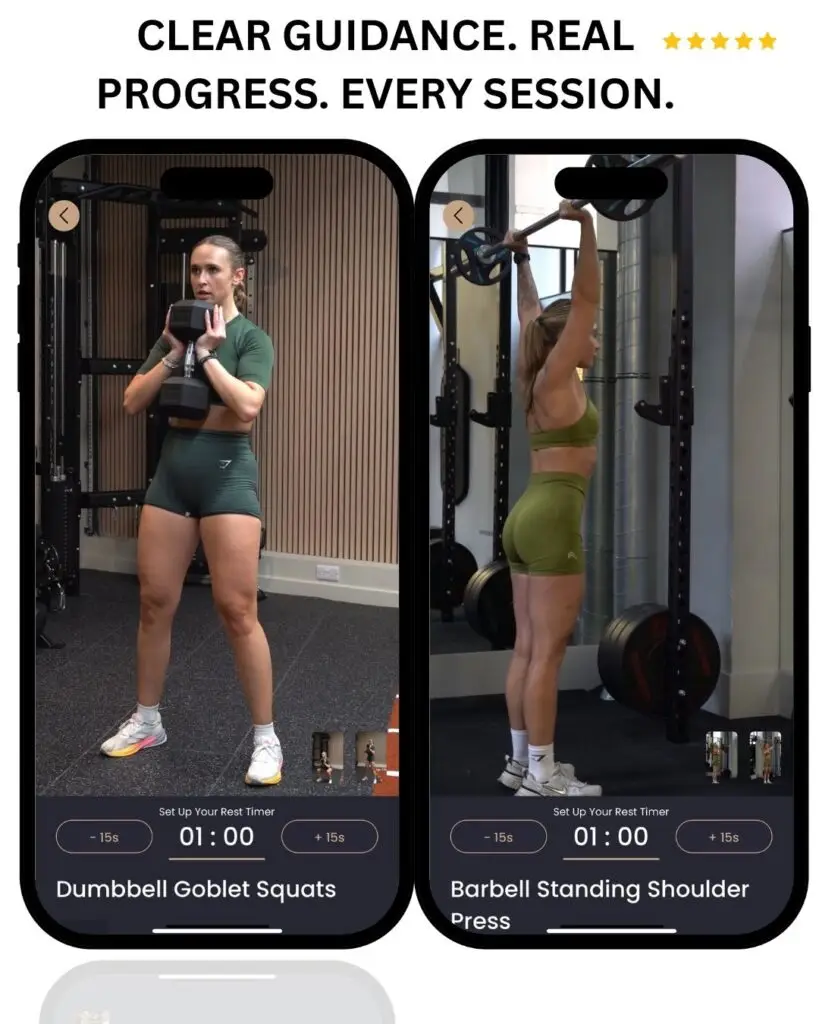
This is when your workout tracker becomes your best friend. Seeing the list of exercises you can confidently perform grow each week is a massive confidence boost. You have tangible proof that you’re progressing and expanding your capabilities.
The 12reps app is the best strength training app for this phase because it clearly shows your expanding exercise library and your increasing strength levels. Download it for a free trial and experience how motivating it is to see your progress documented. Each new exercise you log is evidence that you’re becoming more capable.
Step 3: The Ownership Phase (Weeks 4-6)
Goal: To feel like you own your space and your workout.
This is where the mental shift really happens. You’re no longer a tentative beginner, you’re someone who trains.
Claim Your Space
Don’t be afraid to use a squat rack, a bench in the main lifting area, or any piece of equipment you need. You’ve earned the right to be there through your consistent effort over the past few weeks. Set up your equipment, claim your space, and execute your workout with confidence.
If someone is using equipment you need, politely ask how many sets they have left or whether you can work in. These small interactions normalise your presence and reinforce that you belong there.
Put on Your ‘Focused Face’
Master the art of looking like you’re on a mission. Headphones on, neutral or determined expression, eyes on your workout tracker or the exercise you’re performing. This body language communicates that you’re serious about your training and not available for unnecessary interruptions.
This isn’t about being unfriendly, it’s about protecting your workout time and signalling your intent. Confident people at the gym have this presence, and now you’re developing it too.
Start Progressive Overload
Begin to systematically challenge yourself by increasing the weight, adding reps, or adding sets. This is when you transition from simply going through the motions to actually training for results. Progressive overload is the foundation of all strength gains, and implementing it makes you feel like an athlete in training, not just someone exercising.
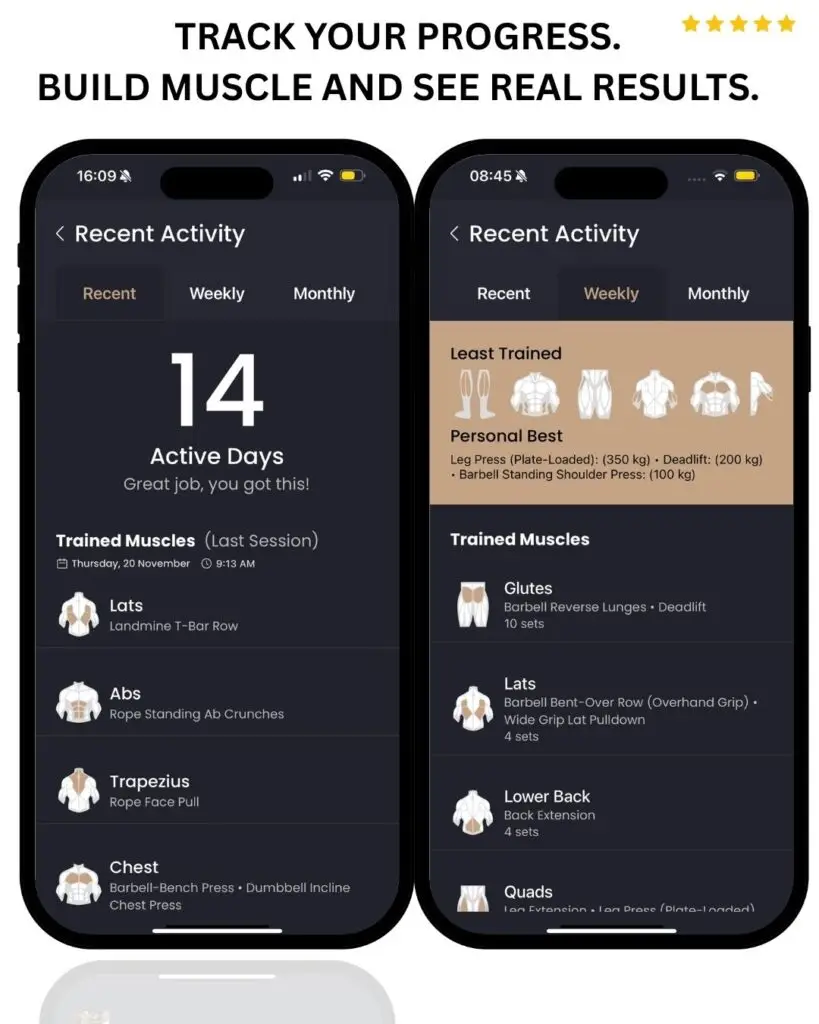
Track these increases carefully in your app. Seeing “10kg dumbbell row” become “12kg” and then “14kg” over several weeks is incredibly empowering. You’re not just showing up anymore, you’re getting stronger.

Step 4: The Community Phase (Weeks 7-8)
Goal: To feel like part of the gym community rather than an outsider.
By now, you’re comfortable with the environment and confident in your workouts. It’s time to start connecting with the community around you.
The Nod
Start giving a simple, friendly nod to the regulars you see. You’ve probably noticed the same faces at similar times, that’s your gym community. A brief acknowledgement creates a sense of belonging. You’re no longer invisible; you’re recognised.
This small gesture might feel awkward at first, but it’s how gym friendships begin. Most people will nod back or even smile, reinforcing that you’re part of the group.
Ask for a Spot
When you need a spotter for a challenging lift, confidently approach someone and ask. “Excuse me, could you spot me on this set?” This is a rite of passage. It demonstrates that you’re lifting heavy enough to need assistance, and it creates a moment of collaboration.
Most people are happy to spot. It’s part of gym culture. By asking, you’re participating in that culture rather than staying on the periphery.
Offer a Spot
If you see someone who looks like they might need a spotter, maybe they’re setting up for heavy bench press or squats, offer to help. “Need a spot?” This is the moment you transition from someone who takes from the gym community to someone who contributes to it.
This gesture shows you’ve internalised the space’s values. You’re looking out for others the way others have looked out for you.

Step 5: The Veteran Phase (Beyond Week 8)
Goal: To become the confident person you once looked up to.
You’ve arrived. The gym is now a familiar, comfortable space. You move through it with ease, knowing where everything is and how to use it. More importantly, you’re in a position to help others.
Be the Welcoming Face
Notice the new, nervous person standing uncertainly in the corner, and give them a reassuring smile. You were that person not long ago, and you know what a difference a friendly face makes. Your acknowledgement might be the thing that helps them come back for their second workout.
Share Your Knowledge (When Asked)
If a beginner asks you for help, how to adjust a machine, whether you’re done with equipment, or advice on an exercise, share your knowledge kindly and without condescension. Remember how it felt to be uncertain, and offer the kind of help you would have appreciated.
You don’t need to be an expert to be helpful. You simply need to be generous with the knowledge you’ve gained.
Conclusion
Gym confidence isn’t about having the perfect body or lifting the heaviest weights. It’s about having the courage to start, the consistency to keep going, and the generosity to help others along the way.
Look at the progression: in week one, you were just trying to show up without feeling overwhelmed. By week eight, you’re someone who moves confidently through the space, tries new challenges regularly, and contributes positively to the community around you. That transformation happens through small, consistent actions, not through sudden breakthroughs.
Every confident person you see in the gym walked this same path. They started uncertain and became comfortable through repetition and gradual expansion of their comfort zone. You’re doing exactly what they did.
You’re ready. You have the roadmap. Now go build your confidence, one workout at a time. Track your progress, celebrate your victories, and remember that every single workout is moving you closer to the person you want to become.