

By Will Duru | BSc Sport Science | Personal Trainer | 10+ Years Experience
I get asked about this all the time. Gym members come up to me and say, Will, how can I build more muscle? I feel like I am not gaining anything. Or, I have been doing this program for weeks, and I am not seeing a difference. What am I doing wrong?
I have heard this hundreds of times in my 10 years as a personal trainer. And every time, the answer is the same. You are not doing anything wrong. Your body has just adapted to what you are doing. That is what bodies do. They get used to the same stress and stop responding to it. That is called a plateau, and every single person who trains long enough will hit one.
The good news is that a plateau is not the end. It is a signal. Your body is telling you something needs to change. Not everything. Just one or two small things. In this article, I am sharing the five changes I tell every gym member who comes to me with this problem. They are simple, backed by science, and you can start today.
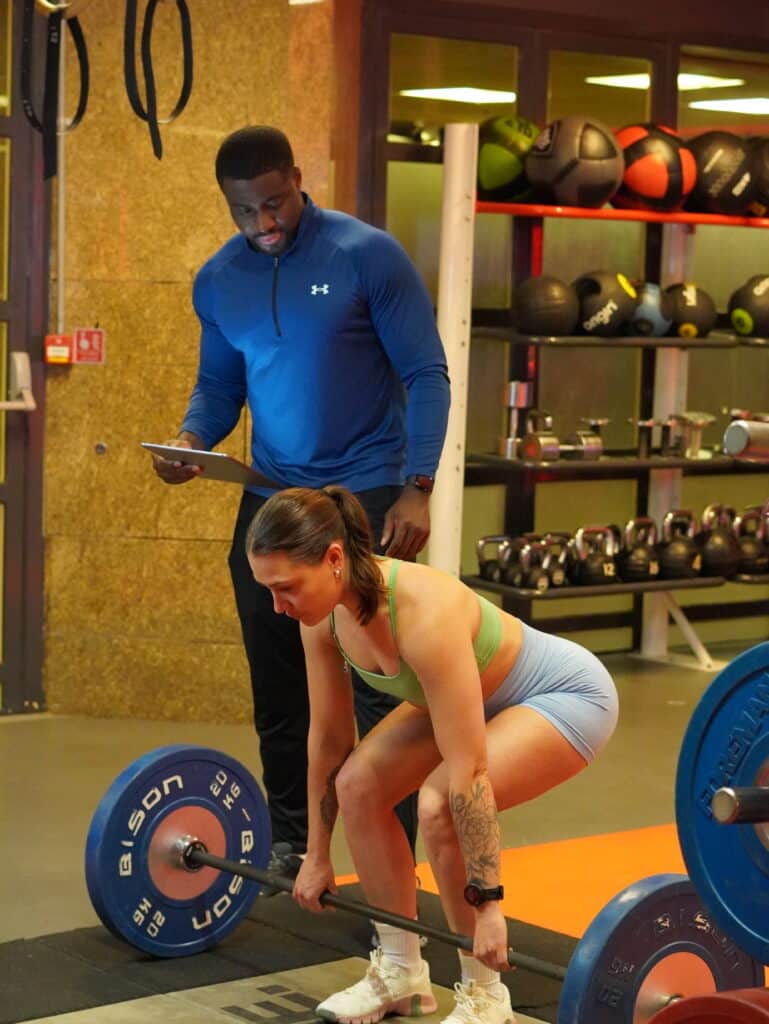
- Change Your Rep Range: If you have been doing 3 sets of 10 on every exercise for months, your body has fully adapted. The easiest fix is to change your rep range. Drop to 6-8 reps and increase the weight. This recruits more muscle fibres because the load is heavier. Or go the other way. Increase to 15 reps with a lighter weight and slower, more controlled movements. This increases the time your muscles spend under tension, which is a distinct stimulus.
A study published in Sports Medicine (Schoenfeld et al., 2022) found that both increasing the load and increasing the reps were effective strategies for building muscle over an 8-week training cycle. The key takeaway is that your body needs a change in demand. Whether you go heavier with fewer reps or lighter with more reps, both approaches work. The worst thing you can do is keep doing the same thing and expect a different result.
- Adjust Your Weight: If you are pressing 20 kg dumbbells today and you were pressing 20 kg two months ago, you have not progressed. Your muscles have no reason to grow because you are not asking them to do anything harder.
Progressive overload is the most important principle in strength training. It means gradually increasing the demand on your muscles over time. Add 1 to 2 kg to your exercises this week. If you cannot increase the weight, add one extra rep to each set. Or add one extra set. Any of these counts as progress. Track everything on the 12REPS app so you can see exactly what you lifted last week and push past it.
- Improve Your Form
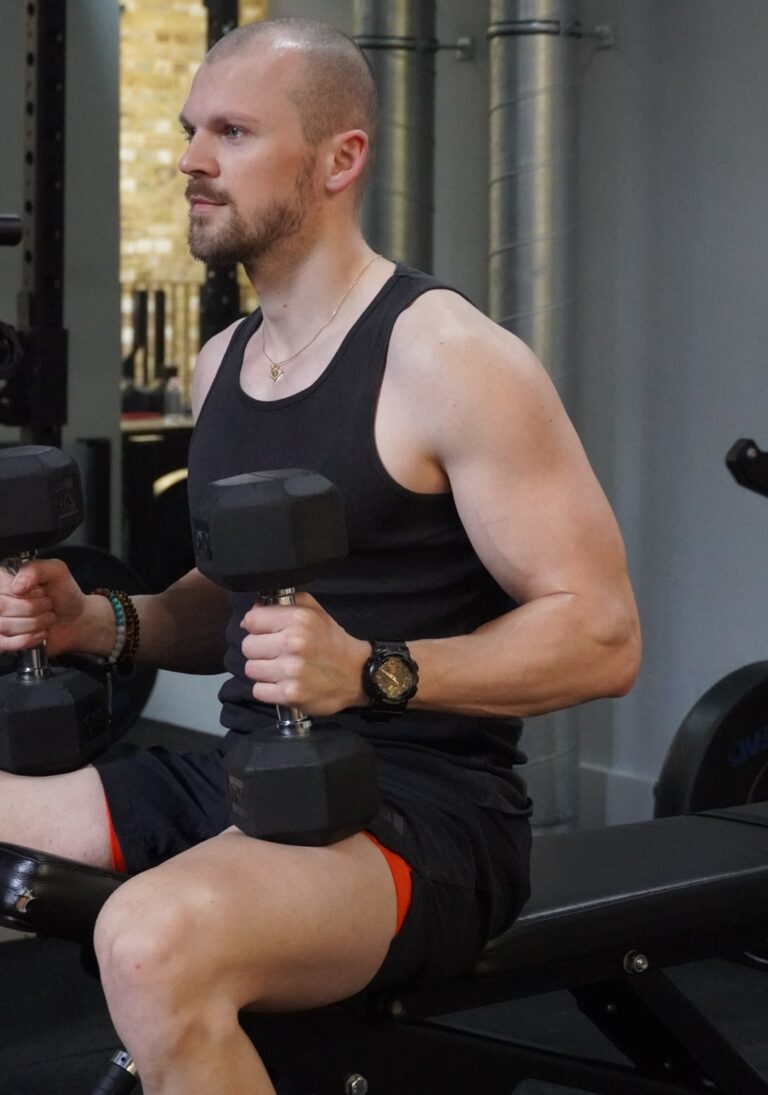
You might be doing the right exercises with the right weight, but your form has slipped. You are using momentum instead of muscle. You are bouncing the weight on the bench press. You are swinging on bicep curls. You are rushing through every rep.
Slow your reps down. Take 2 seconds to lift the weight and 3 seconds to lower it. If you cannot complete your normal reps at that speed, your form has been compensating. When you clean up your form, you might need to drop the weight. That is fine. Your muscles will work harder because they are doing the job properly. I have seen gym members drop their weight by 20 per cent, fix their form, and start seeing growth again within weeks.
- Rest Properly
Your muscles do not grow in the gym. They grow when you rest. Every time you train, you create small tears in your muscle fibres. Your body repairs those tears and builds the fibres back stronger. But that only happens when you rest and sleep.
I see gym members who train 6 days a week and sleep 5 hours a night. Their body cannot recover. Aim for 7 to 8 hours of sleep. Take at least 1-2 full rest days per week. Rest 60 to 90 seconds between sets. Rest is not lazy. Rest is where the results happen.
- Increase Your Protein Intake
This is the biggest one. Most gym members who have stalled are not eating enough protein. They are training hard, but their bodies lack the building blocks they need to grow.
The recommended amount for people who train with weights is around 1.6 to 2.2 g of protein per kilogram of bodyweight per day. I tell gym members to aim for the higher end at 2.2 g per kg. The maths is simple. If you weigh 60 kg, multiply that by 2.2. That is 132 g of protein per day. If you weigh 80 kg, that is 176 g.
A meta-analysis published in the Journal of Cachexia, Sarcopenia and Muscle (Nunes et al., 2022) reviewed 74 randomised controlled trials and found that increasing daily protein intake significantly enhanced lean body mass gains in people doing resistance training. The research showed that protein intakes of 1.6 g per kg per day and above produced measurable improvements in muscle growth.
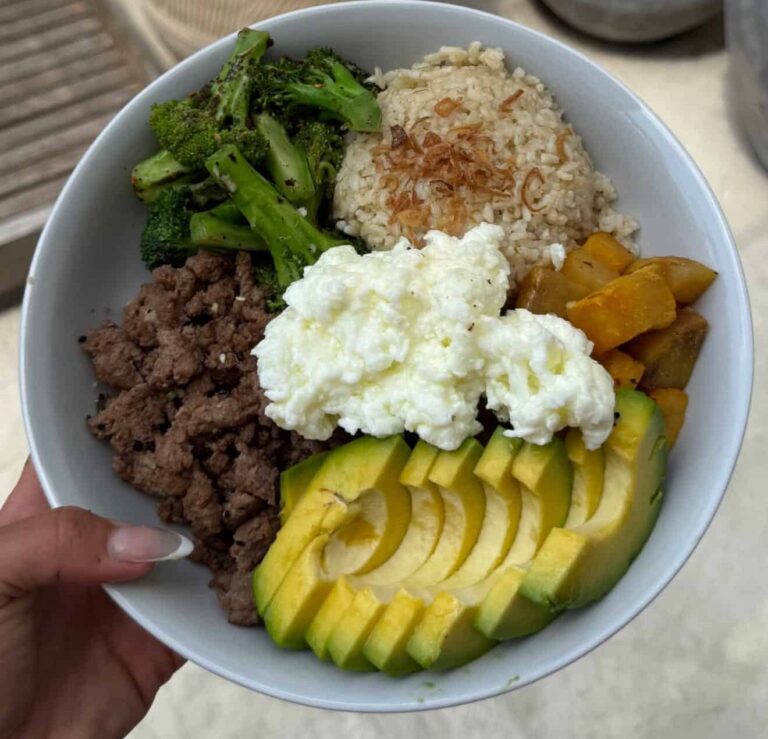
Start by tracking your protein for one week. You will probably be surprised at how low it is. Add a protein source to every meal. Eggs at breakfast. Chicken or fish at lunch. Greek yoghurt as a snack. Small changes add up.
What to Do This Week
You do not need to change everything at once. That is how people get overwhelmed and quit. Pick one or two of these five changes and apply them this week.
If your workouts feel easy: Change your rep range or increase your weight.
If you are training hard but not seeing progress, check your protein intake and sleep.
If you have been stuck for months: Slow down your reps, fix your form, and start tracking everything.
Log every session on the 12REPS app so you can see exactly what is changing. When you look back after four weeks, you will have the data to prove you are moving forward again.
“Plateaus are normal. Staying stuck is a choice. Make one small change this week and your body will respond.” – Will Duru
References
- Schoenfeld, B.J. et al. (2022). Progressive overload without progressing load? The effects of load or repetition progression on muscular adaptations. Sports Medicine, PMC.
- Nunes, E.A. et al. (2022). Systematic review and meta-analysis of protein intake to support muscle mass and function in healthy adults. Journal of Cachexia, Sarcopenia and Muscle, PMC.
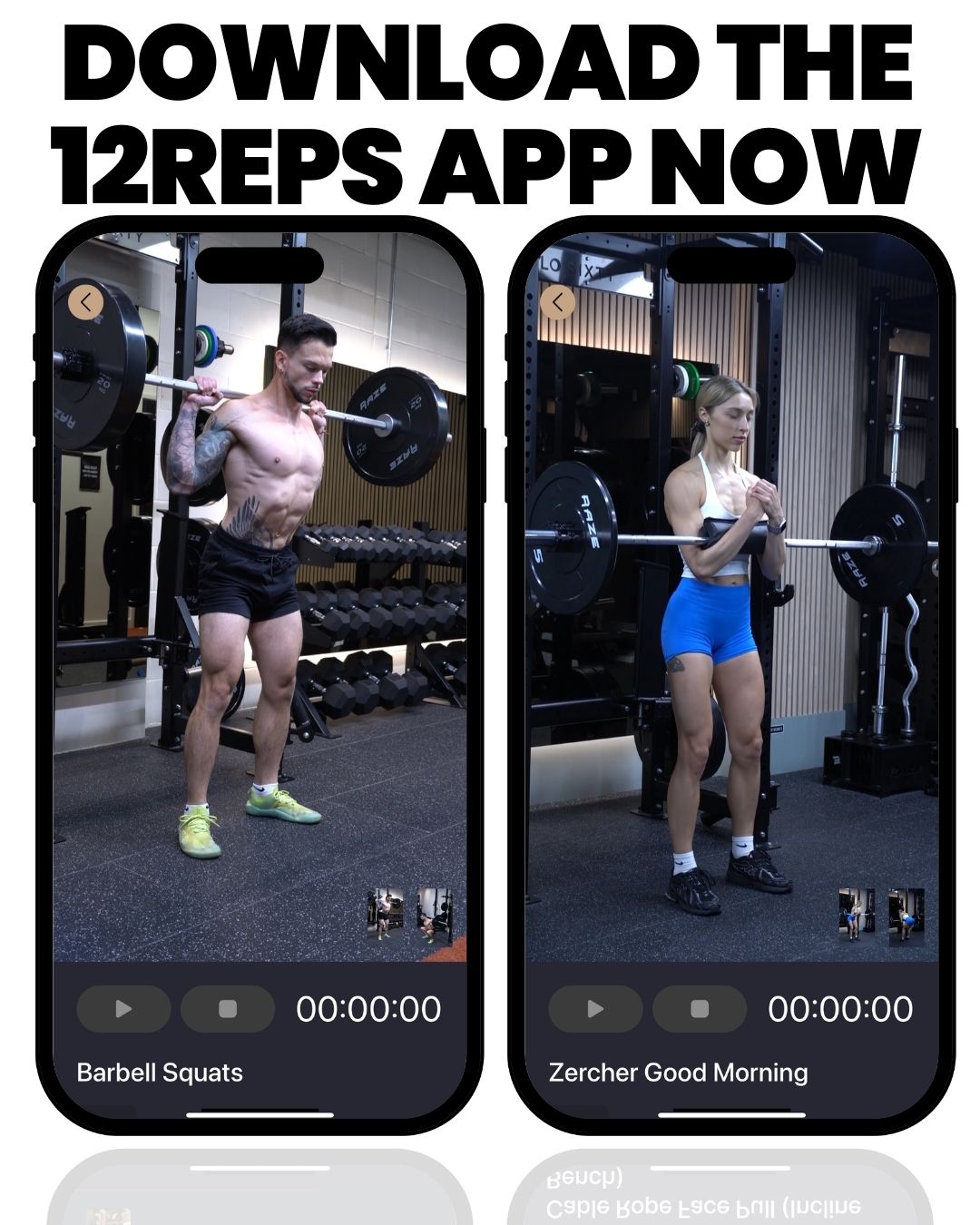
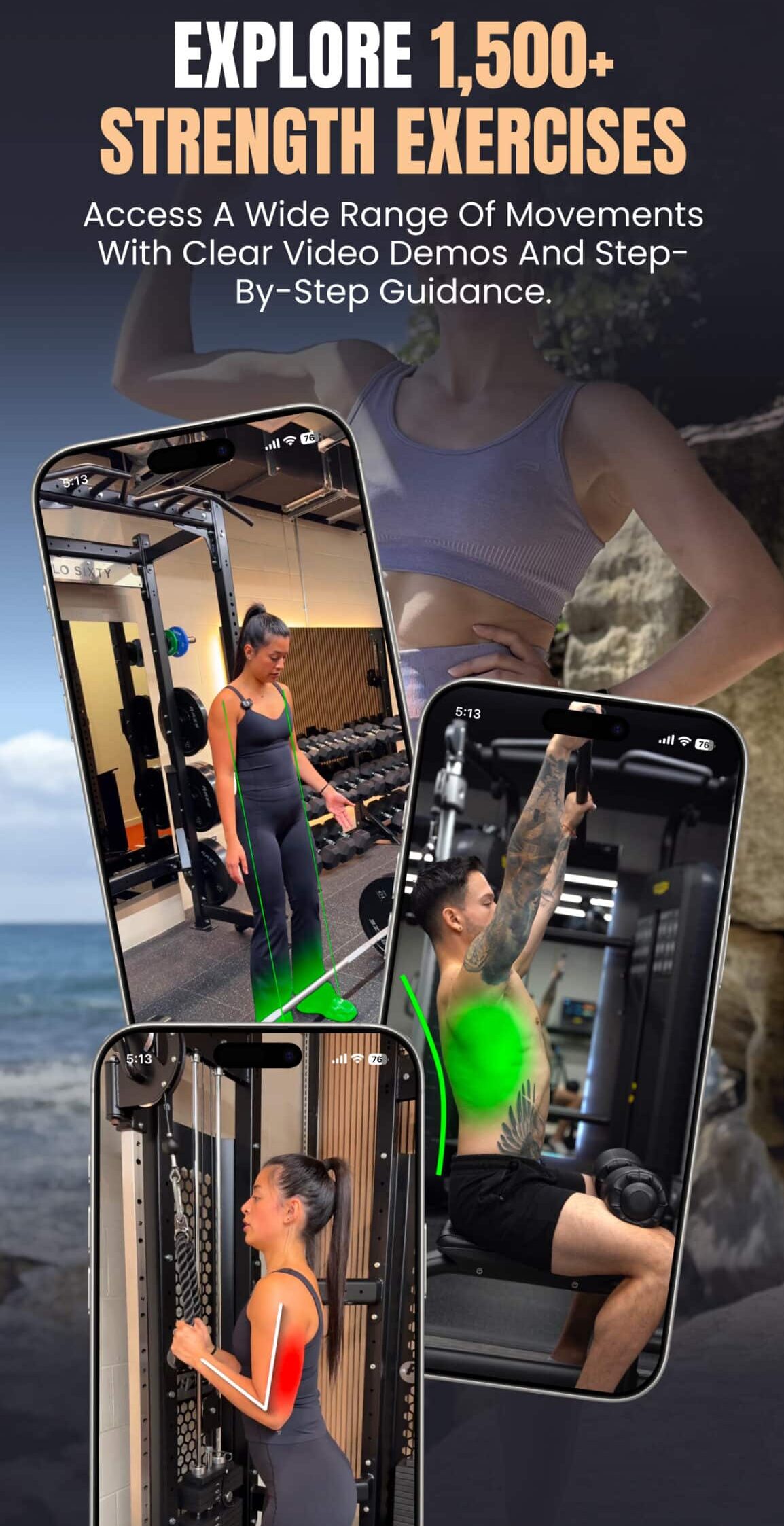
The 12REPS app offers a trainer-designed program, over 1,500 exercise videos, and built-in tracking to monitor your progress. All designed by me. Download the 12REPS app and break through your plateau today.