

Most women want to build strong, shapeful glutes, but let’s be honest about reality. You’re not at the gym seven days a week. Some weeks you manage three sessions. Other weeks, maybe two. The rest of your training happens at home with whatever equipment you’ve got (or haven’t got).
The fitness industry hasn’t caught up to this reality. Browse any glute training programme and you’ll find two extremes: elaborate gym-only routines requiring a squat rack, cable machines, and barbell hip thrusts, or minimalist home workouts promising results from bodyweight squats and resistance bands alone.
Neither approach works for the modern woman juggling work, family, and fitness. What you need is a hybrid strategy—one that maximises your gym sessions when you have access whilst maintaining momentum with intelligent home training when you don’t.
I’m Will Duru, a BSc-qualified personal trainer with over 10 years’ experience working with clients across London. In that decade, I’ve programmed for exactly three clients who could train at a gym seven days a week. Everyone else? They’re splitting training between commercial gyms, home setups, hotel rooms, and parks. Here’s the framework I’ve developed that delivers consistent glute development regardless of where you train on any given day.
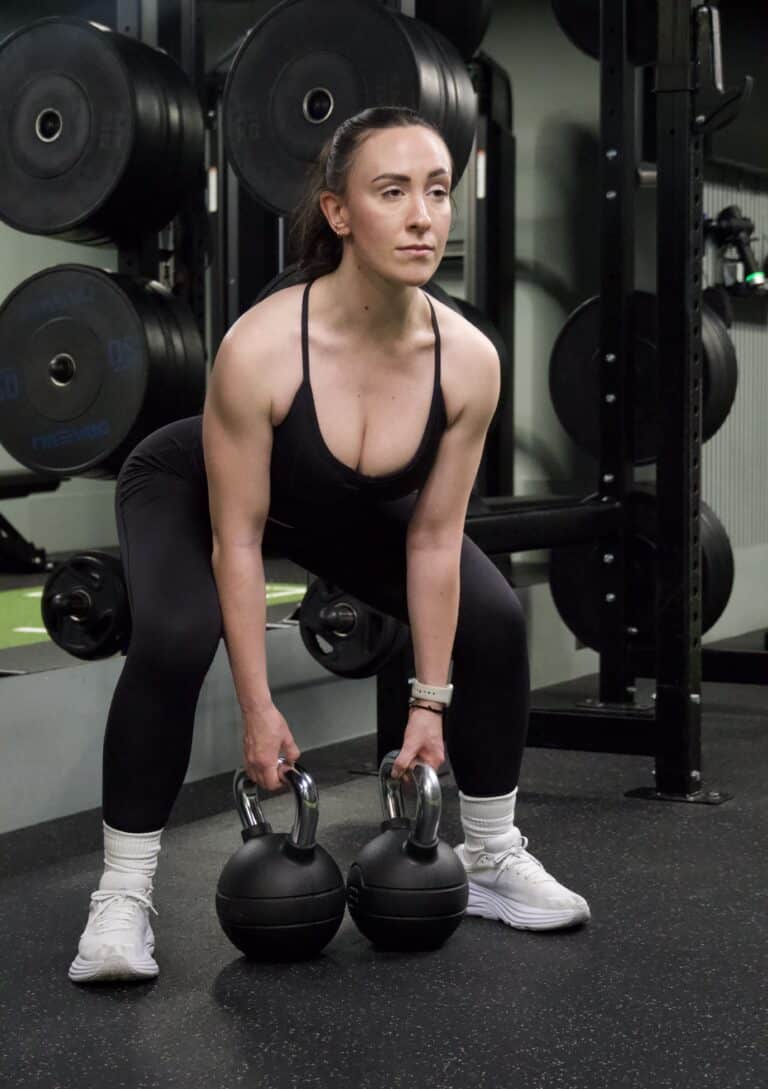
Understanding the Hybrid Advantage
Before diving into specific exercises and splits, let’s establish why this approach is superior to choosing one environment or the other.
The gym advantage: Heavy, progressive loading with barbells and machines creates maximum mechanical tension—the primary driver of muscle growth. Research consistently shows that compound movements like squats, deadlifts, and hip thrusts with substantial load produce the greatest hypertrophic response in the glutes.
The home advantage: Higher frequency training becomes practical when you eliminate travel time. You can train glutes 3-4 times per week at home compared to maybe 2-3 times at the gym. More frequent training allows for greater weekly volume distributed across sessions, and volume is the second most important variable for muscle growth.
The hybrid model captures both advantages. Your gym sessions provide the heavy stimulus your glutes need to grow. Your home sessions provide the volume and frequency that amplify that growth response.
I learnt this the hard way with a client named Sarah back in 2016. She was training glutes twice weekly at the gym, proper sessions, heavy hip thrusts, everything by the book. But progress stalled after about eight weeks. When we added two home sessions using just bands and bodyweight, purely for volume, her glutes responded better in the next six weeks than they had in the previous six months. That’s when I realised frequency matters as much as load.
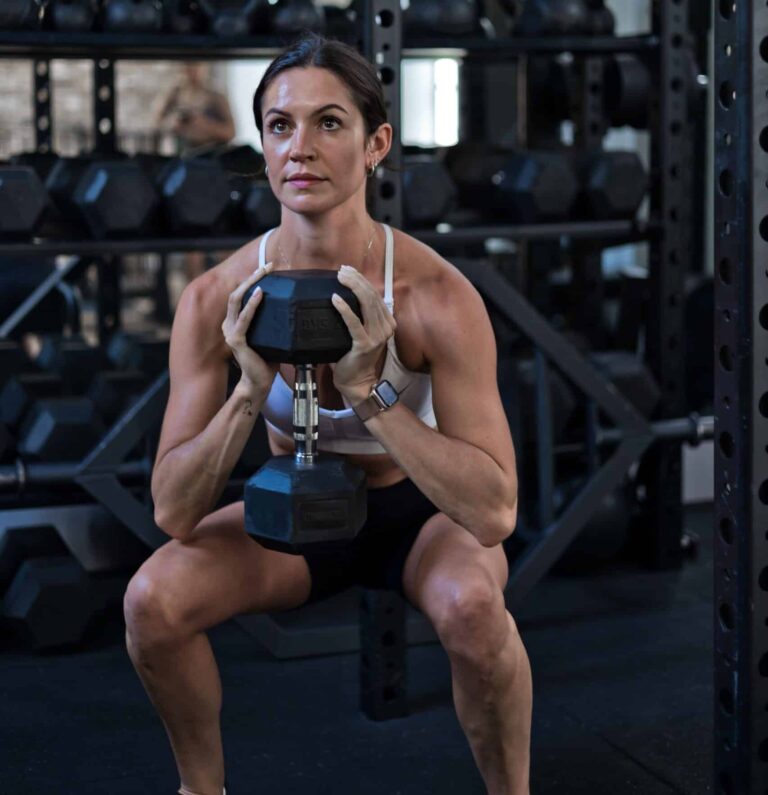
The Core Principle: Match Exercise Selection to Environment
The most critical mistake people make when splitting training is treating gym and home sessions identically. This leads to frustration—you can’t replicate barbell hip thrusts at home, and you’re wasting gym time if you’re doing bodyweight glute bridges.
Instead, assign exercises strategically based on what each environment does best.
I’ve watched countless clients waste their gym hour doing exercises they could do at home with a £15 resistance band. Meanwhile, they’re attempting to “replicate” barbell hip thrusts at home by putting a dumbbell on their hips and wondering why it feels rubbish. Here’s what actually works:
Reserve These Exercises for the Gym
Barbell Hip Thrusts: The single most effective glute exercise, period. The hip thrust allows for maximum loading in the most biomechanically advantageous position for glute activation. You simply cannot replicate this stimulus at home without a barbell and adequate weight plates.
Every client I’ve trained who’s built genuinely impressive glutes has one thing in common: they hip thrust heavy. I’m talking 60kg+ for working sets. You cannot get there with a dumbbell balanced on your hips at home. Save this movement for the gym.
Back Squats and Front Squats: While you can do goblet squats at home, nothing matches the loading potential of barbell squats. The ability to progressively add weight makes these irreplaceable for building overall lower body mass, including glutes.
Romanian Deadlifts (RDLs) and Conventional Deadlifts: These hinge patterns load the entire posterior chain—glutes, hamstrings, and lower back. The loading capacity with a barbell far exceeds what’s practical with dumbbells.
Bulgarian Split Squats (Barbell): Whilst this can be done at home with dumbbells, the barbell variation allows for significantly heavier loading. The unilateral nature combined with heavy weight creates enormous time under tension for the glutes.
Fair warning: clients universally hate these. I had one client describe them as “Satan’s exercise.” But they work. The barbell version at the gym lets you load properly; the dumbbell version at home is fine for lighter days, but you’ll plateau quickly.
Cable Pull-Throughs and Cable Kickbacks: These isolation movements provide targeted glute work that’s difficult to replicate without cables. The consistent tension throughout the range of motion is uniquely valuable.
Leg Press (Wide Stance): Taking a wide, externally rotated stance on the leg press shifts emphasis to the glutes. The machine allows you to use substantial weight safely, especially when training to near failure.
Prioritise These Exercises for Home Training
Single-Leg Glute Bridges: Without heavy external load, the single-leg variation provides sufficient challenge through bodyweight alone. These excel at creating metabolic stress, the third driver of hypertrophy.
I programme these constantly for home days. They’re brilliant because you can make them harder without any equipment—just pause at the top for three seconds or slow down the eccentric. One client texted me after her first home session: “My glutes are MORE sore than after the gym.” Exactly the point.
Banded Lateral Walks: Resistance bands provide excellent training for the gluteus medius, the muscle responsible for hip abduction and stability. These require minimal space and no heavy equipment.
Most people do these wrong—stepping too quickly, letting their knees cave in. I make clients do them in front of a mirror at home. Twenty slow, controlled steps each direction with proper form will light up your medius more effectively than rushed sets of fifty.
Deficit Reverse Lunges: Using a small step or platform at home increases range of motion, making bodyweight or light dumbbell lunges more effective. The deficit adds challenge without requiring gym equipment.
Banded Glute Kickbacks: A resistance band attached to a stable object allows for high-rep isolation work. These create an excellent pump and metabolic stress without needing cables.
Fire Hydrants and Clamshells: Pure bodyweight or banded gluteus medius activation. Perfect for home sessions and maintaining hip health between heavy gym training.
Goblet Squats: While not as heavy as barbell squats, goblet squats with a dumbbell or kettlebell provide an excellent squat pattern at home. The front-loaded position emphasizes quads but still engages glutes effectively.
Step-Ups: A bench, chair, or sturdy box transforms into powerful glute-building equipment. Step-ups with bodyweight or light dumbbells create significant unilateral challenge.
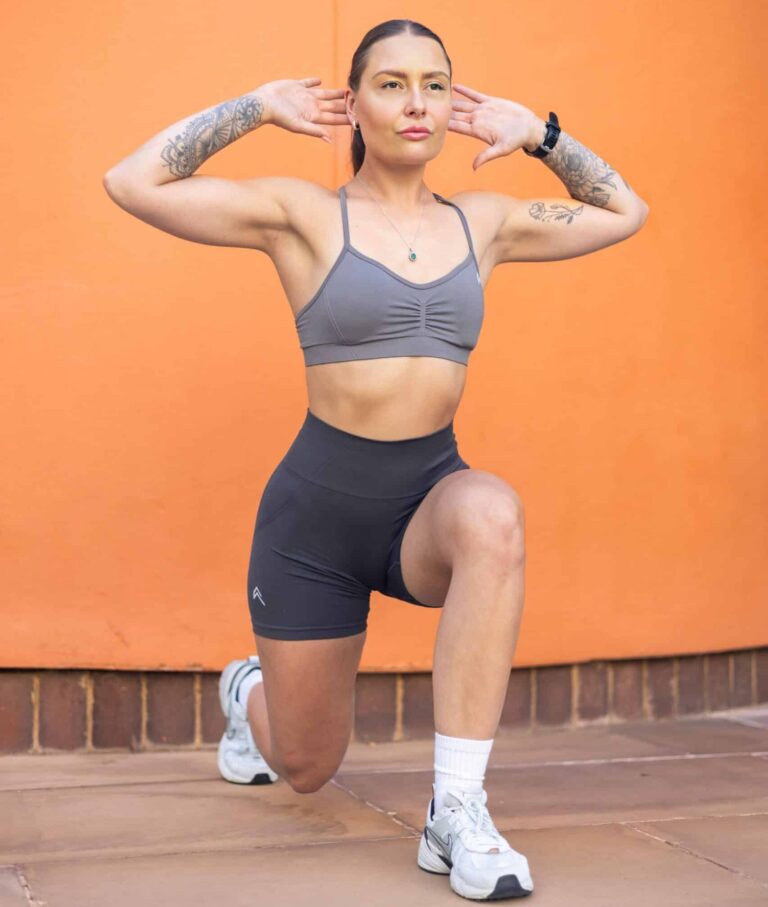
The Optimal Weekly Split Structure
Your specific split depends on how many days you can access a gym. Here are proven templates for different scenarios—all of which I’ve used extensively with London-based clients who have unpredictable schedules, commutes, and the usual life chaos that disrupts perfect training plans.
Scenario 1: Two Gym Days, Five Home Days Per Week
This is the most common scenario for busy professionals. You hit the gym Tuesday and Thursday or Saturday, with home training filling the gaps.
This split works for about 70% of my clients. They’ve got gym memberships at places like PureGym or The Gym Group, but realistically they’re only making it twice weekly. The home sessions keep momentum going without requiring heroic levels of commitment.
Monday (Home): Glute activation and volume
- Single-leg glute bridges: 3 sets of 12-15 reps per side
- Banded lateral walks: 3 sets of 20 steps per direction
- Fire hydrants: 3 sets of 15 reps per side
- Bodyweight Bulgarian split squats: 3 sets of 12 per side
Tuesday (Gym): Heavy compound day
- Barbell hip thrusts: 4 sets of 8-10 reps
- Back squats: 4 sets of 6-8 reps
- Romanian deadlifts: 3 sets of 10-12 reps
- Cable pull-throughs: 3 sets of 15 reps
Wednesday (Rest or light mobility)
Thursday (Gym): Heavy unilateral focus
- Bulgarian split squats (barbell): 3 sets of 8-10 per side
- Leg press (wide stance): 4 sets of 10-12 reps
- Single-leg RDLs (dumbbells): 3 sets of 10 per side
- Cable kickbacks: 3 sets of 12-15 per side
Friday (Home): Metabolic and volume work
- Deficit reverse lunges: 3 sets of 12-15 per side
- Single-leg glute bridges: 3 sets of 15 per side
- Banded glute kickbacks: 3 sets of 20 per side
- Clamshells: 3 sets of 20 per side
Saturday (Home – Optional): Light pump work
- Goblet squats: 3 sets of 15-20 reps
- Step-ups: 3 sets of 12 per side
- Banded lateral walks: 3 sets of 20 steps per direction
Sunday (Rest)
Scenario 2: Three Gym Days, Four Home Days Per Week
If you can access the gym three times weekly, you can add more training variety and volume.
I use this split for clients who work from home or have flexible schedules. Three gym sessions lets you separate quad-dominant, hip-dominant, and unilateral work properly. Progress tends to be faster here, but only if you’re actually making those three sessions consistently.
Monday (Gym): Quad-dominant with glute emphasis
- Back squats: 4 sets of 6-8 reps
- Front squats: 3 sets of 8-10 reps
- Bulgarian split squats: 3 sets of 10 per side
- Cable kickbacks: 3 sets of 12-15 per side
Tuesday (Home): Glute isolation and activation
- Single-leg glute bridges: 4 sets of 12-15 per side
- Fire hydrants: 3 sets of 15 per side
- Banded lateral walks: 3 sets of 20 steps per direction
Wednesday (Gym): Hip-dominant heavy day
- Barbell hip thrusts: 5 sets of 6-10 reps
- Romanian deadlifts: 4 sets of 8-10 reps
- Leg press (wide stance): 3 sets of 10-12 reps
- Cable pull-throughs: 3 sets of 12-15 reps
Thursday (Rest)
Friday (Gym): Unilateral and metabolic work
- Walking lunges (barbell or dumbbells): 4 sets of 10 per side
- Single-leg RDLs: 3 sets of 10 per side
- Step-ups (weighted): 3 sets of 12 per side
- Leg curl machine: 3 sets of 12-15 reps
Saturday (Home): Volume and pump
- Goblet squats: 4 sets of 15-20 reps
- Deficit reverse lunges: 3 sets of 12 per side
- Banded glute kickbacks: 4 sets of 20 per side
- Clamshells: 3 sets of 20 per side
Sunday (Rest)
Scenario 3: One Gym Day, Six Home Days Per Week
This challenges conventional wisdom but can work if you maximise your single gym session.
I’ve got a client who travels for work constantly. She gets one gym session per week when she’s in London, sometimes less. We load that single session with everything—five heavy compound movements, 75-90 minutes, absolutely brutal. Then home sessions the rest of the week maintain what she’s built. She’s added 15kg to her hip thrust in a year. Not ideal conditions, but it proves the concept works.
Gym Day (Any day that works): Maximum loading
- Barbell hip thrusts: 5 sets of 6-8 reps
- Back squats: 4 sets of 6-8 reps
- Romanian deadlifts: 3 sets of 8-10 reps
- Bulgarian split squats (barbell): 3 sets of 8 per side
- Leg press (wide stance): 3 sets of 10-12 reps
This is an extended session (75-90 minutes) covering all major compound movements.
Home Days (5-6 per week): Distribute volume across the week
- Day 1: Single-leg glute bridges, banded lateral walks, fire hydrants
- Day 2: Goblet squats, step-ups, clamshells
- Day 3: Deficit reverse lunges, banded kickbacks, single-leg RDLs (light)
- Day 4: Rest or light mobility
- Day 5: Repeat Day 1 exercises with added reps or sets
- Day 6: Combination of step-ups, goblet squats, and isolation work
The key with one gym day is ensuring your single heavy session is comprehensive while your home training provides sufficient frequency to stimulate muscle protein synthesis multiple times weekly.
Progressive Overload in a Hybrid Model
Building muscle requires progressive overload, gradually increasing the mechanical demands on your muscles. In a hybrid model, you apply this principle differently in each environment.
Most clients understand progressive overload at the gym (add weight to the bar), but they’re clueless about how to progress at home. They do the same 3 sets of 12 glute bridges every week for months and wonder why nothing changes. Here’s how to fix that:
Gym Session Progression
Focus: Increase load over time
Track your weights meticulously. If you hip thrust 135 pounds for 3 sets of 8 this week, aim for 140 pounds next week or add a rep to each set. The gym environment provides the easiest path to progressive overload because you can simply add weight to the bar.
Set concrete strength goals for your main gym movements:
- Hip thrust: Work toward 1.5-2x bodyweight for 8-10 reps
- Squat: Work toward bodyweight for 8-10 reps
- Romanian deadlift: Work toward 0.75-1x bodyweight for 10-12 reps
These benchmarks ensure you’re consistently challenging your glutes with meaningful loads.
Home Session Progression
Focus: Increase volume, density, or difficulty variations
Without heavy barbells, you progress through different mechanisms:
Volume progression: Add sets or reps over time. If you did 3 sets of 12 single-leg glute bridges, progress to 4 sets of 12, then 3 sets of 15.
One of my online clients started with 3 sets of 10 single-leg bridges. Within 12 weeks she was doing 5 sets of 20 per leg. Her glutes responded brilliantly—not from adding weight, but from systematically adding reps and sets.
Density progression: Reduce rest periods between sets. Completing the same work in less time increases metabolic stress.
Variation progression: Make exercises harder through technique adjustments:
- Elevate your foot higher for deficit lunges
- Use thicker resistance bands for banded movements
- Hold the top position of glute bridges for 2-3 seconds
- Perform exercises with a slower tempo (3-second eccentric, 1-second pause, 1-second concentric)
Equipment additions: Even modest home equipment expands progression options. A set of resistance bands costs $20-30 and provides years of progressive challenge. An adjustable dumbbell or kettlebell adds substantial variety.
Common Mistakes to Avoid
Mistake 1: Replicating Gym Workouts at Home
Trying to do “home versions” of gym exercises usually fails. You cannot effectively replicate barbell hip thrusts with a dumbbell on your hips. Don’t waste energy attempting poor substitutions. Instead, choose exercises that work WITH your available equipment.
I’ve watched people try to hip thrust with a 20kg dumbbell balanced on their hips. It rolls off, it’s uncomfortable, and they’re getting maybe 30% of the stimulus they’d get from a proper barbell setup. Just do single-leg bridges instead. Different exercise, same muscle group, actually effective.
Mistake 2: Treating Home Days as “Light” Days
Your home sessions aren’t recovery workouts; they’re legitimate training sessions. Push close to failure on your sets. Create metabolic stress through short rest periods and high reps. Your glutes don’t know you’re at home; they only respond to stimulus.
Mistake 3: Ignoring Gluteus Medius Development
The gluteus medius (the muscle on the side of your hip) often gets neglected when people focus exclusively on the gluteus maximus. But the medius is crucial for hip stability, proper squat mechanics, and preventing knee valgus (knee cave).
I can spot weak medius from across the gym floor, knees caving in during squats, hip drop during single-leg work, that telltale wobble. Home training is perfect for medius work—banded lateral walks, clamshells, and fire hydrants require no gym equipment but deliver targeted activation. Programme these 2-3 times weekly.
Mistake 4: Inconsistent Training Frequency
Muscle protein synthesis, the cellular process that builds muscle, remains elevated for approximately 24-48 hours after training. Training glutes only once or twice weekly leaves days where no growth stimulus is present.
The hybrid model solves this by allowing 3-5 glute-focused sessions weekly through the combination of gym and home training. This frequency optimises the growth response without requiring gym access every day.
Mistake 5: Neglecting Progressive Overload at Home
Many people progress their gym lifts religiously but perform the same home routine indefinitely. Your glutes adapt to home exercises just like gym exercises; if you’re not progressing them, you’re not growing.
Track your home workouts. Write down sets, reps, rest periods, and band resistance levels. Progress these variables systematically.
I had a client who logged her gym sessions in detail but just “did some bands” at home with zero tracking. When I made her start logging home sessions properly, she realised she’d been doing identical work for three months. We added progressive volume and her glute development accelerated noticeably.
Nutrition Considerations for Hybrid Training
Building glutes requires more than just training—you need to fuel muscle growth through adequate nutrition.
I’m not a nutritionist, but I’ve seen enough clients spin their wheels from under-eating to know this matters enormously. You can train perfectly and see minimal progress if your nutrition’s off.
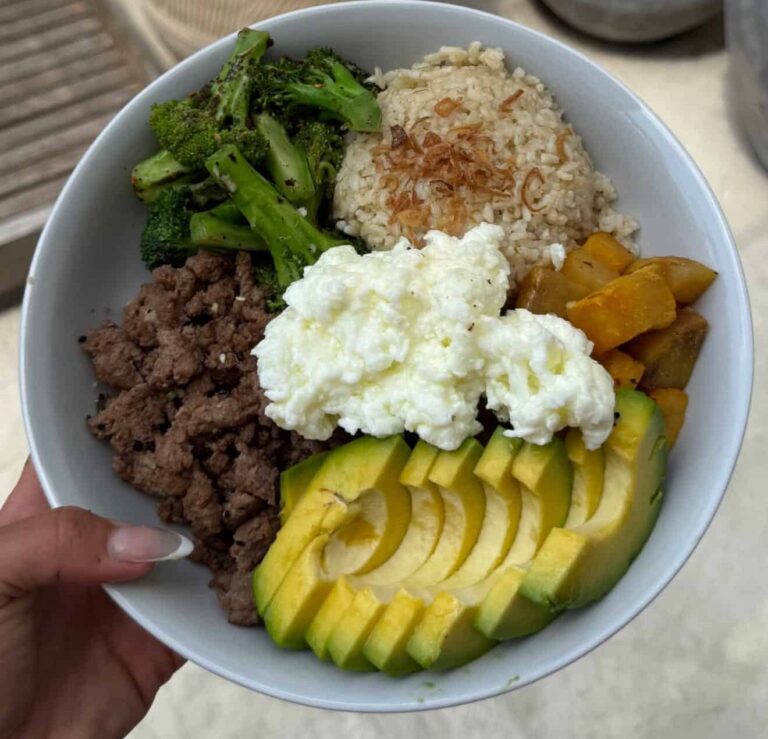
Protein: Aim for 0.7-1 gram per pound of body weight daily. Distribute this across 3-4 meals to optimise muscle protein synthesis throughout the day. This matters more than training location; your glutes need amino acids to grow regardless of whether you trained at the gym or home.
Caloric surplus: You cannot build significant muscle in a caloric deficit. To maximise glute growth, consume 200-500 calories above maintenance. If you’re trying to lose fat whilst building glutes, maintain calories at maintenance level—progress will be slower but still possible.
I’ve watched lean clients struggle to build glutes whilst chronically under-eating. Once we got their calories up properly, everything changed. You need fuel to build muscle. It’s not optional.
Carbohydrates: Don’t fear carbs. They fuel your training and replenish muscle glycogen. Time your largest carbohydrate meals around your gym sessions when you’re lifting the heaviest weights.
How 12REPS Solves the Hybrid Training Challenge
The hybrid training model requires more planning than a standard gym-only or home-only programme. You need to track which exercises you performed where, ensure you’re progressing both gym and home movements, and maintain appropriate balance between heavy loading and volume work.
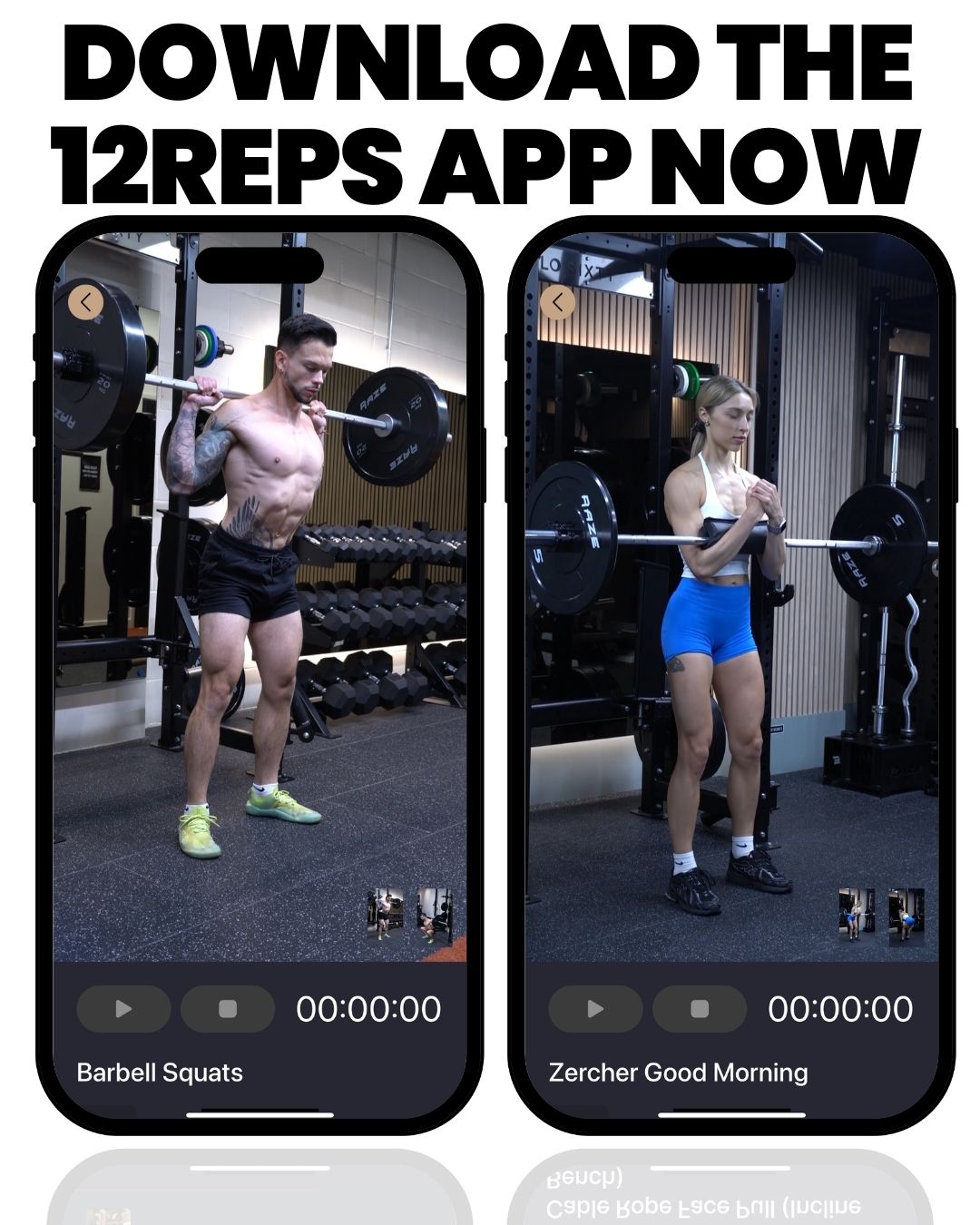
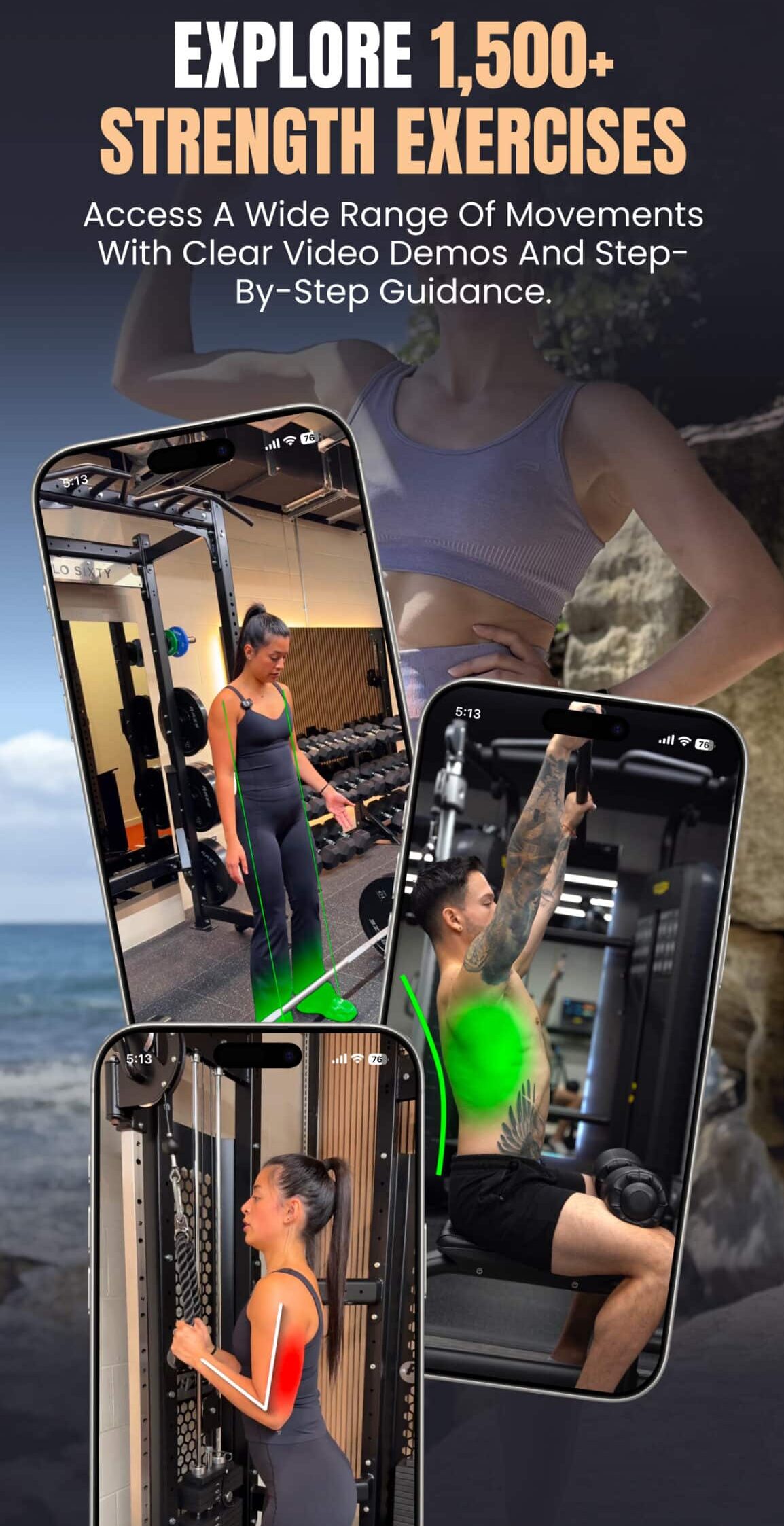
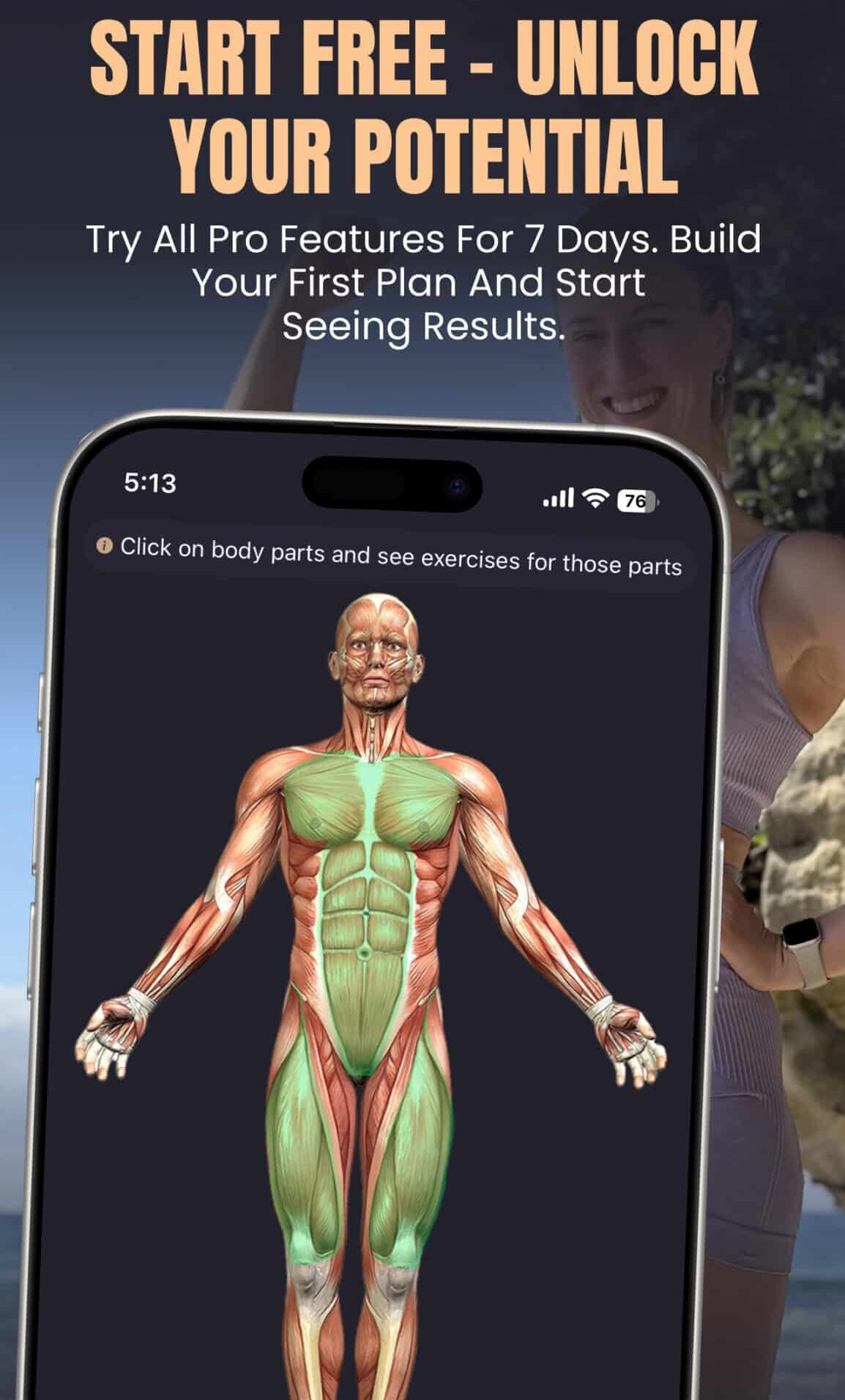
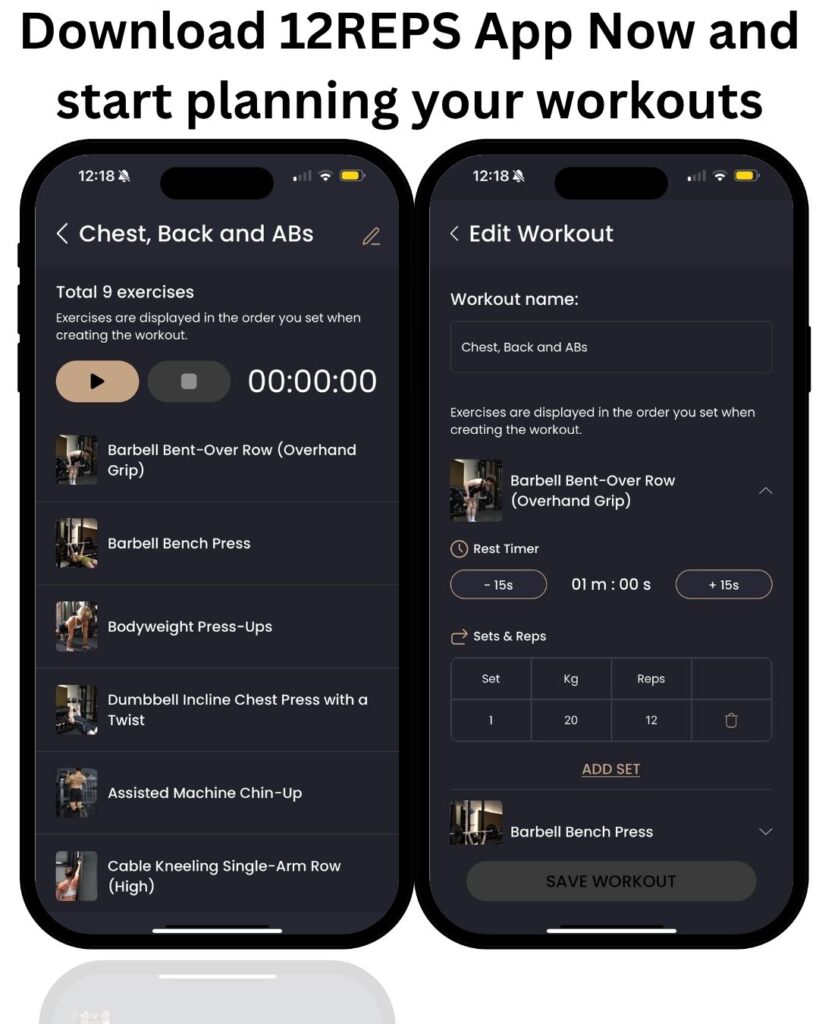
This is precisely what 12REPS was designed to solve. The app recognises that real life happens between the gym and home. When you log into 12REPS, you specify whether you’re training at the gym or home that day. The AI then generates a workout optimised for your current environment and equipment access.
On gym days, you receive programming focused on heavy compound movements and exercises requiring specialised equipment. On home days, you get workouts designed around bodyweight, resistance bands, and whatever dumbbells or kettlebells you’ve got available.
The app tracks your progression in both environments separately—ensuring you’re adding weight to your gym lifts whilst simultaneously progressing your home training through increased volume, density, or exercise difficulty.
Most importantly, 12REPS automatically manages your training frequency and recovery. It knows you hip thrust heavy on Tuesday, so it won’t programme another hip-dominant heavy day on Wednesday. Instead, it might assign home-based glute isolation work that complements rather than conflicts with your gym session.
This was the exact problem I kept running into with clients. They’d ask me to write them a programme, I’d spend an hour mapping it out, then they’d miss a gym session and everything would be off. They’d text asking what to do instead, I’d suggest alternatives, but the whole structure would fall apart. 12REPS solves that by adapting in real-time to where you actually are, not where the programme assumed you’d be.
Starting Your Hybrid Glute Training Journey
If you’re new to splitting training between gym and home, start with the two-gym-days template outlined earlier. This provides sufficient heavy stimulus whilst keeping home sessions simple and manageable.
Focus on mastering the fundamental movement patterns in each environment:
- Gym: Hip thrusts, squats, deadlifts, split squats
- Home: Single-leg glute bridges, banded work, lunges, step-ups
Once these feel comfortable, gradually increase training frequency by adding home sessions on additional days. Monitor recovery—you should feel challenged but not destroyed. Excessive soreness that interferes with subsequent sessions indicates you need more recovery time or reduced volume.
Give any programme 8-12 weeks before evaluating results. Building muscle takes time, especially in the glutes which are large, powerful muscles requiring substantial stimulus to change. Take progress photos monthly and track your gym weights weekly. These objective measures matter more than your subjective feelings about progress.
The most common mistake new clients make is changing things too quickly. They try a split for two weeks, don’t see results, and switch to something else. I make them commit to 12 weeks minimum. That’s when you actually see what’s working. Patience is harder than progressive overload, but it matters just as much.
The Bottom Line
You don’t need to choose between gym training and home training. The hybrid approach allows you to capitalise on the unique advantages of each environment.
Your gym sessions provide the heavy, progressive loading that creates maximum mechanical tension—the foundation of muscle growth. Your home sessions provide the frequency and volume that amplify that growth response without requiring daily gym access.
This isn’t about compromise. It’s about optimisation. You’re not “making do” with home workouts because you can’t reach the gym. You’re strategically distributing training stimulus across environments to maximise glute development within the constraints of your actual life.
The women who build the most impressive glutes aren’t the ones with perfect gym access seven days a week. They’re the ones who train consistently with intelligence—progressing their lifts at the gym whilst maintaining momentum at home. They understand that frequency and consistency trump perfect programming every time.
I’ve trained clients in £200/month private gyms in Mayfair and clients working out in their bedrooms with a set of bands from Amazon. The ones who get results aren’t the ones with better facilities—they’re the ones who actually turn up, follow a coherent plan, and stick with it for months. That’s what matters.
Start where you are. Use what you’ve got. Progress in both environments. Your glutes will respond.