

By Will Duru, BSc (Hons) Sport and Exercise Science Award-winning Personal Trainer with over 10 years of experience in strength training and optimising recovery
Your goal at the gym is to get a good workout, not to fend off unwanted comments or stares. Yet, for a significant majority of women, dealing with unsolicited attention is an unfortunate reality of their gym experience. Research shows that inappropriate interactions at fitness facilities are disturbingly common, affecting how women train, when they train, and whether they feel comfortable returning at all.
As a male personal trainer, this infuriates me. The gym should be a safe space for everyone—a place where people can focus on their health and strength without dealing with harassment or discomfort. Over my decade of training women in the City of London, I’ve made it my mission to empower my clients to feel strong, confident, and in control of their environment. I’ve listened to countless stories of uncomfortable interactions, and I’ve helped women develop strategies to protect their space and their workout time.
This guide will provide you with practical, no-nonsense strategies to set boundaries, shut down unwanted interactions, and reclaim your workout. You shouldn’t have to deal with this, but since the reality is that you might, you deserve to be prepared with effective tools.
The Proactive Toolkit: Setting Yourself Up for Success
The best defense is often a good offense. By establishing clear non-verbal boundaries from the moment you enter the gym, you can significantly reduce unwanted interactions.
The ‘Do Not Disturb’ Vibe
Your body language and behavior send powerful signals about your availability for interaction. Here’s how to communicate that you’re there to work, not socialise.
Headphones are your first line of defense. They’re the international symbol for “I’m in the zone.” Put them on before you even walk through the gym doors. Even if you’re not listening to anything, or if the volume is low, headphones create a psychological barrier. They signal that you’re focused and not open to conversation. Over-ear headphones are particularly effective because they’re highly visible and create an even stronger “do not disturb” message.
Your facial expression matters. Avoid scanning the room or making unnecessary eye contact when you first arrive. Women are often socialised to smile and make eye contact as a sign of friendliness, but in the gym, a neutral or focused expression serves you better. Look at your equipment, look at your phone with your workout plan, look at the exercise you’re about to do. This isn’t about being unfriendly—it’s about protecting your training time.
Move with purpose and confidence. When you walk directly to your equipment, set up efficiently, and begin your workout without hesitation, you project an air of someone who knows exactly what they’re doing and isn’t looking for input or company. Contrast this with someone who appears uncertain, looks around frequently, or seems to be killing time between exercises—that person is more likely to be approached.
A Clear Plan
Having a structured workout plan is more than just good training practice—it’s a protective strategy. When you have a plan, you move with clear intention. You’re not wandering the gym floor trying to decide what to do next, which can be misinterpreted as an invitation to chat or “help.”
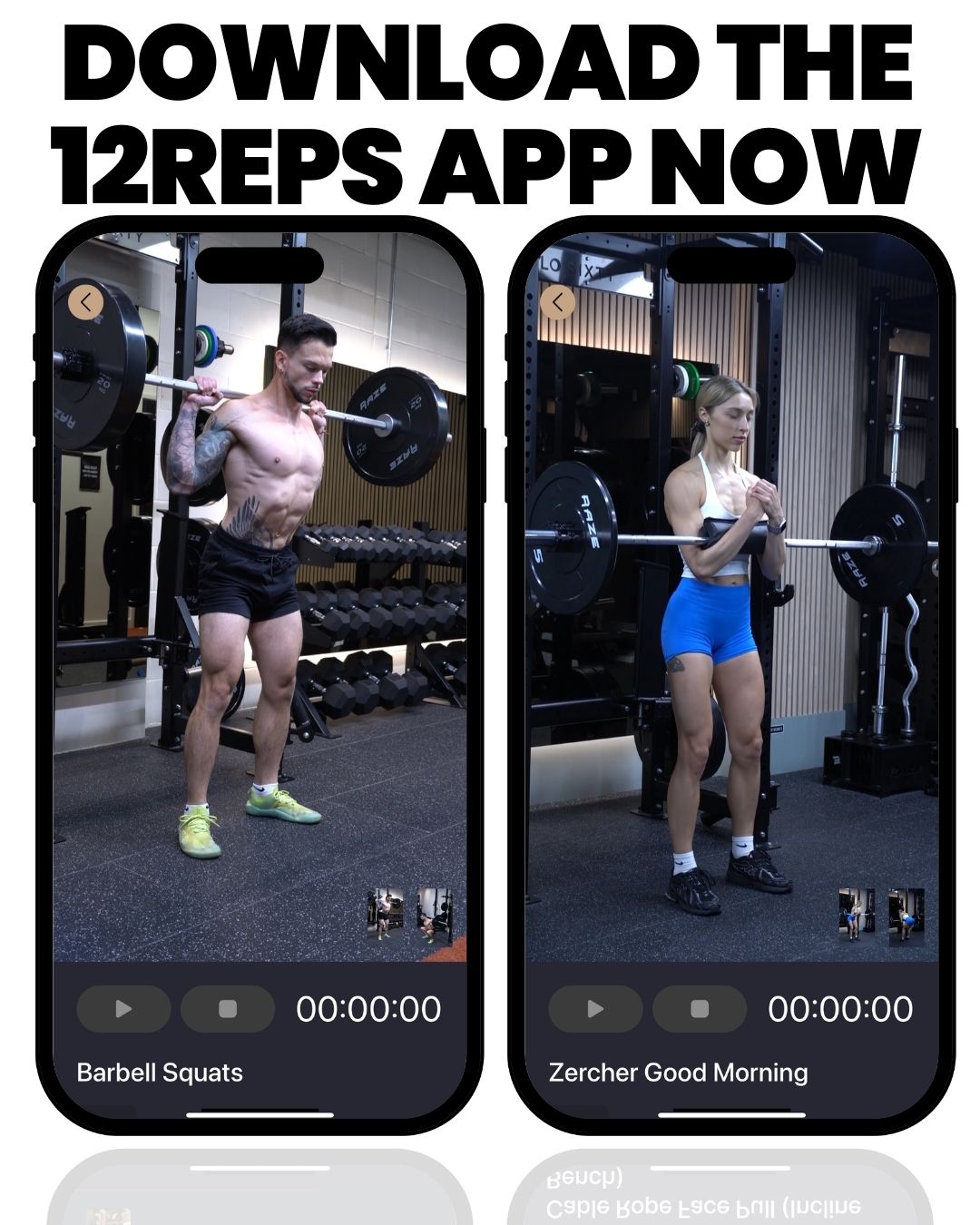
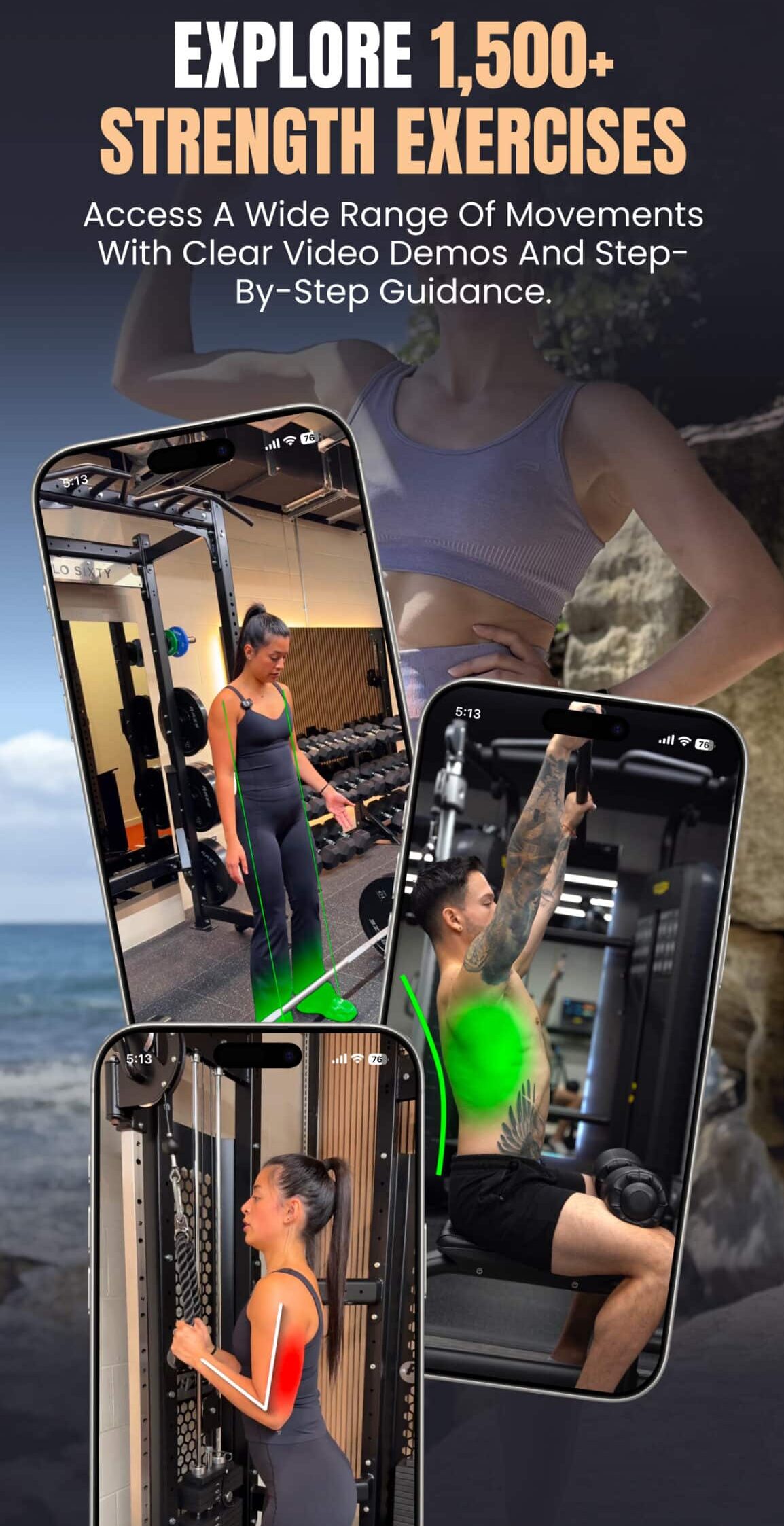
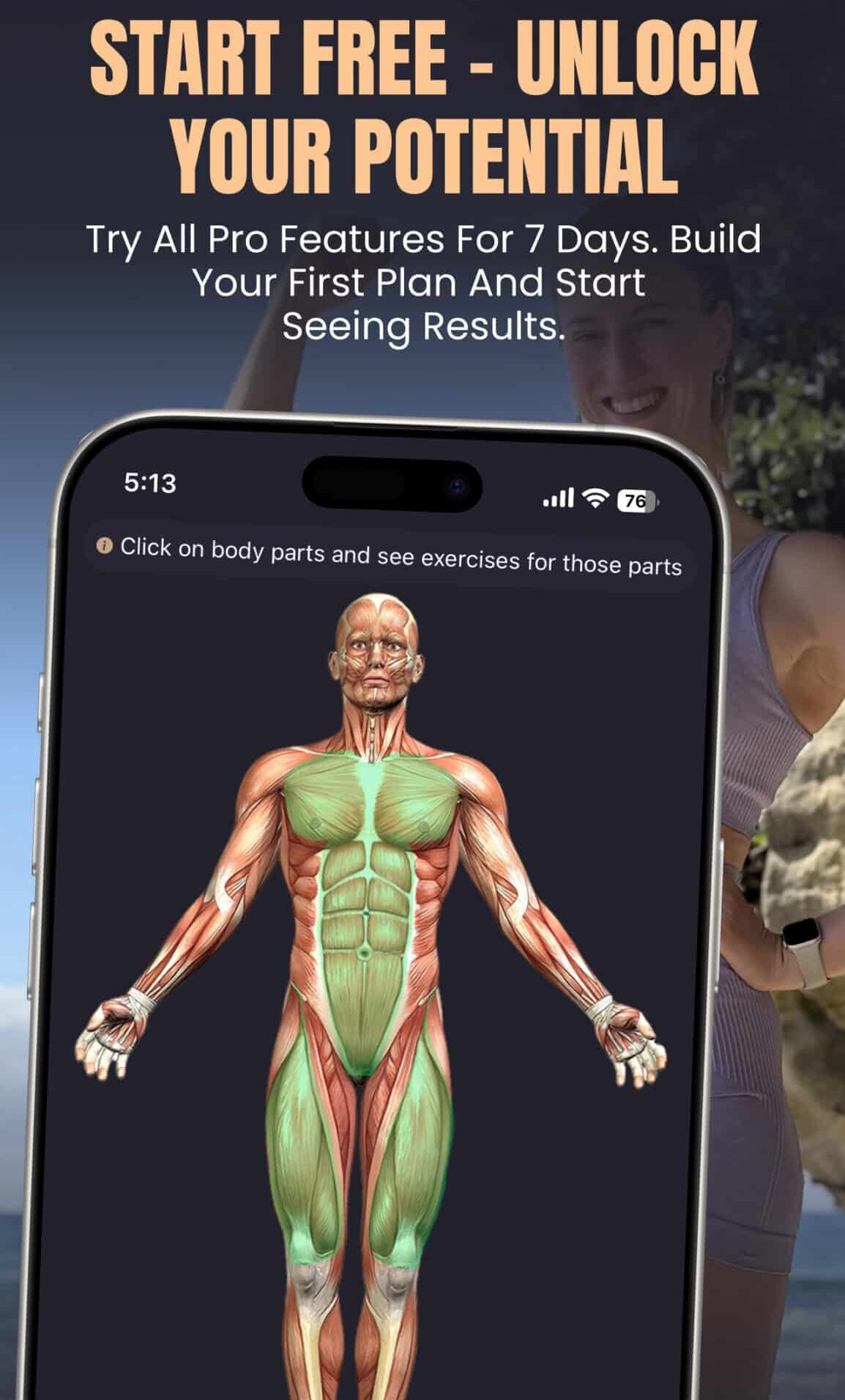
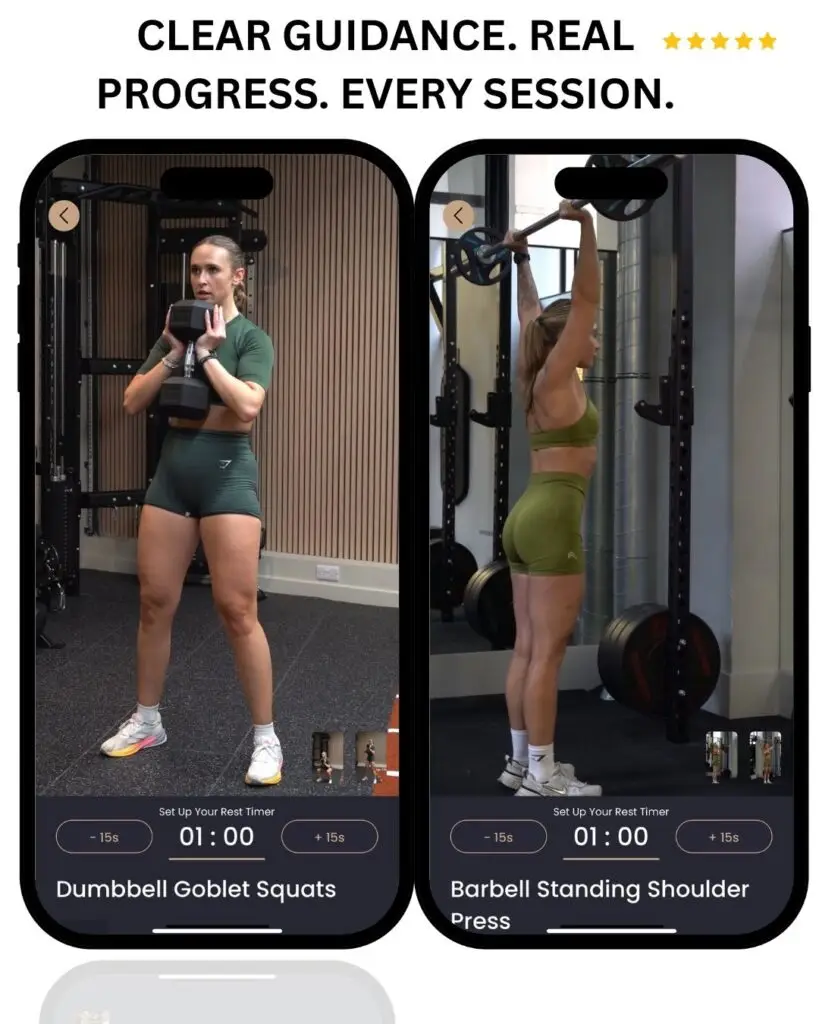
Have your workout loaded on the 12reps app, the best strength training app for staying focused. With your workout clearly displayed on your phone, you’re visibly following a program. You look between your phone and your exercise. You’re checking off sets. This communicates that you’re executing a specific plan, not just casually exercising. Download it for a free trial and experience how much more purposeful and protected you feel when you have a clear roadmap for your session.
The Reactive Playbook: Scripts for Unwanted Interactions
Despite your best proactive measures, you may still encounter unwanted interactions. Here are specific scenarios and exact scripts you can use to shut them down effectively.
Scenario 1: The Unsolicited Advice-Giver
This is the person who approaches you mid-set to “correct” your form or suggest a “better” way to do the exercise. Often this is well-intentioned, but it’s still an interruption and often comes with an underlying assumption that you don’t know what you’re doing.
The Script: A firm but polite, “Thanks, but I’m good. I’m following a program from my trainer.” Or even more concisely, “Thanks, I’ve got it.”
Why it works: This is a clear, confident shutdown that doesn’t invite further conversation. By mentioning that you’re following a program, you establish that you have expert guidance already. The person has nowhere to go with the conversation after this. Don’t elaborate or justify—just state it and return to your workout.
Tone matters: Keep your voice neutral and matter-of-fact, not apologetic. You’re not sorry for declining unsolicited advice. You’re simply stating a fact.
Scenario 2: The “Compliment” That Feels Uncomfortable
This is the comment about your body, your appearance, or how you look while exercising. Even if phrased as a compliment, it often feels objectifying and inappropriate in a training environment.
The Script: A brief, neutral “Thanks,” followed immediately by putting your headphones back on and turning your attention away. No need to smile or engage further.
Why it works: This acknowledges the comment (which can prevent escalation) without encouraging more interaction. Your body language does the heavy lifting here. By immediately disengaging—turning away, replacing headphones, focusing on your phone or equipment—you communicate clearly that the conversation is over.
Important: You are not obligated to respond at all if the comment makes you genuinely uncomfortable. A complete lack of response is also an acceptable boundary.
Scenario 3: The Persistent Chatter
This person wants to strike up a conversation, ask about your workout, tell you about theirs, or generally socialize when you’re trying to train. They might be genuinely friendly with no ill intent, but they’re still interfering with your workout.
The Script: “It was nice chatting, but I really need to focus on my workout now.”
Why it works: This is a polite but unmistakable boundary. You’re directly stating your needs without being rude. The key word is “need”—it’s not that you’re choosing to be antisocial, it’s that you have a legitimate requirement to focus. This makes it much harder for the person to push back without appearing disrespectful of your boundaries.
Follow-up if they persist: If they don’t take the hint and continue trying to engage, you can simply say, “I need to concentrate,” and put your headphones back in. At this point, continued attempts to engage constitute harassment, and you should feel no guilt about completely ignoring them or moving to a different area.
Scenario 4: The Stare-Down
This is perhaps the most uncomfortable situation—someone who is repeatedly staring at you during your workout. It’s harder to address because there’s no direct interaction, but it’s deeply unsettling.
The Action: If you feel safe doing so, make direct, unsmiling eye contact for one to two seconds. This communicates that you’ve noticed their behavior and you’re not intimidated. Often, this is enough to break their focus and make them look away.
If that doesn’t work: Move to a different area of the gym and position yourself so that your back is to them or they’re out of your line of sight. You shouldn’t have to move, but sometimes relocating is the fastest way to restore your comfort and refocus on your workout.
What not to do: Don’t smile or look away quickly, as this can be misinterpreted as shyness or interest rather than discomfort.
When to Escalate: Involving Gym Staff
Some situations require intervention beyond what you should handle alone. It’s crucial to understand when and how to involve gym management.
Your Right to Feel Safe
You pay membership fees to use the gym. You have an absolute right to feel secure and respected there. Full stop. If someone’s behavior makes you feel unsafe, harassed, or significantly uncomfortable, it is not your responsibility to handle it alone, and it’s certainly not your fault.
Behavior that warrants reporting includes:
- Persistent unwanted attention after you’ve clearly disengaged
- Following you around the gym or to the parking lot
- Explicit comments about your body
- Touching without consent
- Taking photos or videos of you
- Any behavior that makes you feel threatened or unsafe
What to Do
Discreetly go to the front desk or approach a staff member on the floor. You can also step outside the gym area to make your report if you feel unsafe remaining in proximity to the person.
The Script: “Hi, the person in the [color] shirt by the [equipment] is making me feel uncomfortable with [specific behavior]. Can you please address it?”
Be specific about the behavior if possible: “repeatedly staring at me,” “made comments about my body,” “keeps approaching me after I’ve asked them to leave me alone,” “followed me from one area to another.”
Document It
Make a note of the date, time, what happened, and what the person looked like. If possible, note whether they’re a regular at certain times. This documentation is especially valuable if it’s a recurring issue or if the gym’s response is inadequate.
If the gym doesn’t take your concern seriously or fails to address the situation, that’s important information about whether this is the right gym for you. A good facility will have clear policies about harassment and will act swiftly to address reports.
Conclusion
You have every right to take up space, to focus on your workout, and to feel respected at the gym. These tools, the proactive body language strategies, the specific scripts for shutting down unwanted interactions, and the knowledge of when to involve staff, will help you enforce that right.
Your workout time is your time. It’s not an opportunity for others to comment on your appearance, offer unsolicited advice, or attempt to socialise when you’re clearly focused on training. Setting and maintaining boundaries isn’t rude; it’s necessary and appropriate.
Remember: being firm is not being mean. Protecting your space and your workout is not being unfriendly. You’re at the gym to get stronger, and that includes being strong enough to advocate for yourself when necessary.