



By Will Duru, BSc (Hons) Sport and Exercise Science, Award winning Personal Trainer with over 10 years of experience in strength training
You wake up feeling tired. Your muscles ache. The thought of going to the gym fills you with dread rather than anticipation.
Should you push through and train anyway? Or is your body telling you something important?
This question haunts regular exercisers. Push through when you should rest and you risk injury, illness or burnout. Rest when you should push through and you sacrifice progress to momentary discomfort.
The difference between productive persistence and destructive stubbornness is not always obvious. But with experience and attention, you can learn to read the signals your body sends and make better decisions about when to train and when to recover.
This guide helps you distinguish genuine fatigue from ordinary reluctance, identify warning signs that demand rest and develop the body awareness that supports long-term training success.
Two Types of Tiredness
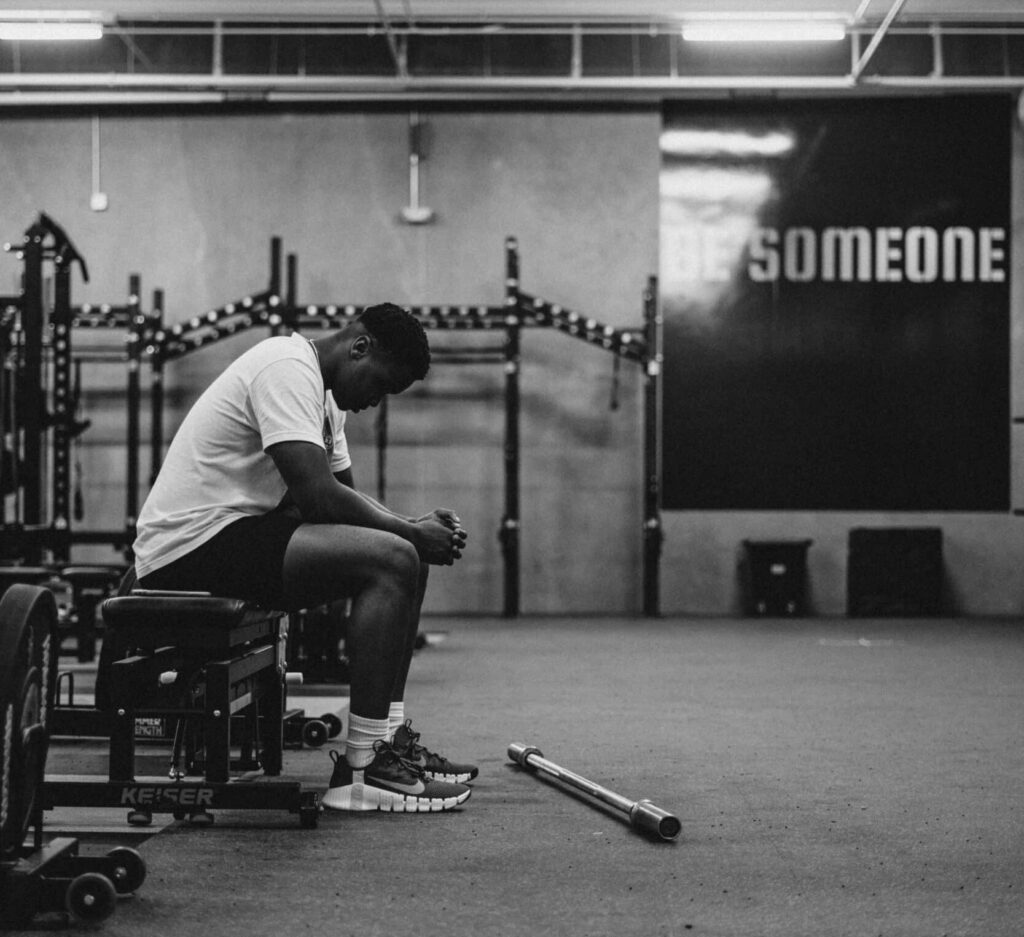
Not all tiredness is equal. Understanding the difference is fundamental to making good training decisions.
Normal Training Fatigue
This is the expected tiredness that comes from regular exercise. Your muscles feel worked. You are somewhat tired. Training sounds less appealing than the sofa.
Normal training fatigue is not a reason to skip workouts. It is simply the background state of someone who trains consistently. If you waited until you felt completely fresh and energised, you would rarely train at all.
This type of fatigue typically:
- Improves once you start warming up
- Does not worsen during the session
- Feels better after training than before
- Resolves with normal sleep and nutrition
- Does not affect your daily functioning
Accumulated Fatigue Requiring Rest
This is deeper exhaustion that signals your body needs recovery time. It results from training stress exceeding recovery capacity over days or weeks.
Accumulated fatigue typically:
- Persists or worsens during warm up
- Makes weights feel heavier than they should
- Leaves you feeling worse after training
- Does not resolve with one night of good sleep
- Affects mood, concentration and daily energy
- May accompany other warning signs
Learning to distinguish between these two states takes time and honest self-assessment. Most people err in one direction: either always pushing through or always finding excuses to rest.

Physical Warning Signs That Demand Rest
Certain physical symptoms indicate your body genuinely needs recovery. Ignoring these signs leads to diminished results, increased injury risk and potential illness.
Elevated Resting Heart Rate
Your morning resting heart rate provides insight into recovery status. When adequately recovered, this number remains consistent. When overtrained or fighting illness, resting heart rate often elevates by 5 to 10 beats per minute or more.
Track your resting heart rate first thing in the morning before getting out of bed. After establishing your baseline over a few weeks, significant elevations suggest backing off training.
Persistent Muscle Soreness
Delayed onset muscle soreness (DOMS) after challenging workouts is normal. Soreness that persists beyond 72 hours or affects the same muscles session after session suggests inadequate recovery between training bouts.
If you are still significantly sore from your last session when the next one arrives, your recovery is not keeping pace with your training demands.
Disturbed Sleep
Quality sleep is both a recovery tool and a recovery indicator. When training stress accumulates beyond recovery capacity, sleep often suffers. You may have difficulty falling asleep despite exhaustion, wake frequently during the night or wake feeling unrefreshed.
Poor sleep creates a vicious cycle: inadequate recovery leads to worse sleep, which further impairs recovery. Breaking this cycle sometimes requires reducing training temporarily.
Decreased Performance
One of the clearest signs of accumulated fatigue is performance decline. Weights that felt manageable last week now feel heavy. Reps that came easily become difficult. Progress reverses rather than continues.
Some performance variation is normal. But consistent decline across multiple sessions indicates insufficient recovery.
Increased Illness Frequency
Heavy training temporarily suppresses immune function. When training chronically exceeds recovery capacity, this suppression becomes problematic. Frequent colds, persistent minor infections and slow wound healing all suggest an overtaxed system.
If you are getting sick more often than usual, your training may be contributing to the problem rather than supporting health.
Joint Pain and Niggles
Muscle soreness from training is expected. Joint pain is not. Persistent aches in knees, shoulders, elbows or lower back often indicate that training demands exceed tissue recovery capacity
These niggles, if ignored, frequently progress to actual injuries. Taking them seriously and reducing load allows tissues to recover before minor issues become major ones.
Appetite Changes
Both increased and decreased appetite can signal recovery issues. Some people experience ravenous hunger when overtrained as the body demands resources. Others lose appetite entirely as stress hormones interfere with hunger signals.
Significant appetite changes that coincide with heavy training suggest your body is struggling to cope.

Mental and Emotional Warning Signs
Recovery is not purely physical. Mental and emotional states also indicate whether you should train or rest.
Persistent Low Mood
Occasional lack of motivation is normal. Persistent low mood, irritability or anxiety that accompanies a period of hard training suggests accumulated stress exceeding recovery capacity.
Exercise typically improves mood. When it stops doing so, or when mood deteriorates despite consistent training, something is wrong.
Dreading Every Session
Occasional reluctance to train is normal. Dreading every single session for weeks on end is not. If the thought of training consistently fills you with genuine dread rather than mild reluctance, your relationship with exercise needs attention.
This might indicate overtraining, but it could also signal that your programme is wrong for you, your goals have shifted or life circumstances require a different approach.
Inability to Concentrate
Brain fog and difficulty concentrating often accompany physical overtraining. When cognitive function suffers alongside physical fatigue, the signal is clear: your system needs rest.
This affects not just training but work, relationships and daily functioning. Ignoring it costs more than just gym progress.
Loss of Training Enjoyment
Most people who train consistently genuinely enjoy it at least some of the time. Complete loss of enjoyment, where training feels like pure obligation with no reward, often indicates accumulated fatigue.
The enjoyment typically returns after adequate rest and recovery.

When to Push Through
Not every tired day warrants rest. Many successful training sessions happen despite initial reluctance. Learning when to push through builds both physical and mental resilience.
Push Through When: You Simply Do Not Feel Like It
Lack of motivation alone is not a reason to skip training. Everyone has days when the sofa seems more appealing than the squat rack. Pushing through these moments builds the discipline that sustains long-term progress.
The test: start your warm up. If you feel better after 10 minutes of movement, continue training. Mood often shifts once exercise begins.
Push Through When: You Are Mildly Tired
Normal tiredness from daily life rarely prevents productive training. You can train effectively without feeling energised. Some of the best sessions happen on days that started slowly.
Push Through When: You Have Minor Muscle Soreness
Moderate soreness from previous training does not prevent current training. Movement often reduces soreness by increasing blood flow to affected tissues.
Train the sore muscles at reduced intensity if needed, or train different muscle groups entirely.
Push Through When: Life Is Stressful
Counterintuitively, training during stressful periods often helps rather than hurts. Exercise reduces stress hormones and improves mood. Skipping training during stress removes a coping tool when you need it most.
However, monitor carefully. If life stress plus training stress exceeds recovery capacity, adjustment may be needed.
Push Through When: Your Warm Up Improves Things
The warm up serves as a test. If movement makes you feel better and energy improves, your initial reluctance was probably just inertia. Continue with the session.

When to Rest
Certain situations warrant rest regardless of your desire to train. Learning to rest appropriately is as important as learning to push through.
Rest When: You Show Multiple Warning Signs
Any single warning sign might be tolerable. Multiple signs appearing simultaneously, such as elevated heart rate plus poor sleep plus declining performance, indicate genuine need for recovery.
Rest When: You Are Actually Ill
Training through illness extends recovery time and risks more serious health consequences. If you have a fever, respiratory symptoms or systemic illness, rest until symptoms resolve.
The neck check provides rough guidance: symptoms above the neck (mild cold, runny nose) may allow light training. Symptoms below the neck (chest congestion, body aches, fever) require rest.
Rest When: You Have Acute Injury
Fresh injuries need rest, at least from movements that stress the affected area. Training through acute injury transforms minor issues into chronic problems.
Rest the injured area while potentially continuing to train unaffected body parts.
Rest When: Warm Up Makes Things Worse
If warming up intensifies rather than relieves your fatigue, your body is clearly communicating. Stop the session. Go home. Recover.
Rest When: Performance Has Declined for Multiple Sessions
A single bad session means nothing. Several consecutive sessions of declining performance indicate accumulated fatigue requiring intervention.
Rest When: Sleep Has Been Poor for Several Days
Sleep debt accumulates and impairs recovery. After several nights of poor sleep, training adds stress without allowing the recovery that would make it productive.
Prioritise sleep restoration before resuming normal training.
Practical Strategies for Self-Assessment
Keep a Training Log
Recording not just what you do but how you feel provides valuable data over time. Note energy levels, mood, sleep quality and session quality alongside sets and reps.
Patterns emerge when you review this data. You might discover that poor sessions consistently follow short sleep, or that mood dips precede performance declines.
The 12REPS app allows you to track these subjective factors alongside your training metrics, building a comprehensive picture of your readiness over time.
Monitor Resting Heart Rate
Measure your resting heart rate each morning before rising. Use a simple average over time to establish your baseline. Note significant deviations.
This takes 60 seconds daily and provides objective data about recovery status.
Use the Warm Up Test
Make your warm up a decision point. Begin each session with light movement and see how you respond. Let your body’s reaction to initial exercise inform whether you continue.
If energy improves and movement feels good, proceed. If you feel worse as the warm up continues, consider cutting the session short or resting entirely.
Rate Your Readiness
Before each session, rate your readiness to train on a simple scale from 1 to 10. Track these ratings over time. If readiness consistently falls below 5, something in your training or recovery needs adjustment.
Listen Honestly
The hardest part of self-assessment is honesty. It requires distinguishing genuine warning signs from convenient excuses, and recognising productive discomfort versus destructive pushing.
Some people need permission to rest. Others need accountability to train. Know which tendency you have and adjust your interpretation accordingly.

The Deload Solution
When accumulated fatigue builds but you do not want complete rest, a deload week offers a middle path. Reduce training intensity and volume for one week while maintaining the training habit.
During a deload:
- Reduce weights by 40 to 50 percent
- Reduce total sets by half
- Maintain exercise selection and frequency
- Focus on movement quality and technique
This approach allows continued activity while dramatically reducing training stress. Many lifters find that performance improves significantly in the weeks following a deload.
Schedule deloads proactively every 4 to 8 weeks rather than waiting until accumulated fatigue forces rest.
A Client Who Learned to Listen
Richard ignored fatigue signals for months. His sleep deteriorated. His mood soured. His lifts stalled then declined. He kept training anyway, convinced that pushing through was the answer.
Eventually, his body forced the issue. A shoulder injury ended his training entirely for six weeks.
“I thought I was being disciplined,” he told me afterward. “I was actually being stupid. All those warning signs were obvious in hindsight. I just refused to see them.”
When he returned, we built recovery monitoring into his routine. He tracked sleep and resting heart rate. He learned to recognise his personal warning signs. He took deload weeks before they became emergency rest.
Two years later, Richard trains consistently without injury. His strength exceeds his pre-injury levels. He finally understands that rest is part of training, not the opposite of it.
“I used to think listening to my body was making excuses,” he said. “Now I know it is what lets me keep training year after year.”
Conclusion
Your body constantly communicates about its readiness to train. Learning to interpret these signals accurately is a skill that develops over time with attention and honest self-assessment.
Push through normal reluctance and ordinary tiredness. These are not reasons to skip training. Rest when genuine warning signs accumulate: elevated heart rate, persistent soreness, declining performance, disturbed sleep, frequent illness, joint pain or significant mood changes.
Use your warm up as a test. Track subjective factors alongside training metrics. Know your personal tendencies toward either excessive rest or excessive pushing.
The goal is not perfect decision-making. You will sometimes train when you should have rested, and rest when you could have trained. The goal is improving your batting average over time until most decisions support rather than undermine your progress.
Listen to your body. It knows things your mind might miss.
Related Articles on just12reps.com
| Article | Description | Link |
|---|---|---|
| How Long to Rest Between Sets | Understanding recovery at the session level. | Read Article |
| Why You’re Not Seeing Results | Ensuring recovery issues are not limiting progress. | Read Article |
| How to Build a Gym Habit | Balancing consistency with appropriate rest. | Read Article |
| How to Train Around an Injury | Managing training when rest is partially required. | Read Article |
| Progressive Overload Guide | Understanding how recovery fits into progression. | Read Article |
References
[1] Meeusen, R. et al. (2013). Prevention, diagnosis and treatment of the overtraining syndrome. European Journal of Sport Science. https://www.tandfonline.com/toc/tejs20/current
[2] Halson, S.L. (2014). Monitoring training load to understand fatigue in athletes. Sports Medicine. https://link.springer.com/journal/40279
[3] Kellmann, M. et al. (2018). Recovery and performance in sport. International Journal of Sports Physiology and Performance. https://journals.humankinetics.com/view/journals/ijspp/ijspp-overview.xml
[4] Saw, A.E. et al. (2016). Monitoring the athlete training response: subjective self-reported measures trump commonly used objective measures. British Journal of Sports Medicine. https://bjsm.bmj.com/
[5] Grandou, C. et al. (2020). Overtraining in resistance exercise: an exploratory systematic review. Sports Medicine. https://link.springer.com/journal/40279
About the Author: Will Duru holds a BSc (Hons) in Sport and Exercise Science and is an award winning personal trainer with over 10 years of experience helping clients train sustainably for long-term results. He is the creator of the 12REPS app, designed to support balanced training and recovery.