

By Will Duru, BSc (Hons) Sport and Exercise Science Award-winning Personal Trainer with over 10 years of experience in strength training and optimising recovery
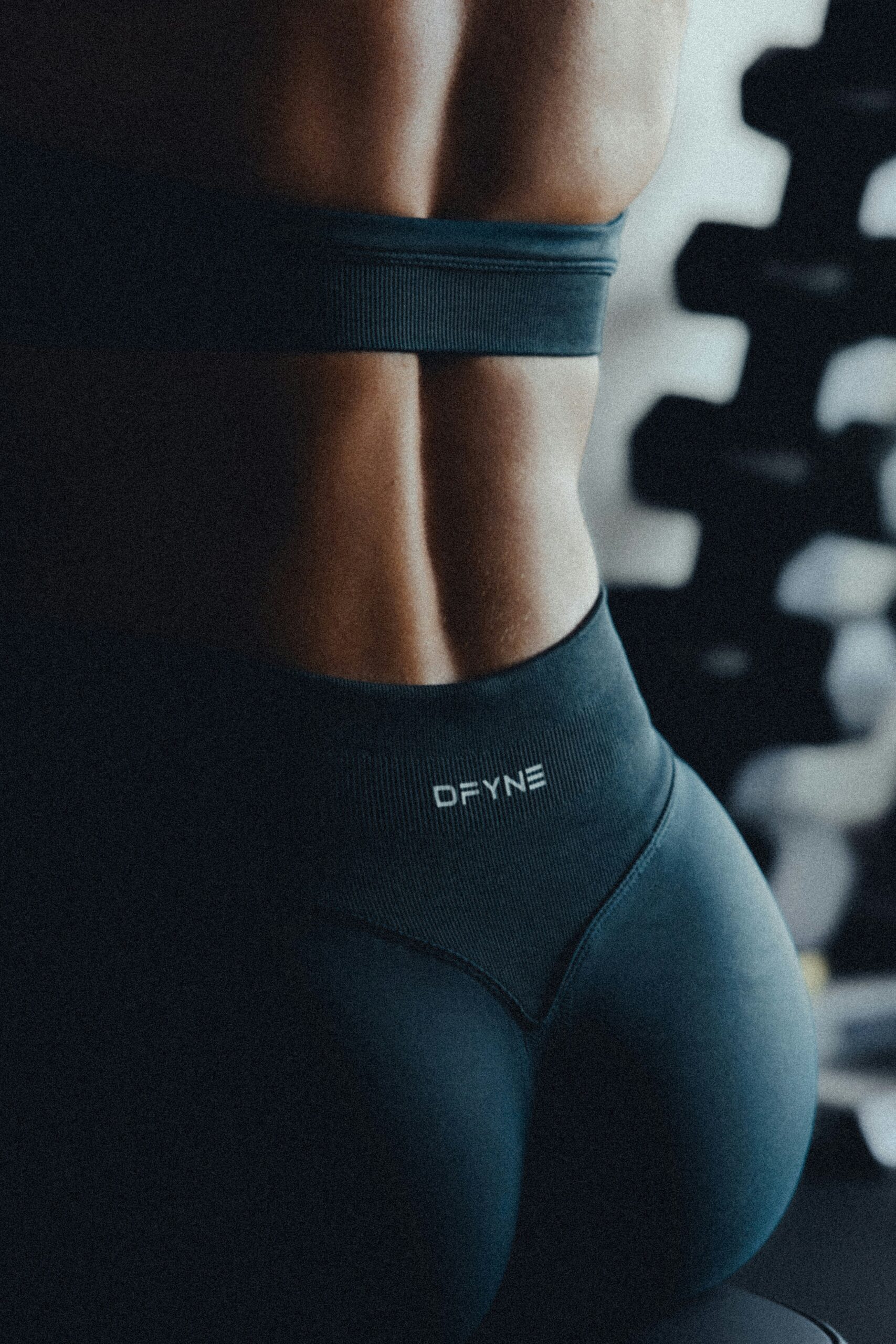
You’re ready to start your fitness journey, but a surprising question stops you in your tracks: “What on earth do I wear?” It might sound trivial, but for nearly half of women, clothing concerns are a real barrier to feeling confident at the gym. The fear of not looking “right” or not having the “proper” gym attire can be enough to delay or completely derail fitness goals.
In my ten-plus years as a personal trainer, I’ve seen it all. Women who wear oversized, baggy clothes hoping to disappear into the background, and women who feel pressured to invest in expensive, trendy workout gear just to fit in. I’ve had clients show up to their first session in jeans because they didn’t know what else to wear, and others who’ve spent hundreds on gym clothes but still felt self-conscious. My passion is helping you find what makes you feel good, because when you feel good in your clothes, you train better. It’s that simple.
This guide isn’t about fashion rules or keeping up with the latest athleisure trends. It’s about finding functional, comfortable clothes that make you feel powerful and ready to take on any workout. By the end of this article, you’ll know exactly what to look for, what actually matters, and how to build a gym wardrobe that works for you and your budget.
Function First: The Non-Negotiables
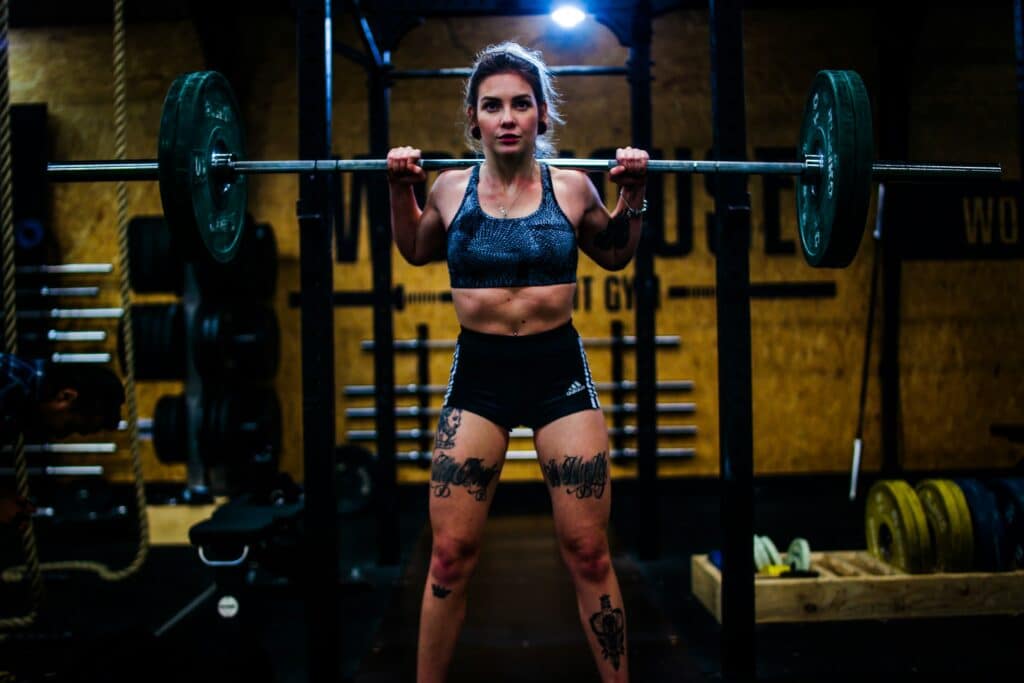
Before we talk about style or preferences, let’s cover the functional basics that will make or break your gym experience. These are the non-negotiables that separate comfortable, effective workout clothes from pretty outfits that look good on a hanger but fail in action.
The Right Fabric
This is where most beginners go wrong. Cotton feels soft and comfortable when you first put it on, but the moment you start sweating, it becomes heavy, clingy, and uncomfortable. Cotton absorbs moisture instead of wicking it away, which means you’ll spend your entire workout feeling damp and weighed down.
Instead, look for moisture-wicking fabrics like polyester, nylon, or synthetic blends. These materials are designed to pull sweat away from your skin and allow it to evaporate quickly. The result? You stay cool, dry, and comfortable throughout your workout, so you can focus on your training, not your clothes. Many modern workout fabrics also have antimicrobial properties that prevent odor buildup, which is an added bonus.
The Perfect Fit
Your workout clothes need to hit that sweet spot between too tight and too loose. If they’re too tight, they’ll restrict your movement and make exercises uncomfortable. If they’re too loose, they’ll get in the way, require constant adjustment, and potentially create safety issues with equipment.
You should be able to squat, lunge, reach overhead, and move freely in every direction without having to constantly tug, pull, or adjust your clothes. When you’re trying on workout clothes, do a few squats right there in the changing room. Reach up high. Bend down. If anything rides up, slides down, or feels restrictive, it’s not the right fit.
The Sports Bra
Let me be absolutely clear: a supportive sports bra is the single most important piece of workout gear for women. This is not an area to compromise or make do with something that’s “good enough.” The right sports bra makes the difference between a comfortable workout and an exercise in discomfort and distraction.
Sports bras come in three levels of support:
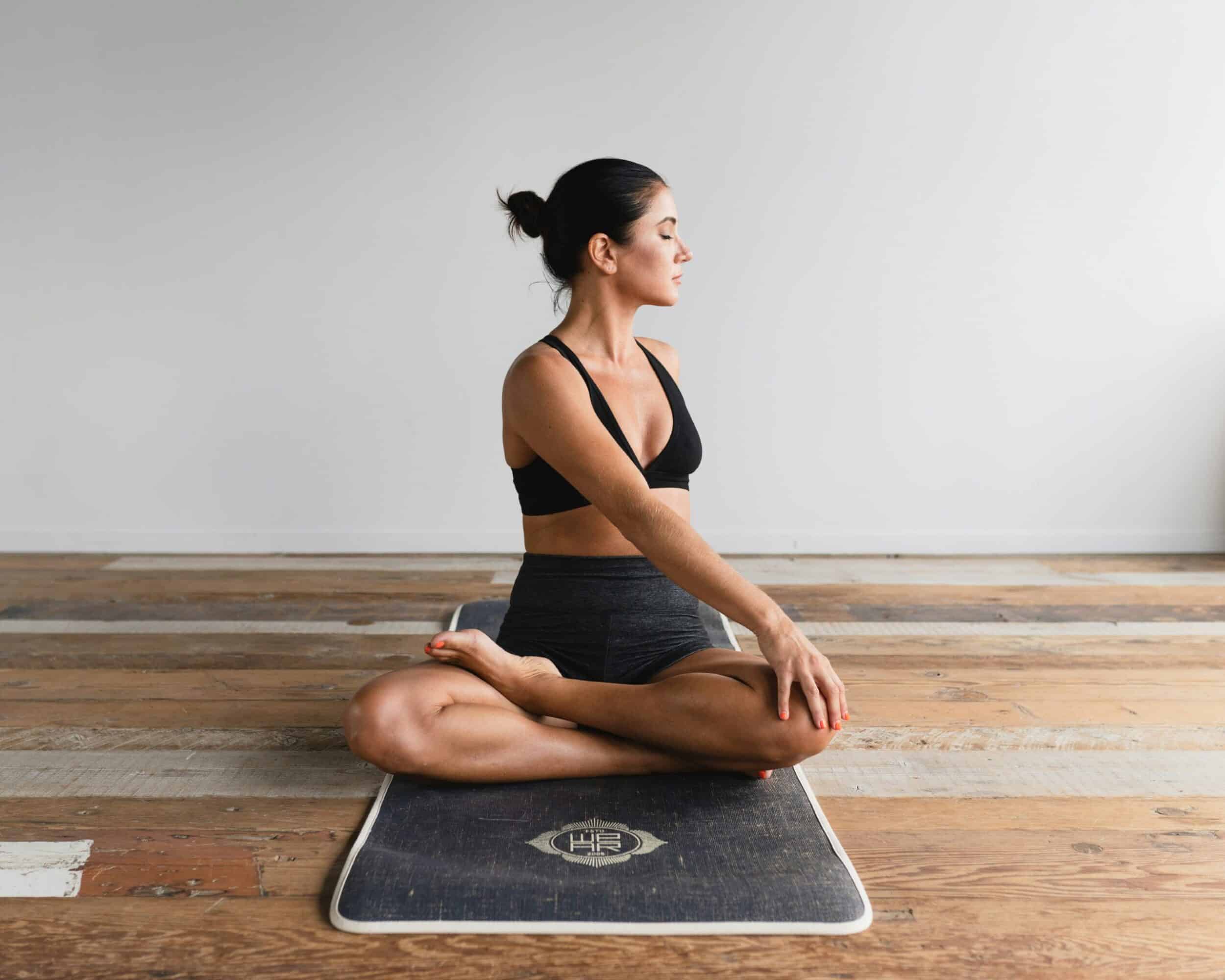
Low support is suitable for yoga, walking, or stretching. These are usually pull-over styles with minimal compression.
Medium support works for most strength training, cycling, and moderate cardio. These typically have wider straps and more structured construction.
High support is essential for running, jumping, or high-intensity interval training. Look for encapsulation styles (where each breast is supported individually) combined with compression, adjustable straps, and a band that stays firmly in place.
When trying on sports bras, jump up and down. Yes, actually jump in the changing room. If there’s excessive movement or bouncing, you need more support. The band should sit snugly around your ribcage without digging in, and the straps should stay in place without slipping off your shoulders.
Building Your Confidence-Boosting Gym Wardrobe
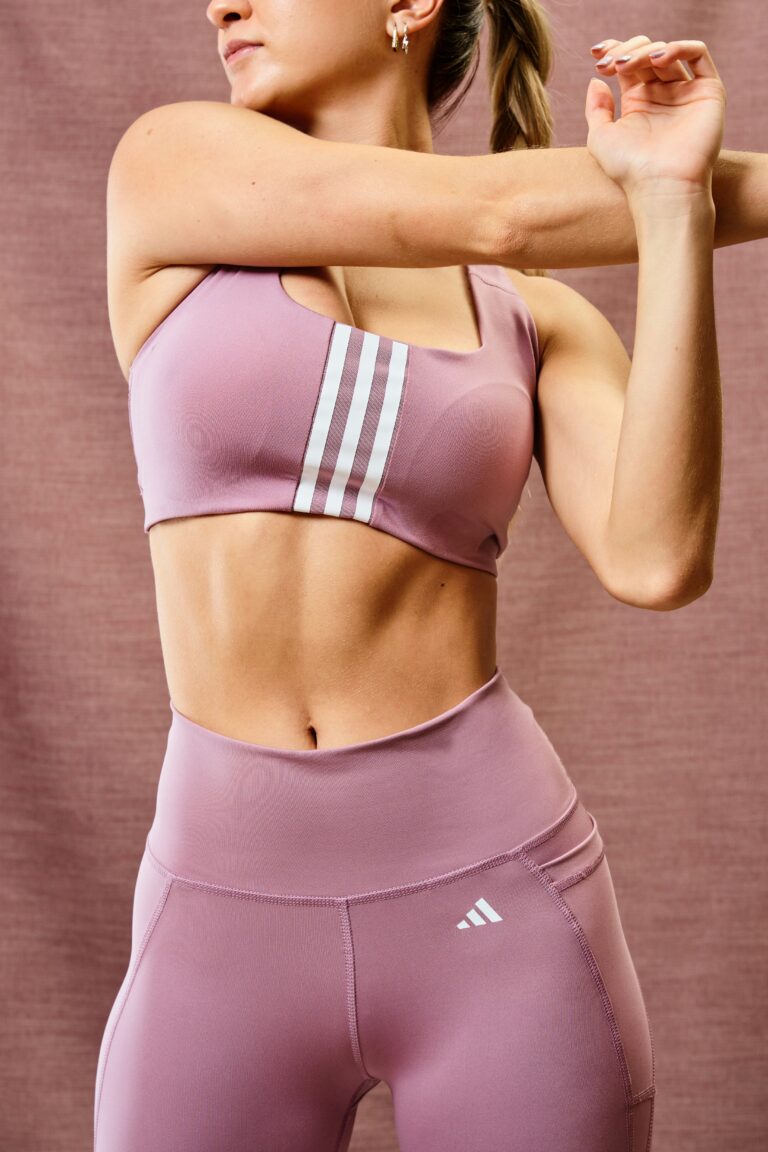
Now that you understand the functional requirements, let’s talk about building a practical gym wardrobe that makes you feel great without breaking the bank.
Start with the Basics
You don’t need a whole new wardrobe to start training. In fact, having too many options can sometimes create decision fatigue and become another barrier to getting to the gym. A few versatile pieces are all it takes to get started.
Here’s what I recommend every beginner starts with:
- One or two pairs of black leggings (black is universally flattering and hides sweat)
- Two supportive sports bras (so you always have a clean one ready)
- Three comfortable tops (mix of tanks and t-shirts for variety)
- One light layer (for warming up or outdoor training)
- Proper training shoes
This basic wardrobe covers all your needs and can be mixed and matched for weeks of workouts. Once you’ve established a consistent training routine, you can gradually expand with different colors, styles, or specialized pieces.
Leggings 101
Leggings have become the cornerstone of most women’s gym wardrobes, and for good reason. They’re versatile, comfortable, and work for almost any type of training. But not all leggings are created equal.
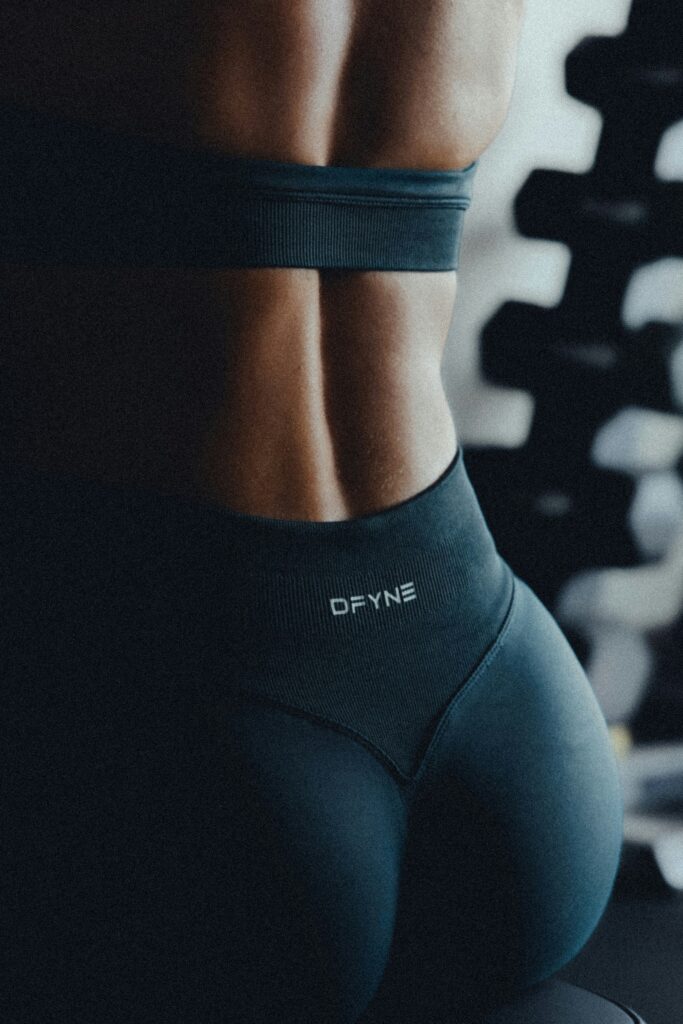
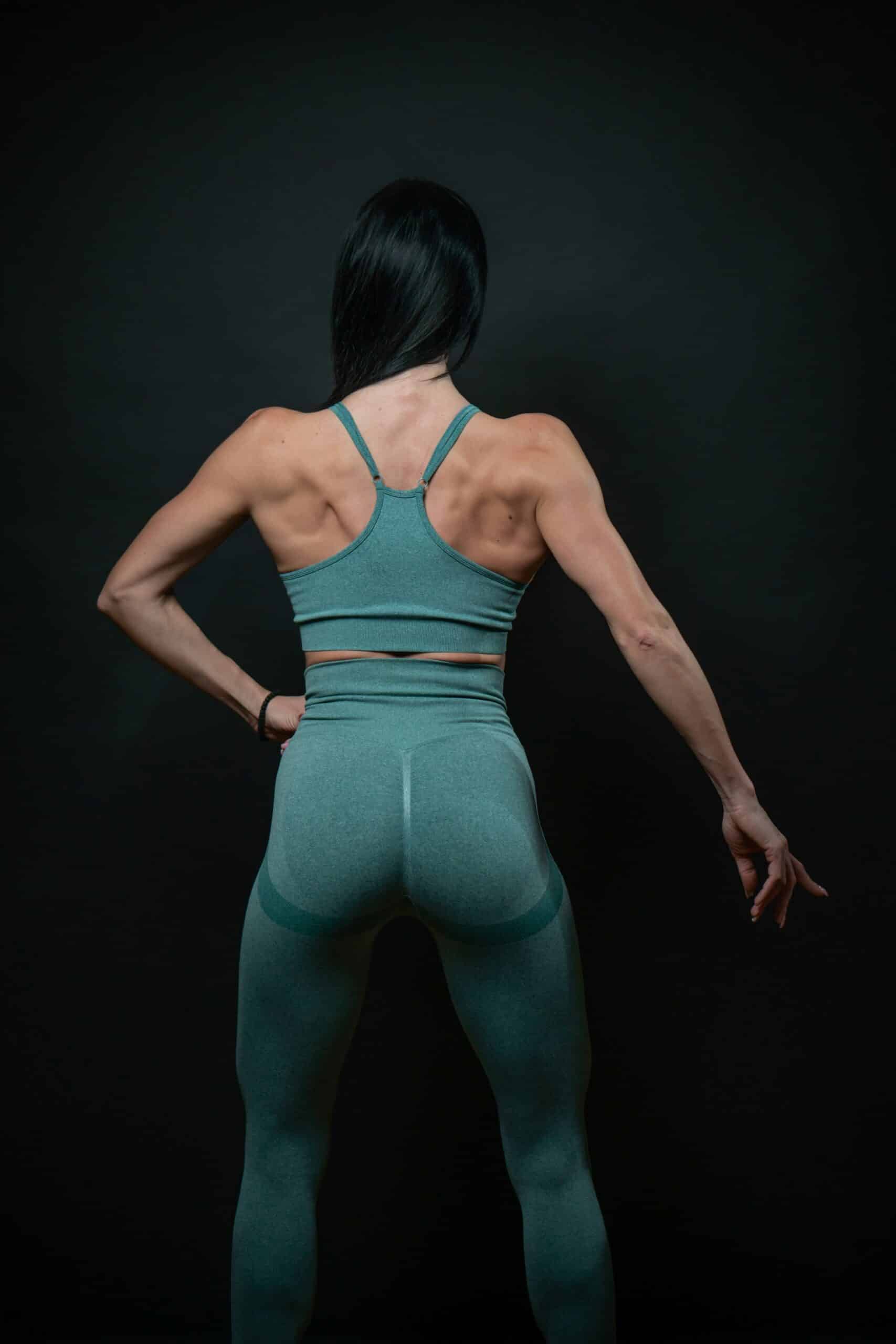
High-waisted leggings are a game-changer for many of my clients. They stay in place during squats and deadlifts, provide a secure and confident feeling, and eliminate the worry about your top riding up or creating gaps. The high waist also provides gentle core support that many women find helpful during training.
Pockets might seem like a minor detail, but they’re incredibly practical. A side pocket for your phone or a small back pocket for your locker key means you’re not juggling items while trying to train.
Length matters too. Full-length leggings provide maximum coverage and are ideal for most gym activities. Seven-eighth length (hitting just above your ankle) works well if you run hot or prefer a less restrictive feel around your ankles. Avoid leggings that are too long and bunch at your ankles, as they can be a tripping hazard.
The most important feature to check: opacity. Do a squat test in the changing room under bright lighting. If you can see through the fabric when it stretches, size up or choose a different pair. You should never have to worry about your leggings becoming see-through during your workout.
Tops and Layers
Your choice of tops depends on personal preference, the type of training you’re doing, and the temperature of your gym.
Tanks are great for hot gyms or high-intensity workouts where you need maximum airflow. Look for styles with wider straps that provide adequate sports bra coverage.
T-shirts offer more coverage and are ideal if you prefer a more modest look or tend to train in air-conditioned environments. Choose fitted or semi-fitted styles rather than oversized shirts that will ride up during exercises.
Long-sleeves are perfect for outdoor training, cooler gyms, or if you simply prefer more coverage. Thumbholes are a nice feature that keeps sleeves in place.
A zip-up hoodie or light jacket is one of the most versatile pieces you can own. It’s perfect for warming up before you start training, throwing on between exercises if your gym is cold, and wearing during your cool-down. Choose a fitted style that won’t get caught in equipment.
Footwear Matters
While this article focuses primarily on clothing, I’d be remiss not to mention footwear. Proper training shoes provide stability and support during strength training, which is crucial for both performance and injury prevention.
For strength training, look for shoes with a flat, stable base rather than heavily cushioned running shoes. Cross-training shoes or specific weightlifting shoes work well. You want a solid connection to the ground that allows you to push through your heels during squats and deadlifts without your foot rolling or shifting inside the shoe.
It's Not About a Six-Pack, It's About Confidence
Let’s address the elephant in the room: the pressure to look a certain way before you feel “allowed” to wear certain gym clothes.
You don’t need a flat stomach to wear a crop top. You don’t need perfectly toned legs to wear shorts. You don’t need to look like a fitness influencer to wear form-fitting leggings. You have the right to wear whatever makes you feel comfortable and confident, right now, exactly as you are.
The fitness industry has done a disservice by creating this unspoken hierarchy of who gets to wear what. It’s nonsense. Every body is a gym body. Every person who shows up to train deserves to wear clothes that make them feel good.
Focus on how clothes make you feel, not just how they look. When you put on your workout clothes, ask yourself: Do I feel ready to move? Do I feel strong? Do I feel like I can tackle this workout? If the answer is yes, then you’re wearing exactly the right thing.
Here’s what I tell all my clients: instead of focusing on the mirror or comparing yourself to others, focus on your strength gains. Use a workout tracker like the 12reps app to see your progress. Watch the weights go up, see your reps increase, track how much stronger you’re getting. That’s the ultimate confidence booster, and it has nothing to do with what you’re wearing. Download it for a free trial and start measuring what really matters.
Conclusion
The most important thing you can wear to the gym is confidence, and that comes from within. Your clothes are just there to support you and help you unleash it.
To recap: prioritise function over fashion, invest in a few quality basics rather than a huge wardrobe, and always choose clothes that make you feel good. The right fabric keeps you comfortable, the right fit allows you to move freely, and the right sports bra is non-negotiable.
Remember that you don’t need to look a certain way to earn the right to wear workout clothes. You belong in the gym, and you deserve to wear whatever makes you feel powerful and ready to train.
Now that you know what to wear, it’s time to put it into action. Get dressed, show up, and log your next workout in your workout log. That’s where the real transformation happens—not in what you wear, but in what you do.